
Why Spring Pollen and Upholstery Fabrics Are a Problem Worth Taking Seriously
Spring upholstery fabric choices matter more than most people realize, especially if anyone in your home deals with seasonal allergies. When pollen counts spike, those microscopic particles don't just float through open windows and disappear. They land on your sofa, your armchair, your ottoman. And depending on what your furniture is made from, those allergens can either sit right on the surface where a quick wipe removes them, or they can burrow deep into the fiber structure and stick around for weeks.
Fabric structure is really the key variable here. Textiles with open, loopy, or deeply textured weaves have more surface area for pollen, dust, and pet dander to cling to. Tight, smooth, or non-porous surfaces give allergens less to grab onto. That distinction sounds simple, but it plays out in genuinely meaningful ways when you're trying to keep your living room fresh between cleanings.
This guide walks through the most common upholstery fabric types, how each one behaves during allergy season, and which ones are realistically worth choosing if you're prioritizing cleaner air and easier maintenance.
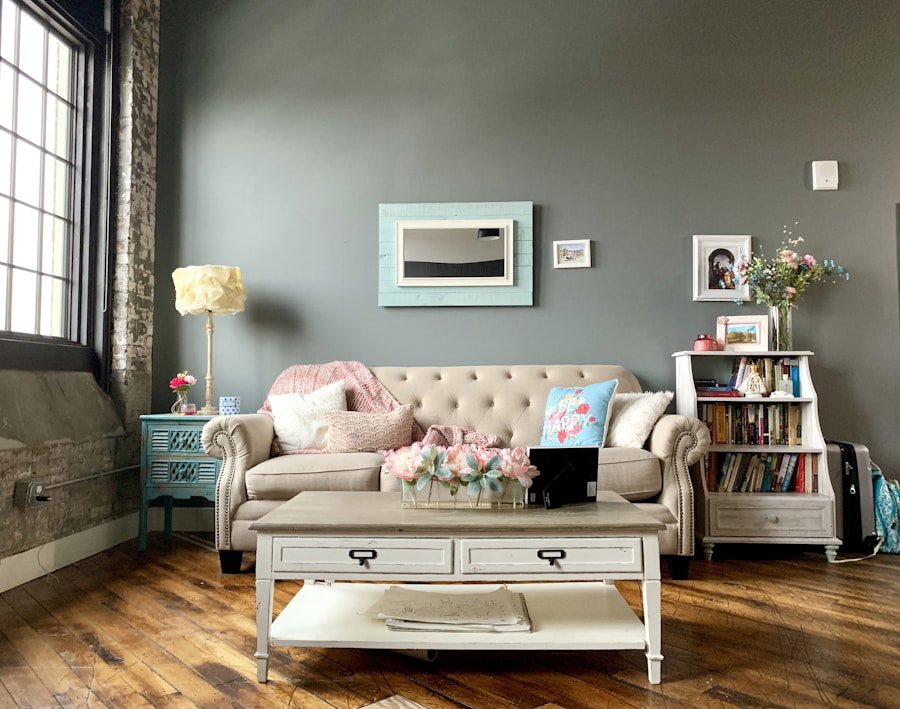
Photo by Sophia Kunkel on Unsplash
Which Upholstery Fabrics Trap the Most Allergens?
The fabrics most likely to hold onto allergens are the ones with raised, looped, or deeply textured surfaces. They're often the coziest fabrics in the room, which makes this a genuinely annoying trade-off.
- Chenille: Honestly, chenille is a beautiful fabric and criminally underrated for its softness and visual warmth. But that signature velvety pile is made of tiny looped fibers, and those loops are excellent at capturing pollen and dust particles. If you love chenille, you don't have to give it up, but plan on vacuuming it with a brush attachment two to three times per week during peak pollen season.
- Boucle: Boucle has had a major moment in interior design over the last few years, and it earns its popularity with that textured, nubby look. The trade-off is that the curled yarn construction creates lots of tiny pockets for allergens to settle into. It's harder to clean than it looks.
- Velvet: Velvet gets a bad rap for being high-maintenance, and in allergy season, some of that reputation is deserved. The dense pile traps fine particles effectively. That said, velvet vacuums reasonably well if you go with the grain of the pile, and solution-dyed velvet options are increasingly available that resist staining and moisture, which at least helps with cleaning.
- Corduroy: The ribbed texture of corduroy creates channels that collect dust and pollen along their length. It's not the worst offender on this list, but it's not the easiest to keep clean either.
- Woven and Jacquard fabrics: These can vary a lot depending on the specific weave tightness. Loosely woven jacquards or open-weave structures trap more particles. Tighter weaves perform significantly better.
The takeaway here isn't that you should avoid all textured fabrics forever. It's that if allergy season hits hard in your household, these materials require more consistent maintenance to stay clean and allergen-reduced.
What Are the Best Upholstery Fabrics for Allergy Season?
The best upholstery fabrics for allergy season are smooth, tightly woven, or non-porous materials that don't give pollen and dust particles a place to settle. Faux leather, vinyl, tightly woven linen, and solution-dyed synthetic fabrics consistently outperform textured naturals in this category.
Here's how the better-performing options break down:
- Faux leather: This is genuinely one of the most practical choices for allergy-prone households. Faux leather has a non-porous surface that doesn't absorb pollen, dust, or pet dander. A damp cloth removes most allergens quickly. It also tends to be very durable, often tested at 100,000 double rubs or more. A double rub count, by the way, is the industry standard way to measure fabric wear resistance: one double rub equals the fabric being rubbed back and forth once, and higher numbers mean longer-lasting material. Faux leather at 100,000+ double rubs is built for real life with kids and pets.
- Vinyl: Vinyl performs similarly to faux leather in terms of allergen resistance. It's fully wipeable, moisture-resistant, and extremely easy to sanitize. It tends to have a harder, more clinical look than faux leather, but modern vinyl options have come a long way in terms of texture and visual appeal.
- Tightly woven linen: Linen is a natural fiber, which surprises some people in this context. The key is weave tightness. A high-density linen weave doesn't give pollen much to grab onto, and linen has a natural breathability that resists moisture buildup (which in turn discourages dust mite activity). Linen also has a natural anti-static quality, meaning it attracts less airborne dust than many synthetic fabrics.
- Solution-dyed acrylic: Solution-dyed acrylic is a synthetic fabric where the color is added to the fiber before it's woven, rather than applied as a surface dye afterward. This process produces a very dense, stable fiber structure that resists moisture, mold, and allergen penetration. It's commonly used in performance upholstery and outdoor furniture for exactly this reason.
- Performance fabrics with tight weave structures: Many modern performance upholstery fabrics are engineered specifically to be stain-resistant and easy to clean. Look for fabrics with a Martindale abrasion rating above 25,000 (the Martindale test measures wear resistance using a circular rubbing motion, similar to real-world friction on a sofa cushion). Higher-rated performance fabrics often have tighter weave structures that naturally limit allergen buildup.
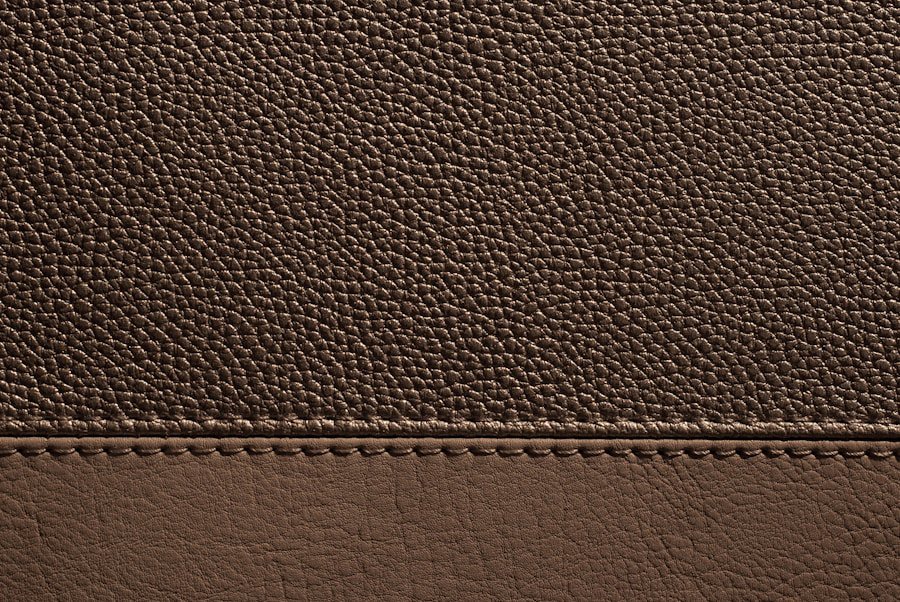
Photo by Olga Kovalski on Unsplash
How Fabric Color Affects Allergen Visibility During Spring
This one doesn't get talked about enough. Fabric color won't change how many allergens a material traps, but it absolutely changes how quickly you notice when cleaning is overdue. And during pollen season, that visual feedback matters.
Light neutrals like cream, beige, and white will show yellow or green pollen quite visibly, which actually works in your favor. You'll know it's time to vacuum or wipe down before allergen levels build up significantly. On the flip side, if you choose a pale fabric, you'll want to be confident it's easy to clean.
Darker fabrics in navy, charcoal, or deep green can hide pollen visually, but that's not necessarily a good thing during allergy season. Out of sight doesn't mean gone. Dust and fine pollen can accumulate on a dark velvet sofa for days before you notice it visually.
A practical middle ground is going with mid-tone solids or subtle patterns in fabrics that you know clean well. A medium grey linen or a warm taupe faux leather gives you visual flexibility without hiding allergen buildup entirely.
Practical Cleaning Habits That Make Any Fabric More Allergy-Friendly
Even the best fabric choice doesn't eliminate the need for regular maintenance during spring. A few habits make a real difference:
- Vacuum upholstered furniture two to three times per week during peak pollen season. Use an upholstery attachment with a brush, and go with the grain of the fabric pile where applicable.
- Keep windows closed on high-pollen-count days, especially in the morning when pollen release peaks. Yes, this means your sofa benefits from you checking the pollen forecast.
- Wash removable cushion covers every two to three weeks in spring. Hot water above 130 degrees Fahrenheit kills dust mites and removes pollen effectively.
- For smooth-surface fabrics like faux leather or vinyl, a weekly wipe-down with a slightly damp microfiber cloth removes surface allergens before they accumulate.
- Consider a HEPA-filter vacuum specifically for upholstery. Standard vacuums can redistribute fine particles back into the air; a HEPA filter captures them.
The honest truth is that no fabric is completely allergen-proof. What you're really choosing is how much effort it takes to keep allergens under control, and how forgiving your furniture is when life gets busy and cleaning falls behind.
Matching Your Fabric Choice to Your Household's Real Life
Fabric performance during allergy season doesn't exist in isolation from everything else you need your furniture to do. Here's a quick way to think through the trade-offs based on your actual situation:
- Pets and kids plus allergy concerns: Faux leather or performance vinyl is probably your most practical option. It handles allergens, spills, claws, and crumbs all at once. Look for options rated at 100,000 double rubs or higher for maximum durability.
- Allergy concerns but you want a warm, lived-in look: Tight-weave linen in a natural tone gives you the cozy aesthetic without the deep fiber trap of chenille or boucle. It's genuinely one of the better all-around choices for allergy season.
- You love texture and won't give it up: Go for it, but choose a textured fabric with a tighter underlying weave structure, and commit to consistent vacuuming. A tightly constructed jacquard or a lower-pile velvet in a performance fabric is a better compromise than a loose boucle.
- Budget is a real factor: Vinyl is typically one of the more affordable options and one of the easiest to maintain for allergen control. You get a lot of practical performance for the price.
Spring is a genuinely good time to reassess your upholstery situation. Whether you're reupholstering a tired armchair, replacing a sofa, or just buying yardage to refresh a piece, allergen performance is worth building into your decision from the start rather than figuring out after the fact.
Frequently Asked Questions
Q: What is the best upholstery fabric for allergy sufferers?Faux leather and tightly woven linen are the best upholstery fabric choices for allergy sufferers. Faux leather has a non-porous surface that doesn't trap pollen or dust, making it easy to wipe clean, while tightly woven linen naturally resists allergen buildup and has anti-static properties that reduce airborne dust attraction.
Q: Does velvet upholstery make allergies worse?Velvet can contribute to allergen buildup because its dense pile traps pollen, dust, and pet dander more readily than smooth fabrics. Regular vacuuming with a brush attachment, going with the grain of the pile, helps manage this, but velvet generally requires more frequent maintenance than low-pile or smooth fabrics during allergy season.
Q: How often should I clean my upholstery during spring allergy season?During peak pollen season, upholstered furniture should be vacuumed two to three times per week. Removable cushion covers benefit from washing every two to three weeks in hot water above 130 degrees Fahrenheit, which removes pollen and eliminates dust mites. Smooth-surface fabrics like faux leather or vinyl can be wiped down weekly with a damp microfiber cloth.