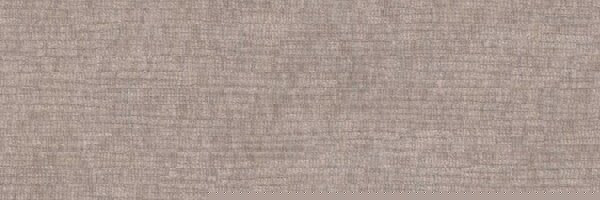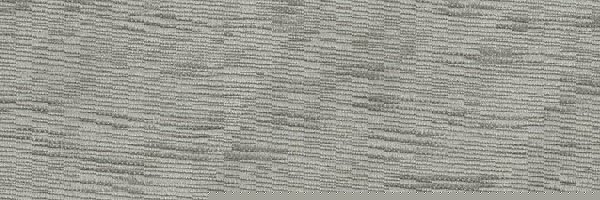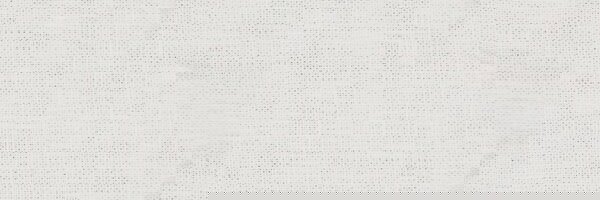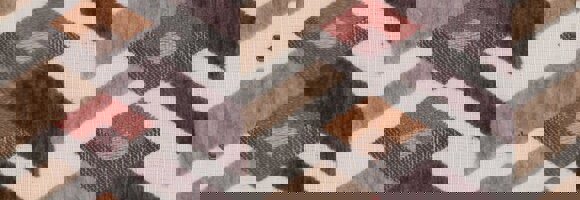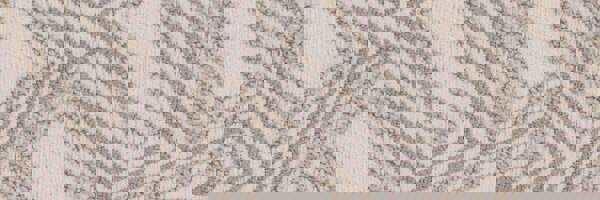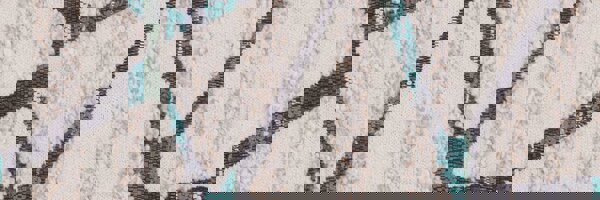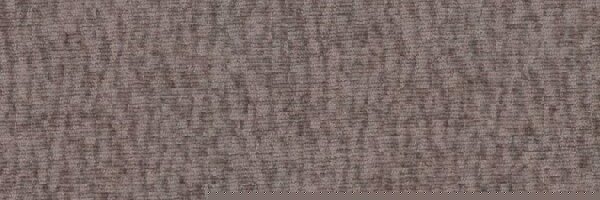
Winter typically calls for dark, moody upholstery fabrics—think deep charcoal, rich navy, and forest green. But 2025 is challenging that convention. Smart homeowners and interior designers are discovering that cream and beige upholstery fabrics aren't just summer backups; they're powerful winter statements when chosen and styled correctly.
If you've been avoiding light neutrals because you worry they'll feel cold or show every stain during the cozy season, it's time to reconsider. The key is understanding texture, undertone, and placement.
Why Warm Neutrals Work Better Than Cool Grays This Winter
While gray has dominated winter palettes for years, cream and beige fabrics actually create more genuine warmth in your space. Gray can feel sterile and cold, especially under winter's limited natural light. Cream and beige, by contrast, reflect light softly and create an inviting atmosphere that makes your home feel more lived-in and comfortable—exactly what winter demands.
The psychological benefit? Warm neutrals feel like a hug, while cool grays feel like a waiting room. When you're spending more time indoors during winter months, this difference matters.
Choosing Textured Cream and Beige Over Flat Weaves
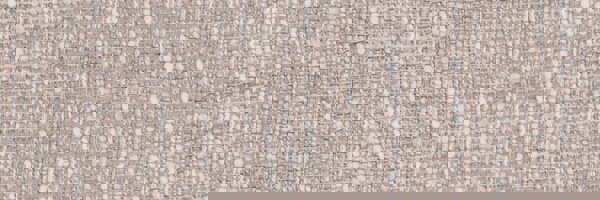
The game-changer for winter cream and beige upholstery is texture. Flat, smooth fabrics in these colors can look boring or, worse, dingy. Instead, look for:
- Boucle in cream: The looped texture adds visual interest and hides minor wear beautifully
- Chenille in warm beige: Soft, durable, and naturally stain-resistant—perfect for winter entertaining
- Jacquard in cream tones: Subtle woven patterns add sophistication without screaming "trend"
- Linen blends in natural beige: The slubs and irregularities in linen create depth that pure beige lacks
- Woven textures: Any cream or beige fabric with visible weave structure will photograph better and wear better than smooth options
Texture is your secret weapon. It prevents these light neutrals from looking flat or institutional, and it gives them the same visual weight as darker fabrics.
Strategic Placement: Where Cream and Beige Shine in Winter Spaces
Not every room in your home is ideal for light upholstery during winter. Use these guidelines:
- Living rooms with good natural light: Perfect for cream upholstery. The windows will brighten the space naturally.
- Formal sitting areas: Beige upholstery signals elegance and restraint—ideal for spaces meant to feel curated
- Home offices: Cream fabrics reduce visual fatigue and create a calm work environment
- Bedrooms: Warm beige upholstered headboards or accent chairs feel cozy without being heavy
- High-traffic family rooms: Save the palest creams for lower-traffic spaces. Choose warmer, more forgiving beiges instead
Protecting Your Investment: Winter Care for Light Upholstery
Let's address the elephant in the room: stains. Winter brings mud, coffee, and wine into homes at higher rates. Here's how to protect cream and beige upholstery:
- Apply professional fabric protection treatments before use
- Use throw pillows and blankets strategically to protect high-contact areas
- Keep upholstery cleaner and a lint roller nearby
- Choose performance fabrics blended with solution-dyed fibers for better stain resistance
- Consider Crypton or similar finish technologies that resist stains at the fiber level
Pairing Warm Neutrals with Winter Accents
The beauty of cream and beige upholstery is their versatility. Layer winter textures on top: deep green velvet pillows, burgundy throws, and metallics create a sophisticated winter palette. This approach lets you enjoy warm, inviting upholstery while still honoring the season's color psychology.
Think of your upholstery as the foundation, not the whole outfit. Winter accessories and accents do the heavy lifting for seasonal style.
The Bottom Line
Choosing cream and beige upholstery fabrics for winter isn't about trend-chasing—it's about creating spaces that feel genuinely comfortable during months when you spend the most time indoors. Prioritize texture, protect your investment, and pair these warm neutrals with bold winter accents for a look that's both timeless and current.
Your cozy winter retreat starts with the right upholstery fabric.