
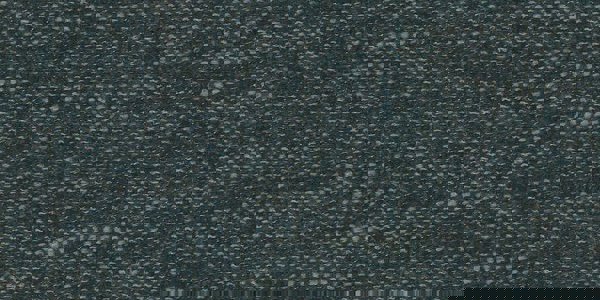
Spring upholstery fabric shopping hits differently when you're working with a real-world budget. You want something that looks like you spent more than you did, holds up to the chaos of daily life, and doesn't read "clearance bin" the moment someone sits down on it. Good news: the gap between affordable fabric and genuinely great fabric has never been smaller. If you know what to look for, you can absolutely get a premium result at a practical price.
This guide covers the fabric types worth your attention this spring, what to check before you buy, and how to build a layered, designer-feeling room by being strategic about where you spend and where you save.
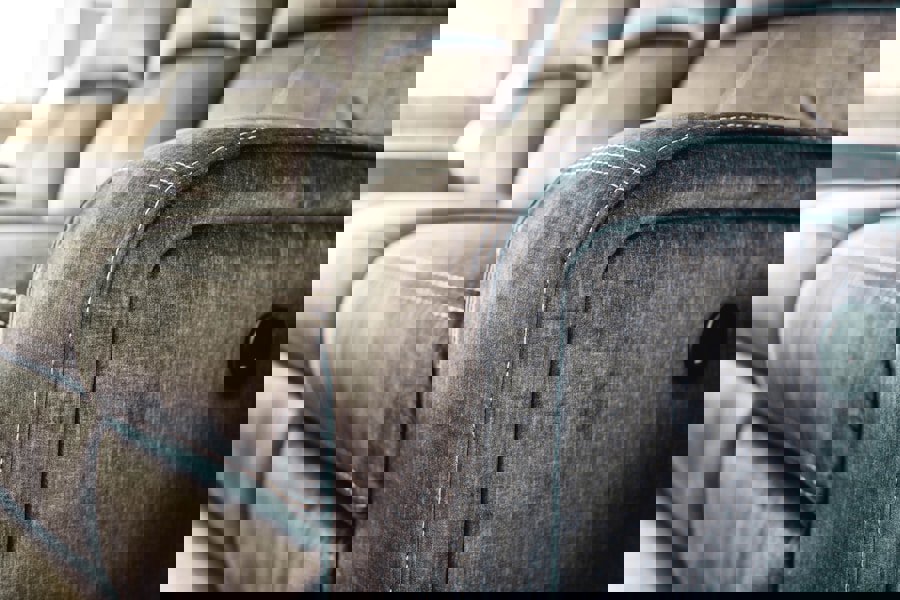
Photo by Chelsea fern on Unsplash
What Makes an Upholstery Fabric Actually Worth Buying on a Budget?
A low price only makes sense if the fabric lasts. The single most useful number to know when buying upholstery fabric is the double rub count. This measures how many times a piece of fabric can be rubbed back and forth before it starts to break down. For everyday residential furniture, you want a minimum of 15,000 double rubs. Fabrics rated at 25,000 or higher are considered heavy-duty for home use, and anything hitting 30,000 and above crosses into commercial-grade territory.
Here's the thing: plenty of affordable fabrics clear that 25,000 mark easily. Chenille, woven polyester blends, and microfiber options regularly hit those numbers at a fraction of what you'd pay for a specialty fabric. So when you're comparing options, don't skip past the spec sheet. A fabric with a 30,000 double rub count that costs less per yard than a trendy designer textile is, honestly, the smarter buy for a couch that gets used daily.
- Double rub count of 15,000+ for light-use furniture like bedroom chairs or accent pieces
- 25,000+ double rubs for sofas, sectionals, and dining chairs in regular use
- 30,000+ double rubs for households with kids, pets, or just high traffic
- Fiber content matters too: polyester and polyester blends resist staining and fading better than many natural fibers at the same price point
One more thing to check: whether a fabric is solution-dyed. Solution-dyed means the color is built into the fiber itself during manufacturing rather than applied to the surface afterward. That makes it significantly more resistant to fading from sunlight and cleaning products. For spring, when you're probably opening windows and getting more light into the room, this is a genuinely useful feature to prioritize.
The Best Affordable Upholstery Fabrics to Consider This Spring
Not all budget-friendly fabrics are created equal. Some look cheap five minutes after you install them. Others age beautifully and hold up to real life for years. Here are the options worth your attention right now.
Chenille
Honestly, chenille is criminally underrated as a budget fabric. It has a soft, plush texture that reads as luxurious, it comes in a wide range of colors and neutrals, and quality chenille blends regularly achieve double rub counts of 20,000 to 30,000. The fiber construction, with its looped pile, naturally resists snagging better than many comparable fabrics. It's a strong pick for sofas and armchairs where you want warmth and comfort without a velvet price tag.
Polyester and Polyester Blends
Polyester doesn't always get the credit it deserves. Modern polyester upholstery fabrics are soft, colorfast, easy to clean, and routinely rated at 25,000 to 50,000+ double rubs depending on the construction. They're also typically the most affordable option per yard. Look for woven polyester fabrics with a tighter weave for better durability. Blends that combine polyester with a small percentage of cotton or linen give you the performance of poly with a slightly more natural hand feel.
Microfiber
Microfiber is one of the most practical choices for pet owners and families with young kids. The ultra-fine fibers create a tight, dense surface that resists liquid absorption and makes most spills easy to blot away before they set. It also tends to resist pet hair better than looped or textured fabrics. Suede-finish microfiber, in particular, gives a polished look that doesn't telegraph its budget-friendly price point.
Velvet (the Affordable Kind)
Velvet gets a bad rap for being high-maintenance and expensive. And yes, silk velvet is both of those things. But polyester velvet? That's a different story. It captures the same visual richness, the way light plays across the pile, the depth of color, and it does it at a fraction of the cost. It's also more forgiving with cleaning than silk or cotton velvet. Spring is actually a great time for velvet because deeper tones like dusty blue, sage green, and warm terracotta are trending right now and all of them show up beautifully in velvet pile.
Faux Leather and Vinyl
For households where spills are inevitable, faux leather and vinyl fabrics are genuinely practical. Modern faux leather has improved dramatically in texture and appearance. Many options now mimic the grain and feel of genuine leather closely enough that casual observers won't notice the difference. They wipe clean in seconds, they don't absorb odors, and they're typically among the most affordable options in any fabric collection. Just check that the backing is stable and look for options with a higher denier count, which indicates a thicker, more durable material.
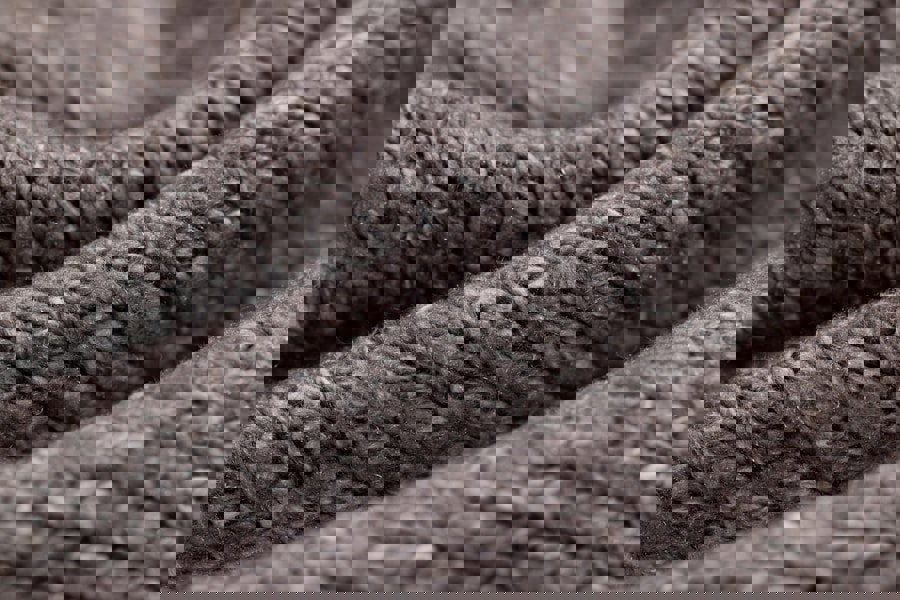
Photo by engin akyurt on Unsplash
How Do You Mix Budget Fabrics With Investment Pieces for a Designer Look?
The best-looking rooms aren't the ones where everything cost the most. They're the ones where the choices look intentional. The trick is to be deliberate about where you spend and where you save, then make sure the pieces work together through color, texture, and scale.
A practical approach: anchor the room with one quality piece, your main sofa or a statement armchair, upholstered in a fabric with real longevity and presence. Then use budget-friendly fabrics for accent pieces, dining chairs, ottomans, and throw pillows. Because those smaller pieces get less wear and are easier to reupholster or replace, the cost-per-use math works in your favor.
- Anchor piece: invest in a durable woven or jacquard fabric with a high double rub count and good color depth
- Accent chairs: pull a color from your anchor piece and use a budget chenille or polyester velvet in that tone
- Ottoman or bench: a solid-colored microfiber or faux leather is practical and low-cost without looking like a compromise
- Throw pillows: this is where you can afford to experiment with texture, pattern, and trend pieces because the stakes are low
Also, pay attention to scale. A large-scale woven pattern on a budget fabric can look every bit as intentional as an expensive designer print if the colors are cohesive and the proportions work with the rest of the room. Stripes, geometric weaves, and solid textured fabrics are especially good at reading as deliberate and styled rather than "I bought what was on sale."
Performance Tips That Get Maximum Life From Budget Upholstery Fabric
The fabric is only part of the equation. How you care for it determines how long it actually lasts. A few habits make a real difference.
- Rotate cushions regularly. If your cushions are reversible, flip and rotate them every few weeks. Even wear distribution extends fabric life significantly.
- Address spills immediately. Blot, don't rub. Rubbing pushes the liquid deeper into the fibers and enlarges the stain. A clean dry cloth pressed firmly is almost always the right first move.
- Use a fabric protector spray. Products like Scotchgard create a temporary barrier that slows liquid absorption. Reapply every 12 to 18 months for best results.
- Keep direct sunlight in check. UV exposure fades fabric faster than almost anything else. If your furniture sits in a sunny spot, consider UV-filtering window film or reposition pieces seasonally.
- Vacuum upholstery weekly. Dirt and grit act like sandpaper on fabric fibers over time. A quick pass with an upholstery attachment removes abrasive particles before they cause wear.
One more practical note on cleaning codes: most upholstery fabrics come with a cleaning code on the label. "W" means water-based cleaners are safe. "S" means solvent-based only. "WS" means either works. "X" means vacuum only. Knowing your fabric's code before you reach for a cleaning product saves you from accidentally damaging a fabric that was otherwise in great shape.
Spring Color and Texture Trends Worth Knowing Right Now
Spring 2025 is leaning into soft warmth and natural texture. Cream, warm beige, and terracotta are showing up heavily in living room refreshes, often paired with deeper accent tones like forest green, dusty blue, or burgundy. Boucle texture has been trending for a couple of years and it's still going strong, especially for accent chairs and small sofas. Floral prints are back in a more graphic, stylized form that reads contemporary rather than traditional.
The practical upside of these trends for budget shoppers is that most of them translate beautifully to affordable fabrics. A cream chenille, a soft blue polyester velvet, a woven stripe in warm neutrals: all of these deliver the current aesthetic without requiring a specialty fabric budget. Spring is genuinely one of the better times to shop because seasonal restocks bring fresh colorways into collections, and end-of-season clearance on winter fabrics can mean excellent prices on deep greens, greys, and rich browns that work year-round.
Frequently Asked Questions
Q: What is the most durable budget upholstery fabric for a couch with kids and pets?Microfiber and polyester blends are the most durable budget-friendly options for high-traffic households. Look for a double rub count of at least 25,000 and a tight weave construction. Microfiber resists liquid absorption and pet hair, while solution-dyed polyester resists fading from cleaning and sunlight. Both are easy to maintain and widely available at affordable price points.
Q: How much upholstery fabric do I need to reupholster a standard sofa?A standard three-seat sofa typically requires between 12 and 15 yards of upholstery fabric, depending on the frame style, cushion count, and whether the fabric has a repeat pattern that requires matching. Sofas with tufted backs or rolled arms may need more. If you're working with a patterned fabric, add an extra yard or two to account for pattern alignment across cushions and panels.
Q: Can I use drapery fabric for upholstery to save money?It's generally not recommended. Drapery fabrics are woven and finished for hanging, not for the friction and compression that upholstery takes. They typically have much lower double rub counts, often under 10,000, which means they'll wear through quickly on a seat or arm. Upholstery-rated fabric is specifically constructed to handle that kind of stress. The short-term savings aren't worth the faster wear.