
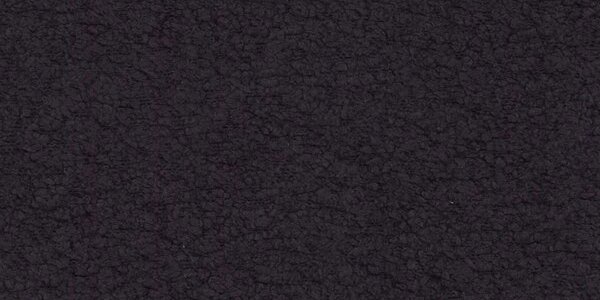
Choosing the right spring upholstery fabric for your furniture is one of those decisions that feels simple until you're standing in a room with a beautiful new chaise that pills after two months, or a sectional that looks dingy before summer even starts. The truth is, fabric performance is deeply tied to how a piece of furniture actually gets used. A wingback chair in a quiet reading corner has completely different demands than a sectional that your kids treat like a trampoline. This guide walks you through exactly which fabrics make sense for each furniture type, so you're not just picking something pretty. You're picking something that works.
Why Furniture Function Should Drive Your Fabric Choice
Every piece of furniture in your home has a job. Sectionals absorb a lot of daily traffic. Wingback chairs tend to be more decorative and lightly used. Chaise lounges fall somewhere in between, often doubling as a lounging spot and a visual anchor in a room. The fabric you choose needs to match that job description.
A good starting point is understanding double rub count. This is a measurement of how many times a fabric can be rubbed back and forth before it starts to show wear. Think of it as a stress test for your sofa. A count of 15,000 is considered residential grade. Anything over 30,000 is considered heavy-duty and is a smart call for high-traffic pieces. For context, some performance fabrics test well above 50,000 double rubs, which is where you want to be if pets or children are part of the picture.
Spring is also a good time to reassess your fabric choices because the light shifts. Natural daylight in spring is brighter and more revealing than winter light, which means colors and textures that felt cozy in January might feel heavy or dated by April. Lighter weaves, fresher tones, and breathable textures all get a new life this time of year.
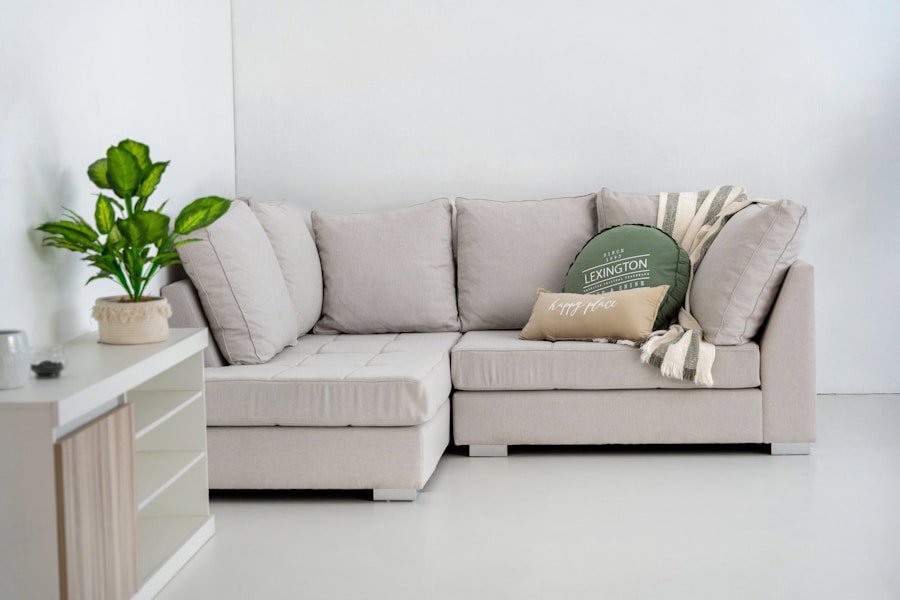
Photo by Costa Live on Unsplash
What Are the Best Upholstery Fabrics for a Sectional?
For a sectional, durability and cleanability are the top priorities. A sectional with a double rub count below 25,000 is going to show its age fast in most households.
Sectionals take more abuse than almost any other piece of furniture. Multiple people sit on them daily, kids sprawl across them, pets claim their favorite corner, and snacks happen. This is not the place to experiment with a delicate or high-maintenance fabric.
Here are the fabrics that genuinely perform well on sectionals:
- Performance chenille: Honestly, chenille is criminally underrated. It's soft, it looks expensive, and modern performance versions are surprisingly stain-resistant. Look for chenille with a double rub count of at least 30,000.
- Woven fabrics: Tightly woven constructions, especially those with a blend of synthetic fibers, resist pilling and hold their shape through years of use. A woven fabric with a structured texture also hides minor wear better than a flat weave.
- Faux leather and vinyl: If you have pets or very young kids, these are worth serious consideration. They wipe clean in seconds and don't absorb odors. Faux leather has come a long way and can look genuinely sophisticated in a modern living room.
- Solution-dyed acrylic: This is a fiber where the color is locked in during the manufacturing process, not applied to the surface afterward. That means it resists fading from sunlight and is much easier to clean with mild soap and water. It's one of the most durable choices for a high-use sectional.
For spring specifically, mid-tone blues, warm greens, and soft greys are trending for sectionals right now. They read as fresh and current without being trendy in a way you'll regret in two years. A solid or subtle stripe in any of these tones gives you a clean foundation you can layer with seasonal throw pillows.
What Upholstery Fabric Works Best for a Wingback Chair?
A wingback chair is one of the few pieces of furniture where aesthetics can lead and durability can follow, because it typically sees much lighter use than a sectional.
Wingbacks are statement pieces. They anchor a corner, frame a fireplace, or create a reading nook with personality. Because they're used less intensively, you have more latitude to choose a fabric that prioritizes look and feel over brute-force durability. That said, you still want something that holds its shape and doesn't fade.
Top fabric choices for wingback chairs this spring:
- Velvet: Velvet gets a bad rap for being fussy, but modern velvet upholstery fabrics are much more resilient than people expect. A crushed or performance velvet adds real depth and richness to a wingback. In spring, dusty pink, sage green, and warm terracotta velvet are all having a genuine moment.
- Jacquard: Jacquard is a woven fabric with a pattern built directly into the weave, not printed on top. That means the design doesn't crack or fade over time. A botanical or geometric jacquard on a wingback looks considered and intentional without being fussy.
- Boucle: Boucle has exploded in popularity over the last couple of years, and for good reason. Its looped, textural surface reads as warm and modern at the same time. It works beautifully on a wingback because the chair's structured silhouette balances the relaxed texture of the fabric.
- Linen blends: A linen or linen-look fabric in cream, warm white, or natural brings a clean, airy quality that feels perfectly calibrated for spring. Pure linen wrinkles, so look for a linen-cotton or linen-polyester blend for better performance.
One thing to keep in mind with wingbacks: the outside back and arms are visible surfaces. Choose a fabric with a consistent texture or pattern that looks intentional from every angle, not just the front.

Photo by David Briggs on Unsplash
Choosing Upholstery Fabric for a Chaise Lounge
A chaise lounge needs to balance comfort against durability, because it gets used as both a decorative piece and an actual resting spot.
People lie on chaise lounges. They nap on them, read on them, and sometimes pile them with throw blankets and decorative pillows. That puts specific demands on the fabric: it needs to feel good against skin, hold up to repeated contact along the seat and back, and still look polished as part of your room's overall aesthetic.
Here's what tends to work well:
- Soft wovens and chenille: The same qualities that make chenille good for a sectional make it comfortable for a chaise. It's soft enough for bare arms and legs and durable enough to handle regular use.
- Suede and faux suede: Real suede is high maintenance, but faux suede gives you that same soft, napped surface with much better stain resistance. It's a genuinely luxurious feel for a lounging piece.
- Cotton blends: Cotton breathes well, which matters on a chaise because you're often in close contact with the fabric for extended periods. A cotton-polyester blend gives you the breathability of cotton with better durability and wrinkle resistance.
- Floral or botanical prints: Spring is the natural season for floral prints, and a chaise is one of the best places to commit to a bolder pattern. Because it's typically a single piece rather than a large sectional, a floral chaise can be a real focal point without overwhelming the room.
For a chaise lounge, fabric weight matters more than people realize. A medium-weight fabric, roughly 12 to 16 ounces per yard, drapes and wears well without being stiff or sliding around on the frame.
Quick Comparison: Fabric Priorities by Furniture Type
- Sectional: Prioritize high double rub count (30,000+), stain resistance, easy cleaning. Consider solution-dyed acrylic, performance chenille, faux leather, or woven blends.
- Wingback chair: Aesthetic impact leads. Look for jacquard, velvet, boucle, or linen blends. Durability is less critical but still aim for 15,000+ double rubs.
- Chaise lounge: Balance softness and durability. Cotton blends, faux suede, and soft wovens work well. Medium fabric weight performs best.
Spring is genuinely one of the best times to reupholster or refresh a piece of furniture. The season's lighter palette and trend toward natural textures mean there's a wide range of beautiful, practical fabric options available right now. You don't have to choose between something that looks good and something that holds up. At Famcor Fabrics, you'll find fabrics across all of these categories, with options that work for real homes and real budgets.
Frequently Asked Questions
Q: What is the most durable upholstery fabric for a sectional with kids and pets?Solution-dyed acrylic and performance chenille are two of the most durable choices for high-traffic sectionals. Both offer double rub counts well above 30,000, resist staining, and clean easily with mild soap and water. Faux leather and vinyl are also excellent options if you want something that wipes down completely clean.
Q: Can you use velvet on a wingback chair if you have pets?Yes, with the right type of velvet. Performance or synthetic velvet fabrics are significantly more resistant to pet hair and wear than traditional velvet. Look for a tightly woven velvet with a double rub count of at least 20,000, and use a lint roller or upholstery brush regularly to keep the pile looking its best.
Q: What upholstery fabric is most comfortable for a chaise lounge?Faux suede and cotton-blend fabrics tend to be the most comfortable for a chaise lounge because they feel soft against skin and breathe well during extended use. A medium-weight fabric in the 12 to 16 ounce per yard range drapes naturally and holds up to regular lounging without feeling stiff or shifting on the frame.