
Spring entertaining is one of those beautiful, chaotic things. The windows are open, people are coming and going, kids are running in from the backyard, and someone always manages to put a glass of red somewhere it absolutely should not be. If your upholstery fabric isn't built for high-traffic spring entertaining spaces, you're going to feel it by the time Memorial Day rolls around. The good news is that the right fabric can take everything the season throws at it and still look great. You just have to know what to look for.
What Makes an Upholstery Fabric Actually High-Traffic Ready?
A high-traffic ready upholstery fabric is one that resists staining, holds up to repeated friction and use, and cleans up easily without requiring professional help. The two performance benchmarks worth knowing are the double rub count and the Martindale abrasion rating.
A double rub count measures how many times a fabric can be rubbed back and forth before it starts to break down. Think of it as a friction endurance test. For a family living room or any space that sees regular entertaining, you want a minimum of 30,000 double rubs. Truly heavy-use spaces benefit from fabrics rated at 50,000 or higher. The Martindale abrasion test works similarly but uses a circular motion, and it's especially common in performance fabric ratings for commercial and residential use.
Beyond abrasion resistance, stain resistance comes down to fiber type and finish. Solution-dyed acrylic fabrics, for example, have color built into the fiber itself rather than applied on the surface, which makes them significantly more resistant to staining and fading. Many performance fabrics also carry treatments like Teflon or Crypton finishes that cause liquid to bead up on the surface instead of soaking in.
Here's the thing: you don't need a commercial-grade spec sheet to make a smart choice. You just need to know which fabric categories perform well and which ones need more babysitting than a spring gathering allows.
Photo by Francesca Tosolini on Unsplash
The Best Fabric Types for Spring Entertaining Spaces
Not all fabrics are created equal when it comes to surviving a season of gatherings. These are the ones worth taking seriously.
Performance Velvet
Velvet gets a bad rap as a fussy, delicate choice. Modern performance velvet is a completely different story. Today's velvet fabrics are typically made from polyester or a polyester-nylon blend, which gives them a tight, crush-resistant pile that bounces back after use. A quality performance velvet can hit 100,000 double rubs or more. It's also surprisingly easy to wipe down, and it adds real visual richness to a living room without screaming "don't sit here." Spring colors like dusty blue, sage, and warm terracotta are having a big moment right now, and velvet carries them beautifully.
Chenille
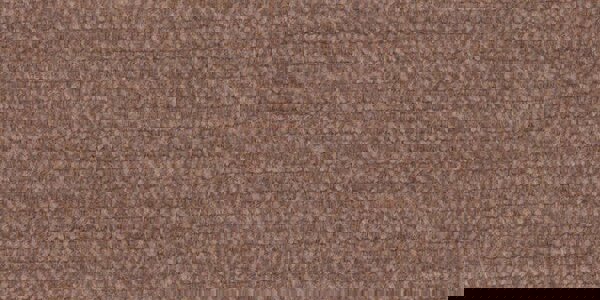
Honestly, chenille is criminally underrated for family spaces. The texture is soft and inviting, which guests love, but the woven structure is genuinely tough. Chenille fabrics typically rate between 30,000 and 60,000 double rubs depending on the weave density and fiber content. A chenille with a high polyester content will resist pilling and wear far better than a loose, low-density weave. It also tends to hide minor crumbs and surface debris between cleanings, which is a quiet but real benefit when you're hosting regularly.
Faux Leather and Vinyl
If you have young kids or pets at your spring gatherings, faux leather and vinyl deserve serious consideration. Both materials are non-porous, meaning spills sit on the surface and wipe clean in seconds. High-quality faux leather is often backed with a fabric substrate that adds structure and prevents cracking, and it can easily achieve 50,000 to 100,000 double rubs. Vinyl is similarly durable and typically the more budget-friendly option. Neither one breathes the way woven fabrics do, which can be a consideration in warmer months, but for pure cleanability they're hard to beat.
Woven and Jacquard Fabrics
Woven upholstery fabrics, including jacquards, are structurally strong because the pattern is built into the weave itself rather than printed on top. That means the design won't fade or peel the way a surface print can over time. Polyester-based wovens and jacquards in particular offer excellent abrasion resistance and hold color well through cleaning cycles. Look for tightly woven constructions with a higher thread count for the best performance in high-use spaces.
Linen Blends
Pure linen wrinkles and stains more easily than most people want to deal with during entertaining season. A linen blend, typically linen mixed with polyester or acrylic, gives you the relaxed, airy look that works so well in spring spaces while adding the durability and soil resistance that pure linen lacks. If the spring aesthetic is important to you but you want actual performance, a linen blend is the practical middle ground.
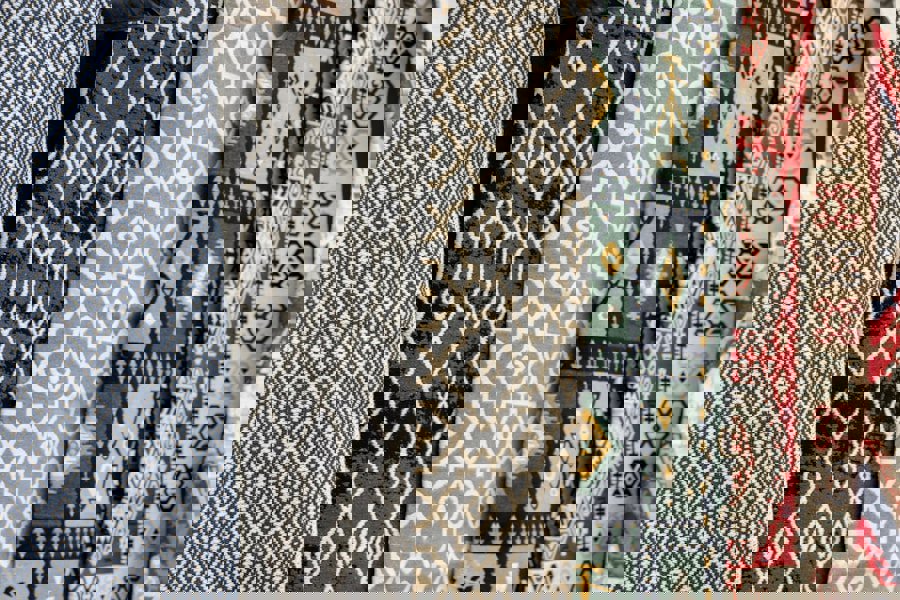
Photo by Georgii Eletskikh on Unsplash
What Are the Easiest Upholstery Fabrics to Clean?
The easiest upholstery fabrics to clean are faux leather, vinyl, and performance fabrics treated with stain-resistant finishes. These materials allow liquid spills to be blotted or wiped away before they can penetrate the fiber.
For woven fabrics, cleaning ease comes down to the fiber content and any applied finish. Most performance fabrics sold today carry a cleaning code on the label. W means water-based cleaning is safe. S means solvent-based cleaners only. WS means either works. O means dry-clean or organic solvent only. Buying a fabric with a W or WS code is the practical move for a household that entertains regularly.
A few additional things to keep in mind:
- Blot spills immediately rather than rubbing them. Rubbing pushes the stain deeper into the fiber.
- Test any cleaning product on a hidden area first, even if the fabric claims to be stain resistant.
- Removable cushion covers are a major practical advantage. If your furniture allows for it, choosing a fabric that can be zipped off and laundered saves a lot of stress.
- Darker colors and multi-toned or textured patterns hide light staining and everyday wear better than pale solids. A cream linen sofa is beautiful until someone sits down with sunscreen on their legs.
Spring Entertaining Fabric Choices by Room
Where you're entertaining matters as much as how many people you're expecting. Here's a quick breakdown by space:
- Living room sofas and sectionals: Performance velvet, chenille, or a tightly woven polyester jacquard. Aim for 50,000 double rubs or higher for the main seating.
- Dining chairs: Faux leather or vinyl for easy wipe-down after meals. If you prefer fabric, choose a solution-dyed or treated performance fabric with a W cleaning code.
- Accent chairs and ottomans: You have more flexibility here since these get less daily friction. A linen blend, boucle, or decorative print fabric can shine in these lower-impact spots.
- Outdoor-adjacent spaces: If your entertaining spills onto a covered porch or sunroom, look specifically for solution-dyed acrylic or outdoor-rated fabrics. These are engineered to resist UV fading and moisture, not just spills.
One thing worth saying directly: spring entertaining doesn't mean you have to choose ugly or strictly utilitarian fabrics. Performance fabric technology has come a long way. The fabrics that perform best today also come in the color palettes and textures that are trending right now, including warm neutrals, earthy greens, layered blues, and soft terracotta tones. You don't have to sacrifice the look to get the durability.
What to Look for When Buying Upholstery Fabric for a High-Traffic Home
Before you buy, run through this short checklist:
- Double rub count: 30,000 minimum for everyday family use. 50,000 or higher for heavy use or main seating.
- Fiber content: Polyester and polyester blends tend to outperform natural fibers in stain resistance and abrasion. Solution-dyed acrylic is the gold standard for fade resistance.
- Cleaning code: W or WS for the most flexibility in household cleaning.
- Finish or treatment: Crypton, Teflon, or similar protective treatments add meaningful stain resistance to fabrics that might otherwise need more careful handling.
- Pattern scale and color: Mid-scale patterns and deeper or multi-toned colors hide wear and minor staining far better than large pale solids.
- Backing: A fabric with a tight, stable backing will hold its shape and resist stretching or sagging over time, especially important for dining chairs and tight-seat cushions.
Shop by performance category if you're unsure where to start. At Famcor Fabrics, the fabric categories make it easy to browse by color, texture, and type so you can match both the look and the performance level your space needs.
Frequently Asked Questions
Q: What is the most durable upholstery fabric for a living room with kids and frequent guests?Performance velvet, faux leather, and tightly woven polyester or chenille fabrics are the most durable choices for high-traffic living rooms. Look for a double rub count of at least 50,000 and a W or WS cleaning code for the easiest maintenance.
Q: How do I know if an upholstery fabric is stain resistant?Check for a W or WS cleaning code on the fabric label, and look for mention of stain-resistant treatments like Crypton or Teflon. Solution-dyed acrylic fabrics are also inherently more stain and fade resistant because the color is embedded in the fiber rather than applied to the surface.
Q: Can I use velvet fabric in a home where kids and pets are a daily reality?Yes, as long as you choose a performance velvet made from polyester or a polyester blend rather than a natural-fiber velvet. Performance velvet resists crushing, cleans up with a damp cloth in most cases, and can achieve double rub counts well above 50,000, making it a genuinely practical choice for family living spaces.