
If your couch has started to smell a little... lived-in by July, you're not imagining things. Heat and humidity accelerate everything, including the way fabrics absorb sweat, pet dander, and that mysterious smell that just becomes "summer." Choosing the right upholstery fabric for hot, humid conditions is one of the most practical decisions you can make as a homeowner, and it's a lot easier than you'd think once you know what to look for. The good news is that several fabric types genuinely resist moisture-trapping odors, and some of them look really good doing it.
Why Summer Heat Makes Upholstery Smell Worse
Heat doesn't create odors on its own, but it speeds up the process. When temperatures climb, fabrics absorb sweat and ambient moisture faster. Bacteria that feed on organic material, like skin cells and pet dander, multiply more quickly in warm, damp conditions. The result is that a fabric which smelled fine in March can start to feel stale by late June.
Fiber type plays a major role here. Natural fibers like wool and untreated cotton are highly absorbent. They pull moisture in and hold it close to the fiber core, which gives bacteria exactly the damp, warm environment they need. Tightly woven fabrics with dense pile, like certain velvets, compound the problem by trapping air and slowing evaporation. On the other hand, fabrics with an open weave structure or non-porous fiber surfaces allow moisture to evaporate before it has a chance to linger.
Odor retention in upholstery is a function of three things: fiber porosity, weave density, and surface texture. Understanding those three factors will take you a long way toward making a smarter fabric choice for summer.
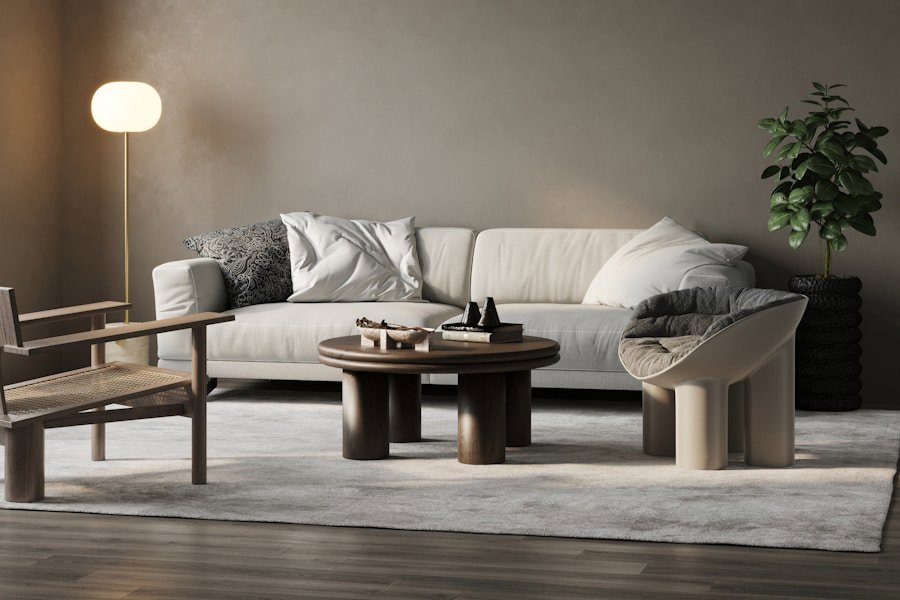
Photo by Sherzod Gulomov on Unsplash
Which Fabrics Naturally Resist Odors in Summer?
The best odor-resistant upholstery fabrics for summer are those with low fiber porosity, smooth or semi-open weave structures, and moisture-wicking or non-absorbent surfaces. Linen, solution-dyed acrylic, faux leather, and vinyl consistently outperform other options in hot, humid conditions.
Linen
Linen is one of the best natural fiber choices for warm climates, full stop. It has a naturally low moisture retention rate compared to cotton, meaning it pulls humidity away from the surface and releases it quickly rather than holding it in. The slightly open weave structure of most upholstery linen also allows airflow, which helps prevent the stagnant-moisture conditions that breed odor. Linen does wrinkle, and it's not the toughest fabric in terms of abrasion resistance, but for a spare bedroom chair or a low-traffic accent piece, it's genuinely excellent in summer.
Faux Leather and Vinyl
Faux leather and vinyl have a clear structural advantage: they're non-porous. Bacteria and moisture can't penetrate the surface the way they can with woven textiles. That's why a faux leather sofa rarely develops a deep-set odor the way an upholstered fabric sofa can. Both materials do get warm against bare skin in summer heat, which is a real trade-off, but a quick wipe with a damp cloth keeps them completely fresh. Vinyl is the more affordable option and holds up well in high-traffic households with kids or pets. Faux leather has a slightly softer hand feel and tends to look more living-room-appropriate.
Solution-Dyed Acrylic
Solution-dyed acrylic fabrics, where color is added to the fiber before it's extruded rather than dyed afterward, are inherently resistant to moisture absorption. The fiber itself has very low porosity, which means it doesn't hold onto sweat, humidity, or the bacteria that cause odors. Many outdoor-rated upholstery fabrics use solution-dyed acrylic specifically because of this property. These fabrics are also UV-stable and resistant to mold and mildew, making them a smart pick for sunroom furniture or any room that gets a lot of afternoon sun.
Chenille
Honestly, chenille is criminally underrated for this conversation. It has a reputation for being plush and cozy, which makes people assume it traps everything, but the fiber construction is actually more breathable than it looks. Modern chenille blends often include synthetic fibers that wick moisture and dry quickly. It's also one of the more durable upholstery weaves, with many chenille fabrics rated above 30,000 double rubs. A double rub count is just the industry measurement for how many times a fabric can be rubbed back and forth before it shows wear, so higher numbers mean longer life.
What Fabrics to Avoid in Hot, Humid Rooms
A few fabric types consistently struggle in summer conditions and are worth avoiding if odor control is a priority.
- Untreated cotton: High absorbency makes it a moisture magnet. It takes a long time to dry out, which creates ideal conditions for mildew and musty smells.
- Wool blends: Wool is an excellent insulator, which is exactly the wrong property in summer. It retains body heat and moisture together, which accelerates bacterial growth.
- Deep-pile velvet: Velvet gets a bad rap for a few reasons, and summer odor retention is one of them. The dense pile traps air, slows evaporation, and holds onto pet hair, dander, and dust. Not ideal for a humid August living room.
- Thick boucle: Boucle's looped texture is beautiful, but those loops trap moisture and debris. It's better suited to drier climates or air-conditioned spaces.
How Weave Structure Affects Odor Retention
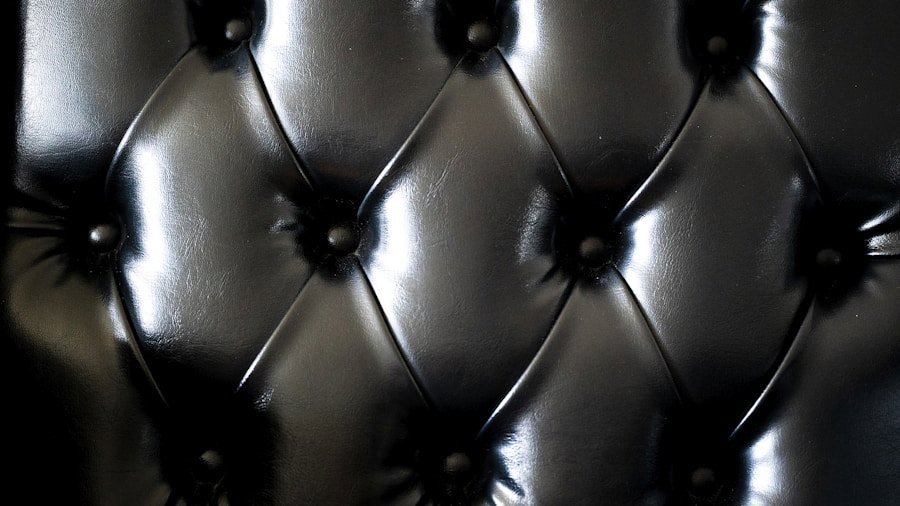
Weave structure matters almost as much as fiber type. A tight, dense weave restricts airflow and slows the evaporation of trapped moisture. An open or semi-open weave allows air to circulate between fibers, so moisture evaporates faster and odor-causing bacteria have a harder time establishing themselves.
Flat-woven fabrics like linen blends and many jacquards tend to have better airflow than pile weaves like velvet or boucle. Woven fabrics with a visible texture but no raised pile sit in a good middle ground: they have visual interest without the moisture-trapping depth of a cut pile.
Here's the thing: even the best odor-resistant fabric will struggle if it's in a room with poor ventilation. A ceiling fan, a dehumidifier, or even just cracking a window on cooler evenings makes a real difference alongside your fabric choice.
What Are the Best Maintenance Habits for Fresh-Smelling Summer Upholstery?
The best way to keep summer upholstery smelling fresh is to reduce moisture buildup at the source, dry spills immediately, and clean fabric surfaces regularly with mild, fabric-appropriate solutions rather than heavy chemical sprays.
Here are the habits that actually make a difference:
- Blot spills immediately. The longer liquid sits, the deeper it penetrates into fiber and foam. Press a clean cloth firmly onto the spill rather than rubbing, which drives moisture further in.
- Baking soda is your friend. Sprinkle a light coating over fabric upholstery, let it sit for 15 to 20 minutes, then vacuum it off. Baking soda neutralizes odor molecules without leaving chemical residue. It's safe for most upholstery fabrics and costs almost nothing.
- Vacuum weekly, especially in summer. Pet dander, skin cells, and dust accumulate faster when people are home more and windows are open. A handheld vacuum with an upholstery attachment takes about three minutes per piece of furniture.
- Rotate and flip cushions. Cushions that sit in one position compress and trap moisture unevenly. Rotating them every couple of weeks allows both sides to breathe and dry out.
- Use removable, washable covers where possible. Slipcovers and removable cushion covers you can throw in the wash are one of the easiest long-term odor management strategies, especially in homes with kids or pets.
- Keep the room ventilated. A dehumidifier in a particularly humid room reduces the baseline moisture level that fabrics absorb. This makes a bigger difference than most people expect.
Shopping for Odor-Resistant Upholstery Fabric: What to Look For
When you're browsing upholstery fabric, a few specific details in the product description will tell you a lot about how it'll perform in summer conditions.
Look for fabrics described as moisture-wicking, solution-dyed, mildew-resistant, or outdoor-rated. These terms signal fiber or finishing treatments that actively resist moisture absorption. A Martindale abrasion test rating (the European equivalent of the double rub count, measuring fabric durability under circular abrasion) above 25,000 cycles generally indicates a fabric durable enough for everyday furniture use.
Fabric blends that combine natural and synthetic fibers often hit a good balance. A linen-polyester blend, for example, gives you the breathability and aesthetic of linen with the moisture-resistance and durability of polyester. A cotton-acrylic blend works similarly. Pure natural fibers look beautiful but typically require more maintenance in summer climates.
Also, pay attention to fabric weight. Lighter-weight upholstery fabrics generally have better airflow than heavier ones at similar weave densities. That said, very lightweight fabrics may not hold up to heavy daily use, so check the double rub count before committing. For a family sofa, aim for at least 25,000 to 30,000 double rubs.
At famcorfabrics.com, you can filter by fabric type to find linen, faux leather, vinyl, and woven options that work well in warm, humid conditions. If you're not sure where to start, linen blends and faux leather are reliably good choices for summer living rooms and sunrooms.
Frequently Asked Questions
Q: What is the best upholstery fabric for humid summer conditions?Linen, faux leather, vinyl, and solution-dyed acrylic are the best upholstery fabrics for hot, humid summers. These materials have low fiber porosity or non-porous surfaces, which means they resist moisture absorption and dry quickly, reducing the conditions that cause odors to develop.
Q: How do I get rid of summer smells in fabric upholstery without chemical sprays?Sprinkle baking soda lightly over the fabric surface, let it sit for 15 to 20 minutes, then vacuum it off thoroughly. Baking soda neutralizes odor-causing molecules without leaving residue or introducing harsh chemicals, and it's safe for most upholstery fabric types.
Q: Does fabric weave affect how much a sofa smells in summer?Yes, weave structure directly affects odor retention. Dense, deep-pile weaves like velvet and thick boucle trap moisture and slow evaporation, which encourages bacterial growth and odors. Flat or semi-open weaves allow better airflow, so moisture evaporates faster and odors are less likely to develop.