
If your home gets genuinely humid in summer, the fabric on your sofa isn't a small decision. Moisture in the air does real damage over time: it settles into fibers, encourages mildew growth, and leaves furniture smelling stale by mid-July. Choosing upholstery fabric that resists summer humidity isn't just about comfort, it's one of the most practical things you can do for the lifespan of your furniture. The good news? There are excellent options at every price point, and a few of them might surprise you.
Why Humidity Is Hard on Upholstery Fabric
Fabric is porous. That's what makes it soft and comfortable, but in a humid environment, that porosity works against you. When relative indoor humidity consistently sits above 60 percent, fabrics begin to absorb airborne moisture. Over time, that retained dampness creates exactly the warm, dark, organic conditions that mold and mildew love.
Natural fibers like untreated cotton and linen are especially vulnerable because they absorb moisture readily. That doesn't make them bad fabrics, they just need more attention in humid climates. Synthetic fibers, on the other hand, are generally hydrophobic, meaning they repel water at the fiber level rather than soaking it in. Solution-dyed acrylics, polyester blends, and vinyl are all naturally resistant to moisture absorption, which is why they show up so often in outdoor and marine upholstery applications.
Heat compounds the problem. Warm, moist air accelerates microbial growth, so a fabric that might hold up fine in a cool climate can start showing mildew in a matter of weeks if it's sitting in a humid sunroom or near a window in a Southern summer.
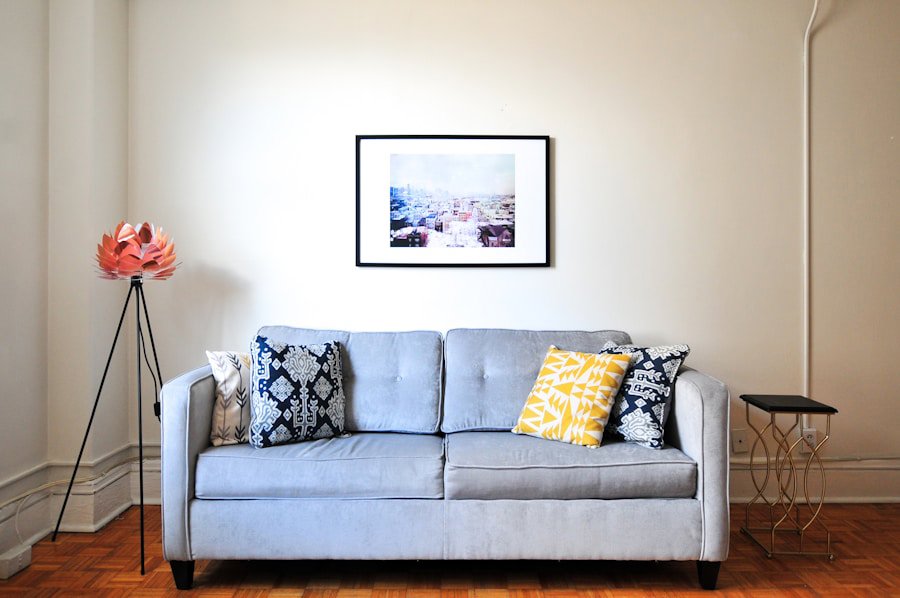
Photo by Naomi Hébert on Unsplash
What Are the Best Upholstery Fabrics for Humid Climates?
The most humidity-resistant upholstery fabrics are solution-dyed acrylic, vinyl, polyester-based chenille, and tightly woven synthetic blends. These materials resist moisture absorption at the fiber level and can be wiped clean rather than requiring deep drying after exposure to dampness.
Here's a closer look at each one:
- Solution-Dyed Acrylic: This is the fabric used in most high-end outdoor furniture, and it deserves serious consideration indoors too. The color is embedded into the fiber during manufacturing rather than applied on top, which means it resists fading, moisture, and mildew simultaneously. Sunbrella is the most recognized brand in this category. It's not the softest fabric on earth, but it holds up exceptionally well and cleans easily with a mild soap solution.
- Vinyl and Faux Leather: Technically not a fabric in the traditional sense, but vinyl and quality faux leather are the most moisture-proof options available. They don't absorb humidity at all, which makes them ideal for spaces like sunrooms, mudrooms, or dining chairs that see a lot of summer traffic. Modern faux leather has come a long way in terms of texture and appearance. Honestly, some of it is indistinguishable from the real thing at a glance.
- Polyester Chenille: Chenille is criminally underrated in this conversation. When the base fiber is polyester rather than cotton, chenille becomes surprisingly moisture-resistant while keeping all of its softness and that cozy, tactile appeal. It's a great living room option if you want comfort without sacrificing practicality. Look for chenille with a double rub count above 30,000. Double rub count measures how many times a fabric can be rubbed back and forth before it shows wear, so higher numbers mean longer-lasting fabric.
- Tightly Woven Polyester Blends: Fabrics like performance velvet and microfiber fall into this category. They're woven so tightly that moisture has trouble penetrating the surface. Many are also treated with stain-repellent finishes that add another layer of protection. These fabrics tend to be very family-friendly and easy to spot-clean.
- Jacquard Weaves in Synthetic Fibers: A jacquard refers to a weaving technique that creates intricate, often raised patterns. When the fiber content is polyester or acrylic, you get a decorative fabric that also handles humidity reasonably well. It's a good option if you want visual interest without going full plain-weave.
Which Fabrics Should You Avoid in High-Humidity Rooms?
Untreated natural fibers, especially 100% cotton and untreated linen, are the most vulnerable to humidity-related damage. These fibers absorb moisture quickly and release it slowly, creating prolonged damp conditions inside the weave.
That said, the answer isn't to avoid natural fibers entirely. Treated linen and cotton blends with moisture-resistant finishes can perform significantly better. If you fall in love with a natural fiber fabric, ask specifically whether it has been treated with a mildew inhibitor or a water-resistant coating. Many quality upholstery fabrics now come with these treatments built in.
A few other fabrics to be cautious with in humid spaces:
- Untreated velvet: Traditional velvet, especially cotton velvet, traps moisture and is very difficult to dry thoroughly. Performance velvet made from polyester microfiber is a different story and holds up much better.
- Loosely woven fabrics: Open weaves have more surface area exposed to humid air, which increases moisture absorption. Tight weaves are always preferable in damp environments.
- Boucle in natural fibers: Boucle's looped texture is charming, but those loops create small pockets that hold moisture. Synthetic boucle performs better, but it still requires more maintenance than a flat-woven synthetic in a very humid room.
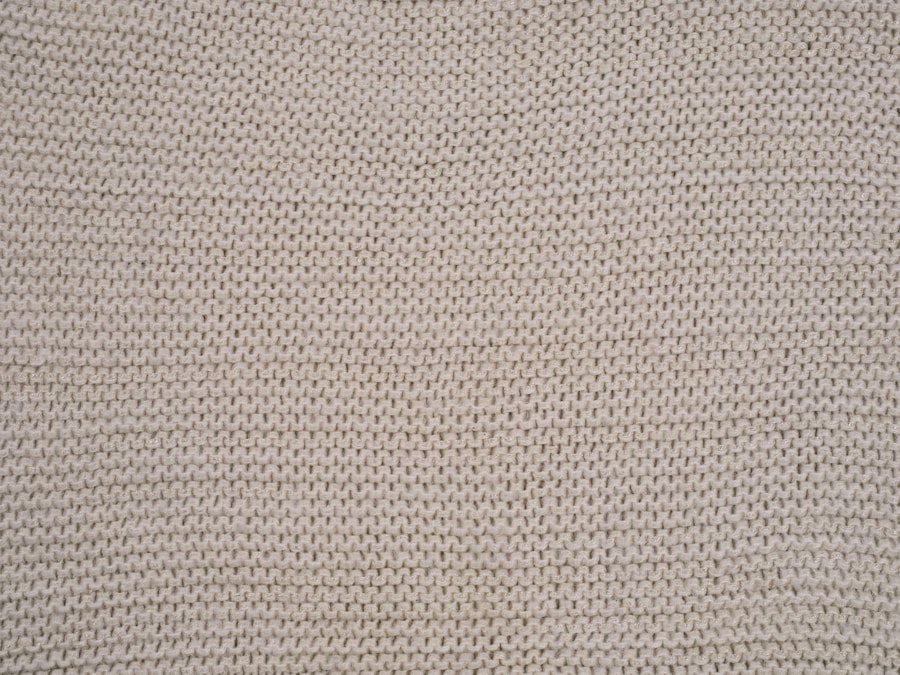
Photo by engin akyurt on Unsplash
How to Keep Any Upholstery Fabric Fresh in Summer Humidity
Even the most moisture-resistant fabric benefits from good ventilation and basic seasonal care. The fabric you choose matters, but so does how you manage the air around it.
A few practical strategies that make a real difference:
- Run a dehumidifier: Keeping indoor humidity between 40 and 50 percent dramatically reduces the risk of mildew on any fabric surface. This is the single most impactful thing you can do for all the upholstery in your home, not just the pieces you're worried about.
- Allow airflow around furniture: Avoid pushing upholstered pieces flush against exterior walls, especially basement or ground-floor walls. Cold exterior surfaces combined with warm indoor air create condensation points, and furniture sitting against those walls absorbs the moisture.
- Rotate and air out cushions: Cushion inserts can stay damp long after a surface feels dry. Removing cushion covers and airing out the inserts a couple of times during summer is a simple habit that prevents a lot of problems.
- Address spills immediately: In a humid environment, a spill that might normally dry out on its own can instead feed a mildew colony. Blot, don't rub, and use a fan if needed to speed drying.
- Apply a fabric protector: Products like Scotchgard add a hydrophobic barrier to fabric fibers. It won't make a vulnerable fabric bulletproof, but it buys you meaningful protection and makes cleanup easier. Reapply it once or twice a year.
Smart Buying Tips for Humid-Climate Upholstery Shopping
Knowing what to look for on a product listing saves a lot of guesswork. When you're shopping for upholstery fabric online, here are the details worth paying attention to:
- Check the fiber content first. Polyester, acrylic, and polypropylene are all synthetic and naturally moisture-resistant. If the fiber content is 100% cotton or a high-percentage natural blend, look for mention of protective treatments.
- Look for double rub counts above 25,000 for residential use. The Martindale abrasion test is a European equivalent that measures similar durability. Both give you a reliable signal of how long the fabric will hold up under regular use.
- Ask about mildew resistance or antimicrobial treatment. Some performance fabrics are treated specifically for this. Outdoor-rated fabrics almost always are, and they work perfectly well indoors.
- Consider the color and pattern strategically. Darker fabrics can show humidity damage more visibly over time, especially if water marks dry unevenly. Mid-tones and patterned fabrics tend to be more forgiving if spotting occurs.
- Think about where the piece is going. A sofa in a climate-controlled living room has very different needs than a loveseat in a screened porch or a basement family room. Match the performance level of the fabric to the actual conditions it will face.
Summer is genuinely one of the best times to tackle a reupholstery or refresh project because you can see exactly what conditions your furniture has to survive. If your current pieces are showing signs of humidity stress, that's useful information. Let it guide you toward a fabric that's actually built for your home's climate, not just your decorating style.
Frequently Asked Questions
Q: What is the best upholstery fabric for a humid climate?Solution-dyed acrylic, vinyl, and polyester-based fabrics are the best choices for humid climates. They resist moisture absorption at the fiber level, dry quickly, and are far less likely to develop mildew or mold compared to untreated natural fibers like cotton or linen.
Q: Can upholstery fabric grow mold or mildew from indoor humidity?Yes. When indoor humidity consistently exceeds 60 percent, moisture accumulates in upholstery fibers and creates conditions that support mold and mildew growth. Choosing tightly woven synthetic fabrics and keeping indoor humidity between 40 and 50 percent significantly reduces this risk.
Q: Is velvet a good choice for humid rooms?Traditional cotton velvet is not ideal for humid rooms because it traps moisture and is slow to dry. Performance velvet made from polyester microfiber is a much better option. It keeps the soft, plush look of velvet while resisting moisture and wiping clean easily.