
How Summer Conditions Actually Affect Your Upholstery Fabric
Choosing the right upholstery fabric for summer isn't just about picking something that looks cool and breezy. The way your home manages heat and humidity has a direct impact on how your fabric performs, how long it lasts, and how much maintenance you'll end up doing. A fabric that thrives in a climate-controlled living room might trap moisture and feel clammy in a sun-filled sunroom with the windows cracked open. And a fabric that breathes beautifully in a naturally ventilated space might pill, fade, or go limp when blasted by cold, dry AC air all day long.
Here's the thing: most fabric guides skip this distinction entirely. They'll tell you velvet is luxurious and linen is breathable, but they won't tell you that linen in a high-humidity, naturally ventilated room can absorb moisture and develop a musty smell if it doesn't dry out properly. That's the kind of practical detail that actually helps you make a smarter choice before you spend money on new upholstery.
So let's break this down by environment, because your fabric decision should start with understanding your space.
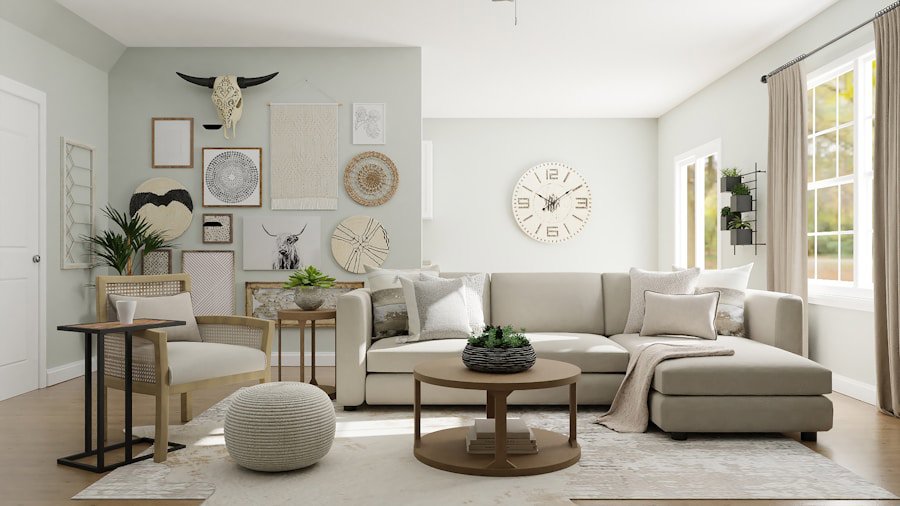
Upholstery Fabrics That Perform Best in Air-Conditioned Rooms
Air conditioning creates a specific set of conditions: lower humidity, consistent cool temperatures, and reduced airflow. That's great for comfort, but it can be surprisingly hard on certain fabrics. Low humidity environments cause natural fibers like linen and untreated cotton to dry out and become brittle over time. You might also notice static buildup on synthetic fabrics, which attracts dust and pet hair faster than you'd expect.
Velvet gets a bad rap as a high-maintenance diva, but it actually does quite well in air-conditioned rooms. The controlled humidity keeps the pile upright and prevents the kind of moisture-related matting you'd see in a humid, naturally ventilated space. Solution-dyed acrylic and tightly woven synthetic blends are also excellent here. Solution-dyed acrylic means the color is baked into the fiber itself during manufacturing rather than applied to the surface afterward, which makes it significantly more resistant to fading, even from the indirect UV exposure that comes through windows.
Fabrics to consider for AC-cooled rooms:
- Velvet: Maintains its pile and rich appearance in stable, low-humidity conditions. Easy to vacuum and spot clean.
- Chenille: Honestly, chenille is criminally underrated. It's soft, it's durable, and in a cool, dry environment it holds its texture beautifully. Look for chenille with a double rub count above 15,000. A double rub count measures how many times a fabric can be rubbed back and forth before showing wear, so higher is always better for everyday furniture.
- Jacquard: The woven pattern on a jacquard fabric is structural, not printed, which means it won't fade or crack the way a surface print can. Great for rooms where the AC runs all summer.
- Faux Leather and Vinyl: These perform consistently in temperature-controlled environments. They don't absorb moisture, so humidity isn't a concern. The main watch-out is that in very dry AC air, lower-quality faux leather can eventually crack. Look for options with a polyurethane backing for added flexibility.
One thing to keep in mind: air conditioning doesn't just reduce humidity, it also circulates dust more actively than natural ventilation. Fabrics with tighter weaves are easier to keep clean in these spaces because dust doesn't settle as deeply into the fibers.
What Are the Best Upholstery Fabrics for Naturally Ventilated Summer Spaces?
Naturally ventilated rooms are the best option for fabric breathability, but they come with real challenges: fluctuating humidity, direct airflow, higher temperatures, and the risk of condensation from open windows or doors near outdoor areas. The fabric you choose needs to handle moisture without absorbing it excessively, and it needs to hold up to the kind of casual, high-traffic use that open-home summer living encourages.
Performance fabrics with moisture-wicking properties are the clear winner here. Solution-dyed acrylic, for example, is inherently resistant to mold and mildew because the dye penetration process leaves fewer surface openings for moisture to settle into. It's the same reason you'll find solution-dyed acrylic on outdoor furniture cushions. The fiber's moisture resistance rating makes it a practical choice indoors too, especially in coastal or humid-climate homes where natural ventilation means pulling in genuinely humid air.
Top fabric picks for naturally ventilated rooms:
- Linen blends: Pure linen breathes well but absorbs moisture easily. A linen-polyester blend gives you the airy, casual look of linen with better moisture resistance and less wrinkling.
- Cotton canvas weaves: Tightly woven cotton is more moisture-tolerant than looser weaves, and it dries faster when humidity levels rise. It's also typically easy to clean, which matters when windows are open and outdoor dust and pollen are drifting in.
- Woven synthetics and performance blends: Fabrics engineered for performance often include a moisture barrier treatment or are woven tightly enough to resist surface condensation. Check for fabrics rated for 25,000 double rubs or more if this is a high-traffic area.
- Vinyl and performance faux leather: In very humid naturally ventilated rooms, vinyl is one of the most practical choices. It wipes clean, doesn't absorb moisture, and won't develop the musty odor that can affect natural fibers in high-humidity conditions.
What you want to avoid in naturally ventilated humid spaces: loosely woven fabrics, untreated natural fibers, and anything with a thick pile that traps air and moisture. Boucle, for all its current trendiness, can hold moisture in a humid environment and becomes difficult to dry out thoroughly. Save it for the AC room.
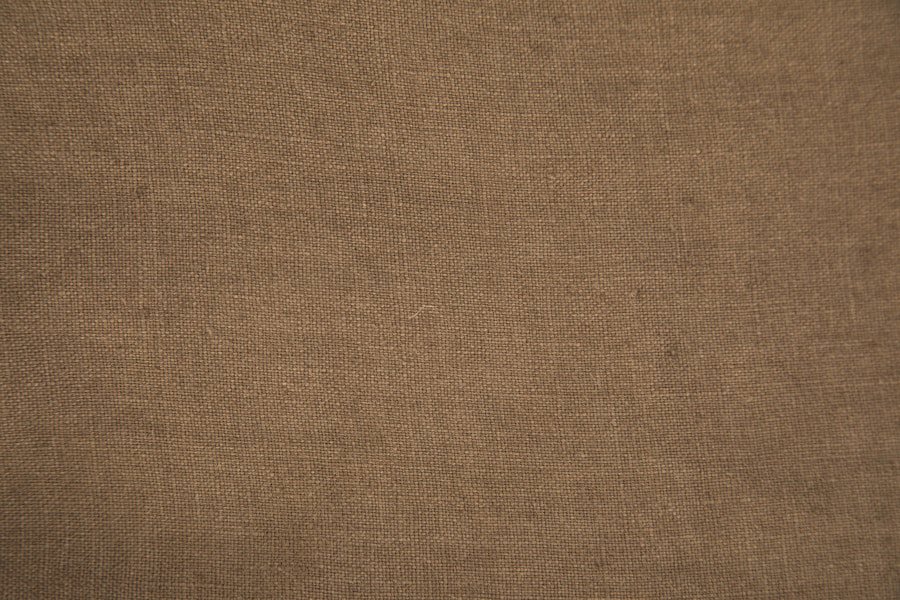
Photo by engin akyurt on Unsplash
How Humidity and Condensation Cause Fabric Damage Over Time
Moisture is fabric's slow enemy. You won't see the damage right away, but over one or two summers, humidity and condensation take a real toll. Here's what actually happens:
High humidity causes natural fibers to swell and contract repeatedly as conditions change. Over time, this weakens the fiber structure and leads to premature wear. It also creates the perfect environment for mold and mildew growth, especially in fabrics that don't dry quickly. Mold doesn't just smell bad. It structurally degrades fabric fibers and can cause permanent staining that no cleaner will fully reverse.
Condensation is a more direct problem. Cold drink glasses left on fabric armrests, moisture from open windows on rainy summer afternoons, or even condensation from a nearby AC unit can leave water rings and encourage mold growth in the upholstery padding beneath the fabric surface. The padding absorbs moisture even when the fabric itself appears dry on top.
To protect against moisture damage in either environment:
- Apply a fabric protector spray designed for upholstery. These create a hydrophobic barrier that causes liquid to bead rather than absorb.
- Choose fabrics with a solution-dyed or performance-treated finish where possible.
- Use coasters. It sounds obvious, but it's the single most effective thing you can do.
- In naturally ventilated spaces, increase airflow on very humid days rather than allowing fabric to sit damp. A fan directed at upholstered furniture speeds drying significantly.
What Is the Most Durable Upholstery Fabric for Homes with Kids and Pets in Summer?
For high-traffic homes in summer, the most durable upholstery fabrics are solution-dyed acrylics, performance-grade woven synthetics, and vinyl or faux leather with a polyurethane coating. These materials resist staining, moisture, and abrasion better than natural fibers under daily use.
Durability in upholstery fabric is measured by the double rub count. A fabric rated at 15,000 double rubs is considered suitable for residential use, but if you have kids, pets, or a household that actually uses its furniture, aim for 25,000 or higher. Some performance fabrics reach 100,000 double rubs or more, which is technically commercial grade but genuinely useful in busy family homes.
For summer specifically, the cleaning factor is just as important as durability. Ice cream, sunscreen, bug spray, and the general chaos of summer all land on furniture. Fabrics that are either moisture-resistant or rated for wet cleaning make your life significantly easier. Chenille and performance wovens in the 30,000-plus double rub range hit a sweet spot of softness and durability that works well for family rooms. Faux leather and vinyl win on pure cleanability. A damp cloth handles almost anything.
One category worth mentioning: solution-dyed acrylic fabrics marketed as indoor-outdoor fabrics. These used to look and feel noticeably synthetic, but the current generation of indoor-outdoor upholstery fabrics has genuinely closed the gap. You get mold resistance, UV stability, and easy cleaning without sacrificing the kind of look you'd want in your living room.
A Quick Reference: Matching Fabric to Your Summer Space
Not every home fits neatly into one category, and that's fine. Most homes have some rooms that are climate-controlled and others that run on open windows. Use this as a starting point:
- Heavily air-conditioned living room: Velvet, jacquard, chenille, faux leather with polyurethane backing
- Naturally ventilated family room or sunroom: Linen blends, performance wovens, cotton canvas, vinyl, solution-dyed acrylic
- Mixed environment or whole-home use: Performance synthetic blends, solution-dyed acrylic, faux leather
- High humidity coastal or tropical home: Vinyl, solution-dyed acrylic, tightly woven synthetic blends with mold-resistant treatment
- Homes with kids and pets: Performance wovens (25,000+ double rubs), faux leather, vinyl, solution-dyed acrylic
Frequently Asked Questions
Q: What upholstery fabric is best for humid summer climates?Solution-dyed acrylic and tightly woven performance synthetics are the best upholstery fabrics for humid summer climates. These materials resist moisture absorption, inhibit mold and mildew growth, and maintain their appearance even when exposed to fluctuating humidity levels. Vinyl is also a strong practical choice because it can be wiped clean and doesn't absorb moisture at all.
Q: Does air conditioning damage upholstery fabric?Air conditioning itself doesn't directly damage upholstery fabric, but the low-humidity environment it creates can dry out natural fibers like linen and untreated cotton over time, making them more brittle and prone to wear. Choosing a fabric with a synthetic component or a performance treatment helps counteract this effect in rooms that run AC all summer.
Q: How do I protect upholstery fabric from condensation and spills in summer?The most effective steps are applying a hydrophobic upholstery protector spray, choosing moisture-resistant fabrics like solution-dyed acrylic or vinyl for high-risk areas, and using coasters consistently. If fabric does get wet, increase airflow to help it dry quickly and prevent moisture from reaching the padding beneath, where mold is harder to detect and treat.