
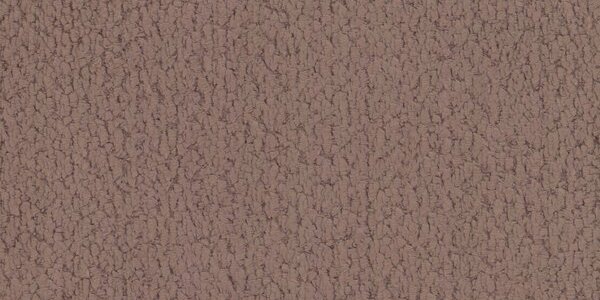
If your living room has large windows and gets bathed in natural light every spring morning, you already know the struggle. That gorgeous sofa you loved last year? It might be looking a little washed out by now. Choosing the right upholstery fabric for sun-filled living rooms isn't a minor detail. It's genuinely one of the most important decisions you'll make when refreshing your furniture this season. The good news is that some fabrics are built for exactly this situation, and once you know what to look for, shopping gets a lot easier.
Why Spring Sunlight Is Harder on Upholstery Than You Think
Spring light is deceptively intense. The sun sits at a lower angle than summer, which means it cuts directly through your windows at a sharp horizontal path for more hours of the day. Combined with longer daylight hours and the fact that most people open their curtains wide to enjoy the season, your furniture can absorb a significant amount of UV radiation between March and May.
UV rays break down the chemical bonds in fabric dyes. Over time, this causes colors to fade, fibers to weaken, and fabric to look dull and lifeless. Dark colors tend to show fading more visibly, but lighter fabrics aren't immune. They can yellow or shift tone in ways that are subtle at first and then impossible to ignore.
Here's the thing: not all fabrics respond to UV exposure the same way. The fiber content, the dyeing method, and any protective treatments applied during manufacturing all play a role. Some fabrics are engineered to resist this kind of damage. Others simply aren't, no matter how beautiful they look on the bolt.
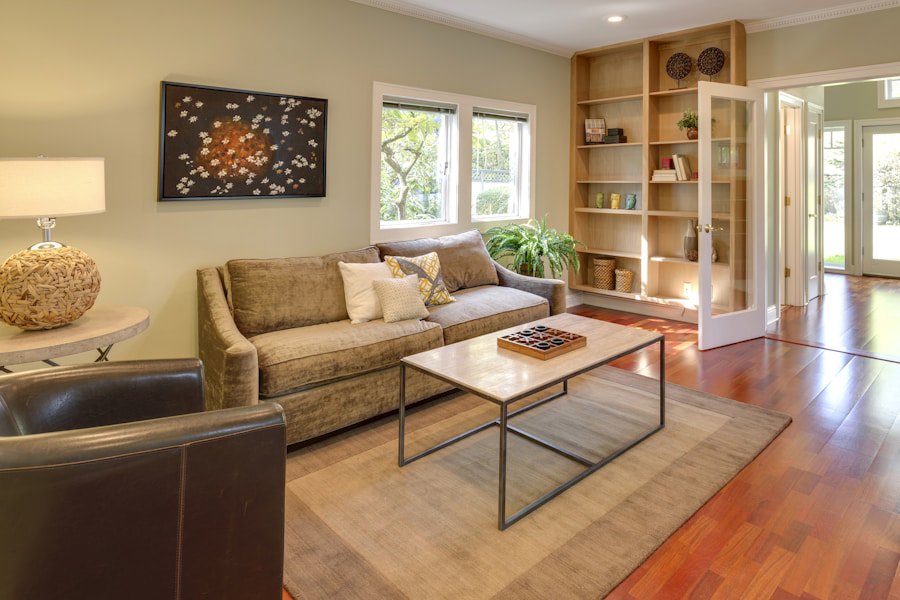
Photo by Francesca Tosolini on Unsplash
What Is Solution-Dyed Acrylic and Why Does It Matter for Fading?
Solution-dyed acrylic is the gold standard for UV resistance in upholstery fabric. In solution-dyed fabrics, the color pigment is locked into the fiber itself during manufacturing, before the fiber is even spun into yarn. This means the color runs all the way through the fiber, not just on the surface. UV rays can't strip what isn't sitting on top.
Most solution-dyed acrylic fabrics are rated to resist fading for 500 hours or more of direct UV exposure, with premium versions holding up to 1,000 hours. For comparison, a south-facing living room window might expose your sofa to roughly 4 to 6 hours of direct sunlight per day. That math works in your favor if you choose the right material.
This is the same technology used in outdoor fabrics like Sunbrella, but solution-dyed acrylics are increasingly available in indoor upholstery weights with softer hands and more residential styling. If you have a room that gets serious sun, this is the fiber type to prioritize above almost everything else.
Which Fabric Types Hold Color Best in a Sunny Living Room?
Fade resistance varies a lot by fiber type. Here's a practical breakdown of the most common upholstery fabrics and how they actually perform under prolonged light exposure.
- Solution-dyed acrylic: Top performer for UV resistance. Colorfast, durable, and increasingly available in residential styles. Excellent choice for window-adjacent seating.
- Polyester and polyester blends: Generally good UV resistance, especially when solution-dyed. Many woven and chenille fabrics use polyester as the base fiber specifically because it holds dye well. Look for a high polyester content if fade resistance is a priority.
- Vinyl and faux leather: Solid performers in terms of color retention, but prolonged direct sunlight can cause these materials to dry out, crack, or stiffen over time. A UV-protectant conditioner extends their life significantly in sunny rooms.
- Olefin (polypropylene): Naturally UV-resistant and often used in performance fabrics. It doesn't absorb dye the way other fibers do, which is actually an advantage here since there's less dye to lose.
- Cotton: A natural fiber that's breathable and beautiful, but cotton fades faster than most synthetics under direct UV exposure. It's a better choice for rooms with filtered or indirect light.
- Linen: Same story as cotton. Natural, elegant, and popular for spring decorating, but not built for rooms that get blasted with direct sun all day. It can also yellow with prolonged UV exposure.
- Velvet: Velvet gets a bad rap for being high-maintenance, but its UV performance depends entirely on the fiber content. Polyester velvet holds color better than cotton or viscose velvet. Avoid silk or rayon velvet in sunny rooms entirely.
- Chenille: Honestly, chenille is criminally underrated for everyday living rooms. When made with a polyester or acrylic base, it offers a good balance of softness, durability, and color retention. Just check the fiber content before buying.
How Do UV Protection Ratings Work for Upholstery Fabric?
UV protection ratings for fabric are expressed as a UPF (Ultraviolet Protection Factor) score, and they measure how much UV radiation the fabric blocks from passing through. A UPF rating of 50 means the fabric blocks 98% of UV rays. This rating is most commonly seen on outdoor fabrics, but it's starting to appear on performance indoor upholstery as well.
For most residential upholstery, the more relevant spec is the fabric's fade resistance rating, which is typically tested using a Xenon arc lamp that simulates sunlight exposure. Results are reported in hours before the fabric shows a measurable color shift on a standard gray scale. A fabric rated at 500 hours is considered good for indoor use. Anything rated at 1,000 hours or above is considered excellent.
When shopping online, look for these specs in the product details or technical data sheet. If a fabric listing doesn't include fade resistance information, ask. Any reputable upholstery fabric supplier should be able to provide it. At Famcor Fabrics, product specs are listed clearly so you're not guessing.
Double Rub Count: What It Is and Why It Still Matters Here
A double rub count measures how many times a fabric can be rubbed back and forth before it shows visible wear. One "double rub" equals one back-and-forth motion. This is the standard durability metric for upholstery, tested using the Wyzenbeek abrasion method in North America or the Martindale test in Europe. For a household with kids or pets, you want a fabric rated at least 30,000 double rubs. Heavy-use pieces should be 50,000 or higher.
Here's why this connects to your sunny living room: UV degradation weakens fiber structure over time, which means a fabric that starts with a lower double rub count will reach the end of its useful life faster in a sun-exposed room. Choosing a fabric with both strong fade resistance and a high double rub count is the combination that gives you real longevity. Don't trade one for the other.
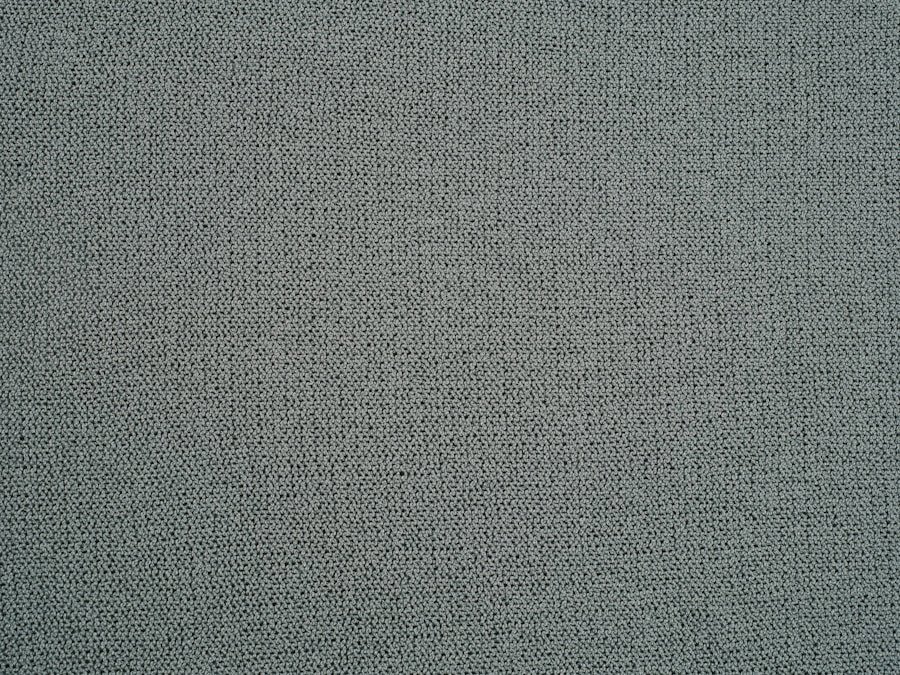
Photo by engin akyurt on Unsplash
Spring 2025 Colors That Work Well in Light-Filled Rooms
Spring this year is leaning into soft, natural palettes with a lot of warm neutrals, dusty greens, and muted blues making appearances in living room refreshes. The good news is that mid-tone colors tend to show fading less dramatically than very dark or very saturated shades.
- Warm beige and cream: Classic, airy, and forgiving in bright light. A solution-dyed polyester or acrylic in these shades will stay looking fresh all season.
- Dusty sage and muted green: Very on-trend right now and genuinely lovely in light-filled rooms. Opt for synthetic fiber blends to protect the color.
- Soft grey and blue-grey: Works beautifully with natural light and doesn't show subtle fading the way navy or charcoal would.
- Warm terracotta and rust: These earth tones are having a real moment. Deeper warm shades can fade unevenly, so solution-dyed fiber is especially important here.
- Off-white and soft white: Clean and fresh, but worth noting that natural fibers in white tones can yellow under UV. Stick to synthetic blends.
If you have your heart set on a darker, more saturated color, that's completely workable. Just be more diligent about UV protection measures like window film or sheers, and prioritize solution-dyed acrylic above everything else.
Practical Tips for Protecting Any Upholstery Fabric in a Sunny Room
Even the most fade-resistant fabric benefits from a few smart habits. These aren't complicated, and most of them cost nothing.
- Use sheer curtains or UV-filtering window film to reduce direct exposure during peak sun hours without darkening the room.
- Rotate cushions regularly so any light exposure is distributed evenly across the fabric.
- Apply a fabric protector spray that includes UV inhibitors, especially on natural fiber pieces.
- For vinyl and faux leather, use a conditioner with UV protection every few months to prevent cracking and color shift.
- Position furniture so it's not sitting in direct sun for more than a few hours per day if possible.
None of this replaces starting with the right fabric. But combined with a smart material choice, these habits can meaningfully extend the life and appearance of your upholstery.
Frequently Asked Questions
Q: What is the best upholstery fabric for a living room with large windows and lots of sunlight?Solution-dyed acrylic is the best upholstery fabric for sunny living rooms because the color is locked into the fiber during manufacturing, making it highly resistant to UV fading. Polyester blends and olefin fabrics are also strong performers. Natural fibers like cotton and linen fade faster under direct sun exposure and work better in rooms with filtered or indirect light.
Q: How do I know if an upholstery fabric is fade resistant?Look for a fade resistance rating in the product specifications, usually measured in hours of simulated sunlight exposure using a Xenon arc lamp test. A rating of 500 hours is good for most indoor use. A rating of 1,000 hours or higher is excellent, and is what you want for a south- or west-facing living room that receives direct spring and summer sunlight.
Q: Can velvet or chenille work in a bright, sunny living room?Yes, but fiber content matters a lot. Polyester-based velvet and chenille hold color significantly better than versions made from cotton, viscose, or rayon. Avoid silk velvet in direct-sun rooms entirely. When you choose a polyester or acrylic base in either fabric, you get the softness and style of those textures with much better UV resistance for everyday living room use.
