
If your couch looks fine in December but starts showing dark patches, greasy spots, and mystery marks by July, you're not imagining things. Hot weather means more skin contact, more sweat, and more body oil transferring onto your furniture every single day. The good news is that choosing the right upholstery fabric that won't show sweat marks and body oils makes a real, visible difference. This guide walks you through exactly how to pick the right material, which fabrics to prioritize, and which ones to skip when summer temperatures climb.
Step-by-Step Instructions
- Understand why some fabrics absorb sweat and oils while others resist them. Not all fabrics behave the same way when they meet moisture. Natural fibers like untreated cotton and linen are porous, which means they absorb liquid quickly. That's great for breathability but not so great when body oils soak in and leave a permanent shadow. Synthetic fibers like vinyl, faux leather, and solution-dyed acrylics sit on the opposite end of the spectrum. They're non-porous, so moisture stays on the surface long enough for you to wipe it away before it causes a stain. Tightly woven fabrics also resist penetration better than loose, open weaves. Knowing this is your first filter when shopping.
- Check the fabric's double rub count before you buy anything. A double rub count measures how many times a fabric can be rubbed back and forth before it starts to wear down. Think of it as a stress test for your sofa. For a busy living room sofa that gets daily use, look for a minimum of 30,000 double rubs. High-traffic homes with kids or pets should aim for 50,000 or higher. A fabric rated at 100,000 double rubs will handle years of summer use without the weave loosening in ways that trap oils and odors. Most product pages at famcorfabrics.com list this rating so you're not guessing.
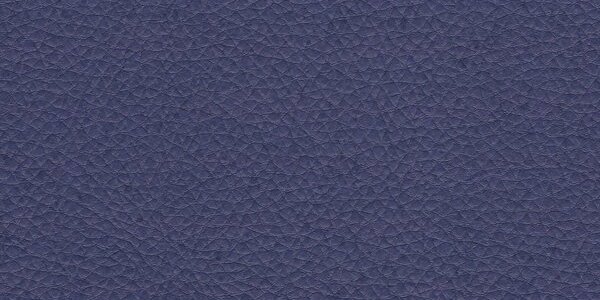
- Prioritize non-porous or tightly constructed fabrics for hot-weather seating. Vinyl and faux leather are your most practical choices for summer. Both have smooth, non-porous surfaces that don't absorb sweat at all. Body oils sit on top and wipe off with a damp cloth. Faux leather in particular has had a major glow-up in recent years. Today's versions look and feel close to genuine leather without the price tag or the maintenance drama. A light wipe with a mild soap solution takes care of nearly anything. Vinyl goes one step further with industrial-grade moisture resistance, which is why it's a standard choice in commercial settings and homes with young kids.
- Consider tightly woven synthetics like chenille and jacquard if you want texture without the maintenance headache. Honestly, chenille is criminally underrated in a summer context. Most people assume texture means trouble, but chenille's tight, looped construction actually limits how deeply moisture can penetrate. It also has a subtle visual texture that masks minor marks far better than flat, solid-colored fabrics. The same goes for jacquard, which uses a woven pattern to create depth. Both fabrics are available in mid-to-high double rub counts and clean up reasonably well with a dry cloth or mild upholstery cleaner. They also look genuinely elevated in a living room, which matters.
- Look for solution-dyed fibers when color retention through the summer matters to you. Solution-dyed acrylic is a fabric where the color is added to the fiber before it's spun, not printed or dyed onto the surface afterward. This makes the color far more resistant to fading, moisture staining, and even UV exposure from sunny windows. It also means that sweat and oils are less likely to alter the color visibly over time because there's no surface dye layer to displace. Outdoor-rated solution-dyed fabrics are increasingly being used indoors, especially in sunny rooms or homes near beaches or pools.
- Test your shortlisted fabrics with the "wet finger" method before committing. If you're buying fabric swatches first (and you should be), press a wet fingertip onto the surface and hold it for five seconds. If the moisture beads or stays on the surface, the fabric has good resistance. If it immediately darkens and absorbs, that's what your sofa will look like after a summer of regular use. This simple test works well across vinyl, faux leather, treated linen, and synthetics. It's not a perfect science, but it tells you a lot in about ten seconds.
- Choose colors and patterns strategically to hide what you can't always prevent. Even the most moisture-resistant fabric will occasionally show something. Mid-tone colors like warm grey, taupe, and medium brown hide incidental marks far better than very light or very dark solids. A very pale cream will show everything. Jet black shows every skin oil smear like it's under a spotlight. Patterns, including stripes, geometric prints, and designer prints, break up the visual surface in a way that makes minor marks nearly invisible to anyone who isn't crouching six inches from your sofa. This is a practical strategy, not a compromise.
- Check the cleaning code on any fabric you're considering. Every upholstery fabric comes with a cleaning code. "W" means water-based cleaner is safe. "S" means solvent-based cleaner only. "W/S" means both work. "X" means vacuum only. For sweat and oil resistance in summer, you want W or W/S fabrics so you can do a quick wipe-down without worrying about damaging the material. Fabrics coded S or X are higher maintenance and less forgiving of the moisture that summer brings. This code is usually printed on the fabric bolt label or listed in the product specs online.
- Factor in breathability if comfort during use matters as much as appearance. Here's the thing: vinyl and faux leather win on wipe-ability, but they can feel warm and slightly tacky on bare skin during peak summer heat. If you're in a very hot climate without reliable air conditioning, a tightly woven linen or a performance chenille might actually suit your household better. Treated performance linens now come with moisture-wicking finishes that reduce how much the fabric absorbs while still feeling cool to the touch. It's a real option for homes where breathability and easy cleaning both matter.
- Apply a fabric protector spray after installation for an added layer of defense. A quality upholstery protector spray, like products based on fluorocarbon or silicone chemistry, creates a barrier on the fabric surface that causes liquids to bead rather than absorb. For fabrics that are already reasonably resistant, this adds another line of defense. For fabrics you love the look of but that are slightly more porous, it can make the difference between a mark that wipes off and one that sets permanently. Reapply every six to twelve months, or after a deep clean.
Photo by Clay Banks on Unsplash
What Are the Best Fabrics to Resist Sweat and Body Oils Specifically?
Vinyl and faux leather are the top-performing options when moisture resistance is your main priority. Both materials are non-porous by construction, meaning sweat and body oils cannot penetrate the surface fiber. A standard faux leather upholstery fabric will have a double rub count of 50,000 or higher in most mid-range and performance product lines. Vinyl upholstery routinely exceeds 100,000 double rubs and is often rated for commercial use. These aren't just marketing claims. These ratings come from standardized testing using the Wyzenbeek or Martindale abrasion methods, which simulate thousands of friction cycles on a controlled machine. When a fabric survives those tests with minimal surface change, it'll handle your summer sofa routine comfortably.
After vinyl and faux leather, tightly woven synthetics are your next best option. Performance chenille, polyester jacquard, and woven blends with high synthetic fiber content all resist moisture penetration better than loose natural weaves. Chenille's characteristic looped pile, when tightly constructed, limits how far liquid travels into the weave before it can be blotted away. Jacquard's complex interlocked weave structure creates a denser surface than plain weaves of the same fiber type. Both are genuinely good-looking choices that don't signal "I bought this because it's easy to clean," which matters when you've put effort into a room.
Treated or performance linen is worth mentioning for households that want a natural-fiber look without absorbing every drop of moisture that comes near it. Modern performance linen fabrics are often finished with a stain-repellent treatment that significantly slows absorption. They breathe well, look elegant, and don't have the plastic-adjacent feel that vinyl can bring in warm weather. The tradeoff is that no treatment lasts forever. Plan to reapply a fabric protector annually to keep performance linen actually performing.
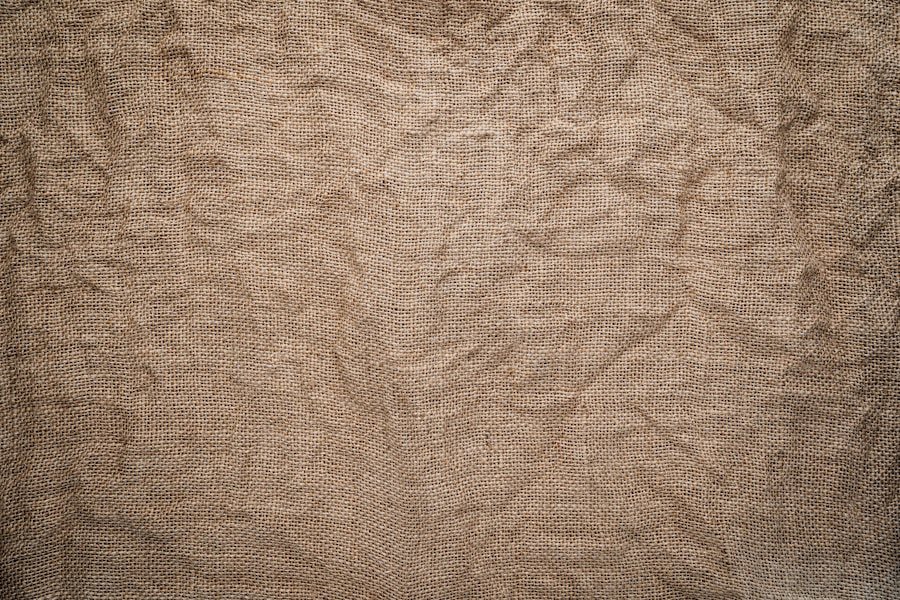
Photo by Andre Taissin on Unsplash
Which Fabric Types Should You Avoid on High-Use Summer Seating?
Untreated velvet is a fabric that gets a bad rap, and in this case, some of it is deserved for summer use specifically. Velvet's cut pile construction creates a dense surface that traps body oils and moisture at the fiber level. Once an oil mark sets into velvet, it changes the pile direction and creates a visible shadow that's very difficult to reverse without professional cleaning. If you love velvet, save it for occasional-use furniture or pieces that don't get daily skin contact during hot months.
Untreated cotton, loosely woven boucle, and open-weave natural fabrics share a similar weakness. They absorb moisture quickly and release it slowly, which creates the ideal conditions for both visible staining and odor buildup over a summer. Boucle in particular, while having a fantastic moment in home decor right now, has an open looped structure that catches and holds oils at the surface texture level. It's beautiful on a reading chair that gets occasional use. It's a liability on the main sofa in a house with three kids and a humid August.
Quick Tips for Keeping Your Summer Upholstery Looking Fresh
- Blot spills immediately rather than rubbing. Rubbing pushes liquid deeper into the weave and spreads the affected area.
- Do a light wipe-down of non-porous surfaces like vinyl and faux leather once a week with a diluted mild soap solution. It takes about two minutes and prevents oil buildup from becoming a staining problem.
- Use a fabric protector spray at the start of summer and again mid-season if the furniture sees heavy use.
- Rotate cushions regularly so body contact is distributed evenly rather than wearing in one area faster.
- For patterned or textured fabrics, a soft-bristle brush used gently in the direction of the weave can lift surface residue before it sets.
- Check your fabric's cleaning code before using any product on it. Using a water-based cleaner on an S-coded fabric can cause water spotting that's worse than the original mark.
Frequently Asked Questions
Q: What is the best upholstery fabric to resist sweat and body oils in summer?Vinyl and faux leather are the most effective choices for resisting sweat and body oils because their non-porous surfaces prevent moisture from being absorbed at all. Tightly woven performance synthetics like polyester chenille and jacquard are a close second, offering good resistance with a softer, more textured feel.
Q: How do I clean body oil stains from upholstery fabric?For non-porous fabrics like vinyl and faux leather, wipe the area with a damp cloth and a small amount of mild dish soap, then dry with a clean cloth. For woven fabrics with a W or W/S cleaning code, apply a small amount of water-based upholstery cleaner, blot gently without rubbing, and allow to air dry completely before using the furniture again.
Q: Does fabric color affect how much sweat and oil shows on upholstery?Yes, significantly. Very light colors like cream and white show moisture and oil marks quickly, while very dark colors like black and navy highlight skin oil smears. Mid-tone colors in grey, taupe, and warm brown tend to hide incidental marks most effectively. Patterned fabrics are also more forgiving than solid colors because the visual complexity breaks up any marks that do appear.