
Why Summer Is the Hardest Season for Your Furniture Fabric
Upholstery fabrics with natural antimicrobial properties are getting a lot more attention right now, and honestly, summer is exactly why. Heat and humidity are the perfect recipe for bacterial growth, and your sofa, armchair, or dining bench is sitting right in the middle of it. Sweat, sunscreen, pet dander, spilled lemonade. You know how it goes on a Friday afternoon when the whole family piles in from outside.
Most people reach for a fabric spray and call it a day. But here's the thing: some fabrics are built to resist bacteria and odors from the fiber level up, no spray required. That's not a marketing claim. It's fiber science, and it makes a real difference in a hot, humid home.
The good news is that these fabrics don't look clinical or sterile. They look great in a living room. And once you know what to look for, you'll shop completely differently.
What Makes a Fabric Naturally Antimicrobial?
Naturally antimicrobial means the fabric resists bacterial and fungal growth because of the fiber's own chemistry, not because it's been sprayed or coated with something after the fact. This distinction matters. Chemical antimicrobial treatments can wash out over time, sometimes in as few as 20 to 30 cleaning cycles. Fiber-level properties don't wash away because they're part of the material itself.
There are a few ways this works in upholstery fabrics:
- Natural fiber composition: Some plant-based fibers, particularly linen, have inherent properties that make them inhospitable to bacteria and mold.
- Mineral infusion: Copper-infused and silver-ion treated fabrics use trace metals that are toxic to bacteria at the cellular level. This is a tested, documented technology used in medical and hospitality textiles.
- Moisture management: Fabrics that wick moisture away quickly don't give bacteria the damp environment they need to multiply. Moisture control and antimicrobial performance often go hand in hand.
You don't need to pick just one of these mechanisms. The best summer upholstery fabrics often combine two or more of them naturally.
Naturally Antimicrobial Linen: The Fiber That's Been Doing This for Centuries
Linen is genuinely one of the most underrated upholstery choices for warm climates, and its antimicrobial reputation isn't hype. Linen is made from flax plant fibers, which contain natural silica and have a hollow, breathable structure. That structure allows moisture to move away from the surface quickly, which denies bacteria the humid microenvironment they need to thrive.
Linen also becomes stronger when wet, unlike many synthetic blends that weaken with repeated moisture exposure. For a summer sofa that gets daily use, that's a meaningful durability advantage.
In terms of abrasion resistance, linen upholstery fabrics typically achieve a Martindale abrasion rating (a standardized test that counts how many rubs a fabric can withstand before showing wear) of 20,000 to 40,000 cycles for quality upholstery-grade versions. That's solidly in the range suitable for everyday family furniture. Pure linen can wrinkle and may benefit from a linen-cotton or linen-polyester blend for upholstery applications, which also bumps the abrasion rating higher without sacrificing the natural antimicrobial fiber properties.
Color-wise, linen reads beautifully in summer palettes. Natural, cream, and warm beige tones are perennially popular, and linen takes dye well, so you'll find it in deep blues, soft greens, and earthy terracottas that feel seasonal without being trendy.
What Are Copper-Infused and Silver-Ion Fabrics, and Are They Worth It?
Copper-infused and silver-ion treated upholstery fabrics are among the most effective antimicrobial options available to homeowners today. Both copper and silver ions disrupt bacterial cell membranes at the molecular level, preventing reproduction. Copper, in particular, has a documented 99.9% reduction rate against MRSA and E. coli in textile applications, according to EPA-registered testing standards.
These aren't boutique materials anymore. You'll find copper-infused yarns woven into upholstery blends, performance fabrics, and even some chenille constructions. Silver-ion technology shows up frequently in performance fabrics marketed for healthcare and hospitality, but it's increasingly available in residential upholstery lines too.
Here's the thing most product listings don't tell you clearly: the antimicrobial effect in mineral-infused fabrics is durable because the copper or silver is embedded into the yarn or fiber during spinning, not applied as a surface finish. Independent testing shows copper-infused textiles maintain greater than 90% antimicrobial efficacy after 50 or more industrial wash cycles. For home use, that translates to years of passive odor and bacteria resistance.
These fabrics do tend to sit at a higher price point. If budget is a concern, prioritize them for the pieces that get the most contact: sofas, ottomans, and dining chair seats. A naturally antimicrobial linen can handle the lighter-use pieces at a more accessible price.
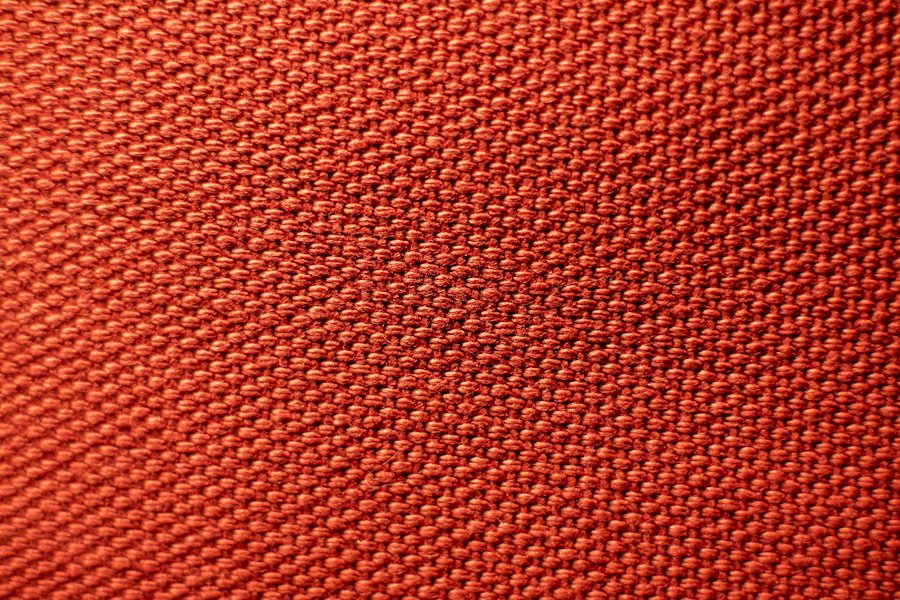
Photo by Marcus Urbenz on Unsplash
Performance Fabrics That Work Like Antimicrobials Without the Label
Some fabrics don't carry an antimicrobial certification but behave like one in practice, because their moisture-wicking and quick-dry construction removes the conditions bacteria need to grow.
Solution-dyed acrylic is the clearest example. In solution-dyed acrylic, the color pigment is added to the fiber before it's spun into yarn, rather than dyed after weaving. This makes the fiber completely colorfast and, critically, non-absorbent. Bacteria and mold spores need moisture to colonize a surface. A fiber that sheds water rather than absorbing it breaks that cycle.
Solution-dyed acrylic upholstery fabrics typically achieve double rub counts (that's the industry standard for measuring how many times a fabric can be rubbed back and forth before it starts to show wear, with higher numbers meaning longer life) of 50,000 or more, making them extremely durable for high-traffic applications. They're also bleach-cleanable, which is an honest practical advantage for summer furniture.
Vinyl and faux leather also deserve mention here. Neither absorbs moisture at all, which makes them naturally inhospitable to bacteria and mold. They're easy to wipe down and genuinely low-maintenance in humid conditions. The tradeoff in summer is heat retention: vinyl and faux leather can feel warm and sticky on bare skin. If that's a concern, look for ventilated or embossed versions, or use them on accent pieces rather than primary seating.
Fabrics to Approach Carefully in Summer Humidity
Not every beautiful fabric is a good fit for hot, humid conditions. A few categories to be thoughtful about:
- Untreated velvet: Velvet has a dense pile that traps moisture and can be slow to dry. In high-humidity rooms without good airflow, it can develop a musty smell. Velvet gets a bad rap for being high-maintenance, and in summer specifically, that reputation has some basis. Performance velvet with a moisture-wicking backing is a better summer choice.
- Heavy chenille: Chenille is honestly wonderful, and I'd never steer you away from it entirely, but thick chenille constructions retain heat and moisture longer than breathable weaves. If you love chenille, look for lighter-weight constructions with good ventilation at home.
- Untreated natural cotton: Plain cotton absorbs moisture readily and dries slowly, which is a bacterial growth invitation in summer. Cotton blends, especially cotton-linen, perform significantly better.
How to Choose the Right Antimicrobial Upholstery Fabric for Your Home
Start with the room and how it gets used. A screened porch or sunroom with fluctuating humidity and outdoor traffic needs a different solution than a climate-controlled living room with a couple of adults and one well-behaved dog.
Ask yourself these questions before you buy:
- Is this piece getting daily heavy use from kids or pets? Prioritize double rub counts above 30,000 and fabrics with documented antimicrobial properties.
- Does the room get warm and stay warm? Breathable, moisture-wicking fibers like linen or solution-dyed acrylic are your best allies.
- Do you want natural fiber feel or maximum performance? Linen gives you natural antimicrobial properties with a relaxed, organic look. Copper-infused performance fabrics give you clinical-grade resistance with a wider range of textures.
- What's your cleaning routine? Fabrics rated for water-based or bleach cleaning give you the most flexibility in summer when things inevitably get messy.
Also, don't underestimate color in summer. Lighter tones in natural linen, cream, and warm white reflect heat rather than absorbing it, which makes the fabric feel cooler to the touch. Practically speaking, lighter upholstery also shows pet hair more readily, so balance that against your household reality.
The best antimicrobial upholstery fabric for your home is the one that fits your actual life, handles your specific humidity and traffic, and still looks the way you want your room to look. The science should serve the space, not complicate it.
Frequently Asked Questions
Q: What is the best naturally antimicrobial upholstery fabric for summer?Linen is the strongest naturally antimicrobial upholstery fabric for summer use. Its hollow fiber structure wicks moisture quickly, denies bacteria a humid environment to grow in, and gets stronger when wet. For even higher antimicrobial performance, copper-infused upholstery fabrics maintain up to 99.9% bacterial reduction and hold that efficacy through 50 or more wash cycles.
Q: Do antimicrobial fabric treatments wash out over time?Chemical surface treatments can wash out in as few as 20 to 30 cleaning cycles. Fiber-level antimicrobial properties, such as those in naturally antimicrobial linen or copper-infused and silver-ion treated yarns, are part of the fiber's own structure and do not wash out with normal use and cleaning.
Q: Is linen a durable choice for upholstery, or will it wear out quickly?Quality upholstery-grade linen typically achieves a Martindale abrasion rating of 20,000 to 40,000 cycles, which is appropriate for everyday household furniture. Linen-polyester or linen-cotton blends push that rating higher and reduce wrinkling, making them a practical choice for sofas and chairs that see regular use.