RSS

Blog posts of '2026' 'January'

Velvet Upholstery Fabrics for Winter: Why Luxury Textures Make Your Home Feel Like a Five-Star Resort

Upholstery Fabric

When the temperature drops and daylight fades earlier each evening, your home becomes your sanctuary. This winter, it's time to elevate that sanctuary with upholstery fabrics that combine visual luxury with genuine comfort. Velvet isn't just for holiday decorating anymore—it's the sophisticated choice for homeowners and interior designers seeking to transform their living spaces into cozy retreats that feel expensive and intentional.

Why Velvet Works Better Than You Think for Winter Living

Velvet has earned a reputation for being delicate, but modern velvet upholstery fabrics are engineered for real-world living. Performance velvets combine traditional elegance with stain-resistant technology, making them practical for high-traffic areas. The dense pile structure naturally traps warmth, creating furniture that feels inviting when you sink into it on cold January evenings.

Beyond functionality, velvet's light-reflecting properties brighten darker winter spaces. As natural daylight becomes scarce, velvet's subtle sheen catches indoor lighting and bounces it around the room, making spaces feel more open and luminous than flat fabrics ever could.

Choosing the Right Velvet Color for Winter Ambiance

Color selection transforms how velvet performs in your winter interior. While jewel tones like emerald and sapphire create dramatic, moody atmospheres perfect for cozy evenings, deeper charcoal and black velvets provide sophisticated backdrops that complement winter's natural palette. For those preferring lighter aesthetics, cream and ivory velvets deliver luxurious warmth without darkness, ideal for smaller spaces or contemporary homes.

  • Deep Jewel Tones: Create drama and intimacy; perfect for living rooms and libraries
  • Warm Neutrals: Cream, taupe, and warm grey offer versatility and timeless appeal
  • Rich Browns: Ground a space while maintaining sophistication
  • Blush and Mauve: Add unexpected elegance to modern and transitional spaces

Pairing Velvet with Winter's Design Trends

Modern interior design celebrates maximalism, and velvet is having a major moment. Designers are layering velvet upholstery with patterned throw pillows, mixed metallics, and eclectic artwork. This approach breaks the "formal and untouchable" perception of velvet, making it feel current and approachable.

Velvet also pairs beautifully with natural materials trending this season: exposed wood frames, jute rugs, and woven wall hangings create textural interest while keeping spaces grounded. The contrast between soft velvet and organic textures delivers that high-end hotel aesthetic homeowners crave.

Maintenance Tips: Keeping Your Velvet Looking Showroom-Fresh

The biggest hesitation about velvet upholstery stems from care concerns. Modern performance velvets eliminate many traditional headaches. Here's what you need to know:

  • Brush gently: Use a soft brush weekly to maintain pile direction and restore sheen
  • Vacuum carefully: Use your vacuum's upholstery attachment on low suction to prevent pile crushing
  • Address spills immediately: Blot (don't rub) with a clean, dry cloth; performance velvets resist staining
  • Rotate cushions: Even out wear by flipping and rotating cushions monthly
  • Professional cleaning: Schedule annual professional cleaning to refresh fabric and extend lifespan

Budget-Friendly Approach: Velvet Accents Instead of Full Furniture

If committing to a full velvet sofa feels daunting, consider velvet accent chairs, ottomans, or headboards. These pieces deliver maximum impact while minimizing investment. A single velvet wingback chair in a jewel tone instantly elevates any room's sophistication level, and accent pieces experience less wear than primary seating, making them ideal for experimenting with this luxury fabric.

The Bottom Line: Velvet for Winter Living

Winter is the perfect season to invest in upholstery fabrics that feel as good as they look. Velvet delivers warmth, visual interest, and the luxurious ambiance that transforms houses into homes worth lingering in. Whether you choose performance velvet for durability or explore traditional options for a specific aesthetic, this classic fabric ensures your winter sanctuary reflects both your style and your lifestyle needs.

Ready to embrace velvet? Start by exploring color samples in your actual space under your home's winter lighting. You'll quickly discover why interior designers and homeowners are making velvet their textile of choice this season.
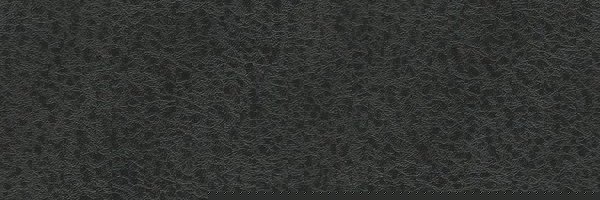
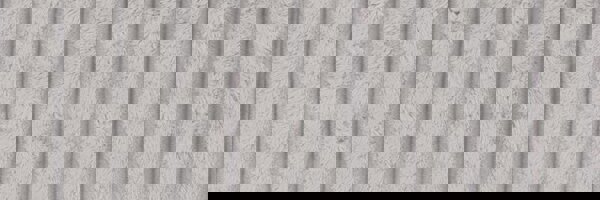
Faux Leather Upholstery Fabrics for Winter: The Smart Choice for Easy Maintenance and Timeless Style

Upholstery Fabric

Winter brings cozy nights by the fireplace, hot cocoa spills, and the inevitable wear and tear that comes with bundling up on your furniture. If you're redesigning your living room or updating a worn sectional before the holidays wind down, faux leather upholstery deserves serious consideration. This versatile fabric combines luxury aesthetics with practical performance—exactly what winter living demands.

Why Faux Leather Wins During Winter Months

Winter furniture faces unique challenges. Cold temperatures cause natural fabrics to contract, moisture from snow and sleet finds its way into your home, and heavy winter clothing creates friction against upholstery. Faux leather handles all of this effortlessly.

Unlike genuine leather, which can crack in dry winter conditions from indoor heating systems, faux leather maintains its suppleness year-round. It won't develop the patina or color variations that some homeowners find unpredictable with real leather. Plus, it's significantly more affordable, making it an intelligent choice if you're uncertain about long-term upholstery commitments.

Easy Winter Maintenance: The Real Game-Changer

Let's be honest—winter is messy. Faux leather's non-porous surface makes cleanup effortless. Spilled red wine, chocolate, or accidentally tracked-in salt from winter boots? A simple wipe with a damp cloth removes it immediately. No staining worries. No elaborate cleaning protocols.

  • Wipe spills immediately with a soft, damp cloth
  • Use mild soap and water for deeper cleaning—no special products needed
  • Avoid harsh chemicals that can damage the synthetic coating
  • Dry with a soft towel to prevent water spots

This ease of maintenance becomes invaluable when winter guests are constantly coming and going, children are home from school, or you simply want furniture that doesn't require white-glove treatment.

Style Options That Complement Winter Interiors

Faux leather isn't limited to traditional black or brown anymore. Modern manufacturers offer rich winter tones including deep charcoal grey, warm cognac, sophisticated cream, and even jewel-toned options that work beautifully in contemporary or eclectic spaces.

For interior designers, faux leather provides an excellent foundation for mixed-texture schemes. Pair it with boucle throw pillows, linen curtains, or woven area rugs to create depth without visual heaviness. The contrast between faux leather's sleek finish and textured accents adds sophistication while maintaining the furniture's practical benefits.

The Durability Factor: Furniture That Lasts Beyond Winter

Quality faux leather fabrics are engineered for longevity. They resist fading from winter sun through windows, resist pilling from heavy blankets draped across couches, and hold up remarkably well to the friction of everyday use. This durability translates to a better long-term investment, even at a lower initial price point than genuine leather.

For families with pets or active households, faux leather's resistance to scratching and puncturing offers genuine peace of mind. Winter brings increased indoor time, which means more opportunities for accidental damage—but faux leather surfaces can handle it.

Blending Aesthetics with Practicality

The stigma surrounding faux leather has largely disappeared. Today's synthetic options display authentic texture and sheen that rival genuine leather at a fraction of the cost. Modern manufacturing creates fabric that feels pleasant to sit on—not cold or plasticky like outdated versions.

This means you don't sacrifice style for functionality. Your winter living space can look polished and intentional while remaining genuinely practical for real-life living.

Making Your Selection

When shopping for faux leather upholstery, examine the fabric's weight and backing. Heavier faux leather typically performs better over time and resists cracking. Check the manufacturer's cleaning recommendations and warranty coverage. Look for samples that you can test at home—how does it look in your specific lighting? How does it feel?

Consider your existing décor. Faux leather works beautifully in modern spaces, industrial lofts, contemporary farmhouses, and transitional homes. It's genuinely versatile.

The Verdict for Winter Furniture Refresh

As January approaches and many homeowners plan interior updates, faux leather upholstery offers a compelling combination of style, durability, and practicality. It handles winter's unique demands while providing the aesthetic qualities you want in your home. For budget-conscious shoppers and those prioritizing low-maintenance living, it's genuinely difficult to beat.

Corduroy Upholstery Fabrics for Winter: The Textured Solution for Warmth and Visual Depth

Upholstery Fabric

Winter furniture shopping requires a different mindset than summer selections. As homeowners settle in for the colder months, the desire for tactile, layered interiors becomes undeniable. While many turn to predictable velvets and chenilles, corduroy upholstery fabrics offer a refreshing alternative that combines vintage charm with modern practicality—and they're surprisingly underrated in today's design conversations.

Why Corduroy Works Perfectly for Winter Living

Corduroy's distinctive ribbed texture creates visual interest without relying on patterns or bold colors. This makes it ideal for winter spaces where you want depth and dimension during long, dark days. The fabric's natural weight and structure provide a cozy aesthetic that aligns with seasonal coziness trends, while its durable weave ensures your investment lasts through years of winter lounging.

The tactile quality of corduroy also satisfies a psychological need during winter months. Research shows that textured fabrics trigger comfort responses—running your hand across corduroy's ridges creates a sensory experience that contributes to the hygge-inspired spaces many homeowners crave when temperatures drop.

Corduroy Pairs Beautifully with Winter Color Palettes

One overlooked advantage of corduroy is its versatility with winter tones. Consider these combinations:

  • Rich browns and taupes: Ground your living room in earthy warmth that feels sophisticated without trying
  • Deep greens: Create a moody, forest-inspired retreat that bridges outdoor and indoor aesthetics
  • Charcoal and black: Achieve dramatic elegance that hides winter wear while maintaining refinement
  • Cream and ivory: Brighten darker winter spaces while retaining corduroy's cozy texture

Unlike heavily patterned fabrics, corduroy lets color do the talking. This means your winter décor updates don't feel cluttered or overwhelming—just intentionally curated.

Durability: The Winter Warrior Advantage

Winter brings increased indoor time, which means furniture gets more use. Corduroy's tightly woven construction makes it remarkably resilient against the wear patterns that plague lighter fabrics. Its dense pile resists pilling and matting better than many alternatives, and it withstands the friction from heavy blankets and frequent sitting without showing premature aging.

For families managing winter activities—wet boots being tracked through mudrooms, holiday entertaining, constant use of couches as reading nooks—corduroy absorbs these real-life demands gracefully.

Maintenance: Easy Care During Busy Winter Months

Holiday season and winter entertaining create spill opportunities. Corduroy's structure sheds liquids effectively, giving you time to blot before staining occurs. Regular vacuuming with a soft brush attachment keeps the nap looking fresh, and spot-cleaning is straightforward with standard upholstery cleaners.

Compare this to delicate fabrics that require professional cleaning or faux leathers that show fingerprints constantly—corduroy offers the practical advantage homeowners need when life happens.

Styling Tips for Maximum Winter Impact

  • Layer textures: Pair corduroy upholstery with smooth linen pillows or chunky knit throws for dimension
  • Use metallic accents: Gold or brass furniture legs add warmth against corduroy's earthy tones
  • Choose understated legs: Let corduroy's texture shine with simple, clean-lined frames
  • Mix scales: Combine large corduroy pieces with smaller textured accessories for balanced visual interest

The Bottom Line

Corduroy upholstery fabrics represent a confident design choice for winter 2024 and beyond. They deliver warmth, durability, and texture without the predictability of over-saturated fabric trends. Whether you're furnishing a complete living room or selecting pieces for a redesign, corduroy deserves serious consideration.

Winter is the perfect time to invest in upholstery that performs as beautifully as it looks—and corduroy does exactly that, season after season.

Jacquard Upholstery Fabrics for Winter: Why Pattern Without Clutter Transforms Small Spaces

Upholstery Fabric

Winter is the season of coziness, but for homeowners with smaller living spaces, adding warmth and personality can feel like a balancing act. You want visual interest without overwhelming the room. You need durability for holiday gatherings without sacrificing style. Enter jacquard upholstery fabrics—the winter solution that delivers pattern, sophistication, and practical performance all at once.

If you haven't considered jacquard for your winter furniture refresh, this blog post will change how you approach upholstery shopping. Unlike basic patterned fabrics, jacquards are engineered with intricate weaving techniques that create dimensional designs built into the fabric itself, not printed on top. This matters more than you'd think, especially during the darker winter months when your furniture becomes a focal point in your home.

Why Jacquard Wins for Winter Decorating

Winter décor trends are shifting away from oversaturated patterns and toward what designers call "quiet luxury." Jacquard fabrics embody this perfectly. The intricate woven patterns catch light differently throughout the day, creating visual depth that solid upholstery simply can't match. This means your sofa or armchair becomes a design statement without feeling trendy or temporary.

For small spaces specifically, jacquard is a game-changer. A patterned jacquard can anchor a room's entire aesthetic while making the space feel larger than it actually is. The complex weaving patterns draw the eye across the surface, creating an illusion of expanded dimensions—a decorating trick interior designers rely on constantly.

The Durability Factor: Jacquard vs. Printed Alternatives

Winter means holiday parties, family gatherings, and increased furniture usage. Printed upholstery fabrics can show wear quickly, with patterns fading after repeated cleaning or sun exposure. Jacquard fabrics, by contrast, have their pattern woven directly into the fiber structure. This means:

  • No pattern fading, even after professional cleaning
  • Better stain resistance due to the tightly woven construction
  • Greater longevity—jacquards often outlast their printed counterparts by years
  • Superior performance in high-traffic areas of your home

For winter entertaining, this durability is invaluable. Spilled mulled wine, coffee rings, and chocolate smudges won't permanently mark quality jacquard upholstery the way they might damage other fabrics.

Color Coordination Made Simple

Jacquard patterns typically feature multiple colors woven together, which means they're naturally flexible with your existing winter décor. A charcoal jacquard with cream undertones coordinates with grey throw pillows, burgundy blankets, and warm wood tones. A deep forest green jacquard with gold accents pairs seamlessly with brass lighting fixtures and earth-tone accessories.

This built-in versatility saves you money. Instead of investing in coordinating solids, you get a multi-tonal fabric that works with your current winter décor while remaining sophisticated enough to transition into spring.

Choosing the Right Jacquard for Your Home

When shopping for jacquard upholstery, consider these practical factors:

  • Scale of pattern: Larger jacquard patterns work best for spacious rooms and oversized furniture. Smaller, intricate patterns suit compact spaces and standard-sized pieces.
  • Color depth: Winter is the ideal season to embrace deeper jacquard tones—navy, burgundy, charcoal, and forest green feel seasonally appropriate while hiding wear.
  • Fiber content: Look for jacquard blends combining cotton with polyester or wool. These blends offer the elegance of jacquard with added stain resistance and easier maintenance.
  • Texture variation: Some jacquards include subtle texture alongside pattern—these add even more dimension to your furniture.

The Investment Perspective

Quality jacquard upholstery fabrics are a long-term investment. Yes, they cost more upfront than basic solids or printed alternatives, but they deliver years of beauty and performance. In winter, when your furniture becomes your home's visual anchor, choosing jacquard means you're investing in a piece that will look intentional, sophisticated, and beautiful for winters to come.

This winter, consider moving jacquard upholstery from your "maybe someday" list to your shopping cart. Your small space, your furniture, and your guests will notice the difference.

Boucle Upholstery Fabrics for Winter: Texture, Warmth, and Timeless Style

Upholstery Fabric

As winter settles in and you spend more time at home, your furniture becomes the centerpiece of comfort and style. If you're shopping for new upholstery fabrics this season, boucle deserves a spot at the top of your list. This French textile—characterized by its looped yarn construction—delivers an irresistible combination of visual interest, tactile warmth, and sophisticated elegance that makes it perfect for winter gatherings and cozy nights in.

What Makes Boucle the Winter Winner

Boucle fabric stands out for its distinctive bumpy, nubby texture created by uneven yarn loops. This construction isn't just beautiful—it's functional. The looped fibers trap air, creating natural insulation that makes boucle-upholstered furniture feel warmer to the touch. During cold months, this means your favorite armchair or sofa invites you to snuggle in without feeling cold or slick against your skin.

Beyond warmth, boucle's textured surface adds architectural depth to any room. A boucle sofa becomes a design statement piece that works in modern, transitional, and even eclectic interiors. The fabric's light-catching properties create visual dimension that photographs beautifully and adds luxury to your space without requiring bold colors or busy patterns.

Styling Boucle for Winter Rooms

Boucle works wonderfully in neutral palettes—creams, beiges, taupes, and soft greys remain the most popular choices for this fabric type. These light, warm tones brighten winter spaces while maintaining the cozy atmosphere you're after. However, don't shy away from deeper winter options like charcoal or warm brown boucles if your design leans contemporary or eclectic.

  • Layer with metallics: Pair your boucle furniture with gold or brass accents to enhance its sophisticated appeal and add warmth.
  • Add textured accessories: Combine boucle upholstery with wool throws, linen pillows, and jute rugs for a cohesive, inviting living space.
  • Keep walls simple: Let your boucle furniture shine by maintaining neutral wall colors and minimal wall décor.
  • Contrast with leather: Mix boucle seating with leather ottomans or side tables for modern, balanced design.

Durability and Maintenance

Winter brings increased foot traffic and family time indoors. Boucle's tight loop construction makes it more resilient than you might expect. The looped fibers resist crushing and show fewer footprints compared to flat weaves, meaning your furniture maintains its textured appearance season after season.

Caring for boucle is straightforward: vacuum regularly with an upholstery attachment to maintain the texture, and address spills immediately with a damp cloth and mild detergent. Avoid harsh chemicals that can damage the fiber loops. Most quality boucle fabrics are durable enough for everyday family living, making them practical for households with children or pets.

Boucle vs. Alternatives

Comparing upholstery options during winter? Boucle offers advantages over similar textured fabrics. Unlike chenille, which can flatten with use, boucle's looped construction resists matting. Compared to smooth fabrics like cotton, boucle provides superior visual interest and feels more luxurious. If you love the look of boucle but want maximum durability, many modern boucles blend natural fibers with synthetic materials for longevity without sacrificing softness.

Investment Perspective

Quality boucle upholstery fabrics represent a smart winter investment. The texture hides minor wear patterns better than solid, flat weaves, and the neutral colorways remain timeless regardless of seasonal décor changes. Whether you're reupholstering a beloved armchair or selecting fabric for new pieces, boucle delivers high-end appeal at various price points.

This winter, embrace the comfort and style that boucle upholstery brings to your home. With its warmth, durability, and undeniable sophistication, boucle transforms ordinary furniture into designer-worthy pieces that invite relaxation and complement any interior aesthetic.

Blue Upholstery Fabrics for Winter: Creating Calm, Sophisticated Spaces When Days Get Dark

Upholstery Fabric

Winter arrives with shorter days and longer nights, making your home a sanctuary where you'll spend more time indoors. If you're reconsidering your furniture's look, blue upholstery fabrics offer a surprising solution: they combat seasonal darkness while adding timeless sophistication to any room.

Many homeowners assume dark colors make winter spaces feel cave-like, but the right blue creates the opposite effect. Blue psychologically calms the mind and evokes clarity—qualities that counterbalance winter's heaviness. Whether you're refreshing a living room, updating a home office, or redesigning a reading nook, blue upholstery fabrics deliver both practical and aesthetic benefits.

Why Blue Works Better Than You Think for Winter Decorating

Blue isn't just a color; it's a mood-shifter. During winter when natural light diminishes, cooler tones like blue actually reflect available light better than warm browns or greys, keeping spaces feeling open and airy. Unlike heavy warm neutrals, a well-chosen blue upholstery fabric maintains brightness while adding visual interest.

For interior designers and homeowners planning winter updates, blue offers versatility that transcends seasonal trends. It pairs seamlessly with winter whites, warm metallics, and natural wood tones—making it easier to layer textures and accessories without major redecorating.

Which Blue Shades Work Best?

  • Denim and Medium Blues: These workhorses hide stains well and feel contemporary. Perfect for high-traffic family rooms or sectionals where durability matters.
  • Navy Blue: The sophisticate's choice. Navy grounds a room without feeling dark, especially when paired with lighter accent pillows and throws.
  • Dusty or Muted Blues: These softer shades create Scandinavian-inspired coziness while maintaining elegance—ideal for bedrooms or meditation spaces.
  • Teal and Blue-Green Blends: These unexpected options add personality while staying within the calming blue family. They work beautifully in modern or eclectic interiors.

Matching Blue Upholstery Fabrics to Your Space Type

Living Rooms and Entertainment Spaces: Choose durable blue fabrics like cotton blends or performance fabrics. These withstand daily use while maintaining their color through winter's dry indoor heating.

Home Offices: Muted blues reduce eye strain during long work-from-home days. Consider linen or linen-blend upholstery fabrics for their natural breathability and professional appearance.

Bedrooms and Relaxation Areas: Soft, dusty blues in velvet or chenille textures encourage relaxation. These fabric types also provide the tactile comfort winter calls for.

Practical Tips for Selecting Blue Upholstery Fabrics

  • Test in Your Space: Order fabric samples and observe them in your room's actual lighting throughout the day. Winter light differs significantly from summer, affecting how blue reads in your specific environment.
  • Consider Undertones: Blues with warm undertones feel cozier; blues with cool undertones feel more modern. Choose based on your existing décor palette.
  • Evaluate Durability: For family homes, synthetic blends and performance fabrics resist fading and staining. Natural fibers like linen require more maintenance but offer timeless elegance.
  • Layer with Warmth: Balance cool blue upholstery with warm accessories—think cream throws, copper accents, and warm wood tones—to prevent your space from feeling cold.
  • Plan for Pattern: Solid blue fabrics feel calming; subtle patterns or textures add visual complexity without overwhelming winter-weary eyes.

Blue Upholstery Fabrics as an Investment

Unlike trendy seasonal colors, quality blue upholstery fabrics age gracefully. They're sophisticated enough for formal settings yet casual enough for everyday living. This longevity means your winter furniture refresh can easily transition into spring and beyond, making blue a smart investment for budget-conscious homeowners and designers alike.

This Friday, as winter settles in, consider how a blue upholstery fabric could transform your space. Whether you're seeking calm amid holiday chaos or simply ready to refresh tired furniture, blue delivers sophistication, durability, and the psychological boost every home needs during darker months.

Suede Upholstery Fabrics for Winter: Luxe Comfort That Outperforms Expectations

Upholstery Fabric

Winter invites us to invest in furniture that feels as good as it looks. While many homeowners gravitate toward predictable textures, suede upholstery fabrics offer a sophisticated alternative that combines tactile luxury with practical winter functionality. If you've been hesitant about suede, it's time to reconsider—modern suede options are far more resilient than their reputation suggests.

Why Suede Is the Winter Texture Worth Considering

Suede upholstery brings warmth and elegance to any room during the colder months. The napped finish creates visual depth that catches light beautifully, making your furniture a focal point even in dimly lit winter interiors. Unlike glossy fabrics that can feel cold to the touch, suede invites you to sink in and stay awhile—exactly what winter living demands.

From a design perspective, suede works seamlessly with both traditional and contemporary spaces. Whether you're furnishing a modern loft or a classic living room, suede adapts to your aesthetic while adding an unmistakable luxury factor that elevates the entire room's sophistication level.

Durability Myths vs. Reality

The biggest misconception about suede is that it's fragile and impractical for everyday use. The truth? High-quality suede upholstery fabrics are durable, especially when treated with modern protective finishes. Many suede options available today come pre-treated with stain-resistant coatings that perform exceptionally well in active households.

The key difference lies in selecting performance-grade suede rather than delicate fashion suede. Look for suede upholstery specifically engineered for furniture use, which typically features higher durability ratings and better resistance to pilling and wear.

Styling Suede Furniture for Winter

  • Neutral Suede: Warm browns, taupes, and greys create an inviting backdrop for winter décor and layer beautifully with throws, pillows, and seasonal accessories
  • Deep Jewel Tones: Rich blues, blacks, and burgundy suede fabrics add drama and complement winter color palettes perfectly
  • Texture Pairing: Combine suede with corduroy, wool, or cotton textures in your accessories for tactile interest without visual clutter
  • Lighting Matters: Warm lighting (think table lamps with soft bulbs) enhances suede's luxurious nap and creates cozy winter ambiance

Maintenance: Easier Than You Think

Proper care extends suede's lifespan significantly. Vacuum weekly with an upholstery brush attachment using gentle, directional strokes. For spills, blot immediately with a clean, dry cloth—never rub. A suede brush (available inexpensively) removes dust and restores the nap monthly.

For deeper cleaning, hire a professional upholstery cleaner annually, especially if your suede furniture gets regular use. Many protective treatments can be reapplied after professional cleaning, ensuring your investment remains protected throughout winter and beyond.

Choosing the Right Suede for Your Space

When shopping for suede upholstery fabrics, consider these factors:

  • Weight: Heavier suede (measured in ounces per yard) performs better on frequently used pieces like sofas and recliners
  • Finish: Look for "performance suede" or suede with polyurethane backing for enhanced durability
  • Color Depth: Darker suede tones hide dust and minor wear better than lighter shades
  • Sample Testing: Request fabric samples and test them in your space under your actual lighting before committing

Suede vs. Other Winter Fabrics

While velvet and chenille dominate winter fabric conversations, suede offers distinct advantages. Suede provides a softer feel than velvet, resists pilling better than chenille, and offers superior breathability compared to faux leather—making it ideal if you're concerned about heat retention during winter months spent under blankets.

The Investment Perspective

Yes, quality suede upholstery costs more initially than basic fabrics. However, the longevity, aesthetic appeal, and comfort value justify the investment for homeowners and designers seeking furniture that transcends seasonal trends. A well-maintained suede sofa easily lasts 10-15 years, providing exceptional value over time.

This winter, consider moving beyond expected fabric choices. Suede upholstery offers the luxury feel, seasonal warmth, and practical durability that make winter furniture shopping rewarding. Browse our curated suede collection to discover the perfect texture for your next project.

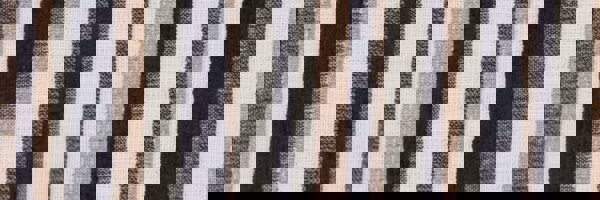
Stripe Upholstery Fabrics for Winter: Bold Patterns That Hide Stains and Add Visual Interest

Upholstery Fabric

When winter weather brings muddy boots, spilled hot chocolate, and family gatherings into your living room, your upholstery fabric choices matter more than ever. While many homeowners gravitate toward solid colors or subtle textures, stripe upholstery fabrics offer a practical yet design-forward solution that tackles winter's messiest challenges while elevating your interior aesthetic.

If you haven't considered striped upholstery for your winter furniture refresh, now is the time to reconsider this versatile pattern option.

Why Stripes Are Winter's MVP Pattern

Striped upholstery fabrics possess a unique advantage during the winter season: they're genius at camouflaging the inevitable wear and tear that comes with increased indoor time. Horizontal and vertical stripes break up stains, dust, and dirt marks far better than solid fabrics, making them the practical choice for high-traffic family rooms, media areas, and guest seating.

Beyond functionality, stripes add visual movement and dimension to spaces that might feel heavy or static during long winter months. A well-chosen striped fabric can expand a room's perceived size, draw the eye upward, and create an intentional design statement without overwhelming your décor.

Stripe Patterns for Every Winter Style

  • Classic Ticking Stripes: Narrow, crisp stripes in navy, black, or grey paired with white create a timeless, nautical-inspired look that pairs beautifully with coastal and farmhouse winter interiors.
  • Bold Wide Stripes: For contemporary homes, wider stripes in contrasting colors—think charcoal and cream, or deep blue and ivory—make a confident design statement that serves as a room's focal point.
  • Subtle Texture Stripes: Woven striped fabrics with tonal variations in beige, grey, or cream offer sophistication without visual dominance, perfect for spaces where balance is key.
  • Multi-Color Stripes: Winter calls for richness; consider stripes incorporating multiple hues like burgundy, forest green, and cream for layered visual interest that complements seasonal décor.

Choosing the Right Striped Fabric for Winter

When selecting striped upholstery fabric, consider stripe width relative to your furniture piece. Smaller-scale stripes work well on accent chairs and ottomans, while bolder stripes suit larger sofas and sectionals. Proportional balance ensures your striped furniture piece integrates seamlessly into your overall winter interior design.

Durability matters during winter months when furniture sees heavy use. Look for striped fabrics in performance-grade materials like cotton blends, polypropylene, or solution-dyed synthetics that resist staining and fading while maintaining their color vibrancy through multiple seasons.

Styling Striped Upholstery for Winter

Striped upholstery acts as an excellent canvas for layering textures and patterns without creating visual chaos. Pair a striped sofa with solid-colored throw pillows in complementary hues, add a chunky knit throw blanket, and include a geometric area rug for depth and warmth.

For interior designers working with clients, striped upholstery fabrics offer flexibility in winter color palettes. Stripes allow you to incorporate multiple colors—creating visual interest—while maintaining the cohesive, sophisticated feel clients expect from professional design.

Winter-Specific Stripe Recommendations

  • Choose darker stripe colors (navy, charcoal, black) as part of your pattern to minimize visible wear during winter's messiest months
  • Select striped fabrics with slight texture or sheen variations to add depth and luxury feel to winter-focused spaces
  • Consider vertical stripes in smaller rooms to visually heighten spaces that feel cramped during winter when you're spending more time indoors
  • Layer striped upholstery with warm metallic accents (brass, copper, gold) to enhance winter's cozy-luxe aesthetic

The Bottom Line

Striped upholstery fabrics deserve prime real estate in your winter furniture plans. They combine practical stain-hiding benefits with sophisticated visual appeal, making them an intelligent choice for busy households and design-conscious homeowners alike. Whether you prefer classic ticking stripes or contemporary wide-stripe patterns, the right striped upholstery fabric transforms your winter living spaces into rooms that are both beautiful and resilient enough to handle everything the season throws at them.

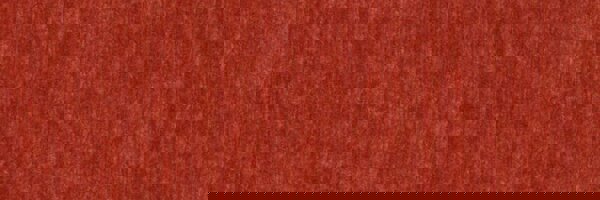
Warm Winter Tones: Why Burnt Orange and Terracotta Upholstery Fabrics Are Having a Moment

Upholstery Fabric

Winter doesn't have to mean surrendering to cool greys and icy blues. This season, interior designers and homeowners are turning to rich, warm upholstery fabrics in burnt orange and terracotta tones—colors that bring genuine coziness to living spaces while remaining sophisticated and on-trend.

If you're redecorating for the colder months or planning a furniture refresh, understanding why these warm orange hues are winning hearts (and heating bills) can help you make confident choices for your home.

The Psychology of Warm Orange Tones in Winter

Burnt orange and terracotta evoke the feeling of autumn fires and warm sunsets—exactly what we crave when temperatures drop. Unlike cool neutrals that can feel sterile in winter lighting, warm orange upholstery fabrics create an instantly inviting atmosphere that encourages people to gather and linger.

These colors also photograph beautifully in natural light, making them ideal if you're sharing your home on social media or simply want spaces that feel vibrant in winter's shorter daylight hours.

Finding the Right Orange Fabric for Your Space

Not all orange upholstery fabrics work the same way. The key is choosing the right finish and texture to complement your existing décor:

  • Velvet in burnt orange: Creates luxury and drama, perfect for statement pieces like accent chairs or sectionals in modern living rooms
  • Linen blends: Offer a softer, more casual take on terracotta—ideal for family rooms and spaces with kids or pets
  • Textured weaves: Add visual interest without overwhelming the space, working well in smaller rooms or as complementary pieces
  • Jacquard patterns: Blend warm orange with complementary tones for sophistication without solid color commitment
  • Performance fabrics: Available in orange tones, these are practical for high-traffic areas while maintaining that warm aesthetic

Styling Orange Upholstery in Winter Interiors

Warm orange tones pair beautifully with winter's other trending colors. Consider these combinations:

  • Orange + cream: Timeless and calming; the cream softens the intensity while orange provides warmth
  • Orange + deep brown: Rich and grounding; perfect for traditional or eclectic spaces
  • Orange + forest green: Creates an earthy, nature-inspired sanctuary that feels luxurious
  • Orange + charcoal: Modern and bold; great for contemporary homes wanting personality without pastels

Layer in accessories like mustard throw pillows, rust-toned area rugs, or burnt sienna artwork to amplify the warmth without committing to additional furniture pieces.

Quality Matters: Choosing Durable Orange Fabrics

Winter is hard on upholstery. Increased indoor heating, moisture from wet winter gear, and more time spent indoors means your fabrics need to perform. When selecting orange upholstery:

  • Check durability ratings—aim for fabrics rated for medium to heavy use
  • Consider stain resistance; winter brings mud, salt, and spills
  • Test color fastness; quality orange fabrics shouldn't fade under winter sunlight
  • Feel the weight; heavier fabrics typically last longer and feel more luxurious

Orange Upholstery for Every Budget

Whether you're investing in a statement sofa or updating a single accent chair, warm orange fabrics are available at every price point. Mid-range options often provide the best value, offering quality construction and color stability without premium designer pricing.

Consider starting with a smaller piece—an ottoman or dining chair—if you're hesitant about committing to an orange sofa. This lets you live with the color through the entire winter before investing in larger furniture.

The Bottom Line

Burnt orange and terracotta upholstery fabrics offer the warmth and coziness winter demands while keeping your interior design current and sophisticated. Whether you choose luxe velvet for a cozy reading nook or practical performance fabric for your main seating area, these colors prove that staying warm doesn't mean sacrificing style.

This winter, embrace the warmth. Your home—and your guests—will thank you.

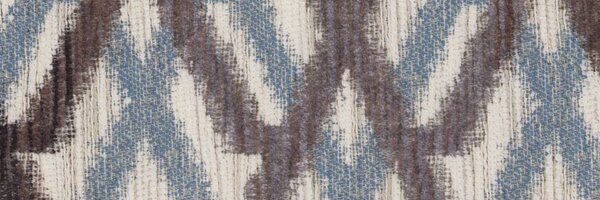
Grey and Cream Upholstery Fabrics: The Winter Neutrals That Transform Your Space Without the Cold Feel

Upholstery Fabric

Winter is the perfect time to reassess your living spaces, and your upholstery fabric choices play a crucial role in creating an inviting atmosphere. While many homeowners default to dark, heavy colors during the colder months, there's a sophisticated alternative that's gaining traction among interior designers: the strategic pairing of grey and cream upholstery fabrics. These neutral powerhouses offer the visual warmth of winter without sacrificing the airiness that prevents rooms from feeling oppressive.

Why Grey and Cream Are the Ultimate Winter Neutrals

Grey and cream upholstery fabrics represent a middle ground between the starkness of white and the heaviness of charcoal. Unlike pure white, which can feel cold and clinical in winter lighting, cream brings subtle warmth while maintaining brightness. Grey, when chosen correctly, adds sophistication and visual interest without the darkness that can make small spaces feel cramped during long winter days when natural light is limited.

The beauty of these neutrals lies in their versatility. Whether your home follows a modern, traditional, or transitional aesthetic, grey and cream upholstery fabrics serve as the perfect canvas for layering textures, patterns, and seasonal décor elements.

Strategic Layering: The Key to Winter Comfort

The trick to making grey and cream upholstery feel warm rather than sterile is thoughtful layering. Consider these approaches:

  • Mix textures: Pair a smooth cream sofa with a textured grey armchair. The dimensional quality adds visual warmth and prevents the space from feeling flat.
  • Add patterned accents: Introduce a designer print throw pillow in warm tones—think rust, terracotta, or warm gold—to break up solid neutrals without clashing.
  • Incorporate warm metallics: Brass or gold side tables and lamp bases complement grey and cream beautifully, adding richness that feels intentional and cozy.
  • Use layered textiles: Heavy knit throws, wool blankets, and plush area rugs amplify the cozy factor your upholstery establishes.

Choosing the Right Grey and Cream Upholstery Fabrics

Not all greys and creams are created equal. When shopping for upholstery fabrics, pay attention to undertones. Warm greys with beige undertones feel more inviting than cool greys with blue undertones—though cool greys work beautifully if you're layering with warm-toned accessories. Similarly, cream upholstery fabrics with slight yellow or taupe undertones feel more luxurious than stark ivory options.

Texture matters significantly. A cream linen upholstery fabric offers casual elegance, while cream velvet delivers luxury. Grey woven fabrics add subtle visual interest, while grey solid options provide timeless sophistication. For winter specifically, consider slightly heavier weaves that feel more substantial and insulating to the touch.

Durability Meets Design

Winter means increased use of furniture—more snuggling on couches, more movie marathons under blankets, and unfortunately, more spills from warm beverages. When selecting grey and cream upholstery fabrics, prioritize performance options. Look for fabrics with stain resistance or easy-clean properties, especially if your household includes children, pets, or frequent entertaining.

Many modern grey and cream upholstery fabrics are treated with protective coatings that resist staining without compromising the fabric's natural feel or appearance. This ensures your investment maintains its beauty throughout winter and beyond.

Styling Your Grey and Cream Investment

Once you've selected your upholstery fabrics, styling becomes the fun part. Grey and cream act as sophisticated backdrops for seasonal décor. In winter, layer in jewel tones (emerald, sapphire, amethyst), warm metallics, and natural elements like wooden frames and stone accents. This approach creates visual interest while maintaining the calm, sophisticated foundation your neutral upholstery provides.

As seasons change, your grey and cream upholstery easily transitions to spring pastels, summer brights, or autumn earth tones simply by rotating accessories.

Final Thoughts

Grey and cream upholstery fabrics offer homeowners and designers a sophisticated solution for winter living that feels both warm and refreshingly modern. By thoughtfully combining these neutrals with textures, patterns, and warm accents, you create spaces that invite relaxation without sacrificing style. This winter, consider whether these timeless hues might be the foundation your home décor has been missing.