RSS

Blog posts of '2026' 'February'

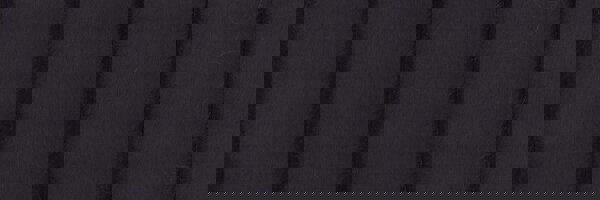
Navy & Black Upholstery Fabrics: The Winter Power Duo for Creating Timeless Interiors

Upholstery Fabric

Winter is the season when homeowners and interior designers finally embrace the drama of deep, anchoring colors. While burgundy and grey have had their moment in the spotlight, there's a timeless power duo that consistently outperforms seasonal trends: navy and black upholstery fabrics. These two colors aren't just winter staples—they're the foundation of sophisticated interior design that transcends seasons and style preferences.

If you're planning to refresh your furniture this winter, understanding how to layer navy and black upholstery can transform your space from ordinary to exceptional. Let's explore why these colors deserve a permanent place in your home design strategy.

Why Navy and Black Rule Winter Interiors

Navy and black create visual weight and grounding that lighter winter colors simply cannot achieve. Unlike trendy seasonal hues, these timeless shades work with virtually any existing décor, making them ideal for homeowners who want investment pieces that won't feel dated next year.

From an SEO and design perspective, navy offers slightly more versatility than pure black. Navy reads as more approachable and residential, while black commands authority and sophistication. Together, they create a layering system that professional designers use to build dimension without adding visual chaos.

The Art of Layering Navy and Black Upholstery

The key to using navy and black successfully lies in variation—not just in color, but in texture and fabric type:

  • Anchor with Black: Use black upholstery as your statement piece—perhaps a sofa in a structured weave or modern texture that draws the eye immediately.
  • Build with Navy: Layer in navy through secondary seating, ottomans, or accent chairs. This prevents your space from feeling too stark or one-dimensional.
  • Mix Textures: Pair a smooth black vinyl or faux leather sofa with a navy boucle or chenille accent chair. The textural contrast creates visual interest without color confusion.
  • Add Pattern Strategically: Consider navy-and-white striped or navy designer print upholstery on smaller pieces to break the monotony while maintaining cohesion.

Fabric Types That Excel in Navy and Black

Not all upholstery fabrics perform equally in these deep colors. Winter interiors benefit from fabrics that enhance the luxurious feel these shades naturally convey:

  • Velvet: Navy or black velvet upholstery practically glows with richness, perfect for creating cozy winter retreats.
  • Jacquard Weaves: These structured fabrics add sophistication while hiding wear better than solid options.
  • Linen Blends: For designers seeking breathability without sacrificing winter appeal, navy linen offers textural depth.
  • Corduroy: This underrated option in navy or black provides durability and tactile interest for high-traffic spaces.
  • Faux Leather: Black faux leather delivers modern edge and practical stain resistance.

Practical Styling Tips for Your Winter Refresh

Consider Your Space's Natural Light: Navy works better in rooms with abundant natural light, as it won't absorb light and darken the space. Black requires strategic lighting to prevent a cave-like atmosphere.

Balance with Neutrals: Pair navy and black upholstery with cream, white, or beige accessories, wall colors, and trim work. This prevents your interior from feeling oppressive or overly formal.

Invest in Quality: These classic colors justify investment in higher-quality fabrics. Navy and black hide stains less effectively than lighter colors, making durability essential for family homes.

Plan for Longevity: Since these colors transcend trends, you can confidently choose upholstery pieces that will anchor your space for years without fear of them becoming dated.

The Winter Interior Design Truth

While seasonal color psychology influences our choices, navy and black upholstery fabrics represent something deeper: the pursuit of timeless, sophisticated interiors that provide both visual comfort and lasting style. This winter, consider moving beyond trendy seasonal palettes and investing in pieces that will serve as the foundation for countless future design iterations.

Whether you're a homeowner seeking your next sofa or an interior designer building a cohesive client proposal, navy and black deserve prominent consideration in your upholstery fabric selection process.

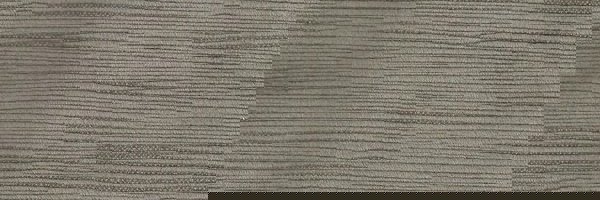
Burgundy & Deep Wine Upholstery Fabrics: The Winter Color That Outperforms Red in Formal Spaces

Upholstery Fabric

When winter arrives and homeowners begin reimagining their interior spaces, many default to predictable color palettes. But there's a sophisticated middle ground between the boldness of red and the safety of neutral tones: burgundy and deep wine upholstery fabrics. These jewel-toned hues are experiencing a resurgence in high-end interior design, and for good reason.

Burgundy fabrics offer the dramatic impact of red without the overwhelming intensity that can dominate a room. They're especially valuable for formal spaces where you need color that commands attention while maintaining an air of refinement.

Why Burgundy Outperforms Traditional Red This Winter

Red upholstery fabric can feel aggressive in large quantities, particularly in smaller rooms or formal settings. Burgundy solves this problem by incorporating deeper undertones that create visual depth and sophistication. The color reads as more intentional and curated—exactly what modern interior designers are looking for in 2024.

Additionally, burgundy pairs exceptionally well with winter's natural color palette. Think deep wood tones, gold accents, black trim, and cream backgrounds. These combinations create layered, luxurious spaces that feel both cozy and upscale.

Best Applications for Burgundy Upholstery Fabrics

  • Wingback Chairs: A burgundy velvet or jacquard wingback becomes an instant focal point in a formal living room or library
  • Statement Sofas: A burgundy sofa in a textured fabric like boucle or chenille anchors larger spaces without overwhelming them
  • Dining Chairs: Burgundy upholstered dining chairs create an elegant, restaurant-quality aesthetic perfect for entertaining during the holiday season
  • Ottoman Accents: Use burgundy as an accent piece to introduce the color without full commitment
  • Headboards: A upholstered burgundy headboard adds unexpected luxury to bedroom designs

Fabric Textures That Elevate Burgundy Tones

The fabric texture you choose makes all the difference in how burgundy reads in your space. Here's what works best:

Velvet: Creates a luxurious, light-reflecting surface that makes burgundy appear richer and more dimensional. Perfect for formal living rooms and bedrooms.

Jacquard: Introduces pattern complexity while keeping the burgundy hue prominent. Ideal for statement furniture pieces that need visual interest.

Chenille: Offers a softer, more casual approach to burgundy while maintaining durability for high-traffic areas. Works well in family rooms paired with traditional décor.

Cotton Blends: Provide a more understated burgundy appearance, ideal for contemporary spaces where you want color without drama.

Styling Burgundy Upholstery with Winter Décor

Successfully incorporating burgundy upholstery requires thoughtful coordination with your existing décor:

  • Pair with cream or ivory walls to let the furniture be the hero of the room
  • Add metallic accents (gold, bronze, or copper) through lighting, frames, and decorative objects
  • Layer with black or deep brown wood furniture to create richness and sophistication
  • Use white or cream textiles (throws, pillows) to break up the intensity
  • Incorporate deep green plants or botanical prints to echo natural winter colors

Durability Considerations for Winter

Burgundy upholstery fabrics, especially in formal settings, should be selected with durability in mind. If you're choosing burgundy for high-traffic areas, look for performance fabrics that resist staining and fading. Synthetic blends and solution-dyed options maintain their color vibrancy throughout winter and beyond.

For formal spaces with lower traffic, you have more freedom to explore luxurious natural fibers like wool-blend fabrics that develop a beautiful patina over time.

The Bottom Line

Burgundy upholstery fabrics represent a confident design choice that bridges the gap between bold statement and sophisticated restraint. As we head deeper into winter and holiday entertaining season, these deep wine tones create the perfect backdrop for memorable gatherings and refined personal spaces.

Whether you're updating a single accent chair or investing in a statement sofa, burgundy upholstery offers the complexity and elegance that elevates any interior design project—without the commitment of more daring colors.

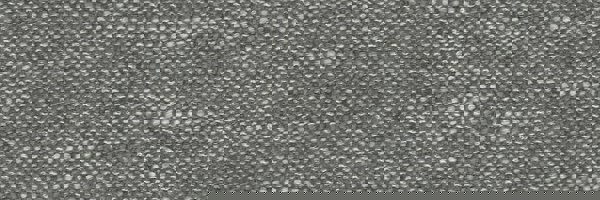
Grey Upholstery Fabrics for Winter: Creating Sophisticated Contrast in Monochromatic Spaces

Upholstery Fabric

Winter's minimalist aesthetic has sparked a renewed interest in monochromatic design, and grey upholstery fabrics have emerged as the sophisticated foundation for this timeless approach. While many homeowners gravitate toward dramatic blacks or cozy creams, grey offers a versatile middle ground that works beautifully across contemporary, traditional, and transitional interiors.

Why Grey Is Winter's Most Underrated Upholstery Choice

Grey upholstery fabrics provide a neutral canvas that doesn't feel cold or sterile when chosen thoughtfully. Unlike pure blacks that can feel heavy in smaller spaces, or whites that show every spill during holiday entertaining, grey strikes the perfect balance for winter living. It reflects natural light during those shorter winter days while maintaining sophistication year-round.

For interior designers and homeowners planning winter refreshes, grey upholstery allows you to invest in a statement piece without committing to trendy colors that may feel dated by spring. This practical longevity makes grey an intelligent choice for high-investment furniture pieces.

Texture Layering: The Secret to Making Grey Fabrics Feel Luxurious

The key to preventing grey upholstery from feeling flat or institutional lies in texture variation. This winter, consider combining multiple grey fabrics with different weaves and finishes:

  • Chenille Grey: Offers a soft, nubby texture that feels inviting and casual, perfect for sectionals in family rooms
  • Jacquard Grey: Provides subtle pattern and visual interest while maintaining the neutral palette
  • Grey Velvet: Creates an elegant, touchable surface ideal for accent chairs and statement pieces
  • Woven Grey: Delivers clean lines and contemporary appeal for modern furniture designs
  • Linen Grey: Adds natural texture with a slightly relaxed, organic feel

By layering these textures throughout your living space—a velvet sofa paired with a woven ottoman and chenille accent chairs—you create visual depth that makes monochromatic schemes feel intentional and designed rather than boring.

Pairing Grey Upholstery with Winter Accessories

Grey upholstery becomes a powerful design tool when styled with complementary winter elements. Rather than adding more grey, consider these strategic pairings:

  • Warm metallics (brass, copper, gold) against cool grey tones
  • Natural wood frames that contrast with grey fabric upholstery
  • Deep jewel-tone throws and pillows in emerald, sapphire, or burgundy
  • White or cream trim and piping on grey furniture for definition
  • Patterned rugs with grey as a secondary color to ground seating areas

This approach prevents your space from feeling flat while keeping the sophisticated, cohesive aesthetic that makes monochromatic schemes so appealing.

Practical Considerations for Grey Upholstery Fabrics

Beyond aesthetics, grey upholstery requires smart shopping choices. Light to medium grey fabrics show dust and wear more visibly than darker options, so consider the traffic level in your space. Families with children or pets should opt for performance-grade grey fabrics with built-in stain resistance.

The undertone of grey matters significantly. Cool greys with blue undertones work best in modern spaces with chrome or stainless steel accents, while warm greys with beige or taupe undertones complement traditional or transitional interiors with wood furnishings.

Shopping Smart This Winter

When selecting grey upholstery fabrics, order samples before committing to large furniture purchases. Winter lighting—particularly in northern regions—differs dramatically from summer daylight, and grey's appearance changes throughout the day. Test samples in your actual space during morning, afternoon, and evening hours to ensure the shade works with your existing décor and lighting conditions.

Quality matters with neutral fabrics. Because grey upholstery lacks bold pattern or color to distract from imperfections, superior construction, balanced weave, and durable fibers become essential investment factors.

This winter, embrace grey upholstery not as a safe fallback, but as a sophisticated design choice that elevates your interior through thoughtful texture, strategic pairing, and intentional styling.

Cream & Beige Upholstery Fabrics: Creating Cozy Winter Layering in Your Home

Upholstery Fabric

Why Winter Calls for Neutral Upholstery Layering

Winter doesn't always mean dark, heavy fabrics. The most sophisticated winter interiors embrace a different philosophy: strategic layering of warm neutrals that create visual depth while maintaining that coveted cozy aesthetic. Cream and beige upholstery fabrics are experiencing a renaissance among interior designers who understand that lighter neutrals actually amplify warmth when layered thoughtfully.

The secret lies in texture variation rather than color intensity. By combining multiple cream and beige upholstery pieces with different weaves and finishes, homeowners create dimension that feels intentional and luxurious—without the visual heaviness that dark winter palettes can impose on smaller living spaces.

The Art of Winter Neutral Layering

Layering upholstery fabrics in cream and beige tones requires understanding how different textures interact. A smooth beige linen sofa paired with a cream boucle armchair and a textured beige woven ottoman creates visual interest that prevents the space from feeling monotonous or washed out.

  • Base Layer: Start with your largest furniture piece in a cream or light beige solid upholstery fabric. This anchors the space and provides a neutral foundation.
  • Texture Layer: Add secondary pieces in complementary cream tones but with distinct textures—chenille, jacquard, or woven fabrics work beautifully.
  • Accent Layer: Introduce cream or beige decorator prints or subtle patterns to prevent flatness while maintaining the cohesive palette.

Practical Benefits Beyond Aesthetics

Cream and beige upholstery fabrics offer winter-specific advantages that often get overlooked. These lighter neutrals don't show dust or winter dirt as readily as medium greys or blacks, reducing the need for frequent cleaning during months when outdoor elements are tracked indoors more frequently.

Additionally, light-colored upholstery actually brightens spaces during winter's shorter daylight hours. This psychological boost—combined with the tactile warmth of layered textures—addresses seasonal living challenges without relying on dark color psychology.

Choosing the Right Cream & Beige Fabrics for Winter

Not all creams and beiges perform equally in winter settings. Consider these factors when selecting upholstery:

  • Undertone Warmth: Choose cream fabrics with warm undertones (hints of gold or ivory) rather than cool undertones that can feel clinical.
  • Fiber Content: Cotton and cotton-blend upholstery fabrics in cream tones provide breathability and durability, while chenille offers tactile luxury.
  • Pattern Compatibility: Subtle jacquard or tone-on-tone patterns in cream add visual complexity without competing with winter decor accents.

Styling Tips for Maximum Winter Coziness

Once you've selected your cream and beige upholstery foundation, enhance the cozy factor with strategic layering:

  • Pair cream upholstery with warm wood tones to emphasize natural warmth
  • Add textured throw pillows in complementary cream shades to reinforce the layering concept
  • Layer area rugs in coordinating beige tones to ground seating areas and add underfoot comfort
  • Introduce warm metallic accents (brass, copper) rather than silver to maintain thermal visual balance

The Sustainability Angle

Cream and beige upholstery fabrics in natural fibers like cotton and linen align with winter sustainability trends. These durable, neutral classics resist seasonal design trends, meaning your furniture investment won't feel dated when spring arrives. Natural fiber upholstery also ages beautifully, developing character rather than deteriorating under winter use.

Final Thoughts

Winter upholstery doesn't require a complete design overhaul or heavy, dark textiles. By embracing cream and beige fabrics through thoughtful layering, homeowners and designers create spaces that feel both warm and refreshingly sophisticated. The layering approach accommodates smaller spaces better than monochromatic heavy schemes while delivering the psychological and aesthetic benefits winter interiors truly need.

This Sunday, consider how cream and beige upholstery fabrics might transform your winter living space—not through darkness, but through intentional texture and tonal variation.

Winter Upholstery Fabric Shopping Guide: How to Choose Durable Textures for Holiday Entertaining

Upholstery Fabric

Winter weekends bring family gatherings, holiday parties, and extra time spent on your favorite furniture. If you're planning to refresh your upholstery before the season peaks, choosing the right fabric is essential. This Saturday, we're breaking down which upholstery textures deliver both durability and style when your home is busiest.

Why Winter Entertaining Demands Strategic Fabric Choices

Holiday season entertaining puts serious strain on upholstery. Wine spills, chocolate fingerprints, winter coats rubbing against armrests, and increased foot traffic all test your fabric's resilience. Unlike summer entertaining, where lightweight linens suffice, winter months require fabrics that combine sophistication with proven stain resistance and durability.

The good news? Modern upholstery innovations mean you don't have to sacrifice style for functionality. Strategic fabric selection ensures your furniture looks elegant while standing up to winter's demands.

Top Durable Upholstery Textures for Winter Entertaining

  • Chenille Blends: Chenille's plush texture feels luxurious while offering exceptional durability. The tight weave resists staining and handles frequent cleaning beautifully. Choose darker shades or multi-toned patterns to hide minor wear.
  • Performance Vinyl and Faux Leather: These synthetic materials are washable and stain-proof—perfect for households with children or pets. Winter entertaining involves wet outerwear and muddy boots, making these fabrics practically foolproof.
  • Woven Solids: High-quality woven fabrics in tight weaves outperform loose weaves. The structure naturally repels liquids and prevents dirt from embedding. Solid colors in charcoal, navy, or deep burgundy work especially well for winter gatherings.
  • Decorative Jacquard Patterns: Jacquard's complex weaving creates patterns that hide spills and stains better than solids. The raised designs add visual interest while serving a practical purpose during busy entertaining seasons.

Color Strategy for Winter Entertaining

Winter entertaining reveals truth about upholstery colors. Light creams and whites show spills instantly, while pure blacks can appear cold and fade quickly under frequent use. Strategic color selection balances visibility and practicality:

  • Deep jewel tones (sapphire blues, emerald greens, burgundy reds) hide spills while feeling festive
  • Warm browns and chocolate tones mask stains and provide cozy winter ambiance
  • Multi-colored patterns distribute visual attention, making imperfections nearly invisible
  • Grey and greige neutrals offer sophistication while forgiving both light and dark stains

Texture Considerations for High-Traffic Winter Use

Winter entertaining impacts furniture differently than daily use alone. Consider these texture factors when selecting upholstery:

Pile Height: Medium-pile fabrics (like velvet or plush chenille) show footprints and crushing. Low-pile or flat weaves resist visible wear patterns from guests sitting and standing repeatedly.

Weave Tightness: Loose weaves collect debris and absorb spills. Tight weaves form a protective barrier that prevents liquids and dirt from penetrating fibers. Check fabric specifications for thread count and construction density.

Texture Variation: Textured surfaces like boucle or modern geometric weaves diffuse light differently across the fabric surface, making minor wear and stains less noticeable than smooth, reflective fabrics.

Practical Shopping Tips for Winter Entertainment Prep

If you're refreshing upholstery this weekend, implement these shopping strategies:

  • Request fabric samples and test them at home under your actual lighting for 3-5 days
  • Bring samples to gatherings and see how they photograph and appear in social settings
  • Ask about manufacturer stain protection treatments and cleaning recommendations
  • Calculate total cost including professional cleaning services for winter maintenance
  • Review warranty information, especially for high-traffic entertaining pieces

Planning Ahead for Future Winter Seasons

Choosing upholstery strategically now pays dividends throughout winter and beyond. Quality durable fabrics require less frequent replacement and maintain their appearance despite regular entertaining. Investment in performance-tested textiles saves money on reupholstering and keeps your home looking intentional and well-maintained.

This winter season, let fabric durability work as hard as you do during entertaining. Your guests won't notice the strategic texture choice—they'll only experience inviting, beautiful furniture that welcomes them warmly into your home.

Winter Linen Upholstery Fabrics: Why Modern Designers Are Choosing Breathable Weaves Over Heavy Textiles

Upholstery Fabric

Winter typically conjures images of heavy velvet couches and thick chenille throws, but a quiet revolution is happening in interior design circles. Top designers across the USA are embracing linen upholstery fabrics as the unexpected winter choice—and there's solid reasoning behind the trend.

If you've been hesitant about linen during colder months, thinking it's strictly a summer fabric, it's time to reconsider. Modern linen blends and innovative weaving techniques are changing the game for homeowners and professionals seeking durable, sophisticated upholstery solutions that actually improve their living spaces.

Why Linen Works Better in Winter Than You Think

The misconception that linen is fragile or unsuitable for winter stems from outdated fabric standards. Today's linen upholstery fabrics are engineered differently. When blended with cotton or synthetic fibers, linen creates a balanced textile that offers breathability without sacrificing durability—exactly what you need when your home is sealed tight against winter weather.

Winter homes often struggle with stale indoor air and humidity imbalances. Synthetic fabrics trap moisture and odors, while linen naturally regulates moisture levels. This means your furniture actively contributes to a healthier indoor environment during months when windows stay closed and furnaces run continuously.

The Sustainability Factor That Designers Love

Interior designers increasingly recommend linen because it aligns with client values around sustainability. Linen production requires significantly less water than cotton and generates minimal waste. For homeowners investing in quality upholstery that will last decades, linen represents a responsible choice that doesn't require replacing every few seasons.

Unlike trendy winter fabrics that may feel dated by spring, linen upholstery maintains timeless appeal. Your investment won't feel seasonally specific or outdated next year.

Practical Benefits for High-Traffic Winter Living

  • Natural wrinkle resistance: Linen's texture naturally hides minor creases, perfect for furniture you'll be lounging on constantly during winter months.
  • Easy maintenance: Unlike velvet that shows footprints or delicate boucle that traps dust, linen upholstery resists visible dirt and vacuums easily.
  • Temperature neutral: Linen doesn't feel cold to the touch like some winter fabrics, nor does it retain heat excessively like heavy synthetics.
  • Hypoallergenic properties: Winter heating systems kick up dust and allergens; linen naturally resists dust mite proliferation.

Styling Linen Upholstery Through Winter

The key to making linen work for winter is understanding color psychology and layering. While cream and white linens might seem too pale for dark winter months, they actually reflect indoor lighting and make spaces feel larger and more inviting during long, dark days.

Pair neutral linen upholstery with winter accent pillows in deeper tones—charcoal, forest green, or navy. This approach gives you the breathability and longevity of linen while satisfying seasonal design preferences. When spring arrives, simply swap your accessories.

For designers working with clients who prefer darker palettes, linen comes in rich hues including deep brown, charcoal, and slate grey. These options provide sophistication without the heavy visual weight of traditional winter fabrics.

Investment vs. Cost: Why Linen Pays Long-Term Dividends

Yes, quality linen upholstery costs more upfront than polyester alternatives. However, the longevity math is compelling. A well-constructed linen sofa will outlast cheaper options by 10+ years. When you factor in durability, breathability, and timeless appeal, the cost-per-year of ownership becomes remarkably reasonable.

Winter is actually the ideal time to purchase upholstery fabric. You're spending more time on your furniture and can properly evaluate comfort, durability, and how it integrates with your space before committing to a full furniture investment.

Making Your Winter Linen Decision

Before selecting linen upholstery, request sample swatches. Feel the texture, test its weight, and observe how it reflects light in your specific home environment. Ask suppliers about fiber content—linen blends (linen mixed with cotton or polyester) often offer better stain resistance than 100% linen while maintaining breathability benefits.

Winter doesn't require sacrificing comfort, durability, or environmental responsibility. Linen upholstery fabrics represent the modern solution for discerning homeowners and designers ready to move beyond predictable seasonal trends.

Velvet vs. Jacquard Upholstery: Which Winter Statement Fabric Wins Your Living Room?

Upholstery Fabric

As winter settles in and you're spending more time on your sofa, it's the perfect moment to evaluate your furniture's upholstery. Two fabrics consistently steal the spotlight this season: velvet and jacquard. Both deliver luxury, visual impact, and warmth—but they're fundamentally different. Understanding their strengths helps you make a choice you won't regret come spring.

What Makes Velvet the Winter Darling

Velvet upholstery creates an unmistakable sense of indulgence. Its dense, plush pile catches light beautifully, creating depth and richness that photographs well and feels even better. During winter months, when natural light is limited, velvet's light-reflective properties make your living room feel more luxurious and inviting.

The tactile experience is unmatched—velvet invites you to sink in and stay awhile, which aligns perfectly with winter's cozy-at-home energy. It's also practical for temperature regulation; velvet naturally holds warmth, making upholstered chairs and sectionals feel warmer to the touch without additional heating.

However, velvet requires maintenance. It shows footprints, requires regular brushing, and demands careful handling during cleaning. Pet owners and families with young children often find velvet challenging for high-traffic furniture pieces.

Jacquard's Underrated Elegance

Jacquard upholstery deserves more attention than it typically receives. This woven fabric features intricate, raised patterns created during the weaving process—meaning the design is structural, not printed. The result? Visual sophistication that rivals velvet but with superior durability.

Jacquard works beautifully in winter spaces because its patterned nature disguises wear, dust, and minor stains far better than solid-colored velvet. A burgundy jacquard with gold geometric patterns, for example, maintains its appeal even as months pass. The fabric is naturally more resistant to crushing, making it ideal for furniture that serves as both seating and gathering spaces during winter entertaining.

Jacquard also offers versatility. Whether you prefer traditional damask patterns, modern geometric designs, or subtle floral textures, jacquard accommodates various aesthetic preferences while maintaining an air of formality and polish.

Key Comparison: Making Your Decision

  • Durability: Jacquard wins for everyday use. Velvet excels in formal living rooms with light traffic.
  • Maintenance: Jacquard requires standard vacuuming and occasional spot-cleaning. Velvet needs directional brushing and professional cleaning.
  • Aesthetics: Velvet delivers maximum luxury and softness. Jacquard provides pattern, texture, and sophisticated visual interest.
  • Cost: Both are premium fabrics, but quality jacquard typically costs 15-30% less than comparable velvet.
  • Light Reflection: Velvet's sheen is dramatic; jacquard's is subtle and refined.
  • Pet-Friendly: Neither is ideal, but jacquard's pattern masks damage better.

Winter Design Scenarios Where Each Shines

Choose Velvet If: You have a formal sitting room, den, or accent chair that won't see constant use. Velvet in jewel tones (emerald, sapphire, burgundy) creates a sophisticated winter retreat perfect for reading or intimate conversation.

Choose Jacquard If: You need an elegant sofa for your main living area, family room, or media space. Jacquard withstands the rigors of winter gatherings, movie marathons, and daily living while maintaining its polished appearance.

The Smart Approach: Blend Both

Consider using both fabrics strategically. Invest in a durable jacquard sectional as your room's anchor piece, then add velvet accent chairs or pillows for luxury touches. This approach gives you maximum impact while protecting your larger investments.

Before making your final decision, request fabric swatches. Feel both options in person, observe how light interacts with each, and honestly assess your household's lifestyle. Winter is long—your upholstery choice should support both your aesthetic vision and your reality.

Faux Leather Upholstery Fabrics for Winter: Durability Meets Modern Style

Upholstery Fabric

Winter brings wet boots, melting snow, and the inevitable spills that come with cozy indoor living. If you're a homeowner or interior designer searching for upholstery fabrics that can withstand the season's chaos without sacrificing style, faux leather deserves a spot at the top of your list.

Unlike natural leather or delicate woven fabrics, faux leather upholstery offers a unique combination of durability, easy maintenance, and contemporary aesthetics that make it perfect for winter furnishing decisions.

Why Faux Leather Wins During Winter Months

Winter humidity, moisture from clothing, and increased indoor living mean your upholstery faces real challenges. Faux leather stands up to these demands in ways that traditional fabrics simply cannot.

The non-porous surface resists liquid penetration, making spill cleanup as simple as wiping with a damp cloth. No staining. No panic. This practical advantage makes faux leather ideal for households with children, pets, or anyone who values low-maintenance elegance.

Temperature fluctuations won't damage faux leather either. While natural materials can expand, contract, or become brittle in cold, dry winter conditions, synthetic leather maintains its integrity and appearance year-round.

Style Versatility for Modern Winter Interiors

Gone are the days when faux leather meant obvious, plastic-looking furniture. Today's engineered leather fabrics replicate the grain, texture, and depth of genuine leather while offering superior performance.

Whether you're designing a minimalist Scandinavian space or a bold contemporary living room, faux leather upholstery adapts to your vision. The fabric works beautifully in neutral tones that complement winter's natural color palette—from rich blacks to warm taupes—while also serving as a sophisticated foundation for bold accent pieces.

Key Considerations When Choosing Faux Leather for Winter

  • Breathability matters: Look for micro-suede or fabric-backed faux leather that allows air circulation. This prevents that sticky feeling during warmer indoor temperatures and extends the fabric's lifespan.
  • Check the backing: Quality faux leather upholstery features a sturdy polyester or cotton base that resists peeling and maintains structural integrity through years of use.
  • Consider color psychology: While darker faux leather hides wear beautifully, lighter shades create an airy feel that combats winter's visual heaviness. Choose based on your lifestyle and aesthetic preference.
  • Feel the texture: Premium faux leather has a subtle grain and natural hand-feel. Budget options may feel plasticky—order samples before committing to large furniture pieces.
  • Verify cleaning instructions: Different faux leather formulations require different care. Some handle mild soap and water; others need specific cleaners. Confirm compatibility with your household habits.

Practical Winter Care Tips for Faux Leather Upholstery

Maintaining faux leather upholstery during winter is refreshingly straightforward. Vacuum regularly with an upholstery attachment to remove dust and debris that accumulate indoors during cold months.

For spills, blot immediately with a soft, dry cloth. For stubborn marks, use a mixture of mild soap and lukewarm water with a soft-bristled brush, working gently in circular motions. Avoid harsh chemicals and excessive moisture, which can compromise adhesives in lower-quality fabrics.

Position furniture away from direct heat sources like radiators and fireplaces. While faux leather handles temperature changes better than natural materials, extreme heat exposure can affect longevity.

Making Your Winter Furniture Investment

Choosing faux leather upholstery for winter isn't just about surviving the season—it's about investing in furniture that remains beautiful and functional for years. The low-maintenance nature means you'll spend less time worrying about your sofa and more time enjoying it with family and friends.

Whether you're reupholstering an existing piece or selecting new winter furniture, faux leather upholstery delivers the practical durability and contemporary style that modern households demand. Order fabric samples today and discover the perfect winter solution for your space.

Corduroy Upholstery Fabrics: Why This Winter Trend Is Perfect for High-Traffic Living Spaces

Upholstery Fabric

When winter weather keeps your family indoors, your furniture takes a beating. Spills happen, pet paws track through, and constant lounging tests even the most resilient fabrics. If you're searching for upholstery that combines durability with winter-appropriate style, corduroy deserves your attention.

Corduroy has experienced a major resurgence in interior design, and for good reason. This classic woven fabric offers practical benefits that synthetic alternatives simply can't match—making it an excellent choice for American homeowners and designers planning their winter furniture refresh.

Why Corduroy Wins for Winter Living

Corduroy's distinctive ribbed texture creates a cozy, inviting aesthetic that feels authentically warm during cold months. Unlike smoother fabrics that can feel slippery or cold to the touch, corduroy's napped surface provides genuine tactile comfort—perfect for winter gatherings and family movie nights.

The fabric's construction makes it exceptionally durable for high-traffic areas. The tightly woven pile resists pilling, crushing, and premature wear. For homeowners with children, pets, or frequent entertaining, corduroy maintains its appearance far longer than delicate alternatives like linen or standard cotton blends.

Practical Advantages for Winter Homes

  • Stain Resistance: Corduroy's dense weave naturally repels liquids, giving you precious seconds to blot spills before they set. This is invaluable when hot cocoa, wine, and holiday beverages flow freely.
  • Easy Maintenance: Most corduroy upholstery requires only regular vacuuming and occasional spot-cleaning. No special treatments or professional cleaners needed—ideal for busy households.
  • Longevity: Quality corduroy easily outlasts trendy winter fabrics, making it a smart investment for sofas and sectionals you'll keep for years.
  • Thermal Properties: The fabric's thickness provides slight insulation, making furniture feel warmer and more inviting during winter months.

Color Considerations for Corduroy Selection

Corduroy's ribbed texture interacts beautifully with color. Darker shades like charcoal, navy, and rich brown hide wear patterns while maintaining sophistication. Neutral corduroy in cream, beige, or grey works for transitional spaces but requires more careful maintenance.

Consider your lifestyle when selecting color. Homes with active families benefit from deeper tones that camouflage the inevitable marks of winter living. If you prefer lighter palettes, plan for more frequent professional cleaning.

Design Versatility Beyond Winter

While we're focused on winter functionality, corduroy's appeal extends beyond the cold season. Its vintage-modern aesthetic complements industrial, mid-century, and contemporary design schemes. Unlike seasonal trends that feel dated by spring, corduroy maintains design relevance year-round.

The fabric works equally well on statement pieces (a sculptural accent chair) or foundational furniture (a family-friendly sectional). Designers appreciate its ability to anchor a room's aesthetic while maintaining practicality.

Corduroy vs. Winter Alternatives

Boucle offers texture but lacks corduroy's durability for heavy use. Velvet feels luxurious but crushes easily under daily wear. Chenille provides softness but can shed. Corduroy balances all these considerations—it's soft enough for comfort, textured enough for visual interest, and durable enough for real-world living.

Shopping for Quality Corduroy Upholstery

Look for corduroy with higher thread counts and quality cotton or cotton-blend construction. Examine fabric samples under different lighting conditions—corduroy's nap creates subtle color variations that affect how the fabric appears throughout your room. Request samples to test durability and confirm color accuracy before committing to larger pieces.

Ask about pile weight and backing quality. Better corduroy features densely packed fibers and sturdy backing that prevents stretching or sagging—especially important for sofas and sectionals that endure winter's heavy use.

The Bottom Line

This winter, consider corduroy as your practical-meets-stylish upholstery solution. It delivers the warmth and texture today's interior design trends demand while providing the durability American households require. Whether you're furnishing a cozy reading nook or selecting a family-friendly sectional, corduroy upholstery offers the perfect blend of form and function for the season ahead.

Winter Color Psychology: How to Choose Upholstery Fabrics That Combat Seasonal Depression

Upholstery Fabric

Winter Monday blues are real. As temperatures drop and daylight diminishes, our homes become sanctuaries—but only if they're designed to support our mental wellness. One often-overlooked tool in combating seasonal affective disorder (SAD) is the strategic selection of upholstery fabrics. The right colors and textures on your furniture can literally transform how you feel during the darkest months of the year.

The Science Behind Winter Color Choices

Interior designers and psychologists have long understood that environmental colors influence mood and energy levels. During winter, when we spend 70% more time indoors than summer months, your furniture becomes a constant visual presence. Choosing the right upholstery fabric colors isn't just an aesthetic decision—it's an investment in your mental health.

Research shows that cooler tones like grey and blue can feel isolating in winter, while warm neutrals and jewel tones provide psychological comfort. This doesn't mean avoiding cool colors entirely; instead, it means balancing them strategically throughout your space.

Best Upholstery Fabric Colors for Winter Wellness

  • Warm Browns: Earth tones ground your space and create feelings of security and stability—exactly what we need when winter feels endless
  • Terracotta and Orange Tones: These warm hues stimulate energy and positivity without being overly bold. Perfect for accent chairs or sectionals
  • Deep Jewel Tones (Purple, Emerald Green): Rich, saturated colors feel luxurious and cozy while providing subtle warmth
  • White and Cream: Maximize natural light reflection in winter months, making spaces feel brighter and more expansive
  • Soft Pink and Rose: Calming yet warm, these shades provide comfort without the heaviness of darker colors

Texture Matters as Much as Color

Winter upholstery fabric selection goes beyond color psychology. Tactile textures become increasingly important when we're spending long hours on the couch. Soft, inviting fabrics like chenille, boucle, and velvet encourage lounging and create physical warmth. Smooth fabrics like linen or cotton, while beautiful, may feel cold and uninviting during winter months.

Consider layering different textures: a warm-toned velvet sofa paired with patterned throw pillows in complementary colors and materials creates visual interest and tactile comfort simultaneously.

Practical Shopping Tips for Winter Upholstery Selections

  • Order Samples First: Winter lighting in your home is dramatically different than store lighting. Request fabric swatches and observe them at different times of day in your actual space
  • Think Long-Term: You'll likely keep winter furniture longer than seasonal decor. Choose colors you'll still love in March when spring arrives
  • Balance Bold with Neutral: If you're drawn to a rich jewel tone, consider making it an accent piece rather than your primary seating
  • Factor in Durability: Winter means more indoor time, which equals more wear on upholstery. Opt for performance fabrics in high-traffic colors that hide dirt naturally
  • Don't Forget Maintenance: Darker colors and patterned fabrics mask stains better than light colors—practical wisdom for busy households

The Designer's Secret: Color Blocking

Professional interior designers often use "color blocking" during winter—strategically pairing upholstery fabrics of different but complementary colors to create visual movement and psychological interest. A warm grey sofa paired with an orange velvet chair and cream accent pieces creates a sophisticated, mood-boosting combination that feels intentional rather than random.

Making Your Purchase Decision

Winter is the perfect season to invest in quality upholstery fabrics because you'll immediately enjoy your purchase during the months when you need it most. Unlike spring or summer furniture shopping, where you're planning ahead, winter purchases deliver instant gratification and wellness benefits.

Start with one key piece—a sofa or sectional—in a warm, psychologically supportive color. Build your room's palette around it with complementary accent pieces. This approach keeps your investment manageable while maximizing the mood-boosting benefits of strategic color selection.

Your winter sanctuary awaits. Choose upholstery fabrics that don't just look good—choose ones that make you feel good when you sink into them on a cold Monday evening.