
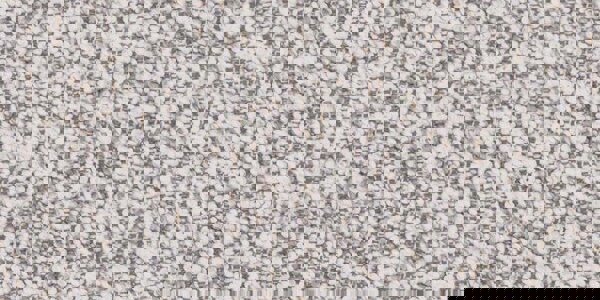
If you've been anywhere near a home decor feed this spring, you've already seen boucle upholstery fabric showing up everywhere. On curved accent chairs, on statement sofas, on ottomans that look like they belong in a very chic cloud. The trend isn't slowing down, and there's a real reason for that. Boucle isn't just visually interesting. It's genuinely pleasant to live with, which is a combination the design world doesn't always get right.
So if you're thinking about reupholstering a chair, shopping for fabric for a new build, or just trying to understand what all the fuss is about, this is the post for you. Boucle has some real strengths, a few honest limitations, and a whole lot of personality. Let's get into it.
What Exactly Is Boucle Fabric?
Boucle is a looped or curled yarn fabric that creates a bumpy, textured surface. The word itself comes from the French word for "buckle" or "curl," which tells you everything about what makes it distinctive. Those loops trap air and give the fabric its signature soft, almost spongy feel.
Most boucle upholstery fabrics are made from a blend of fibers. Wool is the classic choice and still considered the gold standard for quality. You'll also find boucle blended with cotton, polyester, acrylic, or nylon, which affects durability, texture, and price point. A wool-dominant boucle will feel warmer and more luxurious. A polyester blend tends to be easier to care for and more resistant to pilling. Neither is wrong. It depends entirely on what you're upholstering and how much traffic it gets.
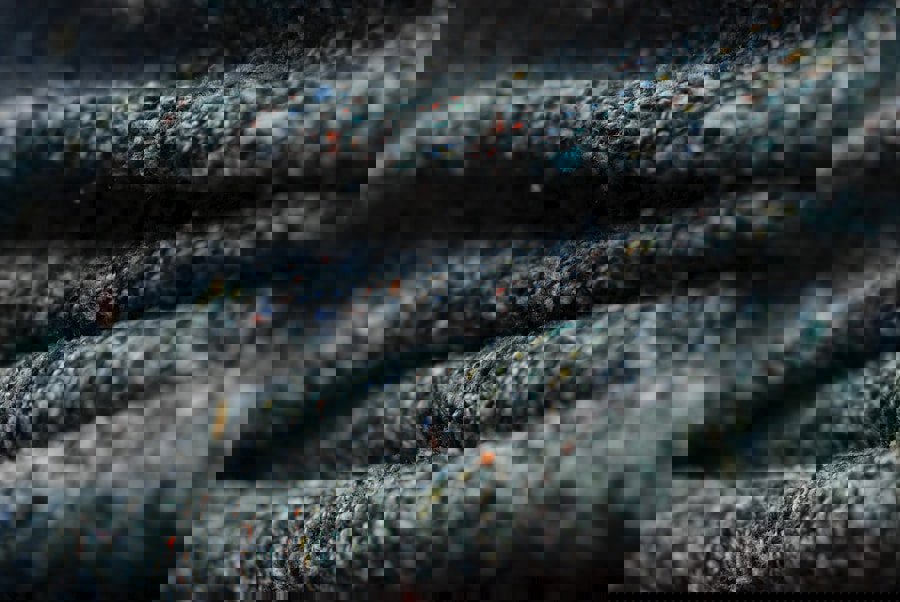
Photo by Olga Kovalski on Unsplash
Why Is Boucle So Popular Right Now?
Boucle's current popularity isn't just about looks. It fits perfectly into the organic, tactile design movement that's been building for a few years now. Homeowners want materials that feel as good as they look. Smooth, cold, perfectly uniform surfaces have started to feel sterile. Boucle is the opposite of that.
It pairs naturally with the curved furniture silhouettes that have dominated upholstery trends since 2022. A rounded, boucle-covered lounge chair hits a specific visual and sensory note that almost nothing else replicates. Plus, the texture reads differently depending on the light, which makes it feel dynamic in a room without being loud or busy.
Spring is actually a great time to work with boucle. The lighter neutral colorways, creams, off-whites, warm greiges, bring in a fresh, airy quality that works beautifully when you're opening windows and letting the season in. It doesn't feel as heavy as it does in winter, which surprises a lot of people.
How Durable Is Boucle Upholstery Fabric?
Boucle upholstery fabric typically ranges from 15,000 to 30,000 double rubs depending on fiber content and construction, making it suitable for light to moderate residential use. A double rub count measures abrasion resistance, where one "double rub" simulates a person sitting down and standing up once. For context, most upholstery professionals recommend a minimum of 15,000 double rubs for residential furniture and 30,000 or more for heavy-use pieces.
Here's the thing: boucle's looped construction is both its charm and its main vulnerability. Those loops can snag. Pets with claws are genuinely not ideal around boucle upholstery, and this is one of the most consistent things fabric professionals will tell you. If you have a cat who treats your sofa like a personal scratching post, boucle is probably not your best call. Dogs that shed but don't scratch? More manageable, especially with tighter-looped constructions.
For pieces that see light to moderate use, like a reading chair, a bedroom bench, or a formal sitting room sofa, boucle performs well and holds its texture over time. The key is choosing a version with a tighter loop and a higher synthetic fiber content if durability is a priority. Looser, more open weaves look incredible but are more delicate.
What Colors and Styles Work Best With Boucle Upholstery?
Neutral boucle is the most popular choice for a reason. Cream, ivory, warm white, and soft greige let the texture do the talking without competing with everything else in the room. These shades are also having an extended moment in interior design right now, especially as a response to the maximalist color wave that peaked a couple years ago.
That said, boucle in deeper tones is genuinely stunning. Camel, terracotta, sage green, and even charcoal boucle bring a richness that flat fabrics in the same color often can't match. The texture adds depth and dimension that elevates what might otherwise read as a flat color story.
From a style perspective, boucle is most at home in organic modern, Scandinavian, and contemporary interiors. It softens clean-lined, minimal spaces beautifully. It also works in transitional rooms where you want warmth without going full traditional. It's a little harder to pull off in very ornate, maximalist spaces, though not impossible if you're intentional about it.
How Do You Care for Boucle Upholstery Fabric?
Boucle upholstery fabric should generally be spot-cleaned with a mild detergent and cool water, avoiding aggressive scrubbing that can distort the loops. Most boucle upholstery is not designed for machine washing once it's on a piece of furniture, so your best strategy is preventive care and prompt attention to spills.
Blot, don't rub. This applies to almost every upholstery fabric, but it's especially true with boucle because rubbing can catch the loops and pull them out of alignment. For regular maintenance, a soft brush attachment on a vacuum works well to lift dust and debris without snagging the texture. For wool-blend boucle in particular, avoid steam cleaning unless the fabric manufacturer specifically approves it, because heat and wool have a complicated relationship.
If you're having a piece professionally upholstered, it's worth asking your workroom or upholsterer about applying a fabric protector spray designed for woven textiles. It won't make boucle bulletproof, but it creates a bit of a buffer for everyday accidents. Especially useful if you're going with a light colorway.
What Should You Look for When Buying Boucle Upholstery Fabric?
When you're shopping for boucle upholstery fabric, there are a few things worth paying attention to beyond just how it looks on screen. First, check the fiber content. A higher wool or natural fiber content usually means better texture retention and a more premium feel, but it may require more careful maintenance. A higher polyester or nylon content typically means better abrasion resistance and easier care.
Also check the loop density. Tighter, more compact loops are more durable and snag-resistant. Looser, more open loops have a fluffier, more dramatic look but are better suited for low-traffic applications. If the product listing includes a double rub count, look for at least 15,000 for occasional-use pieces and 25,000 or more if the piece will see daily use.
Width matters too, especially for larger projects. Most upholstery-grade boucle comes in 54 to 60 inch widths, which is standard for furniture work. Anything narrower may require more yardage and more seaming, which affects both cost and the final appearance. When in doubt, order a sample before committing to yardage. Boucle can look quite different in person than it does in a product photo, because that texture changes everything under real light.
Frequently Asked Questions
Q: Is boucle fabric good for upholstery?Yes, boucle is a good upholstery choice for light to moderate residential use. It typically achieves 15,000 to 30,000 double rubs depending on fiber content and construction, which is appropriate for accent chairs, benches, and sofas that aren't subject to heavy daily wear. It's not recommended for homes with cats or very high-traffic seating situations.
Q: Does boucle fabric snag easily?Boucle's looped construction does make it more susceptible to snagging than flat-woven fabrics, particularly from pet claws or sharp objects. Choosing a tighter loop construction and a blend that includes nylon or polyester will improve its snag resistance significantly.
Q: What is the best way to clean boucle upholstery?The best way to clean boucle upholstery is to blot spills immediately with a clean cloth, then spot-clean with a mild detergent and cool water. Avoid scrubbing or rubbing, which can distort the loops. For routine care, use a soft brush vacuum attachment to remove dust and debris. Always check the fabric's care label before applying any cleaning product or fabric protector.