
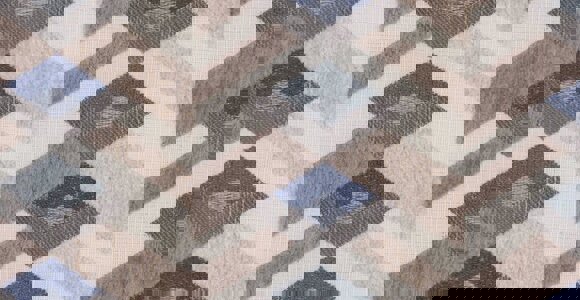
Boucle upholstery fabric is one of those materials that looks like it belongs in a design magazine and somehow still feels approachable enough for a real living room. That loopy, nubby texture has been showing up everywhere lately, from high-end furniture showrooms to mid-century inspired accent chairs at every price point. And honestly, it earns the attention. But boucle is also a fabric people tend to romanticize without fully understanding, so if you're thinking about using it on a sofa, chair, or ottoman, it's worth knowing exactly what you're getting into before you order a yard.
What Is Boucle Fabric, Exactly?
Boucle is a looped, curled yarn fabric with a distinctly bumpy, textured surface. The word comes from the French term for "buckle" or "curl," which describes how the yarn is constructed: fibers are twisted at different tensions to create those signature loops that give the fabric its cozy, almost cloud-like appearance. Most boucle upholstery fabrics today are made from a blend of wool, cotton, polyester, or acrylic fibers, sometimes combined to balance softness with durability. Pure wool boucle tends to feel the most luxurious, but synthetic blends are more practical for furniture that actually gets used.
Boucle sits firmly in the "textural neutral" category of upholstery. It reads as warm and inviting without shouting for attention, which makes it exceptionally easy to work into a room that already has a lot going on with color or pattern. That's a bigger deal than it sounds.
Is Boucle Fabric Durable Enough for Everyday Use?
Boucle upholstery is moderately durable, typically rating between 15,000 and 30,000 double rubs on the Wyzenbeek abrasion test, depending on fiber content and weave tightness. That puts it in a suitable range for light to moderate everyday use, like a reading chair, accent seat, or bedroom bench, but it's not the toughest fabric in the room if you have kids or pets who treat the furniture like a jungle gym.
Here's the thing: the looped construction that makes boucle so visually interesting is also its main vulnerability. Those loops can snag. A pet's claw, a belt buckle, or even a rough zipper can catch on the surface and pull a loop out of place. That doesn't mean boucle is fragile, it just means it rewards a little thoughtfulness in placement. Put it on the occasional chair in the corner of your home office? Perfect. Use it on the main sofa in a house with two large dogs? You might regret it.
Wool-blend boucle tends to have natural resilience and some resistance to pilling over time. Polyester and acrylic blends often handle cleaning better and hold their color longer, especially if they're solution-dyed, which means the color is locked into the fiber itself rather than applied to the surface. Solution-dyed acrylic boucle is particularly worth seeking out if light exposure is a concern, since it has significantly better UV resistance than surface-dyed alternatives.
Why Boucle Fits So Well Into Spring Decorating
Spring is the season when most people start craving lightness. After months of heavy throws and dark, cozy interiors, there's a natural pull toward cream, oat, and warm white tones that feel fresh without being stark. Boucle lives in that sweet spot almost effortlessly. Cream and off-white boucle upholstery in particular has become one of the signature looks of the current organic modern design movement, pairing beautifully with natural wood tones, linen drapery, and simple ceramics.
Beyond neutrals, boucle is also being used in soft sage greens, dusty pinks, and warm taupes this season, which gives it a lot of range. It doesn't have to be the quiet fabric in the room. A dusty rose boucle accent chair in an otherwise neutral space makes a statement while still feeling considered and calm rather than loud. That balance is hard to achieve, and boucle pulls it off almost automatically.
Also, there's something to be said for texture when you're going light on color. A cream boucle chair has far more visual interest than a flat cream chair in the same shade. The dimensional surface catches light differently throughout the day, which makes a single piece of furniture feel alive in a way that flat weaves simply don't.
What to Look for When Buying Boucle Upholstery Fabric
Not all boucle is created equal, and that's never more obvious than when you're comparing samples side by side. A few things worth paying attention to when you're shopping:
- Fiber content: A wool-polyester blend gives you softness plus durability. Pure wool is luxurious but more expensive and needs more careful maintenance. Full synthetic boucle is the most practical and often the easiest to clean.
- Loop size: Smaller, tighter loops are more durable and less likely to snag. Larger, chunkier loops look incredible but are more vulnerable to catching on things.
- Backing: A good upholstery-weight boucle should have a firm backing that prevents excessive stretching during installation and helps the fabric keep its shape over time.
- Double rub count: Look for a minimum of 15,000 double rubs for light use, and aim for 25,000 or higher if the piece will see regular daily use.
- Colorfastness: Ask whether the fabric is solution-dyed or surface-dyed, especially if the piece will sit near a window. Solution-dyed fibers hold their color significantly longer under UV exposure.
- Width: Most upholstery boucle comes in 54-inch widths. Make sure you're calculating yardage based on the fabric width and the scale of the piece you're reupholstering or having made.
One more thing: order samples before you commit. Boucle photographs beautifully, but the actual texture, weight, and color can vary significantly from what you see on a screen. A physical sample tells you things a product photo never can.
How to Care for Boucle Upholstery
Boucle upholstery generally requires gentle care to maintain its texture and appearance over time. Most upholstery-grade boucle should be spot cleaned rather than machine washed, using a mild soap solution and a soft cloth. Avoid scrubbing, which can distort the loops or cause pilling. For loose cushion covers with a dry-clean-only label, stick to that recommendation. The looped structure doesn't respond well to aggressive cleaning methods.
Vacuuming with a soft brush attachment on a low setting is the single best thing you can do to maintain boucle long-term. It removes dust and debris before it works its way into the loops, and it keeps the surface looking fresh between deeper cleans. Professional upholstery cleaning is worth considering once a year for pieces that get regular use.
Frequently Asked Questions
Q: Is boucle fabric good for upholstery?
Yes, boucle is a solid choice for upholstery in lower-traffic applications like accent chairs, benches, and decorative sofas. It typically rates between 15,000 and 30,000 double rubs depending on fiber content, making it suitable for light to moderate daily use. It's not ideal for high-traffic seating or homes with pets who scratch furniture.
Q: Does boucle fabric snag easily?
Boucle can snag more easily than flat-weave fabrics because of its looped surface construction. Sharp objects like pet claws, belt buckles, or rough zippers can catch and pull the loops. Choosing a tighter loop weave and placing boucle pieces in lower-traffic spots significantly reduces this risk.
Q: What colors does boucle upholstery fabric come in?
Boucle upholstery fabric is available in a wide range of colors, though it's most popular in neutral tones like cream, oat, warm white, and beige. It's also commonly found in soft greens, dusty pinks, taupes, and greys. Because boucle's texture adds visual depth on its own, even a single neutral shade tends to look rich and interesting on furniture.
