
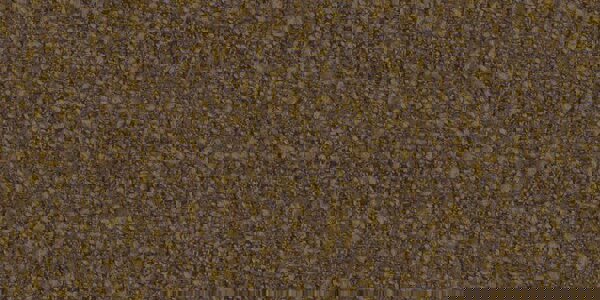
If you've spent any time on design Instagram or walked through a furniture showroom recently, you've probably noticed that boucle upholstery fabric is absolutely everywhere. That loopy, nubby, cloud-like texture has become the defining look of modern interiors right now, and it's not slowing down this spring. But beyond the aesthetics, a lot of people are asking a very fair question: does boucle actually hold up as an upholstery fabric, or is it just a trend that looks better in photos than it performs in real life? Spoiler: it's a lot more capable than it looks.
What Exactly Is Boucle Fabric and Why Does It Look Like That?
Boucle is a looped, textured yarn fabric, and that distinctive bumpy surface is created during the yarn spinning process itself. The word "boucle" comes from the French word for "buckle" or "curl," which perfectly describes how the yarn is twisted with small loops and curls that create that cozy, dimensional surface. It's not a weave style, it's a yarn construction. That distinction matters because it means the texture is built in at the fiber level, not just applied on top.
Traditionally, boucle was made from wool, and high-end versions still are. But most upholstery-grade boucle fabrics today are woven from blended fibers including polyester, acrylic, cotton, and wool combinations. That shift to synthetic blends has actually made the fabric more practical for furniture use, improving durability and stain resistance without completely sacrificing that signature soft, organic feel.
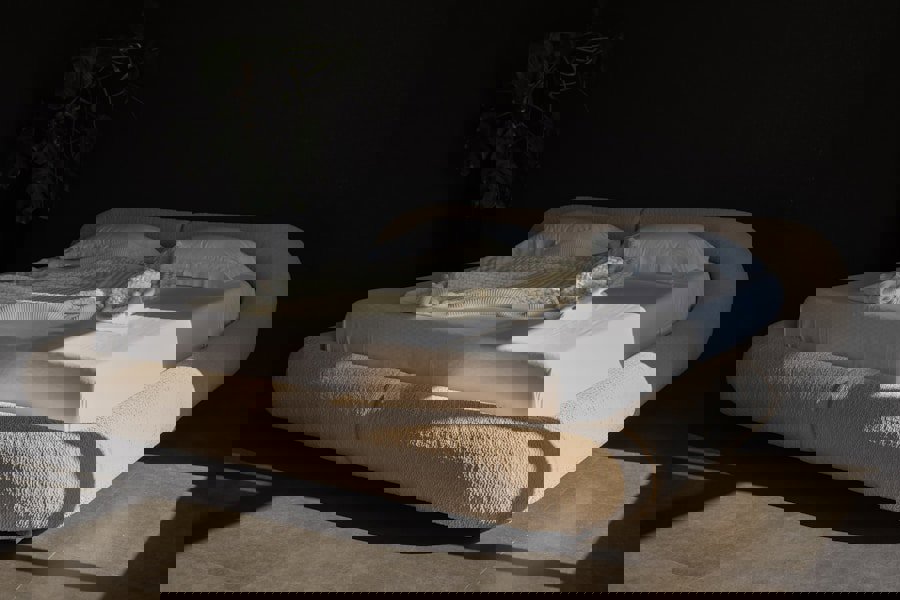
Photo by Caroline Badran on Unsplash
Is Boucle Upholstery Fabric Durable Enough for Everyday Use?
Yes, upholstery-grade boucle fabrics can be highly durable, with quality options typically achieving double rub counts between 30,000 and 100,000 depending on fiber content and construction. Double rub count is the industry standard measurement for fabric abrasion resistance. A fabric with 15,000 double rubs is considered suitable for light residential use, while anything above 30,000 is generally rated for heavy residential use. High-performance boucle blends, particularly those incorporating polyester or acrylic, can exceed 50,000 double rubs, putting them firmly in the category of serious everyday fabrics.
Here's the thing: boucle's textured loops can snag if you're not thoughtful about it. Pet claws, velcro, and rough jewelry are its biggest enemies. If you have cats, that's worth knowing upfront. But for homes with kids, regular sitting traffic, and normal daily use, a quality boucle holds up remarkably well. The loopy texture is also forgiving when it comes to light wear because small surface variations blend right in visually.
Polyester-blend boucles tend to be the most resilient for upholstery applications. They resist pilling better than pure wool versions and are significantly easier to clean. Wool boucle, while gorgeous and naturally resilient, is more vulnerable to moisture and requires more careful maintenance.
What Makes Boucle the Perfect Spring Upholstery Fabric?
Spring is all about bringing warmth and texture back into spaces that have felt heavy and dark through the winter months. Boucle does this better than almost any other upholstery fabric right now. Its light, airy surface reads as visually soft without adding visual weight, which makes it ideal for the kind of refreshed, breathing-room aesthetic that defines spring decorating.
Cream and white boucle sofas are having an absolute moment, pairing beautifully with the botanical prints, warm wood tones, and earthy neutrals that are trending hard this season. But boucle also comes in earthy greens, warm caramels, soft blush tones, and deep charcoals, making it one of the most versatile fabric choices you can make for a spring refresh. It works in minimalist spaces, it works in maximalist layered rooms, and it photographs beautifully, which matters more than ever if you care about how your home looks and feels.
How to Choose the Right Boucle Upholstery Fabric for Your Project
Not all boucle is created equal, and there are a few key things worth checking before you commit to a fabric for upholstery. First, always ask about or check the double rub count. For a sofa or chair that sees daily use, you want at least 30,000 double rubs. For a decorative accent piece or low-traffic chair, you have more flexibility.
Second, check the fiber content. Polyester and acrylic blends are your best bet for durability and ease of cleaning. A fabric that's at least 50% synthetic will be more forgiving than a pure wool or cotton boucle in a high-traffic upholstery application. Some premium boucles use a wool-polyester blend that gives you the softness and visual richness of natural fiber with the resilience of synthetic, which is honestly the sweet spot.
Third, think about the backing. A good upholstery boucle should have a stable woven or knit backing that prevents excessive stretch and helps the fabric hold its shape over time. This backing also makes it easier to work with during reupholstery, which your upholsterer will appreciate.
- Light residential use: Any boucle with 15,000+ double rubs works for accent chairs or occasional furniture
- Heavy residential use: Look for 30,000+ double rubs and a polyester or acrylic blend
- Homes with pets: Opt for tightly looped constructions with a smooth backing, and manage expectations about snag resistance
- Decorative projects: Wool or cotton boucle adds luxurious texture to pillows, headboards, and low-contact pieces
- Cleaning considerations: Look for spot-clean or water-clean codes on synthetic blends; dry-clean only codes on wool versions
Boucle Versus Other Textured Upholstery Fabrics: How Does It Compare?
Boucle sits in an interesting spot compared to other popular textured upholstery fabrics. Compared to velvet, boucle is less formal and more casual in its look, while offering similar visual softness. Velvet typically has higher abrasion ratings in woven versions and is slightly easier to clean, but boucle wins on that tactile, organic, lived-in warmth that velvet can't quite replicate.
Compared to linen, boucle is significantly softer and more texture-forward, though linen edges it out on breathability and natural fiber purists tend to love linen for warm-climate homes. Boucle also holds its look longer than linen in terms of wrinkling and seat compression.
Compared to performance fabrics like solution-dyed acrylic or vinyl, boucle is less waterproof and harder to wipe clean. Solution-dyed acrylic, which has colorfast dye built into the fiber rather than applied on top, offers superior fade resistance and moisture resistance. But boucle wins on aesthetic warmth, which is why designers keep choosing it for living rooms and bedrooms despite the trade-offs.
Frequently Asked Questions
Q: Is boucle upholstery fabric good for sofas?
Yes, boucle is a good choice for sofas when you select an upholstery-grade version with a double rub count of at least 30,000. Polyester or acrylic blend boucles offer the best durability for everyday sofa use, while pure wool versions are better suited to decorative or low-traffic applications.
Q: Does boucle fabric snag easily?
Boucle can snag when exposed to sharp objects, pet claws, or rough materials like velcro because of its looped yarn construction. Choosing a tightly looped boucle with a stable backing reduces this risk significantly, and it remains a practical choice for households without pets or young children who are especially hard on furniture.
Q: How do you clean boucle upholstery fabric?
Cleaning method depends on fiber content. Polyester and acrylic blend boucles are typically spot-cleanable with mild soap and water and are more forgiving with spills. Wool boucle should generally be dry-cleaned or professionally cleaned to avoid shrinkage and distortion of the looped texture. Always check the fabric's care code before cleaning.