
Why Bug Spray Is Tougher on Fabric Than You Think
If you spend any time on a summer patio, you know the drill: citronella candles burning, a bottle of bug spray making the rounds, and everyone trying to enjoy the evening without becoming a mosquito buffet. What most people don't realize is that the same chemicals keeping the bugs away can quietly wreck your outdoor upholstery. Bug sprays, especially those containing DEET (N,N-Diethyl-meta-toluamide), are solvents. They don't just repel insects. They actively break down certain synthetic fibers, strip protective coatings, and cause dyes to fade or bleed in ways that aren't always obvious until the damage is done.
Citronella-based products are a little gentler, but the oils in them can still stain and degrade fabrics over repeated exposure. Sunscreen has the same problem, honestly. If you're choosing upholstery fabrics for a patio, a screened porch, or even an indoor sunroom that sees a lot of summer foot traffic, chemical resistance needs to be part of your fabric selection conversation. Most fabric guides skip this entirely. This one won't.

Photo by Collov Home Design on Unsplash
What Makes a Fabric Resistant to Insect Repellents?
Chemical resistance in upholstery fabric comes down to fiber type, dye method, and finish. The most important of these is fiber type. Natural fibers like cotton and linen absorb liquids readily, which means DEET and citronella oils soak right in and begin breaking down the fiber structure or staining the dye. Synthetic fibers, by contrast, tend to be less absorbent and more chemically stable, though not all synthetics are equal.
Dye method matters more than most people expect. Solution-dyed fibers are produced by adding colorant directly into the liquid polymer before the fiber is extruded, meaning the color is locked inside the fiber itself rather than applied to the surface. This makes solution-dyed fabrics significantly more resistant to fading from chemicals, UV exposure, and cleaning agents. If a fabric's label or product description mentions solution-dyed, that's a genuinely good sign for durability in high-exposure conditions.
Finish is the third factor. Many performance fabrics carry a topical protective coating, like a fluorocarbon or silicone treatment, that creates a barrier between the fabric surface and whatever lands on it. These finishes do wear off over time, especially with repeated cleaning, so they're a bonus rather than a permanent solution. The underlying fiber quality is what carries the long-term load.
The Best Upholstery Fabrics for Bug Spray Exposure
Not every fabric is going to stand up to a summer of citronella and DEET. Here's what actually holds up, and why.
Vinyl
Vinyl is the straightforward winner in chemical resistance. It's a non-porous surface, which means bug spray, citronella oil, and sunscreen sit on top rather than absorbing in. A quick wipe with a damp cloth handles most spills before they become problems. Vinyl doesn't have a dye structure to fade in the traditional sense, so DEET isn't going to strip the color the way it might with a woven fabric. For high-contact outdoor seating, barstools, or casual patio chairs, vinyl upholstery fabric is one of the most practical choices you can make. It also cleans up with mild soap and water, which keeps maintenance simple. The tradeoff is breathability: vinyl gets warm in direct sun. For shaded patios or covered porches, that's less of an issue.
Faux Leather
Faux leather sits in similar territory to vinyl in terms of chemical resistance, though the specifics depend on what the faux leather is made from. Polyurethane-based faux leather (the most common type) handles incidental bug spray contact well and wipes clean easily. It's worth checking whether the product is labeled as PU (polyurethane) rather than PVC, since PU versions tend to be more flexible and less prone to cracking over time. Faux leather also looks polished enough that it works in transitional indoor-outdoor spaces where you want something that reads as intentional and styled, not just durable.
Solution-Dyed Acrylic
Solution-dyed acrylic is the fabric the outdoor furniture industry has built its durability reputation on. Brands like Sunbrella use solution-dyed acrylic as their base, and the reason is simple: the colorfast construction means UV, moisture, and mild chemical exposure don't penetrate the dye layer. Solution-dyed acrylic fabrics typically withstand over 1,000 hours of UV exposure without significant color loss in standardized testing. They're also mold and mildew resistant, which matters on a patio where humidity is part of the package. If you want a fabric that genuinely handles the outdoors, including the reality of bug spray, this is the category to focus on.
Outdoor-Rated Polyester
High-quality outdoor polyester, particularly when it carries a performance weave and a topical treatment, handles chemical exposure reasonably well. It's not quite as bulletproof as solution-dyed acrylic, but it's widely available, more affordable, and comes in a much broader range of colors and patterns. Look for fabrics with a double rub count (that's the industry standard for measuring how many times a fabric can be rubbed back and forth before it shows wear) of at least 30,000 for any seating that's going to see regular use. Outdoor performance polyesters often hit 50,000 or higher.

Photo by Mike Hindle on Unsplash
Which Fabrics to Keep Away from Bug Spray
Honestly, the fabrics that perform worst under chemical exposure are some of the most beautiful ones. That's the frustrating reality.
- Velvet: The pile structure of velvet traps liquids and holds them against the fiber. DEET will flatten the pile permanently and can strip the dye unevenly, leaving visible marks. Velvet gets a bad rap for being delicate, and in this case, that reputation is earned outdoors.
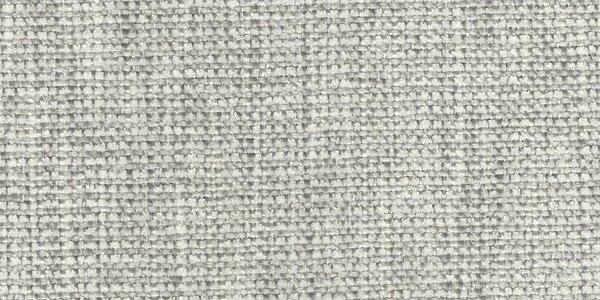
- Chenille: Chenille is criminally underrated for indoor use, but outdoors near bug spray, it's a risk. The looped yarn structure absorbs liquids quickly and doesn't release stains easily.
- Linen and Cotton: Both are natural fibers that absorb rather than repel. DEET is particularly harsh on natural fiber dyes. Citronella oil stains linen in ways that are difficult to reverse without professional cleaning.
- Boucle: The textured loops that make boucle so visually interesting also make it nearly impossible to clean thoroughly after a chemical spill. It's a great living room fabric. It's not a patio fabric.
- Jacquard and Woven Decorative Fabrics: Most decorative jacquards are built for aesthetics, not chemical resistance. The intricate weave structures hold onto stains and don't recover well from solvent exposure.
This doesn't mean you can never use these fabrics in a space where bug spray happens. It means you should go in with eyes open and probably keep a throw blanket or slipcover situation in play if you love a fabric that doesn't love DEET back.
What Should You Look for on a Fabric Label or Product Listing?
When you're shopping for upholstery fabric for a summer-heavy space, here are the specific things worth checking before you commit to a purchase.
- Fiber content: Look for polyester, acrylic, or vinyl as the primary fiber. If cotton or linen is listed, check whether it's been treated with a performance finish.
- Solution-dyed: If this phrase appears in the product description, the color is baked into the fiber itself and will resist fading from chemicals and UV far better than surface-dyed alternatives.
- Double rub count: For patio seating that sees real use, aim for 30,000 double rubs minimum. Anything marketed as "performance" or "outdoor" fabric typically exceeds this.
- Cleaning codes: Look for a "W" (water cleanable) or "S/W" code. Fabrics with only an "S" (solvent clean only) or "X" (vacuum only) code will be miserable to maintain in an outdoor-adjacent space.
- Mold and mildew resistance: This is separate from chemical resistance but equally important for summer outdoor use. Many solution-dyed acrylics and performance polyesters include this as a standard property.
Practical Tips for Protecting Your Upholstery This Summer
Even if you've chosen the right fabric, a few habits go a long way toward keeping your patio upholstery in good shape through bug-spray season.
- Apply bug spray before sitting down, not while seated. Letting the spray dry on skin for a minute or two before contact with fabric dramatically reduces transfer.
- Wipe down vinyl and faux leather surfaces with a damp cloth at the end of outdoor gatherings, especially if repellents have been in use.
- For performance woven fabrics, blot (don't rub) any bug spray contact immediately and follow with a mild soap-and-water rinse.
- Citronella candles and torches are better positioned away from seating fabric rather than directly on side tables next to cushions. The oil-laden smoke can deposit residue over time.
- Consider outdoor fabric protector sprays (different from bug spray, confusingly) as a seasonal refresh for performance wovens. They reinforce the topical barrier that manufacturers apply at the factory.
None of this requires you to become a fabric scientist. The short version: choose the right fiber, keep a damp cloth nearby, and apply bug spray before you sit. Your upholstery will thank you.
Frequently Asked Questions
Q: Does DEET ruin upholstery fabric?DEET can damage many upholstery fabrics, particularly natural fibers like cotton and linen, and surface-dyed synthetics. It acts as a solvent that can strip dyes, break down fiber coatings, and in some cases weaken the fiber structure itself with repeated exposure. Vinyl, faux leather, and solution-dyed acrylic fabrics are the most resistant to DEET damage and are the safest choices for seating near bug spray use.
Q: What is the best outdoor upholstery fabric for a patio that gets a lot of bug spray?Solution-dyed acrylic and vinyl are the top choices for patios where insect repellents are regularly used. Solution-dyed acrylic locks color into the fiber itself rather than on the surface, making it highly resistant to chemical fading and UV exposure. Vinyl is non-porous and wipes clean easily, making incidental bug spray contact a non-issue.
Q: Can I use citronella candles near upholstered patio furniture?Yes, but position them carefully. Citronella oil, carried in candle smoke and liquid spills, can stain and gradually degrade fabric finishes with repeated exposure. Keep citronella candles and torches a few feet from direct contact with cushions and upholstered surfaces, and choose performance fabrics like vinyl or solution-dyed acrylic in spaces where citronella use is frequent.