
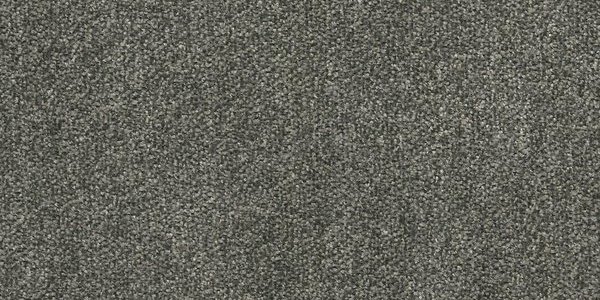
Chenille upholstery fabric is one of the most underrated choices in the entire fabric world, and honestly, that's a little baffling. It's soft enough to sink into, durable enough for everyday use, and it has a subtle texture that photographs beautifully and looks even better in person. If you've been walking past chenille bolts at the fabric store without a second glance, this is your sign to stop and actually feel it. Spring is a great time to rethink your furniture, and chenille deserves a serious spot on your shortlist.
What Exactly Is Chenille Fabric and Why Does It Feel So Good?
Chenille is a pile fabric made by twisting short lengths of yarn, called pile yarns, around a core yarn to create a fuzzy, caterpillar-like texture. The name actually comes from the French word for caterpillar, which makes a lot of sense once you see how the yarn is constructed. The result is a fabric with a distinctly soft, velvety hand feel that's hard to walk away from once you've touched it.
The pile construction is what gives chenille its signature look and feel. Light hits the surface at different angles depending on how the pile is laying, which creates that subtle sheen and dimensional quality you notice when chenille catches the afternoon sun in your living room. It's not flashy. It's just quietly beautiful.
Chenille can be woven from a range of fibers including cotton, acrylic, polyester, rayon, and blends of these. The fiber content matters a lot for performance. Acrylic and polyester chenille tends to be more resistant to fading and wear, while cotton chenille offers a more natural feel but may need more careful maintenance. For upholstery specifically, look for chenille with a high double rub count, ideally 30,000 double rubs or more, which indicates solid resistance to everyday abrasion.
Is Chenille a Good Fabric for Sofas and High-Traffic Furniture?
Yes, quality chenille upholstery fabric is well-suited for sofas and frequently used furniture, provided you choose the right construction and fiber blend. A chenille fabric rated at 30,000 to 50,000 double rubs on the Martindale abrasion test will handle regular family use without pilling or breaking down prematurely. That's not a number to gloss over. Double rub count is one of the most reliable indicators of how a fabric will hold up over time, and chenille in that range competes confidently with many synthetic performance fabrics.
Here's the thing: chenille has a bit of a reputation for being delicate, and that reputation isn't entirely fair. Older chenille constructions, particularly those made with loosely twisted yarns or low-quality fibers, could snag and pill. Modern chenille made with tightly twisted yarns and durable synthetic or blended fibers is a genuinely tough fabric. The key is reading the specs before you buy.
Chenille also resists flattening better than some people expect. The pile is resilient, and with basic care, it holds its texture and appearance well over years of use. It's a solid pick for living room sofas, accent chairs, and window seats. It also works well on dining chairs in lower-traffic settings where you want comfort without sacrificing style.
- Choose chenille with a double rub count of at least 30,000 for everyday furniture
- Polyester and acrylic chenille blends offer better fade resistance than pure rayon or cotton
- Tightly woven chenille resists snagging and maintains its pile longer
- Spot clean with a damp cloth and mild detergent for most everyday spills
- Avoid harsh scrubbing, which can disturb the pile direction and leave visible marks
What Colors and Styles Work Best for Chenille Upholstery This Spring?
Chenille's textured surface does something interesting with color. It absorbs and reflects light differently than a flat woven fabric, which means colors look richer and slightly more dimensional on chenille than they might on a plain weave. That makes it a particularly good choice right now, when spring decorating trends are leaning toward warm, earthy tones and soft organic hues.
Warm neutrals like cream, camel, and warm grey look exceptional in chenille. The texture adds enough visual interest that a solid neutral doesn't feel flat or boring on a large sofa. Brown and terracotta shades are also having a strong moment in home decor right now, and chenille in those tones brings a warmth to living spaces that feels genuinely cozy without being heavy.
If you're an interior designer working on a spring project, consider chenille in sage green or dusty blue for accent chairs. Those tones pair beautifully with natural wood furniture and linen textiles, which are both very much in the current design conversation. The pile texture of chenille adds contrast against smoother surrounding materials and keeps a room from feeling too matchy-matchy.
For a bolder approach, deep jewel tones like burgundy, forest green, or navy in chenille have a quiet luxury to them that works year-round. These aren't loud colors on chenille. The texture softens them in a way that feels sophisticated rather than overwhelming.
How Do You Care for Chenille Upholstery Fabric?
Chenille upholstery is easier to care for than most people assume, but it does have a few preferences worth knowing. First, always check the care label or fabric specification sheet for the cleaning code. Most upholstery chenille carries a W (water-based cleaner), S (solvent-based cleaner), or W-S (either) code. Following the right code prevents damage and keeps the fabric looking its best.
For routine maintenance, a soft brush attachment on your vacuum is your best friend. Vacuum in the direction of the pile to lift dust and debris without disturbing the texture. For spills, blot immediately with a clean cloth rather than rubbing. Rubbing chenille when it's wet can mat the pile and leave a mark that's difficult to reverse.
Chenille generally does not respond well to high heat, so keep steam cleaners and high-temperature settings away from it. If you're dealing with a stubborn stain, a professional upholstery cleaner who works with pile fabrics is a better call than aggressive DIY methods.
One more thing worth knowing: chenille can develop crushing in areas of very heavy, repeated pressure, like a spot where someone always sits the same way. Rotating cushions regularly and fluffing the fabric occasionally goes a long way toward keeping it looking fresh.
Frequently Asked Questions
Q: What is the double rub count I should look for in chenille upholstery fabric?For residential upholstery, look for chenille with a minimum of 15,000 double rubs, though 30,000 or more is recommended for sofas and high-use furniture. Commercial or high-traffic settings typically call for 50,000 double rubs or higher. Double rub count measures how many times a fabric can be rubbed back and forth before showing wear, making it one of the most reliable durability benchmarks available.
Q: Does chenille fabric pill over time?Lower-quality chenille with loosely twisted yarns can pill, but well-constructed chenille made with tightly twisted pile yarns and durable fiber blends resists pilling effectively. Checking the construction quality and fiber content before purchasing is the best way to avoid this issue. High-quality chenille upholstery fabric is designed specifically to maintain its appearance under regular use.
Q: Is chenille upholstery fabric good for homes with pets or kids?Chenille can work well in homes with pets and children when you choose a tightly woven, high double rub count version made from durable synthetic or blended fibers. The soft texture does tend to attract pet hair, so frequent vacuuming is helpful. For homes with very active pets, a performance chenille with stain-resistant treatment applied during manufacturing offers the best combination of comfort and practicality.