
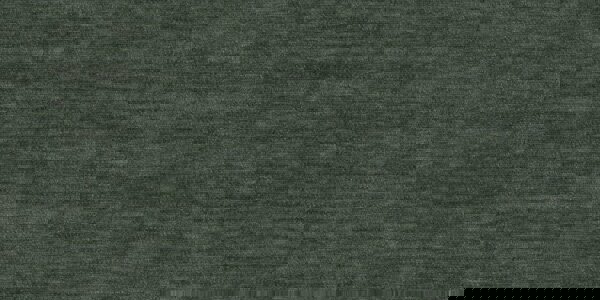
Chenille upholstery fabric is one of those materials that quietly does everything right and somehow still doesn't get the credit it deserves. It's soft in a way that stops people mid-sentence when they touch it, it holds up better than most people expect, and it comes in enough colors and textures to work in a traditional living room just as easily as a modern one. Honestly, chenille is criminally underrated, and if you're shopping for upholstery fabric this spring, it deserves a serious look before you default to something else.
What Exactly Is Chenille Fabric?
Chenille is a yarn, not a fiber. That's the part most people don't know. The word comes from the French word for caterpillar, which makes a lot of sense once you see how it's made. Short lengths of fiber (usually cotton, polyester, rayon, or a blend) are twisted around a core yarn, creating that signature fuzzy, pile-like texture that chenille is known for. The result is a fabric that feels almost velvety to the touch but has a slightly more casual, relaxed look than actual velvet.
The fiber content matters a lot when you're choosing chenille for upholstery. Polyester chenille tends to be more durable and easier to clean. Cotton chenille has a softer, more natural feel but can be a little more prone to snagging. Blended chenille, which combines polyester with cotton or rayon, is often the sweet spot for furniture that gets actual use. Most quality chenille upholstery fabrics fall into that blended category for exactly that reason.
Is Chenille a Durable Choice for Upholstery?
Yes, quality chenille is a genuinely durable upholstery option, with many performance-grade chenille fabrics rated at 30,000 double rubs or higher on the Wyzenbeek abrasion test. That puts it solidly in the range considered suitable for heavy residential use. The double rub count is the standard industry measure for how well a fabric resists abrasion, and anything above 15,000 is generally considered acceptable for sofas and chairs that get daily use. Chenille clears that bar comfortably when you're buying from a quality source.
Here's the thing: chenille's durability depends heavily on construction and fiber content. A tightly woven chenille with a high polyester content will outlast a loosely woven, all-rayon version by years. The pile direction also matters. Chenille has a natural nap, and when upholstered correctly with the pile running in a consistent direction, it resists wear more evenly and maintains its appearance longer. If you're having furniture professionally reupholstered, a good upholsterer will know to account for this. If you're doing it yourself, it's worth keeping in mind when you're cutting your fabric.
One thing to be realistic about: chenille can snag. Pets with claws are the main offender. It's not the most cat-proof fabric out there. For homes with dogs, though, it's actually a solid choice since the texture tends to hide pet hair better than smooth fabrics like velvet or faux leather.
What Furniture Works Best with Chenille Upholstery?
Sofas and armchairs are the most natural fit for chenille upholstery fabric, and for good reason. The fabric's softness makes it ideal for seating where comfort is the priority, and its weight and drape give it enough body to hold up well on structured frames. A chenille sofa has a warmth to it that linen or velvet doesn't quite replicate. It reads cozy without trying too hard.
Beyond sofas, chenille works beautifully on accent chairs, ottomans, and headboards. It adds texture to a room without being loud about it. This spring, a lot of interior designers are gravitating toward layered textures rather than single-material looks, and chenille plays extremely well with linen throw pillows, natural wood tones, and matte metal hardware. It's a fabric that fits right into that warm, grounded aesthetic that's been trending heavily in American homes lately.
What chenille isn't ideal for: high-detail pattern matching, outdoor furniture, or anywhere that gets wet regularly. It's an indoor fabric through and through. Also, because of that nap, it can be tricky to use on pieces with a lot of tight curves or tufting. It's most forgiving on clean, simple silhouettes.
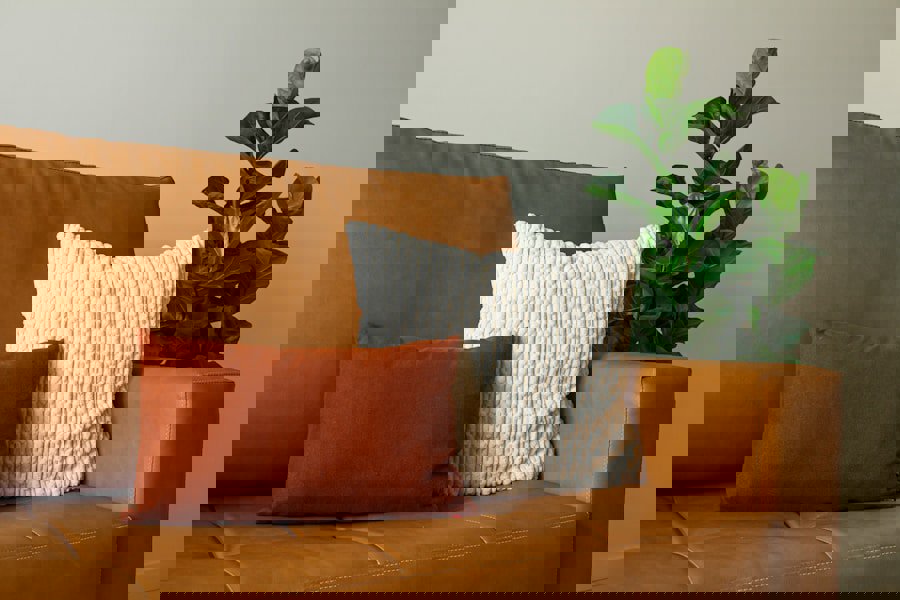
Photo by Lucas de Moura on Unsplash
How to Care for Chenille Upholstery Fabric
Chenille upholstery is lower maintenance than its plush appearance suggests. Most chenille upholstery fabrics carry a W or W-S cleaning code, meaning they can be spot-cleaned with a water-based cleaner or a solvent-based cleaner depending on the stain. Always check the specific cleaning code on your fabric before treating a stain, since chenille blends vary.
For regular maintenance, a soft brush attachment on a vacuum is your best friend. Brushing with the nap (not against it) keeps the pile looking fresh and prevents the flattening that can make chenille look worn before its time. If the pile does flatten in high-contact areas like seat cushions, a soft-bristle brush and some light steam can often revive it. That's a trick professional upholsterers use, and it works surprisingly well at home too.
Avoid harsh chemical cleaners and direct sunlight exposure where possible. While chenille is not as fade-prone as some natural fibers, prolonged UV exposure will affect the color over time, particularly in deeper hues like navy, forest green, or burgundy.
Choosing the Right Chenille Color for Spring
Spring is the perfect time to rethink your upholstery colors, and chenille gives you a lot to work with. Warm neutrals like cream, camel, and warm grey are consistently popular for chenille sofas because they feel fresh without committing to a trend that might not age well. Right now, earthy terracotta, soft sage green, and dusty rose are all performing well in the upholstery market for accent pieces like armchairs and ottomans.
If you're updating a piece for spring, a chenille in a soft sage or warm beige can genuinely transform a room without requiring a full redesign. The texture does a lot of the work. Even a neutral chenille reads as intentional and layered in a way that a flat woven fabric in the same color wouldn't.
At Famcor Fabrics, the chenille selection covers a solid range of colorways, from classic neutrals to deeper jewel tones, so whether you're refreshing a single accent chair or reupholstering a full sectional, there's something that fits the project.
Frequently Asked Questions
Q: Is chenille fabric good for sofas?Yes, chenille is a great choice for sofas. Quality chenille upholstery fabrics typically achieve 30,000 or more double rubs on the Wyzenbeek abrasion test, making them durable enough for heavy daily residential use, and the fabric's soft texture makes it one of the more comfortable options available for upholstered seating.
Q: Does chenille upholstery fabric pill or snag easily?Chenille can snag if exposed to sharp objects or pet claws, but pilling is generally not a significant issue with quality upholstery-weight chenille. Tighter weaves with higher polyester content snag less than loosely woven or rayon-heavy versions, so fiber content and construction quality are the main factors to look for when buying.
Q: How do you clean chenille upholstery fabric?Most chenille upholstery fabrics can be spot-cleaned with a water-based cleaner. Check the cleaning code on your specific fabric first, as blends vary. For regular maintenance, vacuum with a soft brush attachment following the direction of the nap. Avoid harsh chemicals and prolonged direct sunlight to preserve both the pile and the color.