
Getting Coastal Upholstery Right This Spring
Spring is the perfect time to refresh your furniture, and if you're drawn to that relaxed, airy feeling of coastal living, you're not alone. Coastal and nautical-inspired interiors are having a real moment right now, but the best versions of this look are subtle. The goal is upholstery fabric that feels like a deep breath of sea air, not a gift shop in a beach town. The good news is that with the right spring upholstery fabrics, colors, and layering approach, you can pull off a genuinely beautiful coastal interior that holds up to real life, including kids, pets, and the occasional sandy sneaker.
This guide covers what fabrics to choose, what colors actually work, and how to mix textures so everything feels cohesive without feeling like a theme park. We'll get specific, because "use blues and whites" is advice you've already heard.
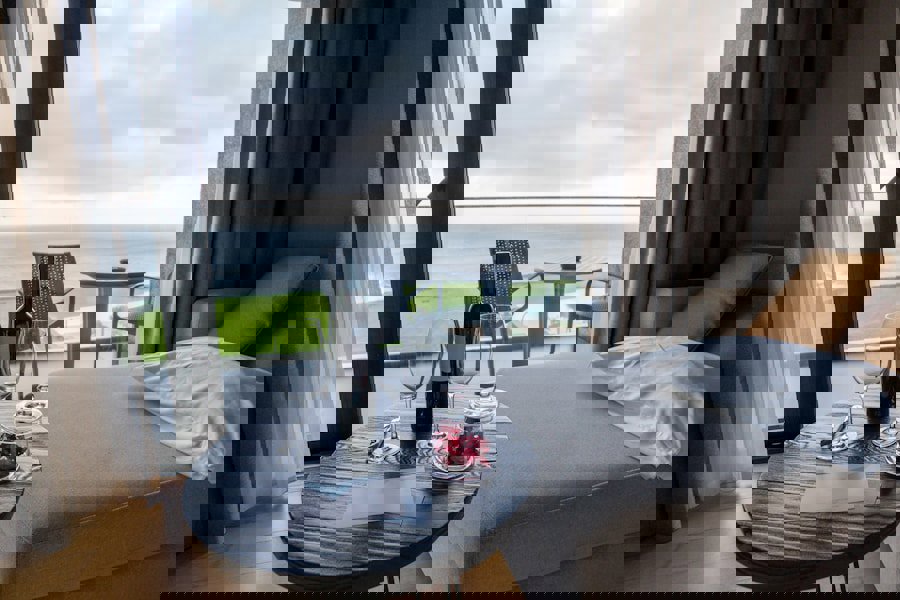
Photo by Antonio Araujo on Unsplash
What Colors Work Best for a Coastal Upholstery Palette?
The most effective coastal color palettes are built on sandy neutrals and soft whites, with blue used more sparingly than you'd expect. Think of the actual beach: it's mostly sand and driftwood, with bursts of blue above and below. Your upholstery palette should reflect that same ratio.
Here's a palette breakdown that actually works in a living room:
- Whites and creams: Use these on your largest pieces, like a sofa or loveseat. Cream is more forgiving than bright white, which can look harsh under indoor lighting. A cream linen or woven fabric on a main sofa immediately sets a light, airy foundation.
- Sandy neutrals and warm beiges: Bring these in through accent chairs, ottomans, or cushions. Beige and warm greige tones connect the look to natural materials and keep the palette grounded. They're also incredibly easy to clean, because they don't show every mark the way white does.
- Blues: This is where most people overdo it. You don't need every cushion to be navy. Instead, pick one or two pieces and go intentional. A soft slate blue chenille accent chair or a striped fabric with thin navy lines on white gives you the coastal reference without wallpapering the whole room in ocean imagery.
- Greens and soft aquas: These are the underrated coastal colors of 2025. Seafoam, sage, and dusty aqua are showing up everywhere in coastal interiors this spring, and they feel fresher than the traditional navy-and-white pairing.
Keep one thing in mind: contrast is your friend. A room that's all one pale tone feels flat, not relaxed. You want enough variation between your whites, your neutrals, and your blues that the space has some visual energy.
Which Upholstery Fabrics Best Capture a Seaside, Relaxed Feel?
The fabrics that work best for coastal interiors share a few common traits: they look effortless, they have natural or natural-looking textures, and they hold up under regular use. Here are the top picks and why each one earns its place.
Linen and Linen-Blend Fabrics
Linen is the coastal fabric. It has a natural slub texture that looks relaxed even when it's perfectly clean, it breathes well, and it ages beautifully. Linen upholstery in ivory, oatmeal, or natural flax tones is exactly the kind of fabric that makes a sofa look like it belongs in a sun-filled beach cottage. The honest caveat: pure linen wrinkles easily and can be tricky to clean. A linen-blend fabric, with added polyester or cotton, gives you the look and texture with better durability and stain resistance. Look for a blend with at least 30% synthetic fiber if you have kids or pets.
Woven and Jacquard Fabrics
Woven upholstery fabrics are built for durability. A quality woven fabric typically achieves 30,000 to 100,000 double rubs, which is the industry standard test for how many times a fabric can be rubbed back and forth before it starts to break down. For reference, anything over 15,000 double rubs is considered suitable for heavy household use. Woven fabrics with subtle texture, like a herringbone or a tone-on-tone stripe, bring visual interest without looking busy. Jacquard weaves, which have the pattern built into the fabric structure rather than printed on top, are especially durable because the design doesn't fade or peel.
Chenille
Honestly, chenille is criminally underrated for coastal interiors. It has a soft, velvety texture that reads as luxurious, but it's much more relaxed than velvet and far more forgiving to clean. A sandy-beige or warm white chenille accent chair is exactly the kind of piece that feels like you're wrapping yourself in a warm towel after a swim. Chenille typically performs well above 15,000 double rubs, and many upholstery-grade chenille fabrics reach 30,000 or higher.
Striped Fabrics
Stripes are the most nautical pattern you can use, but they go wrong when they're too bold or too literal. Thin ticking stripes in navy on cream, or soft multi-color stripes in sandy tones, feel coastal without screaming sailor costume. Use striped fabric on a single accent piece like a dining chair, an ottoman, or a bolster cushion, rather than as the main upholstery on a large sofa.
Boucle
Boucle is having a major moment right now, and it works surprisingly well in coastal interiors. The looped, textured surface looks like something you'd find at a high-end beach resort. In cream, warm white, or soft sand tones, a boucle accent chair adds incredible texture to a coastal room without a single anchor or seashell in sight. It's one of the most effective ways to make a living room feel curated rather than themed.
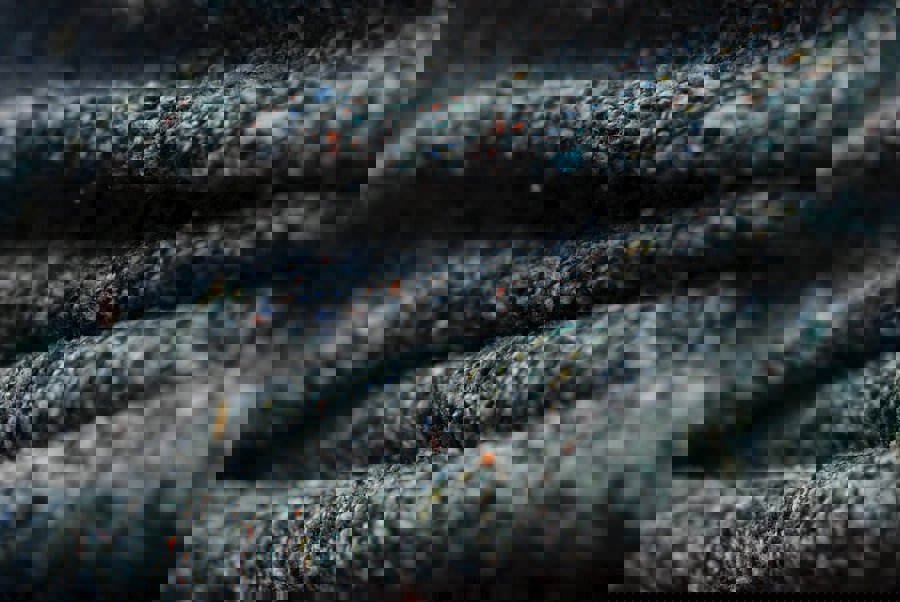
Photo by Olga Kovalski on Unsplash
How to Layer Coastal Fabrics Without It Looking Like a Theme
The difference between a beautiful coastal interior and a clichéd beach house usually comes down to restraint and mixing. Here's how to layer upholstery fabrics in a way that feels cohesive.
- Start with a neutral anchor piece. Your largest upholstered item, usually the sofa, should be in your most neutral color. Cream linen-blend, warm white woven, or oatmeal chenille all work well. This gives you flexibility with everything else in the room.
- Add one patterned piece, not three. A striped accent chair or a designer print cushion with a coastal motif is plenty. When every piece has a pattern, none of them stand out, and the room starts to look busy.
- Mix fabric textures deliberately. A smooth woven sofa pairs beautifully with a boucle chair and linen cushions. The contrast in texture is what makes a room feel layered and interesting. Keep your color palette tight and let the textures do the work.
- Bring in one unexpected color. A soft sage green pillow or a dusty aqua throw on an otherwise neutral sofa is the kind of detail that makes people say the room feels fresh. It keeps the coastal reference without making it literal.
- Avoid matching sets. Buying a sofa, loveseat, and two chairs in the same fabric from the same collection is the fastest route to a room that looks like a furniture showroom. Mix your pieces. It looks more intentional and, honestly, more expensive.
What to Know About Durability Before You Buy Coastal Upholstery Fabric
Coastal interiors look light and breezy, but your upholstery fabric still has to survive real life. Here are the practical things to check before you commit to a fabric.
Double rub count is the most useful durability metric for upholstery fabric. It measures how many back-and-forth abrasion cycles a fabric can handle before showing wear. For a family living room, aim for a minimum of 25,000 double rubs. For a sofa that gets daily use from kids and pets, 50,000 or higher is worth the investment.
Solution-dyed fabrics are worth knowing about if you have a lot of natural light or a sunroom. In solution-dyed acrylic, the color is added to the fiber itself during manufacturing, rather than applied to the surface afterward. This means the color doesn't fade with UV exposure the way traditionally dyed fabrics can. For coastal rooms with big windows, solution-dyed acrylic is a genuinely smart choice.
For cleaning, look for fabrics rated "W" or "W-S" on the care label. A "W" rating means you can clean it with water-based products, which makes everyday spot cleaning much easier. A "S" rating means solvent only, which is more limiting for families. Many linen-blends, wovens, and chenilles carry a W or W-S rating, which is another reason they're practical choices for coastal living rooms.
Frequently Asked Questions
Q: What is the best upholstery fabric for a coastal or nautical interior?Linen-blend, woven, and chenille fabrics in whites, creams, and sandy neutrals are the best choices for coastal upholstery. They have the relaxed, natural texture that suits coastal interiors and are durable enough for everyday household use. For high-traffic seating, look for fabrics with a double rub count of at least 25,000.
Q: How do I use blue in a coastal living room without it looking too literal?Use blue on one or two accent pieces rather than as the dominant color throughout the room. A slate blue chenille chair or a ticking stripe cushion gives you the coastal reference you're looking for without making the room feel like a nautical theme display. Pair blue accents with cream and sandy neutral anchor pieces to keep the overall look balanced.
Q: Is boucle fabric practical for a family living room with kids or pets?Boucle can work in a family living room, but it requires some care. The looped surface can snag on pet claws, so it's better suited to accent chairs that see lighter use rather than a primary sofa. Look for tightly woven boucle with a high double rub count, and check the care instructions for cleaning guidance before purchasing.