
If you've ever peeled a dark throw pillow off a cream sofa and found a faint shadow of color left behind, you already know the sinking feeling that comes with upholstery color bleeding. This guide will help you identify the warning signs, understand why summer makes the problem worse, and run a few simple tests on any fabric before it gets near your furniture. You'll also walk away knowing exactly which fabric types hold their color best, so your next purchase is a confident one.
What Is Color Bleeding in Upholstery Fabric, and Why Does It Happen?
Color bleeding in upholstery fabric occurs when dye loosens from the fibers and transfers onto another surface, usually a lighter fabric nearby. It happens because the dye wasn't fully bonded to the fiber during manufacturing, a problem that shows up fast under the right conditions.
The most common trigger is moisture. Sweat, humidity, spills, even a damp cleaning cloth can activate loose dye molecules and pull them right out of the fabric. Summer is the worst season for this. Higher temperatures increase molecular movement in dye particles, and elevated indoor humidity keeps fabrics slightly damp for longer periods. That's a perfect setup for a transfer disaster on your white linen sofa.
The technical term for how well a fabric holds its color is color fastness. Fabrics with poor color fastness have dye that wasn't adequately fixed during finishing. This is especially common in deeply saturated colors like navy, burgundy, forest green, and black, where large amounts of dye are used and excess molecules don't always bond completely. Bright synthetic dyes on budget-range fabrics are also frequent offenders.
Heat fastness and wet fastness are measured separately in fabric testing. A fabric can perform fine in dry conditions but bleed badly the moment moisture is introduced. Summer gives you both problems at once.
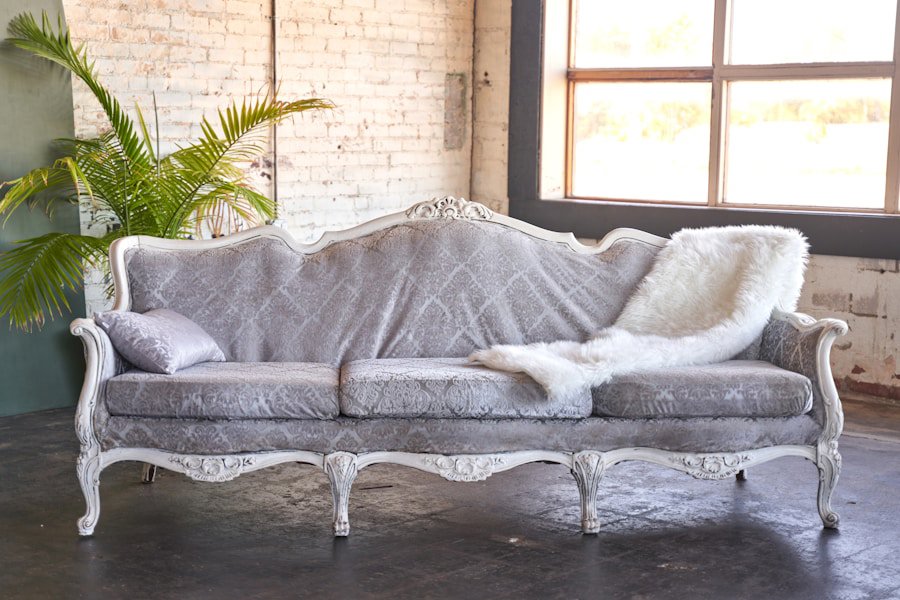
Photo by Dan LeFebvre on Unsplash
Which Upholstery Fabrics Are Most Likely to Bleed Color?
Not all fabrics carry the same risk. Natural fibers like cotton and linen are more prone to color bleeding than synthetics, especially when they've been piece-dyed (meaning the fabric was dyed after weaving rather than the yarn being dyed before). Piece-dyed cotton upholstery fabric is affordable and widely available, but it needs to pass a wet fastness test before you put it anywhere near a light-colored piece.
Velvet gets a complicated reputation here. Cut pile fabrics like velvet and chenille have more fiber surface area exposed, which means more dye sitting on the surface and more opportunity for transfer. A deep blue or emerald velvet can absolutely leave marks on a cream cushion if the color fastness rating is low. That said, a well-finished velvet with properly fixed dye is perfectly safe. The problem isn't velvet itself, it's poor dye fixation at any price point.
Faux leather and vinyl upholstery fabrics carry almost zero risk of color bleeding because dye isn't absorbed into a fiber structure the same way. The color is part of the coating or substrate. If you're outfitting a space where dye transfer is a real concern, faux leather is genuinely worth considering.
Solution-dyed acrylic is one of the most color-stable upholstery options available. In solution-dyed fibers, pigment is added to the liquid polymer before the fiber is even formed. The color becomes part of the fiber itself, not just a coating on the outside. Solution-dyed acrylic fabrics typically achieve a wet color fastness rating of 4 to 5 on the ISO 105 scale, where 5 is the best possible score. That's the kind of spec worth looking for if you're buying fabric for a room that deals with summer sweat, kids, or pets.
Step-by-Step Instructions
- Check the fabric label or product listing for color fastness data. Before you test anything at home, look for documented specs. Reputable fabric suppliers will list color fastness ratings, care codes, and sometimes wet fastness scores. A fabric rated for wet color fastness at grade 4 or above (ISO 105 standard) is considered suitable for upholstery. If no data is available, move on to physical testing.
- Run a wet rub test on a fabric sample. Dampen a white cotton cloth with plain water. Rub it firmly over a small area of the fabric in question, using moderate pressure, about 10 rubs back and forth. Check the white cloth. Any color transfer means the fabric has poor wet color fastness and is a risk near lighter pieces. This is essentially a simplified version of the ISO 105-E01 wet fastness test used in commercial fabric labs.
- Try a friction test to catch dry transfer. Use a dry white cloth and rub the fabric surface with firm pressure. This simulates what happens when someone sits down, shifts position, or a pet lies against the fabric repeatedly. Light color pickup on the cloth is a yellow flag. Heavy transfer is a red flag. Both mean the fabric hasn't been adequately finished for color fastness.
- Test with mild heat to simulate summer conditions. Dampen the white cloth slightly, lay it over the fabric sample, and press a warm iron over it for five seconds. This mimics the combination of body heat and humidity that fabrics experience on a hot summer day. Check for any color transfer to the cloth. If it bleeds here, it will bleed on your sofa by August.
- Check the dye method if possible. Ask the supplier whether the fabric is yarn-dyed or piece-dyed. Yarn-dyed fabrics (where individual threads are colored before weaving) tend to have better color penetration and stability than piece-dyed fabrics. Woven fabrics with colored patterns, like jacquard or stripes, are often yarn-dyed by default, which is part of why they hold up well.
- Consider the color pairing in your space. If you're buying a dark fabric for accent pillows or a throw, place a white piece of fabric between the dark item and your light upholstery when not in use. This is a simple barrier step that costs nothing. Also keep dark and light upholstered pieces from sitting pressed tightly together, especially in humid rooms.
- Pre-treat new fabric before upholstering. If you've done your tests and the fabric passes but you still want extra security, a color fixative spray designed for upholstery fabrics can help lock in dye before the fabric goes onto your furniture. Apply it to the finished upholstered piece before use, following the product directions carefully. This is especially useful for deeply saturated colors.
- Clean carefully once it's on the furniture. Overwetting upholstery during cleaning is one of the fastest ways to activate color bleeding on a fabric that's borderline. Always use the minimum moisture needed and blot rather than rub. Check the care code on the fabric label. A "W" code means water-based cleaning is safe. An "S" code means solvent-only cleaning, and water will likely cause problems including potential dye migration.
Photo by engin akyurt on Unsplash
What Fabrics Hold Color Best for Light-Colored Furniture?
Solution-dyed acrylic, as mentioned above, leads the pack. It's also fade-resistant, which makes it doubly useful in summer rooms with strong sunlight. Performance fabrics made from solution-dyed fibers are increasingly available in home upholstery weights and are worth the price premium if you have kids, pets, or both.
Polyester upholstery fabrics generally have good color stability because synthetic fibers accept disperse dyes that bond tightly at high temperatures during manufacturing. A high-quality polyester chenille or woven polyester blend is a practical choice for households that need durability without constant anxiety about color transfer.
Wool upholstery fabric is naturally receptive to dye in a way that creates deep, stable color. Properly dyed wool scores well on color fastness tests across both wet and dry categories. It's a premium option, but it performs. Plus, wool has natural temperature-regulating properties that make it comfortable even in summer, which is a nice bonus.
Stripes and multi-colored woven fabrics, like jacquard, are often safer than they look because the color is embedded in the weave structure rather than applied as a surface treatment. The risk of bleed on a woven stripe is typically much lower than on a printed pattern of equivalent cost.
Quick Tips and Troubleshooting
- If you've already bought a fabric and you're worried about it, test a cut sample before upholstering. Better to know now than after.
- Pale grey, cream, and white upholstery show transfer most visibly. If you love those colors, be especially strict about testing any darker fabrics nearby.
- Summer humidity indoors peaks in July and August. If you're doing a reupholstery project in spring, factor in how the fabric will behave in your home's most humid months.
- A fabric that bleeds color doesn't always look bad immediately. The transfer can be subtle at first and darken over time with repeated contact and moisture. Don't dismiss a light transfer result as "fine."
- If you notice early-stage color transfer on your light sofa, don't scrub it. Blot with a clean dry cloth and let it dry completely before attempting any cleaning. Scrubbing spreads the dye further into the fibers.
Frequently Asked Questions
Q: How do I know if an upholstery fabric will bleed color before I buy it?
Ask the supplier for wet color fastness data, ideally rated at grade 4 or higher on the ISO 105 scale. If that isn't available, request a fabric sample and run a wet rub test at home: dampen a white cloth, rub it firmly over the fabric, and check for any color transfer. Any visible transfer means the fabric poses a real risk near lighter upholstery.
Q: Why is summer worse for color bleeding on upholstery fabric?
Summer heat increases the molecular activity of dye particles, and higher indoor humidity keeps fabrics slightly damp for longer periods. This combination activates loose or under-fixed dye much faster than dry winter conditions would. Fabrics that seem stable in cooler months can show significant transfer by midsummer, especially in rooms without strong air conditioning.
Q: Which upholstery fabric types are least likely to cause color bleeding?
Solution-dyed acrylic is the most color-stable option, with wet fastness ratings of 4 to 5 on the ISO 105 scale. Faux leather and vinyl carry almost no dye transfer risk because their color is part of a surface coating rather than absorbed into fiber. High-quality polyester blends and yarn-dyed woven fabrics like jacquard also perform well compared to piece-dyed natural fiber alternatives at similar price points.