
Why Your Upholstery Fabric Actually Matters in Summer
If you've ever peeled yourself off a leather sofa on a hot August afternoon, you already know that upholstery fabric with cooling properties isn't a luxury. It's a quality-of-life upgrade. The right fabric can make your living room feel noticeably cooler, wick away moisture before it becomes uncomfortable, and still look completely pulled-together. The wrong one turns your favorite seat into a sweaty trap. Summer is the season that separates the breathable fabrics from the ones that just look good on a swatch card.
The good news is that the upholstery industry has come a long way. Between natural fibers that have managed heat for centuries and modern performance finishes engineered specifically for moisture management, there are genuinely excellent options at every price point. This guide walks you through what to look for, what to skip, and which fabric categories are worth your attention this summer.
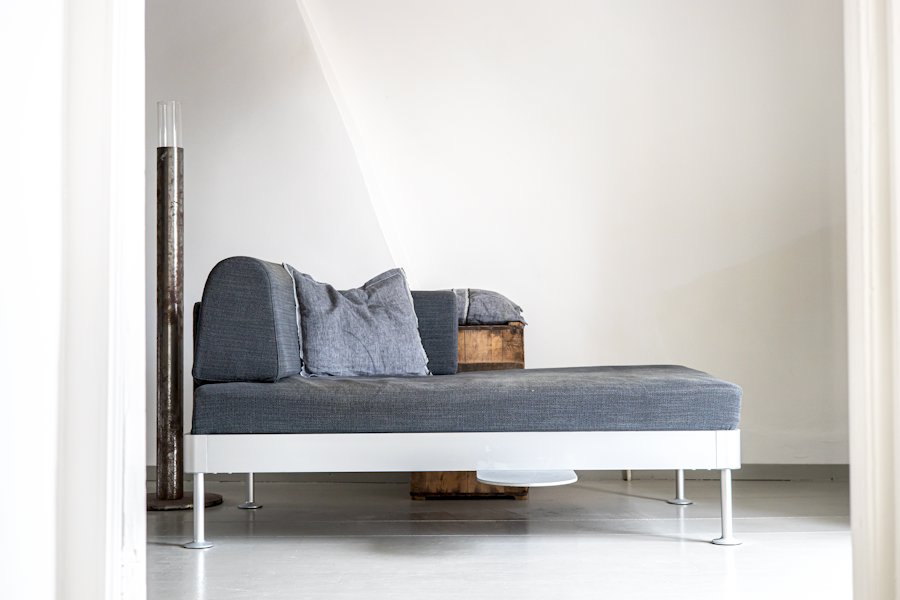
Photo by kim groothedde on Unsplash
What Makes an Upholstery Fabric Naturally Cooling?
Breathable upholstery fabrics allow air to circulate between the fabric surface and your skin, which prevents heat from building up and reduces the sticky, clammy feeling that comes with sitting on a non-breathable material. The best naturally cooling fabrics have an open, loosely woven structure that encourages airflow rather than trapping it.
Here's the thing: not all "light" fabrics are actually breathable. Thread count, weave type, and fiber composition all play a role. A tightly woven cotton blend can actually hold heat, while a loosely woven linen can keep you surprisingly cool. These are the key properties to look for:
- Moisture-wicking ability: The fabric pulls perspiration away from your skin and allows it to evaporate rather than pooling on the surface.
- Low thermal mass: The fabric doesn't absorb and hold ambient heat the way dense materials like velvet or thick chenille can.
- Open weave structure: Air can pass through the fabric, creating a natural cooling effect similar to how a breeze through a window works.
- Natural fiber content: Fibers like linen, cotton, and certain wools have hygroscopic properties, meaning they absorb and release moisture as humidity changes, keeping the surface feeling drier.
Synthetic performance fabrics can also excel here, especially solution-dyed acrylics and engineered polyester blends designed with moisture management in mind. More on those below.
The Best Upholstery Fabrics for Hot Weather, Ranked by Performance
Linen: The Gold Standard for Summer Seating
Linen is one of the most breathable upholstery fabrics available, full stop. It's made from flax fibers that naturally wick moisture, dry quickly, and have low heat retention. Linen upholstery fabric typically has a crisp, slightly textured hand feel that doesn't cling to skin, which is a big part of why it stays comfortable when temperatures rise.
From a durability standpoint, quality upholstery-weight linen rates between 15,000 and 30,000 double rubs on the Martindale abrasion test. A double rub count measures how many times a fabric can be rubbed back and forth before it shows wear. For a living room sofa with moderate use, anything over 15,000 is considered suitable. Linen sits comfortably in that range while offering superior breathability compared to most alternatives. It's not the most stain-resistant fabric in its natural form, but many linen upholstery options now come with performance finishes that add water and stain repellency without compromising breathability.
Cotton and Cotton Blends
Cotton is another natural fiber that handles summer well, especially in a plain weave or canvas structure. It absorbs moisture effectively and feels soft against skin, making it a popular choice for family living rooms where comfort is a priority. Pure cotton upholstery can be prone to wrinkling and fading, so look for cotton-blend options that add polyester or linen for improved durability and colorfastness.
Cotton upholstery with a Martindale rating of 20,000 or above is a solid pick for everyday use. For households with kids and pets, aim for 25,000 or higher, and prioritize options with a stain-resistant finish.
Performance Wovens and Solution-Dyed Acrylics
Solution-dyed acrylic is a synthetic fiber where the color is embedded during the fiber-making process rather than applied afterward. This gives it exceptional fade resistance, which matters enormously for fabrics that get consistent sun exposure in summer months. Brands like Sunbrella have built their reputation on this technology, and solution-dyed acrylic fabrics are now widely available in upholstery-weight versions suitable for indoor furniture.
These fabrics are engineered to resist moisture buildup, dry quickly after contact with liquids, and maintain their appearance through repeated cleaning. They're an excellent option for sunrooms, screened porches, or any seating area near windows. Many solution-dyed acrylic upholstery fabrics achieve double rub counts above 50,000, making them among the most durable options available regardless of season.
What About Woven Fabrics and Jacquard?
Woven upholstery fabrics, including jacquards, can work well in summer depending on their fiber content and weave density. A loosely woven jacquard in a linen or cotton blend will breathe reasonably well. A tightly woven synthetic jacquard with no moisture management finish will trap heat. The construction matters as much as the category label. When shopping, look for the fiber breakdown on the product listing, not just the weave style.
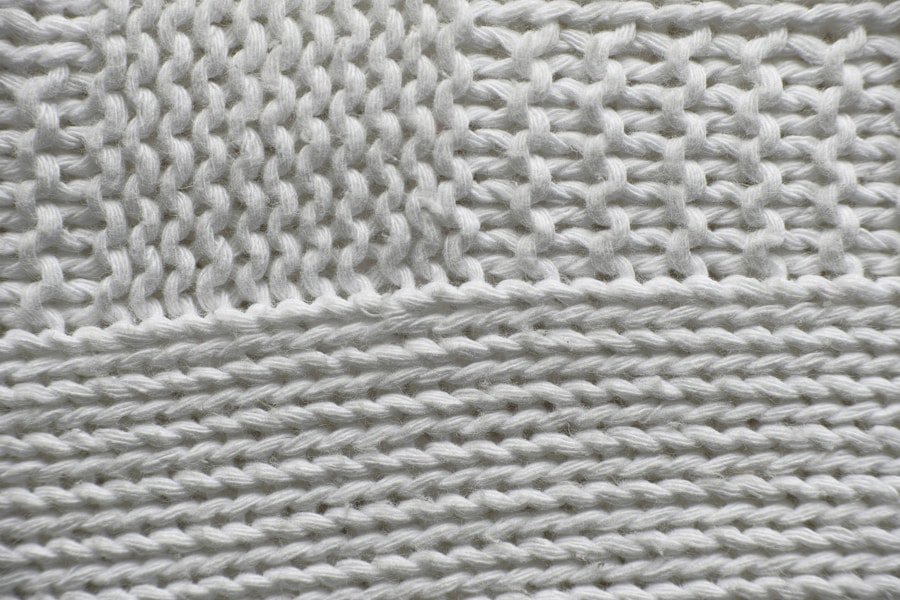
Photo by engin akyurt on Unsplash
Which Upholstery Fabrics Should You Avoid in Summer?
Velvet gets a bad rap in general, but honestly its biggest problem in summer is heat retention. The dense pile traps warm air and holds it close to the surface, which can make sitting on velvet upholstery feel genuinely uncomfortable when the mercury climbs. It also shows sweat marks and body impressions more readily in humid conditions.
Faux leather and vinyl are the most common heat complaints in upholstery. Neither material breathes at all. They sit at ambient temperature and then warm rapidly with contact, which is exactly the experience you want to avoid. If you love the look of leather-style upholstery, there are newer engineered alternatives with micro-perforations that allow some airflow, but standard faux leather and vinyl are better saved for cooler months or climate-controlled rooms.
Suede and microsuede are also worth approaching carefully in summer. The fine, dense fibers feel soft but don't allow meaningful air circulation. They can also absorb sweat in ways that are harder to clean and may leave marks.
How to Identify Moisture-Wicking and Cooling Performance Finishes
Performance finishes are chemical or mechanical treatments applied to fabric after weaving that add functional properties without changing the look significantly. When you're shopping for summer-friendly upholstery fabric, these are the finish descriptions worth recognizing:
- Moisture-wicking finish: Pulls perspiration away from skin and allows faster evaporation. Common on polyester and polyester-blend upholstery fabrics.
- Quick-dry treatment: Accelerates drying time after the fabric gets wet, whether from spills or humidity. Particularly valuable in humid climates.
- Antimicrobial finish: Inhibits the growth of bacteria and mold that can develop in humid conditions. Useful in homes with pets or in rooms that get warm and stay that way.
- Stain-repellent finish (Teflon or silicone-based): Doesn't directly cool the fabric but makes cleanup much easier, which matters in summer when drinks and ice cream are everywhere.
When browsing upholstery fabrics online, look for product descriptions that mention "performance fabric," "moisture management," or "quick-dry." These terms signal that cooling functionality was part of the design, not an afterthought.
What Is the Best Upholstery Fabric for a Family Living Room in Summer?
For a family living room, linen-blend upholstery with a stain-resistant finish is the single most practical choice for summer. It breathes well, handles the visual wear of daily family life, and cleans up without drama.
If you need something more hardwearing for pets and high-traffic use, a solution-dyed acrylic or a performance polyester woven fabric with a Martindale rating above 30,000 double rubs gives you durability, moisture resistance, and easy cleaning in one package. These fabrics are widely available in neutral and earthy tones that work with most living room color schemes, and many of them look nearly indistinguishable from natural fiber options at a glance.
A few practical checkpoints before you buy:
- Check the double rub count. For family use, 25,000 minimum. For pets, aim for 40,000 or above.
- Look at the fiber content breakdown. Even a fabric labeled "linen upholstery" might be only 30% linen. More linen content generally means better breathability.
- Order a sample before committing. Colors read differently on screens, and you want to feel the weight and texture in your actual lighting.
- Check the cleaning code. W means water-based cleaners are safe. S means solvent only. W/S means both work. These codes are your cleaning roadmap.
Frequently Asked Questions
Q: What is the most breathable upholstery fabric for summer?Linen is widely considered the most breathable upholstery fabric for summer use. Its natural flax fibers have low heat retention and excellent moisture-wicking properties, making it one of the most comfortable choices for warm-weather seating.
Q: Can performance fabric upholstery actually keep you cooler?Yes. Performance fabrics engineered with moisture-wicking finishes and quick-dry treatments actively move perspiration away from the skin and allow it to evaporate faster, which creates a measurably cooler seating experience compared to standard synthetic upholstery. Solution-dyed acrylics in particular are designed for exactly this kind of climate-aware performance.
Q: How do I know if an upholstery fabric is durable enough for everyday family use?Check the double rub count, which measures how many back-and-forth abrasion cycles a fabric can withstand before showing wear. For a family living room with kids and pets, look for a Martindale or Wyzenbeek rating of at least 25,000 double rubs. Performance linen blends and solution-dyed acrylics often exceed this threshold while still offering good breathability for summer use.