
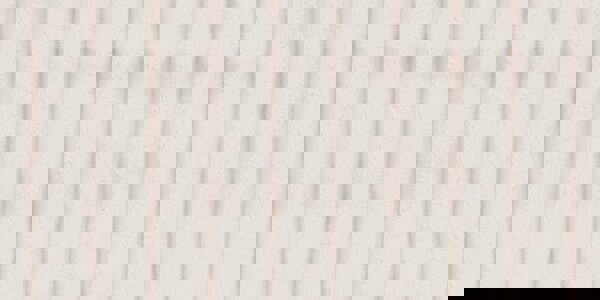
Corduroy upholstery fabric is having a serious moment, and if you've been sleeping on it, now is the time to pay attention. What was once written off as a relic of your dad's wardrobe has quietly become one of the most talked-about fabric choices in interior design circles. The ribbed texture, the soft hand feel, the way it catches the light — corduroy brings a warmth and personality to furniture that a lot of flat, solid fabrics just can't match. Whether you're reupholstering a beloved armchair or sourcing fabric for a full sectional, corduroy is worth a serious look this spring.
What Makes Corduroy Upholstery Fabric Different from Other Textured Fabrics?
Corduroy is a cut-pile fabric, meaning its surface is made up of raised parallel ridges called "wales." That structure is what gives it the distinctive ribbed look and the soft, almost velvety feel when you run your hand across it. Unlike a looped pile fabric such as boucle, corduroy's pile is sheared, creating a smooth and consistent texture within each ridge. The width of those ridges is measured in "wales per inch," and that number matters more than most people realize. A wide-wale corduroy with 4 to 6 ridges per inch gives you a bold, casual look with deeper grooves. A fine-wale corduroy with 14 to 21 ridges per inch reads more refined and even slightly formal, making it flexible enough for a modern living room or a cozy reading nook.
Here's the thing: because corduroy is typically woven with a cotton or cotton-blend base, it has a natural breathability that synthetic fabrics often lack. That makes it genuinely comfortable to sit on, especially during the warmer months of spring when you don't want to feel like you're sticking to your couch. Cotton-based corduroy is also generally low in static, which means it attracts less airborne dust and pet hair than many synthetic alternatives.

Photo by Linus Belanger on Unsplash
Is Corduroy a Durable Choice for Furniture Upholstery?
Yes, quality upholstery-grade corduroy is genuinely durable, especially when it's constructed with a tight weave and a heavier fabric weight. Upholstery corduroy typically measures between 10 and 14 ounces per yard, which puts it in a solidly functional range for furniture that sees daily use. In terms of abrasion resistance, a well-constructed corduroy fabric can achieve double rub counts in the range of 15,000 to 30,000 depending on fiber content and construction, making it appropriate for moderate to heavy residential use. For context, the industry standard for residential upholstery is generally considered to be 15,000 double rubs or higher, so corduroy holds its own with proper fabric selection.
One thing to keep in mind: the pile direction matters for both durability and appearance. Like velvet, corduroy should be cut with consistent pile direction when upholstering to avoid panels that look like two different colors when viewed from different angles. Any experienced upholsterer will know this, but if you're a DIY-er, it's the kind of detail that makes or breaks a finished project. Also, corduroy blends that incorporate polyester or nylon tend to score higher on abrasion tests, so if you have pets or a high-traffic living space, a cotton-poly blend is worth the extra consideration.
What Colors and Styles Work Best with Corduroy Upholstery This Spring?
Spring 2025 home decor is leaning hard into earthy, grounded palettes, and corduroy is practically made for them. Warm terracotta, dusty sage, deep rust, and camel tones all look incredible in corduroy because the ribbed texture adds visual depth that makes solid colors feel layered and interesting rather than flat. If you've been on the fence about a bold color for your sofa, corduroy is honestly one of the easier ways to commit to it because the texture breaks up the expanse of color and gives it dimension.
That said, neutrals in corduroy are equally worth your attention. A wide-wale corduroy in oatmeal or warm grey reads incredibly sophisticated, especially paired with natural wood furniture and linen throw pillows. The contrast of textures does a lot of the design work for you. For a more playful spring living room, consider a fine-wale corduroy in a muted green or dusty blue on an accent chair. It brings in color without overwhelming a space, and the texture keeps it feeling collected rather than costume-y.
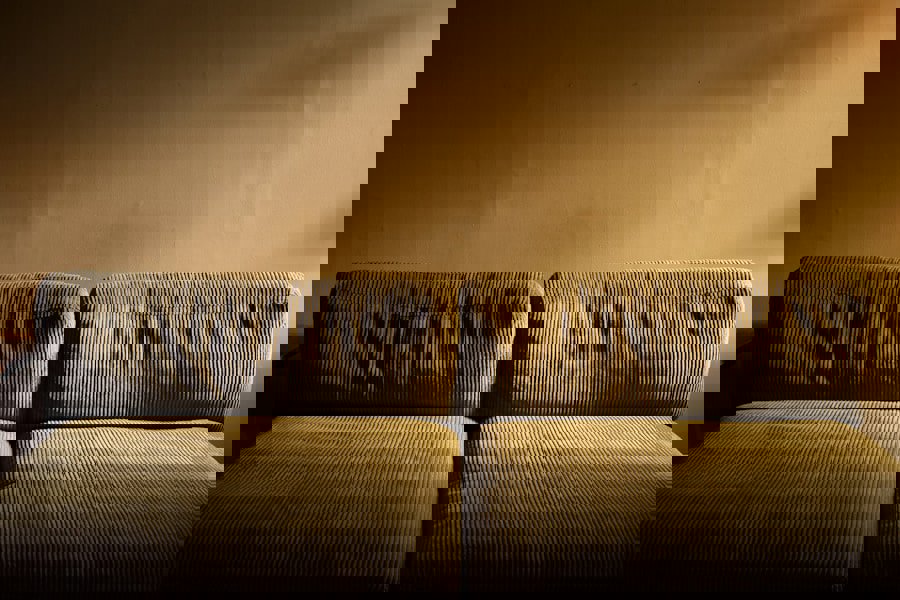
Photo by Josh Sorenson on Unsplash
How Do You Care for Corduroy Upholstery Fabric?
Corduroy upholstery care is straightforward but does require a bit of intentional handling to keep the pile looking its best. For routine cleaning, a soft brush attachment on a vacuum run in the direction of the wales is your best maintenance tool. Brushing against the pile can cause the ridges to flatten or look uneven over time. For spot cleaning, a mild detergent diluted in water applied gently with a clean cloth works well on most cotton-based corduroy. Always test in an inconspicuous area first.
If the pile ever looks flattened or matted from heavy use, a light steam with a garment steamer held a few inches from the surface will often revive it. This is one area where corduroy actually has an advantage over velvet, which can be more sensitive to moisture and heat. For fabrics treated with a stain-resistant finish, always follow the manufacturer's care instructions since some treatments are water-sensitive. If you're buying upholstery fabric from famcorfabrics.com, checking the product details for care codes is always the right first step before cleaning.
Why Corduroy Belongs in the Spring Upholstery Conversation
Most spring fabric conversations center on florals, linens, and the occasional stripe, and those are all genuinely great choices. But corduroy earns its place in the rotation because it bridges the gap between texture and comfort in a way that few fabrics manage. It feels cozy without being heavy. It reads casual but can be styled up. And it holds color beautifully, which is exactly what you want when you're trying to bring some spring energy into a room that's been wrapped in dark winter tones for months.
Plus, from a value standpoint, corduroy tends to be priced accessibly compared to specialty fabrics like jacquard or boucle, which means you can get a genuinely high-impact look without stretching your budget. For designers sourcing for client projects, that price-to-impact ratio is hard to ignore. For homeowners doing a one-room refresh, it means getting a lot of visual personality for a reasonable investment. Either way, corduroy is a fabric that rewards the people who don't overlook it.
Frequently Asked Questions
Q: Is corduroy upholstery fabric good for sofas?
Yes, upholstery-grade corduroy is suitable for sofas when it meets a minimum double rub count of 15,000, which is the standard threshold for residential upholstery use. Opt for a heavier weight corduroy between 10 and 14 ounces per yard and consider a cotton-polyester blend for added abrasion resistance in high-use areas.
Q: Does corduroy upholstery work with pets?
Corduroy can work in homes with pets, though the ribbed texture can trap pet hair in the wales, making it slightly harder to clean than a flat-weave fabric. Regular vacuuming with a soft brush attachment helps manage this. A corduroy blend with synthetic fibers will generally hold up better to scratching and daily pet activity than a 100% cotton version.
Q: How is corduroy different from velvet for upholstery?
Both corduroy and velvet are cut-pile fabrics with a soft surface feel, but they differ structurally. Corduroy has a distinctly ribbed surface created by parallel raised ridges, while velvet has an even, smooth pile with no visible pattern. Corduroy is generally more casual in appearance and is often more breathable due to its cotton-based construction, while velvet tends to read more formal and can be more sensitive to moisture and abrasion depending on fiber content.