
Corduroy upholstery fabric is having a moment, and it's not hard to see why. That distinctive ridged texture, the way it catches light differently from every angle, the satisfying softness when you run your hand across it — corduroy brings something to furniture that smooth fabrics simply can't replicate. After years of being associated with '70s furniture your grandparents owned, corduroy is back in a big way, showing up in designer showrooms, high-end furniture catalogs, and living rooms across the country. If you're shopping for upholstery fabric this spring, it absolutely deserves a serious look.
What Exactly Is Corduroy Upholstery Fabric?
Corduroy is a tufted textile characterized by parallel raised ridges, called "wales," that run vertically along the fabric. The number of wales per inch directly affects the texture and appearance: fewer wales (wide-wale corduroy) create a bold, chunky look, while more wales (fine-wale corduroy) produce a smoother, more subtle surface. For upholstery purposes, most corduroy fabrics are woven from cotton, cotton-polyester blends, or synthetic fibers, with the pile cut to create those signature ridges. Upholstery-grade corduroy is typically heavier and more tightly woven than apparel corduroy, with double rub counts generally ranging from 15,000 to 30,000 depending on the fiber content and construction quality.
Here's the thing: not all corduroy is created equal when it comes to furniture. Always check the double rub count before buying. For light-use pieces like decorative chairs or bedroom benches, 15,000 double rubs is usually fine. For everyday sofas and frequently used seating, look for 25,000 or higher to ensure your fabric holds up over time.
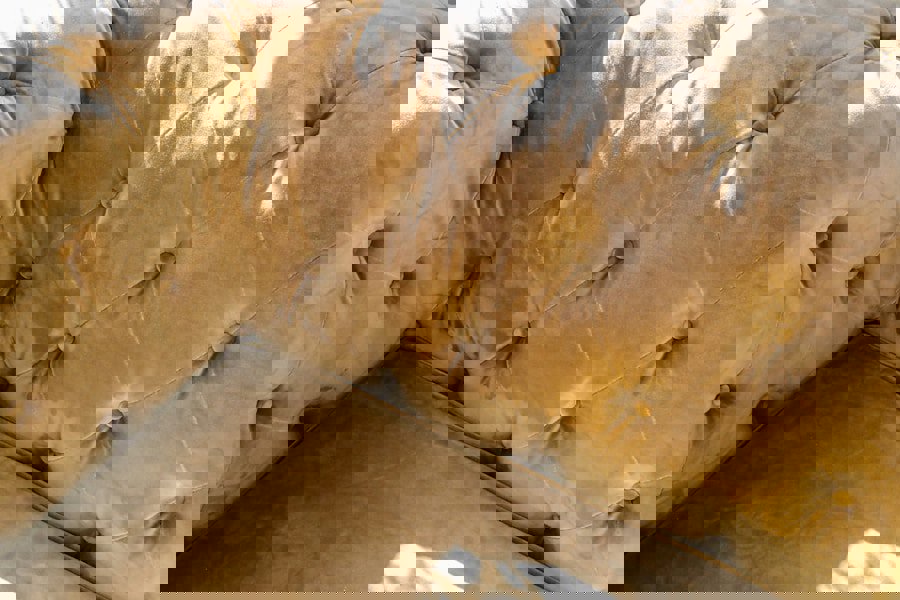
Photo by Rosemary Media on Unsplash
Why Are Designers Reaching for Corduroy Again?
Corduroy's revival in interior design is directly tied to two major trends running through home decor right now: the demand for tactile, sensory-rich interiors and the broader embrace of warm, earthy aesthetics. Designers who work with upholstery fabrics regularly will tell you that corduroy delivers something increasingly rare in modern homes — genuine visual depth without relying on pattern. The wales create their own shadow and highlight play, meaning a solid-colored corduroy sofa looks far more interesting than a flat-woven solid of the same color. That's a lot of style return for a relatively simple fabric choice.
Spring is actually a great time to think about corduroy upholstery. The fabric's softness and warmth feel inviting without being heavy, and earth-tone corduroy in terracotta, sage green, or warm caramel fits perfectly into the nature-forward color palettes that dominate spring interior updates right now. Wide-wale corduroy in particular photographs beautifully, which matters if you're designing spaces for clients or updating your own home for that refreshed spring feeling.
Also, corduroy has a way of making furniture look more expensive than it is. The texture reads as considered and deliberate. A mid-range accent chair reupholstered in a quality corduroy can genuinely look like a designer piece. That's not nothing.
What Are the Best Furniture Pieces for Corduroy Upholstery?
Corduroy upholstery fabric works exceptionally well on a wide range of furniture types, though some pieces really let it shine. Here are the strongest use cases:
- Accent chairs and armchairs: This is where corduroy is at its absolute best. The fabric's texture adds presence to a single statement chair without overwhelming a room.
- Sofas and sectionals: Wide-wale corduroy on a large sofa creates a cozy, lived-in aesthetic that works especially well in casual living rooms and family spaces.
- Ottomans and poufs: The durable pile of corduroy handles the contact and compression that ottomans take better than many people expect.
- Headboards: A corduroy headboard adds warmth and texture to a bedroom without the formality of velvet or the flatness of linen.
- Window seat cushions: Fine-wale corduroy works beautifully here, offering softness underfoot and a clean look that suits built-in seating.
- Dining chairs: If you want to add texture to a dining space without going full velvet, fine-wale corduroy is a smart, practical choice that cleans up well.
Is Corduroy Upholstery Fabric Durable Enough for Everyday Use?
Upholstery-grade corduroy with a double rub count of 25,000 or above is genuinely suitable for everyday family use. The key durability consideration with corduroy is pile crushing, which happens when the fabric is subjected to consistent heavy pressure in the same spot over time. This is the same issue you see with velvet, and the solution is similar: rotate cushions regularly and fluff the pile occasionally to keep it looking its best. Cotton-polyester blend corduroy tends to resist crushing better than 100% cotton versions, making it a smarter choice for high-traffic seating.
Pet owners should know that corduroy's textured surface does tend to trap pet hair more readily than smooth fabrics. It's not a dealbreaker, but a lint roller or upholstery brush becomes your best friend. On the positive side, corduroy is generally easier to spot-clean than velvet and holds up reasonably well to the normal mess of everyday life when treated with a fabric protector spray at installation.
Fun fact: the word "corduroy" is widely believed to derive from the French "corde du roi," meaning "cloth of the king." Whether or not that etymology is accurate, it's a good reminder that this fabric has a long history of being genuinely valued for its practicality and texture, not just its looks.
What Colors Work Best in Corduroy Upholstery Right Now?
Color choice matters more with corduroy than with many other fabrics because the wales amplify whatever color you pick. Deeper, richer tones tend to look particularly stunning because the shadow play between ridges adds dimension. Right now, the strongest performing color choices for corduroy upholstery include:
- Earthy terracotta and rust: Perfect for spring and warm-weather interiors, these tones look rich and grounded in corduroy.
- Forest and sage green: Green upholstery is having a major moment, and corduroy's texture keeps it from looking flat or expected.
- Warm caramel and tan: A wide-wale corduroy in a warm neutral reads as both casual and elevated at the same time.
- Deep navy and cobalt blue: Blue corduroy has a classic quality that works in traditional and contemporary rooms alike.
- Warm cream and oatmeal: Lighter tones in corduroy feel fresh and airy for spring without sacrificing the cozy texture.
- Dusty mauve and rose pink: Fine-wale corduroy in softer pink tones is showing up in a lot of bedroom and reading room projects right now.
If you're shopping for corduroy upholstery fabric online, order samples before committing. Corduroy genuinely looks different in person than on a screen because the light in your specific room will interact with the wales in ways a product photo can't fully capture.
Frequently Asked Questions
Q: Is corduroy a good fabric for upholstery?
Yes, upholstery-grade corduroy is a good choice for furniture. It's soft, visually interesting, and durable enough for everyday use when it has a double rub count of 25,000 or higher. Look for cotton-polyester blends for better resistance to pile crushing and wear over time.
Q: How do you clean corduroy upholstery fabric?
Most corduroy upholstery fabrics can be spot-cleaned with a mild detergent and water solution, but always check the manufacturer's care code first. Use a soft brush to clean in the direction of the wales, and avoid soaking the fabric. Applying a fabric protector spray when the piece is new will make future cleaning significantly easier.
Q: Does corduroy upholstery hold up with pets and kids?
Corduroy upholstery is reasonably family-friendly, especially in cotton-polyester blends with a high double rub count. It handles normal daily use well. Pet hair does tend to cling to the ridged surface more than it would on a smooth fabric, so regular brushing is recommended. For very active households with both pets and young children, a fabric with a Martindale abrasion test rating above 25,000 cycles is the safest bet.