
Corduroy upholstery fabric is having a serious moment right now, and honestly, it deserves every bit of the attention. For years it sat in the back of the fabric world, associated with your dad's recliner or a thrift store couch that had seen better decades. But corduroy has quietly become one of the most requested textures in furniture and interior design circles, and once you understand what it actually offers, it's not hard to see why. The ridged pile, the soft hand feel, the way it catches light differently from every angle. This fabric does a lot with very little.
What Exactly Is Corduroy Upholstery Fabric?
Corduroy upholstery fabric is a cut-pile textile woven with parallel vertical ridges, called wales, that run the length of the fabric. The width of those ridges determines the "wale count," and that number matters more than most people realize when you're choosing it for furniture.
A higher wale count means more ridges per inch, which gives you a finer, more subtle texture. A lower wale count means wider, more pronounced ridges and a bolder, more tactile look. Wide-wale corduroy, typically 1.5 to 4 wales per inch, has that chunky, cozy feel that's trending hard in interior design right now. Fine-wale corduroy, with 11 to 16 wales per inch, reads almost like a soft solid from a distance and works beautifully in more tailored, modern settings. Both have a place in upholstery. It just depends on the vibe you're after.
The base fiber matters too. Cotton corduroy is the most traditional and gives you that familiar soft, breathable feel. But you'll also find corduroy blended with polyester for added durability, or even made entirely from synthetic fibers for improved stain resistance. For upholstery, a cotton-polyester blend tends to offer the best of both worlds: comfort plus resilience.

Photo by Linus Belanger on Unsplash
Is Corduroy a Durable Choice for Furniture?
Yes, corduroy is a genuinely durable upholstery fabric, particularly when it's woven from a quality fiber blend with a tight construction. A well-made upholstery-grade corduroy typically achieves 15,000 to 30,000 double rubs on the Martindale abrasion test, which puts it firmly in the range considered suitable for residential use. Some reinforced blends test even higher.
The double rub count is a standard industry measure of how much friction a fabric can withstand before showing wear. For context, most residential upholstery fabrics are rated at a minimum of 15,000 double rubs, while heavy-duty or commercial fabrics start at 30,000 and above. Corduroy sits comfortably in that residential sweet spot, and with proper care, it holds up well to daily use on sofas, chairs, and ottomans.
Here's the thing: the wales themselves act almost like a built-in wear pattern. Because the fabric has texture and depth, minor scuffs or light wear tend to be far less visible on corduroy than on a flat woven fabric. That's a practical advantage that doesn't get talked about enough. It's forgiving in the best possible way.
Where you do need to be thoughtful is with pets. Sharp claws can snag the pile over time, so if you have a determined cat who treats your sofa like a scratching post, a tighter-wale corduroy or a blend with synthetic reinforcement is a smarter call than wide-wale cotton alone.
Why Corduroy Fits the Spring 2025 Home Decor Mood Perfectly
Spring decorating in 2025 is leaning into what designers are calling "soft maximalism," which is a fancy way of saying: warm colors, layered textures, and furniture that feels inviting rather than minimal. Corduroy checks every one of those boxes without trying too hard.
The ribbed texture adds visual depth to a room without competing with other patterns. If you've got a floral throw pillow or a printed rug, corduroy is the kind of fabric that plays nicely with both. It adds texture without adding noise. That's a skill most fabrics don't have.
Color-wise, the spring palette maps beautifully onto what corduroy does best. Earthy terracottas, mossy greens, warm creams, and dusty pinks all look exceptional in corduroy because the ridged surface gives the color a subtle tonal variation that feels rich and handcrafted. A green corduroy armchair, for example, doesn't just look green. It looks like it has depth. Like it was made by someone who cared.
Wide-wale corduroy in particular is showing up on accent chairs, reading nooks, and even upholstered bed headboards this season. It photographs beautifully, which matters in an era where your living room ends up on Instagram whether you planned it or not.
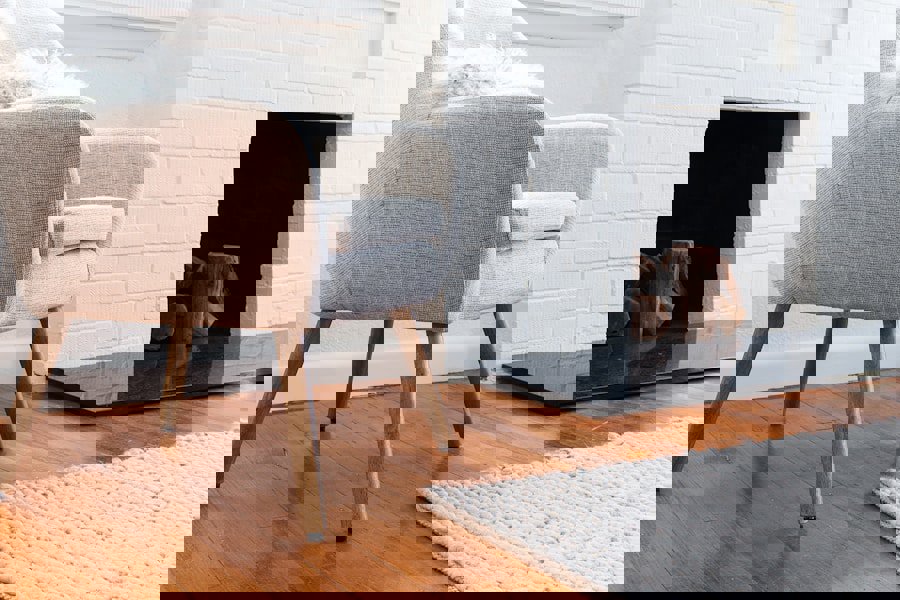
Photo by Mitchell Luo on Unsplash
What to Look For When Buying Corduroy Upholstery Fabric
Not all corduroy is made equal, and buying upholstery-grade fabric is a different process than picking out a pair of pants. Here's what to pay attention to.
- Wale width: Wide-wale for a bold, cozy, statement look. Fine-wale for a more tailored, understated finish. Think about the overall style of the piece you're reupholstering before you choose.
- Fiber content: For durability, look for a cotton-polyester blend. Pure cotton is lovely but can pill and wear faster under heavy daily use.
- Double rub count: Aim for at least 15,000 for residential furniture. If you're upholstering something in a high-traffic area like a family room, push toward 25,000 or higher.
- Fabric weight: Heavier corduroy holds its shape better over time. Lightweight options can stretch or distort during the upholstery process, especially around curves and corners.
- Direction of pile: Like velvet, corduroy has a directional pile. When you're buying yardage for a larger project, make sure all cuts run in the same direction or the finished piece will look like it was made from two different fabrics. That's not a fun discovery after the fact.
- Colorfastness: Check whether the fabric has been tested for colorfastness to light and rubbing. Solution-dyed fibers, where color is added during fiber production rather than applied afterward, offer the best long-term color retention.
Also, don't overlook the feel. Upholstery-grade corduroy should feel dense and substantial in your hands. If it feels flimsy or if the wales shift easily when you run your hand across them, it's probably not going to hold up well on a piece of furniture that gets daily use.
How to Care for Corduroy Upholstered Furniture
Corduroy is fairly low-maintenance once it's on your furniture, but a few habits will keep it looking sharp for years. Most upholstery-grade corduroy can be spot cleaned with a mild fabric cleaner and cool water. Always blot rather than rub, especially on wider-wale styles, since rubbing can crush the pile and leave a permanent flat patch.
Regular light vacuuming with a soft brush attachment is one of the best things you can do for corduroy. It lifts dust and debris from between the wales before they have a chance to work their way deeper into the pile. Do this once a week if the piece gets daily use.
Avoid prolonged direct sunlight on corduroy that isn't solution-dyed, since UV exposure can fade the color and weaken the fibers over time. If your room gets a lot of afternoon sun, look for a corduroy with UV-resistant properties or treat the fabric with a protective spray designed for upholstery textiles.
Steam can be your friend for refreshing crushed pile. A light pass with a handheld steamer, followed by gentle brushing in the direction of the wales, can bring flattened areas back to life without a professional cleaning visit. Corduroy is more resilient than it looks.
Frequently Asked Questions
Q: Is corduroy fabric good for upholstery?
Yes, corduroy is a solid choice for upholstery. Upholstery-grade corduroy typically achieves 15,000 to 30,000 double rubs on the Martindale abrasion test, making it durable enough for regular residential use on sofas, armchairs, and ottomans. A cotton-polyester blend offers the best combination of comfort and longevity.
Q: What is the difference between wide-wale and fine-wale corduroy for furniture?
Wide-wale corduroy has fewer, larger ridges per inch and creates a bold, cozy, textural look that works well on accent chairs and casual furniture. Fine-wale corduroy has more ridges per inch, giving a smoother, more refined appearance that suits tailored or contemporary pieces. Both are appropriate for upholstery; the choice depends on the style of the furniture and the room.
Q: How do you clean corduroy upholstery fabric?
Spot clean corduroy upholstery with a mild fabric cleaner and cool water, always blotting rather than rubbing to avoid crushing the pile. Vacuum regularly with a soft brush attachment to remove debris from between the wales. A handheld steamer followed by gentle brushing can restore flattened pile without a professional cleaning.