

Cotton upholstery fabric is one of those materials that's been around forever, works in almost every home style, and still somehow gets overlooked in favor of trendier options. People reach for velvet, they obsess over boucle, and cotton quietly sits there being genuinely excellent. It's breathable in warm weather, soft from day one, easy to dye in virtually any color, and when it's woven or blended correctly, it's tougher than most people expect. With spring in full swing and a lot of homeowners thinking about refreshing their furniture, cotton is worth a serious second look.
What Makes Cotton a Good Upholstery Fabric?
Cotton is a strong, breathable natural fiber that resists pilling, takes dye exceptionally well, and feels comfortable against skin in warmer months. A tightly woven cotton upholstery fabric typically achieves a double rub count between 15,000 and 30,000, which puts it solidly in the range for light-to-moderate everyday use on sofas, armchairs, and ottomans. That's not the highest rating on the market, but it's more than enough for most residential furniture, especially in rooms that see regular but not punishing use.
Here's the thing: cotton's performance changes dramatically based on weave and construction. A loosely woven cotton duck might snag and wear faster, while a heavyweight canvas-weight cotton or a tight plain weave can perform closer to synthetic blends. Thread count and yarn ply both matter. When you're shopping, look for heavier weights, tighter construction, and ideally a fabric that specifies it's been treated for stain resistance. Those small details are the difference between a fabric that looks tired after two years and one that still looks great at five.
Cotton also has one practical advantage that gets ignored a lot: it's one of the most breathable upholstery options available. If you live somewhere warm, have kids who run hot, or just hate peeling yourself off a sticky sofa in July, cotton is genuinely more comfortable than vinyl, faux leather, or even many synthetics. That's not a minor point. Comfort is part of why furniture exists.
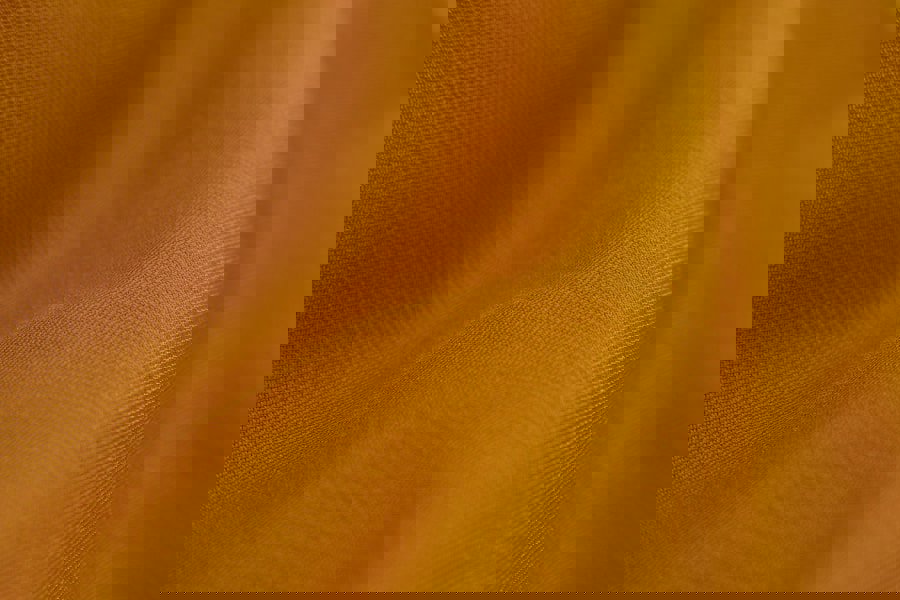
Photo by engin akyurt on Unsplash
Is Cotton Upholstery Fabric Durable Enough for Everyday Use?
Yes, cotton upholstery fabric can handle everyday use in most homes, especially when it's a heavier weave or blended with a synthetic fiber like polyester or nylon for added abrasion resistance. Pure cotton upholstery in a canvas or twill weave often meets the 15,000 double rub threshold that's generally considered the minimum for residential upholstery. Cotton-poly blends regularly test at 25,000 to 50,000 double rubs, making them a practical choice for high-traffic seating.
The honest answer is that pure, lightweight cotton is not the right choice for a sofa that gets used hard every single day by a large family with pets. For that situation, a cotton blend or a more tightly constructed fabric is the smarter pick. But for dining chairs, accent chairs, a guest room armchair, or a bedroom bench, pure cotton performs beautifully and will last years with basic care.
Blended cotton fabrics are where the durability story gets really interesting. Mixing cotton with polyester adds wrinkle and abrasion resistance while keeping that natural softness. Mixing with linen gives a slightly more textured, casual look and adds strength. Some of the best performing upholstery fabrics on the market right now are cotton-linen blends, and they look especially right for spring interiors. That relaxed, lived-in texture fits perfectly with the lighter, breezier aesthetic a lot of designers are working toward this season.
How to Care for Cotton Upholstery Fabric
Cotton upholstery fabric is generally easier to care for than people assume. Most cotton and cotton-blend upholstery fabrics carry a W or W-S cleaning code, meaning they can be spot cleaned with water-based cleaners. For loose cushion covers in a removable zippered case, many cotton fabrics can be machine washed on a gentle cold cycle, though you should always check the manufacturer's care instructions first.
Cotton does absorb liquids quickly, which means spills need to be blotted fast. It's not a stain-proof material by nature, but many cotton upholstery fabrics today come with a factory-applied stain-resistant finish, often a fluorocarbon or water-based protective coating. That finish buys you time when accidents happen. If your fabric didn't come pre-treated, a fabric protector spray applied after purchase is a simple and affordable step that extends the life of the upholstery significantly.
Also, direct sunlight will fade cotton over time. That's just the nature of natural fibers. If your furniture sits near a large south- or west-facing window, either use a UV-filtering window treatment or look for cotton fabrics that have been solution-dyed, where the color is locked into the fiber rather than applied on top. Solution-dyed cotton holds color significantly better under UV exposure and is worth seeking out for sun-prone rooms.

Photo by Puscas Adryan on Unsplash
Which Cotton Fabric Styles Work Best Right Now?
Spring is genuinely one of the best times to buy cotton upholstery fabric because the palette and the aesthetic both make sense for the season. Right now, designers are gravitating toward relaxed, natural textures, and cotton fits that mood perfectly. A few specific directions are standing out this season.
- Cotton canvas in warm neutrals: Cream, warm white, and sandy beige cotton canvas reads as fresh and light without feeling cold. It pairs well with wood furniture tones that are popular right now.
- Cotton twill in earthy greens and blues: Sage, moss, soft teal, and dusty blue are all over spring interior trends. Cotton twill in these colors upholsters beautifully and doesn't look too formal.
- Printed cotton with botanical or geometric patterns: Designer print cotton fabrics are having a real moment. Whether it's a subtle leaf pattern or a bold graphic, printed cotton brings personality to accent chairs and throw pillows without overwhelming a room.
- Cotton-linen blends in soft solids: The slightly nubby texture of a cotton-linen blend looks expensive in person and feels relaxed. These fabrics photograph well and hold up better than plain cotton alone.
- Stripe patterns in cotton: A classic cotton stripe in ticking or awning style is perennial, but it's especially fitting in spring and looks great on chairs, benches, and headboards.
Cotton plays especially well with the natural material trend that's been building across home decor. If you're mixing wood, rattan, linen, and ceramics in a room, a cotton upholstery fabric ties into that palette in a way synthetic materials simply don't. It belongs there.
Frequently Asked Questions
Q: Is cotton a good fabric for sofa upholstery?Cotton can be a good sofa upholstery fabric when it's a heavier weave or blended with a synthetic fiber. A pure cotton canvas or twill typically achieves a double rub count of 15,000 to 30,000, which works well for sofas in low-to-moderate use settings. For high-traffic family rooms, a cotton-polyester blend with a higher double rub count is a more durable choice.
Q: Does cotton upholstery fabric stain easily?Cotton absorbs liquids quickly, so untreated cotton can stain if spills aren't addressed fast. However, most cotton upholstery fabrics sold today include a factory-applied stain-resistant finish that gives you time to blot and clean a spill before it sets. Applying a fabric protector spray to untreated cotton is a simple way to add that same protection at home.
Q: How do I know if a cotton fabric is heavy enough for upholstery?Look for upholstery-weight cotton with a fabric weight of at least 8 to 12 ounces per yard, a tight plain, twill, or canvas weave, and ideally a listed double rub count of 15,000 or higher. Fabrics sold specifically as upholstery fabric will typically meet these standards. Lightweight cotton quilting or apparel fabric is not suitable for furniture use and will wear out quickly under regular seating pressure.
