
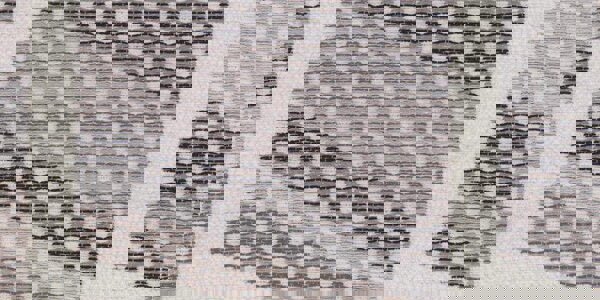
Cotton upholstery fabric is one of those materials that's easy to overlook precisely because it's so familiar. You grew up with it. It's in your clothes, your sheets, your kitchen towels. But that familiarity sells it short. When cotton is woven and finished specifically for upholstery use, it becomes something genuinely impressive: a breathable, colorfast, naturally comfortable fabric that suits everything from a vintage wingback chair to a modern sectional. And as we head into spring, when heavier textures and darker palettes start to feel like too much, cotton's light touch is looking better than ever.
What Actually Makes Cotton a Good Upholstery Fabric?
Cotton is a strong, natural fiber that absorbs dye exceptionally well, which is why cotton upholstery fabrics are available in a wider range of colors and prints than almost any other material. It's breathable in a way that synthetic fabrics simply aren't, which matters more than most people realize when you're sitting on a sofa for hours at a time.
In terms of durability, a tightly woven cotton fabric can achieve a double rub count of 15,000 to 30,000, which is solid performance for everyday residential use. Cotton-blend fabrics, where natural cotton fibers are combined with polyester or nylon, can push that number significantly higher, sometimes to 50,000 double rubs or more, making them a realistic choice for high-traffic furniture. Pure cotton is also naturally hypoallergenic, making it a smart pick for households with sensitive skin or allergy concerns. That's not a small thing.

Photo by Roberto Sorin on Unsplash
Is Cotton Upholstery Fabric Durable Enough for Everyday Use?
Yes, with the right weave and finish, cotton upholstery fabric is absolutely durable enough for everyday residential furniture. The key is understanding that not all cotton is the same.
Loosely woven or lightweight cotton, like the kind used in curtains or summer clothing, won't hold up on a frequently used sofa. But upholstery-grade cotton is a completely different product. It's tightly woven, often treated with a protective finish, and designed to take real daily use. Here's the thing: weave structure matters just as much as fiber content. A canvas-weight cotton or a tightly structured cotton blend will outperform a loosely woven "pure" cotton every single time. When you're shopping, look for fabrics that specify their double rub count. Anything above 15,000 is generally considered acceptable for light residential use, and 25,000 or higher is where you want to be for a main sofa or dining chair that gets used every day.
One honest caveat: untreated cotton is more susceptible to moisture and staining than synthetic alternatives. If you have kids, pets, or both, look for cotton fabrics that have been treated with a stain-resistant or water-repellent finish. Or consider a cotton-poly blend, which gives you most of the comfort and breathability benefits while adding meaningfully better moisture resistance.
Where Does Cotton Upholstery Work Best?
Cotton upholstery fabric is genuinely versatile, which is part of what makes it so useful for both homeowners and designers. It works beautifully in printed and patterned applications because the fiber accepts dye so evenly. If you want a bold floral print, a crisp stripe, or a detailed designer pattern that actually looks sharp up close, cotton is one of the best bases you can choose.
- Accent chairs and armchairs: Cotton shines here. Lower-traffic seating means durability is less of a concern, and you get full benefit of its comfort and visual clarity.
- Dining chairs: A tightly woven, treated cotton is practical for dining chairs. It cleans up reasonably well and feels much better against bare skin than synthetic alternatives.
- Headboards and bed frames: Cotton is a natural fit for bedroom upholstery. It's soft, breathable, and available in the calm, quiet tones that work well in a sleep space.
- Window seats and banquettes: Light use, lots of visual impact. This is exactly where a beautiful cotton print can do its best work.
- Decorative throw pillows and cushion covers: If you're not ready to commit to cotton on a full sofa, start here. The fabric quality and color payoff are immediately noticeable.
For a main sofa that a family sits on every evening, a cotton-blend or a treated cotton is the smarter move than raw untreated cotton. But written off entirely? No. Cotton deserves a seat at the table. Literally.
Spring Is the Perfect Time to Rethink Your Upholstery Fabric
Spring home refreshes are real, and fabric is one of the easiest ways to shift the feeling of a room without moving a single piece of furniture. Cotton upholstery fabric is having a genuine moment right now because it fits perfectly with the palette and mood of spring decorating: lighter, airier, more relaxed. Think soft sage greens, warm creams, dusty blues, and faded terracottas. Cotton takes all of these colors beautifully.
There's also a growing pull toward natural materials in interior design right now. Homeowners and designers alike are moving away from heavily synthetic interiors in favor of fabrics that feel more grounded and honest. Cotton fits that trend naturally without trying too hard. It doesn't need to be marketed as "organic" or "eco-conscious" to deliver on those values. It just does.
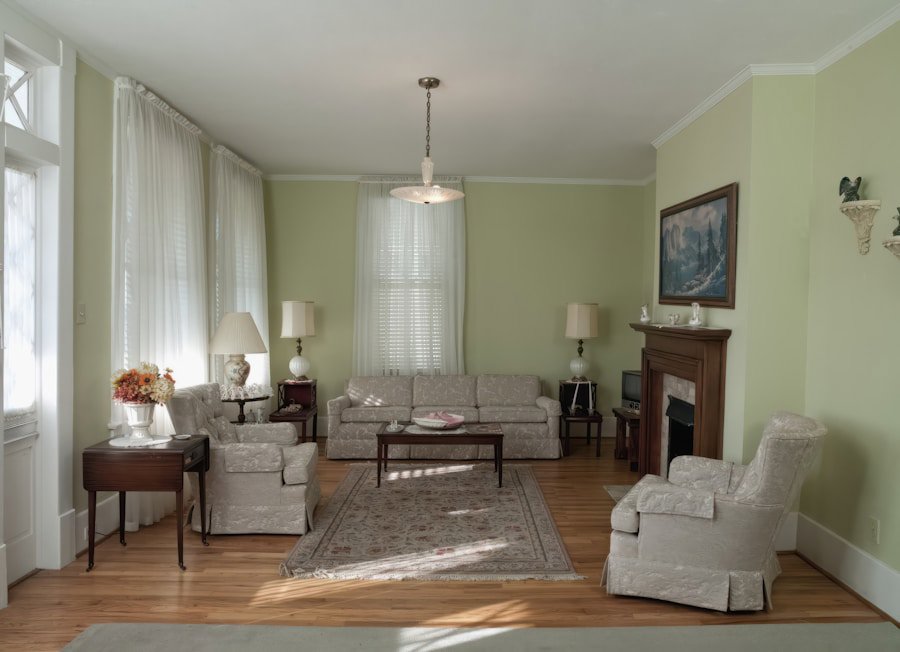
Photo by Carol Highsmith's America on Unsplash
Also worth knowing: cotton is one of the more budget-friendly upholstery fabric options on the market, especially at the mid-range and value end of the spectrum. If you're reupholstering on a budget this spring, or tackling a DIY furniture project, cotton gives you a lot of fabric quality for the money. It's easy to cut, sew, and work with, which designers and upholsterers genuinely appreciate.
What to Look For When Buying Cotton Upholstery Fabric
Buying the right cotton upholstery fabric comes down to a few specific things. Get these right and you'll be happy with your purchase for years.
- Check the double rub count: Aim for 15,000 minimum for occasional use furniture, 25,000 or higher for everyday pieces.
- Look for a protective finish: Stain-resistant or water-repellent treatments make a real difference in longevity, especially for dining chairs and sofas.
- Consider a cotton blend: Cotton-polyester blends balance natural comfort with improved durability and wrinkle resistance. Many people find blends perform better over time than pure cotton alone.
- Check for colorfastness: High-quality cotton upholstery fabric should be tested for light and rub fastness. Ask for this specification if it's not listed, especially for fabrics in strong colors.
- Think about weave weight: Heavier canvas-weight cotton or twill-woven cotton fabrics will always hold up better than lighter plain weaves. The weight of the fabric in your hand tells you a lot.
Frequently Asked Questions
Q: Is cotton upholstery fabric good for sofas?Yes, cotton upholstery fabric can work well on sofas, especially when it's tightly woven, upholstery-grade, and has a double rub count of at least 25,000. For high-traffic family sofas, a cotton-polyester blend or a treated cotton fabric will give you better long-term performance than untreated pure cotton.
Q: How do you clean cotton upholstery fabric?Most cotton upholstery fabrics can be spot-cleaned with a mild soap and water solution. Always blot rather than rub to avoid spreading the stain or damaging the weave. Check the care code on your fabric before using water: a "W" code means water-based cleaning is safe, an "S" code means solvent-only, and a "W/S" means both are fine.
Q: Does cotton upholstery fabric fade in sunlight?Untreated cotton can fade over time with direct sun exposure. If your furniture sits near a sunny window, look for solution-dyed cotton or fabrics with UV-resistant treatments, or simply rotate cushion covers periodically to keep wear even. Using window treatments to reduce direct sunlight will also extend the life of any upholstery fabric significantly.