
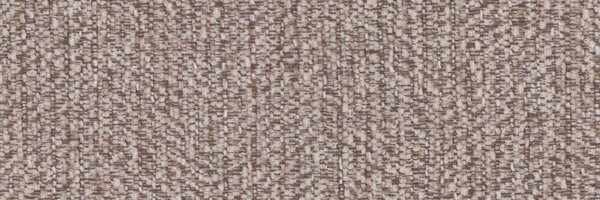
As winter settles in and daylight dwindles, your home's color palette becomes more important than ever. While bold jewel tones and dark fabrics dominated design conversations this fall, savvy homeowners and interior designers are pivoting toward cream and beige upholstery fabrics for their winter refresh. These warm neutrals aren't boring—they're strategic.
Why Cream and Beige Dominate Winter Design
Winter interiors demand fabrics that work harder than summer counterparts. Cream and beige upholstery fabrics accomplish three critical goals simultaneously: they maximize natural light during shorter days, create psychological warmth when temperatures drop, and provide practical durability that hides the inevitable winter wear.
Unlike pure white, which can feel sterile in winter months, cream and beige fabrics absorb and reflect light warmly. This subtle difference transforms living rooms into inviting retreats rather than bright, cold spaces. Interior designers have noticed homeowners gravitating toward these tones specifically because they photograph well in winter lighting and feel luxurious without demanding constant cleaning.
Practical Benefits for High-Traffic Winter Spaces
Winter means more time indoors. Pets seeking warmth curl up on sofas. Family gatherings mean spilled hot chocolate and forgotten snacks. Cream and beige upholstery fabrics excel in these scenarios:
- Stain concealment: Light spills and dirt blend seamlessly into warm neutral tones, reducing maintenance stress
- Seasonal versatility: These fabrics transition effortlessly from winter to spring, eliminating the need for seasonal reupholstering
- Design flexibility: Warm neutrals pair with virtually any accent color, allowing you to rotate winter décor without replacing furniture
- Light reflection: Cream and beige fabrics reflect available winter light, reducing the need for additional lighting
Texture Matters: Selecting the Right Cream or Beige Fabric
Not all cream and beige fabrics perform equally. Winter calls for tactile textures that enhance the cozy factor. Consider these options:
Cotton blends offer breathability and easy care, ideal for households with children or pets. Woven fabrics provide structural integrity and sophisticated texture without appearing flat. Modern textured options like subtle nubs or varied weaves add visual interest while maintaining the warm neutral aesthetic.
Avoid slick, shiny finishes in cream and beige—they read as cold and institutional in winter settings. Instead, seek fabrics with matte or slightly nubby surfaces that invite touch and enhance the luxurious, cozy feeling winter demands.
Styling Your Cream and Beige Upholstery for Maximum Impact
Choosing cream or beige upholstery doesn't mean surrendering personality. Winter is the perfect season to layer your neutral base with strategic accents:
- Add throws in deeper warm tones (rust, chocolate, sage green) for visual depth and functionality
- Layer pillows in complementary textures and subtle patterns to prevent a flat, boring appearance
- Incorporate metallic accents (gold or brass) in furniture legs, side tables, and accessories for warmth
- Use window treatments in richer tones to frame your neutral upholstery and add definition
Investment Value: Why Warm Neutrals Save Money Long-Term
Winter is prime reupholstering season, and homeowners are thinking strategically about longevity. Cream and beige fabrics offer exceptional return on investment because they never go out of style. Unlike trendy jewel tones or seasonal patterns, warm neutrals remain relevant year after year, decade after decade.
This timelessness means your upholstered furniture maintains visual appeal and resale value. Interior designers consistently recommend warm neutral upholstery to clients specifically because it transcends trends and adapts to evolving décor preferences without major replacement costs.
Final Thoughts: Winter's Most Intelligent Choice
This winter, resist the urge to match seasonal trends with bold upholstery colors. Instead, invest in cream or beige fabrics that work intelligently with your home's lighting, accommodate family life, and evolve with your design preferences. Your future self—and your wallet—will appreciate the decision come spring.