
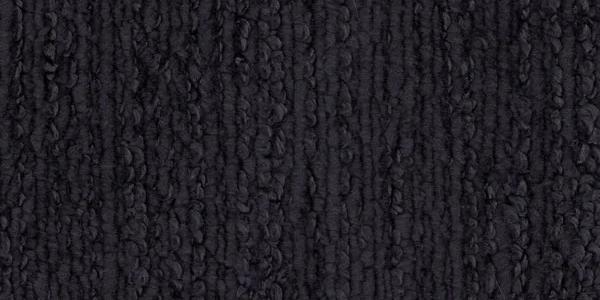
If you've been shopping for upholstery fabric and stumbled across a number followed by a capital "D," like 300D or 600D, you're looking at denier. It's one of those specs that sounds technical but is actually pretty simple once someone breaks it down for you. Denier in upholstery fabric refers to the thickness, or linear density, of the individual fibers or yarns used to make the fabric or its backing. The higher the denier, the thicker and generally tougher the fiber. That's the short version. The longer version, and how to actually use this number when you're comparing fabric swatches, is what we're covering here.
What Does Denier Mean in Upholstery Fabric?
Denier measures the weight of a fiber in grams per 9,000 meters of yarn. In plain terms, it tells you how thick and dense a single strand of fiber is, not how the fabric looks or feels on the surface.
Think of it like comparing a strand of angel hair pasta to a strand of thick spaghetti. Both are pasta, both can hold sauce, but one is going to hold up better to a heavier meal. Fabric fibers work the same way. A 150 denier polyester thread is fine and lightweight, good for drapery or light-use pillows. A 600 or 1000 denier fiber is thick and burly, the kind of thing you'd want on a sofa that sees three kids, a dog, and a lot of Netflix marathons.
Denier does not measure softness, color, or weave pattern. It measures raw fiber thickness, and that's the piece most shoppers miss. You can have a gorgeous, high-denier fabric that still feels soft to the touch, because the finishing process matters too. But as a baseline, higher denier fibers resist fraying, pilling, and snagging better than lower denier ones.
Photo by Andre Taissin on Unsplash
How Does Denier Affect Abrasion Resistance and Durability?
Thicker fibers generally mean better abrasion resistance, which is the fabric's ability to withstand rubbing, friction, and everyday wear without breaking down. This matters most on high-contact areas like seat cushions, arm rests, and anywhere pets like to curl up.
Here's the honest truth: denier is one piece of the durability puzzle, not the whole thing. Weave tightness, fiber type, and finish all play a role too. But as a general rule, upholstery-grade backing fibers in the 300 to 1000 denier range are built for furniture that gets used daily, while anything under 150 denier is better suited for lighter-duty applications like curtains or occasional-use chairs.
- Low denier (under 150D): Lightweight, drapes well, best for decorative pillows, drapery, or low-traffic accent pieces.
- Mid denier (150D to 300D): Solid everyday performance for dining chairs, occasional chairs, and moderate-use furniture.
- High denier (300D to 1000D+): The workhorse range for family rooms, kids' spaces, and pet-friendly households.
Solution-dyed acrylic and nylon fibers tend to run higher denier and hold up especially well against abrasion, which is why you'll often see them in performance fabrics marketed for busy households. Chenille and boucle weaves, in particular, use tightly twisted higher-denier yarns that give them that rugged, cozy texture people love this time of year.
What Is a Double-Rub Rating and How Does It Work With Denier?
A double-rub rating measures how many back-and-forth rubbing cycles a fabric can withstand before it starts showing wear, using either the Wyzenbeek or Martindale abrasion test. It's a durability score, and denier is one of the underlying factors that helps determine it.
Here's how the numbers typically shake out on the Wyzenbeek scale, which is the standard used in North America:
- 3,000 to 6,000 double rubs: Light residential use, think occasional chairs or bedroom benches.
- 9,000 to 15,000 double rubs: Heavy residential use, appropriate for sofas, sectionals, and family rooms.
- 15,000+ double rubs: Commercial or contract grade, built for restaurants, waiting rooms, and high-traffic spaces.
A fabric with high denier fibers but a low double-rub rating is like a bodybuilder who skips cardio. It might look tough, but it hasn't actually been tested under repeated stress. That's why smart shoppers check both numbers, not just one. Denier tells you about the fiber itself. Double-rub count tells you how the finished fabric performs under a standardized abrasion test. Together, they give you a much clearer picture than either spec alone.
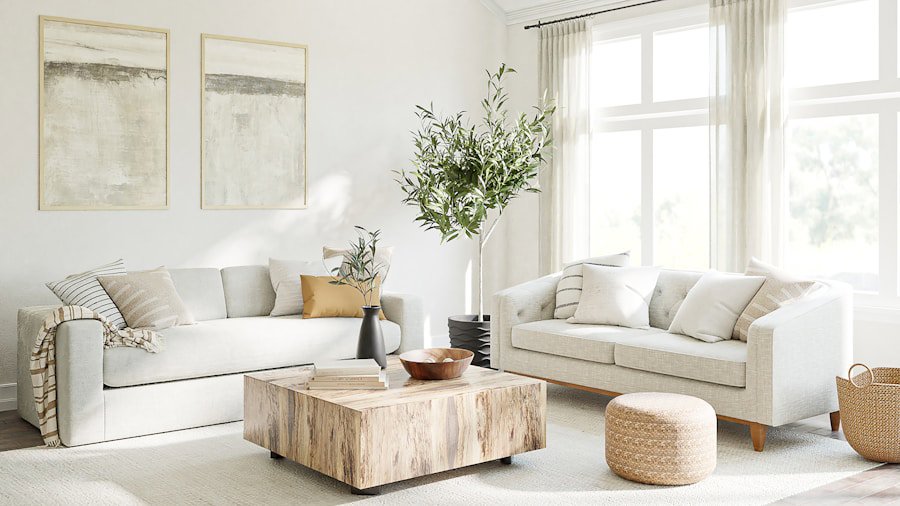
Denier by Fabric Type: What to Expect
Different fabric families tend to land in different denier ranges naturally, based on how they're constructed. Knowing this helps you set expectations before you even look at a double-rub number.
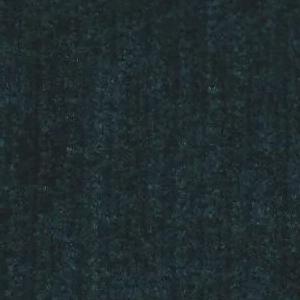
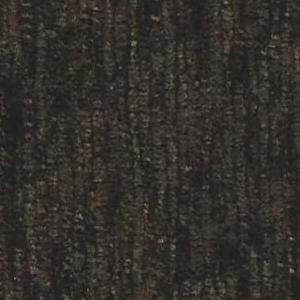
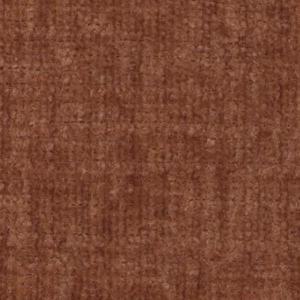
- Chenille: Often uses higher denier yarns twisted into a soft, looped surface, giving you that plush feel without sacrificing toughness. Browse our chenille upholstery fabrics if you want texture that can take a beating.
- Velvet: Can vary widely depending on the pile and backing construction. A well-made velvet upholstery fabric with a solid backing denier holds its color and nap far longer than a bargain-bin version.
- Boucle: The nubby, looped yarns in boucle upholstery fabric are typically higher denier, which is part of why this texture has held onto its popularity through several decor cycles.
- Cotton and linen blends: Usually run lower to mid denier, which is why they're comfier for warm-weather pieces but need more careful placement in high-traffic zones.
How to Compare Denier and Double-Rub Ratings Before You Buy
Buying fabric without checking both specs is a bit like buying a car based only on horsepower and never checking the safety rating. Here's a simple approach that works whether you're recovering a reading chair or outfitting a whole sectional.
- Ask for the denier of both the face fabric and the backing, since backing denier affects how well the fabric resists sagging and tearing over time.
- Check the double-rub count and match it to your household. Families with kids or pets should look for 15,000+ double rubs whenever possible.
- Consider the weave alongside the numbers. A tight, high-denier weave in a chenille or boucle will typically outperform a loose weave with the same denier rating.
- Don't ignore cleanability. High denier and high double-rub numbers mean little if a fabric stains permanently the first time someone spills coffee.
Fall is a good time to think about this stuff, honestly. Cooler weather means more time on the couch, more blankets, more foot traffic from guests stopping by, and if you've got a dog that's suddenly shedding its summer coat all over your favorite chair, durability specs stop being abstract numbers and start being very personal. If you want a place to start browsing durable, texture-rich options, our grey chenille upholstery fabric collection is a solid middle ground between cozy and tough.
What Fabric Specs Actually Matter Most for a Family Home?
For most households, the combination of a mid-to-high denier fiber and a double-rub rating of 15,000 or higher offers the best balance of comfort, durability, and everyday cleanability.
You don't need commercial-grade 30,000 double-rub fabric on your living room sofa unless you're running a daycare out of your house. But you also don't want to settle for a 3,000 double-rub fabric that was really meant for a rarely-used accent chair. Somewhere in the middle is where most families land, and that's exactly where a lot of chenille, boucle, and performance-woven fabrics sit. If you want to browse broadly across durability levels and fabric types, our full upholstery fabric collection lets you filter by exactly what you need.
Frequently Asked Questions
Q: What is a good denier for upholstery fabric?
For everyday residential furniture, look for fibers in the 300 to 600 denier range for backing and structural yarns. This range balances durability with comfort and works well for sofas, sectionals, and dining chairs that see regular use.
Q: Does higher denier always mean a more durable fabric?
Not on its own. Denier measures fiber thickness, but overall durability also depends on weave tightness, fiber type, and the fabric's double-rub rating, so always check both specs together rather than relying on denier alone.
Q: What double-rub rating should I look for with kids or pets at home?
Aim for a double-rub rating of at least 15,000 for households with kids or pets. This falls into the heavy residential to light commercial durability range and typically pairs well with higher denier fibers for the best long-term wear.