
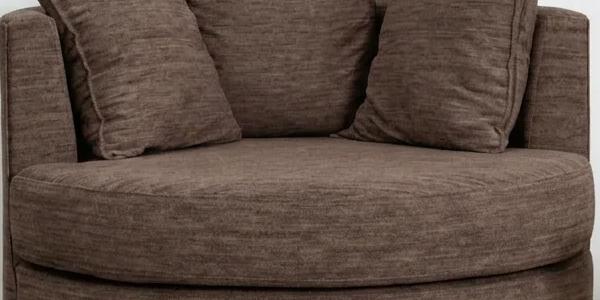
The cost to reupholster a dining chair typically runs anywhere from $25 to $150 per chair for a DIY fabric swap, or $150 to $350 per chair if you hire a professional upholsterer. The exact number depends almost entirely on which fabric you pick, whether the foam needs replacing, and how much of the labor you're willing to do yourself. If you've got a set of six chairs sitting in your dining room looking a little tired after years of Sunday dinners and sticky-fingered toddlers, this is the summer project that actually pays for itself.
Let's get into the actual numbers, because "it depends" isn't a budget.
How Much Does It Cost to Reupholster a Dining Chair?
A single dining chair seat costs roughly $40 to $180 total to reupholster yourself, once you add up fabric, foam, and basic supplies like batting and staples. That range is wide because fabric choice does most of the heavy lifting on price. A budget woven blend might cost you $8 in fabric per seat, while a high-end velvet could run $30 or more for the same chair.
Here's a fact worth remembering: most dining chair seats only need 0.5 to 1 yard of fabric, since the average drop-in seat measures around 18 by 18 inches. That small yardage requirement is exactly why upgrading to a premium fabric for dining chairs is more affordable than people assume, you're not buying yards and yards like you would for a sofa.
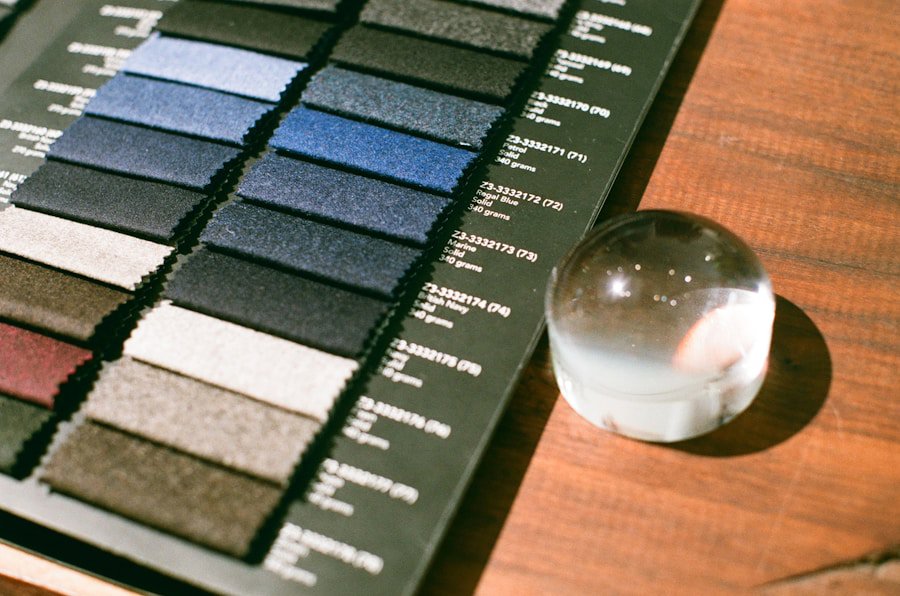
Photo by Yasamine June on Unsplash
Fabric Yardage: How Much Do You Actually Need?
Plan on 0.75 yards per chair for a standard drop-in or slip seat, and bump that up to 1 to 1.25 yards if your fabric has a large pattern repeat that needs matching across chairs. Fabric with a railroaded weave or a small-scale print wastes less, which matters when you're outfitting a full six or eight-chair set.
If your chairs have a fully upholstered back and arm, not just a drop-in seat, double your yardage estimate. Parson-style chairs with wraparound backs can eat up 2 to 2.5 yards each. Always buy 10 to 15% extra fabric beyond the calculator number. Cutting mistakes happen, and dye lots don't always match perfectly if you need to reorder later.
Fabric Cost Comparison: Budget vs Premium
This is the part everyone actually wants to see. Below is a simple breakdown of what different fabric types cost per yard, what that means for one chair seat, and how each holds up over time.
| Fabric Type | Cost Per Yard | Est. Cost Per Chair (0.75 yd) | Durability (Double Rub Count) |
|---|---|---|---|
| Cotton blend | $10 – $18 | $8 – $14 | 10,000 – 15,000 |
| Woven blend | $12 – $22 | $9 – $17 | 15,000 – 30,000 |
| Boucle | $18 – $32 | $14 – $24 | 20,000 – 30,000 |
| Chenille | $20 – $38 | $15 – $29 | 30,000 – 50,000+ |
| Velvet | $28 – $60 | $21 – $45 | 15,000 – 50,000 (varies widely) |
| Vinyl / Faux Leather | $15 – $30 | $11 – $23 | Wipeable, not rub-rated the same way |
The double rub count comes from the Martindale or Wyzenbeek abrasion test, which measures how many rub cycles a fabric withstands before it starts to show wear. Anything above 15,000 double rubs is considered suitable for regular residential use, and above 30,000 is heavy-duty enough for households with kids, pets, or a chair that gets used daily. Honestly, chenille is criminally underrated here. It looks and feels soft like a cozy knit sweater but often out-performs velvet on abrasion resistance, which makes it a smart pick for dining chairs that see real daily traffic.
If you love the look of a plush texture but want something that shrugs off crumbs and coffee spills, browse chenille upholstery fabrics before you commit to velvet. And if budget is the priority, woven blends give you solid durability without the premium price tag.
Foam and Padding: The Cost People Forget
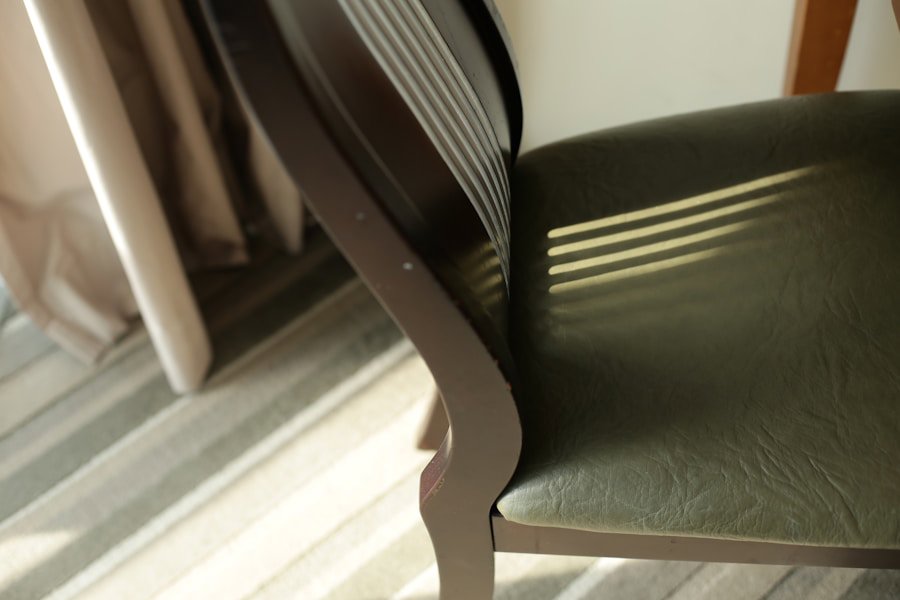
Foam replacement adds $10 to $25 per chair for standard high-density foam, plus $3 to $8 for a layer of polyester batting on top to smooth out the edges. If your existing foam is still firm and hasn't yellowed or crumbled, you can skip this step entirely and just swap the fabric, which is where most of the real savings happen.
Here's a quick gut check: press your thumb into the current seat cushion. If it stays dented or feels lumpy, replace the foam. If it bounces back, save your money and reuse it. High-density foam, usually rated 1.8 to 2.5 lb per cubic foot, holds its shape far longer than the cheap stuff and is worth the extra few dollars if you are replacing it anyway.
Is It Cheaper to Reupholster Dining Chairs Yourself?
Yes, doing the fabric swap yourself typically saves 50 to 70% compared to hiring a professional upholsterer, since labor is the biggest line item in a professional quote. A drop-in dining chair seat is genuinely one of the most beginner-friendly upholstery projects there is, no sewing machine required for most styles.
A professional upholsterer usually charges $75 to $150 in labor per chair for a simple drop-in seat, and that's before materials. Add fabric and foam on top, and a professional job on six chairs can easily land between $900 and $2,100 total. Doing it yourself, that same set might cost you $250 to $500 in materials alone, staple gun and a free Saturday afternoon included.
When Hiring a Professional Actually Makes Sense
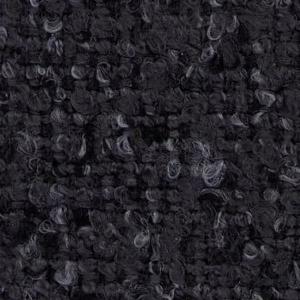
Fully upholstered chair backs, tufted details, piping, or antique frames with horsehair stuffing are where professional labor earns its keep. These jobs require pattern matching across curved surfaces and hand-tacking skills that take years to develop. A quotable rule from the trade: any project requiring pattern matching across multiple panels or COM (customer's own material) yardage calculations is worth a professional consultation, even if you plan to DIY the easier chairs in the set.
Labor costs also climb with fabric type. Vinyl and faux leather often add a small upcharge for professional installation since they don't forgive mistakes the way woven fabric does, no do-overs once you've stapled through it.
What's the Most Durable Fabric for Dining Chairs?
For everyday dining chair use, look for a fabric rated at least 30,000 double rubs on the Martindale or Wyzenbeek test, which puts chenille, boucle, and many woven blends ahead of standard velvet in raw abrasion resistance. Solution-dyed fibers also resist fading near sunny windows, which matters more than people expect once summer light starts streaming through the dining room all afternoon.
If you want the plush look of velvet but need serious durability for a busy household, look for velvet blended with a synthetic backing or a performance finish. Our grey velvet upholstery fabric collection includes several performance-rated options that hold up well against pets and daily use without sacrificing that soft hand-feel everyone loves.
For anyone chasing the lowest possible price without sacrificing too much durability, check the sale upholstery fabrics section before buying full price. Discontinued colorways and overstock rolls often include perfectly good mid-weight fabrics at a fraction of the original cost.
Quick Budget Checklist Before You Buy
- Measure your seat and multiply by the number of chairs, then add 15% extra fabric for mistakes and pattern matching
- Check current foam condition before assuming you need to replace it
- Choose a fabric rated at least 15,000 double rubs for occasional use, 30,000+ for daily family use
- Get one professional quote even if you plan to DIY, so you know your real savings number
- Buy a heavy-duty staple gun if doing it yourself, a stapler rated for upholstery work saves hours of frustration
Frequently Asked Questions
Q: How much fabric do I need to reupholster one dining chair?
Most dining chair seats need 0.5 to 1 yard of fabric, while chairs with fully upholstered backs need 2 to 2.5 yards. Always buy 10 to 15% extra to account for pattern matching and cutting errors.
Q: Is chenille or velvet better for dining chairs?
Chenille generally outperforms standard velvet on abrasion resistance, often testing at 30,000 to 50,000 double rubs compared to velvet's typical 15,000 to 30,000, making chenille a stronger choice for daily dining use. Velvet with a performance backing can close that durability gap while keeping the plush look.
Q: Can I reupholster a dining chair without sewing?
Yes, a standard drop-in dining chair seat requires no sewing at all. You simply stretch new fabric over the existing foam and staple it to the underside of the seat frame, which is why it's one of the most popular beginner upholstery projects.