
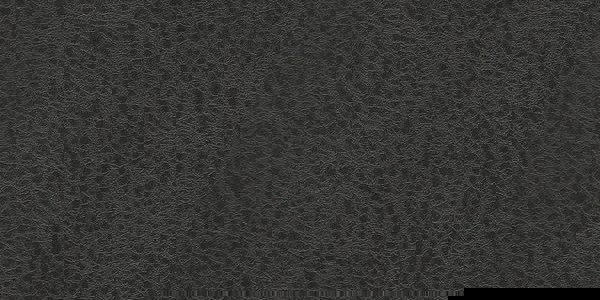
Faux leather upholstery fabric has come a long way from the stiff, peely stuff that gave it a bad reputation in the first place. If you wrote it off years ago, it might be time to take another look. Modern faux leather fabrics, including PU leather, bonded leather alternatives, and vinyl upholstery cloth, are engineered to handle real life. And with spring being the season when most homeowners start eyeing their tired furniture and wondering what to do about it, faux leather is very much worth a second thought.
What Exactly Is Faux Leather Upholstery Fabric?
Faux leather is a synthetic fabric designed to mimic the look and feel of genuine animal hide without using actual leather. Most faux leather upholstery fabrics fall into two main categories: PU (polyurethane) leather and PVC/vinyl-based materials. PU leather tends to be softer and more breathable, while vinyl is thicker, harder-wearing, and water-resistant at a very high level. Both are distinct from bonded leather, which actually contains shredded leather fibers glued to a fabric backing and is the type most likely to peel over time. True faux leather contains no animal hide at all.
Here's the thing: the term "faux leather" covers a wide range of products, and quality varies significantly between them. A high-quality PU upholstery fabric can have a double rub count of 50,000 or higher, which meets and often exceeds the residential durability standard of 15,000 double rubs. Commercial-grade vinyl upholstery can reach 100,000 or more double rubs, making it a legitimate option for high-traffic pieces.
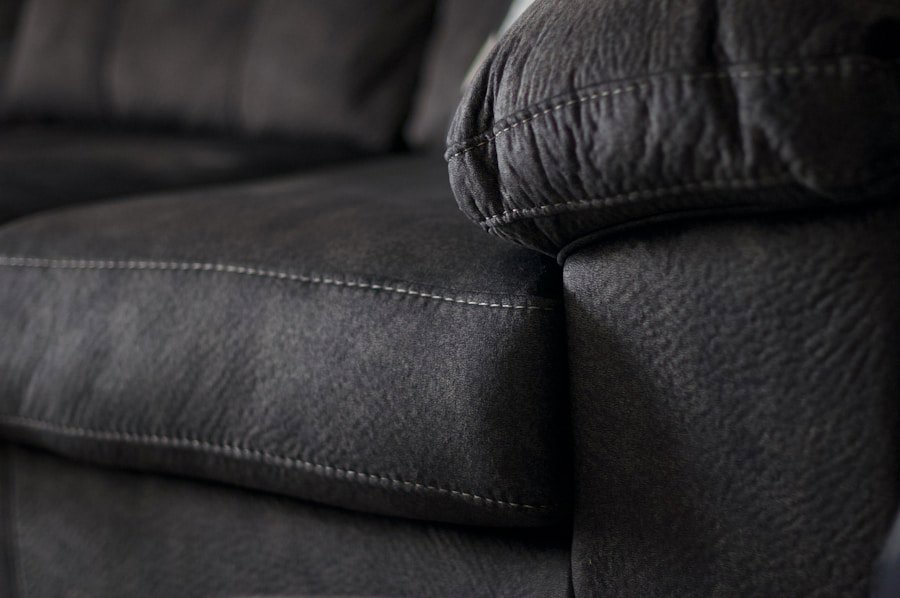
Photo by Dan Dennis on Unsplash
Why Are Homeowners Choosing Faux Leather This Spring?
Spring cleaning season tends to make people take a hard look at their furniture, and faux leather checks a lot of boxes right now. It wipes clean in seconds, it doesn't absorb pet dander the way woven fabrics can, and it comes in a range of colors that fit both modern and classic interiors. From warm cognac tones to crisp whites and soft greys, the color options for faux leather upholstery have expanded well beyond basic black.
Also, the sustainability angle matters more to buyers than it used to. PU leather in particular uses fewer resources and no animal byproducts, which appeals to homeowners who want a leather look without the ethical or environmental footprint of genuine hide. Several newer faux leathers are also made with water-based coatings rather than solvent-based finishes, which reduces chemical off-gassing in the home.
- Easy maintenance: Most spills wipe clean with a damp cloth and mild soap. No special conditioners needed.
- Allergy-friendly: Faux leather doesn't trap allergens the way textured woven fabrics can, making it a smart pick for allergy-prone households.
- Consistent appearance: Unlike genuine leather, faux leather doesn't fade unevenly or develop hide markings over time.
- Cost: Faux leather upholstery fabric is almost always more affordable than genuine leather, often dramatically so.
- Versatility: It works on sofas, dining chairs, headboards, ottomans, and accent pieces.
What Is the Difference Between PU Leather and Vinyl Upholstery Fabric?
PU leather is the softer, more flexible option, and it's the one most people mean when they say faux leather for home furniture. Vinyl, also called PVC upholstery fabric, is stiffer, thicker, and more impervious to liquid. Both are durable, but they serve slightly different purposes. PU leather feels closer to the real thing and drapes better on curved furniture. Vinyl is the workhorse choice for dining chairs, commercial seating, and any piece that needs to stand up to repeated cleaning or heavy use.
From a practical standpoint, PU leather with a fabric backing typically scores between 30,000 and 75,000 double rubs depending on construction. Vinyl upholstery often exceeds 100,000 double rubs, measured using the Wyzenbeek abrasion test, which is the standard most commonly used in North America. If you're reupholstering a piece that will see daily use from kids, pets, or both, vinyl is honestly the more honest answer, even if PU feels nicer to the touch.
One thing to keep in mind with both types: heat exposure matters. Prolonged direct sunlight can cause PU leather to break down faster than solution-dyed acrylic or outdoor-rated fabrics. If the piece you're reupholstering sits in a sun-drenched spot, look for faux leather with UV-resistant topcoating or consider pairing it with window treatments to protect the fabric long term.
How Do You Care for Faux Leather Upholstery Fabric?
Caring for faux leather is genuinely one of its biggest advantages. A damp cloth handles most everyday spills and surface dust. For tougher stains, a small amount of mild dish soap diluted in water works well on most PU and vinyl surfaces. Avoid alcohol-based cleaners on PU leather specifically, as they can break down the polyurethane coating over time and cause surface cracking. Vinyl is more tolerant of stronger cleaning agents, which is part of why it's the standard material in healthcare and foodservice settings.
You don't need to condition faux leather the way you would genuine hide. There's no natural oil content to maintain. That said, keeping the fabric away from heat sources like radiators or direct sunlight will extend its life significantly. A little prevention goes a long way.
Is Faux Leather a Good Choice for Households with Pets?
Faux leather is one of the better upholstery fabric choices for pet owners, with a few caveats. Because the surface is smooth and non-porous, pet hair sits on top and wipes off easily rather than embedding into the weave. Accidents clean up quickly without soaking in. The honest caveat is that cats with a scratching habit can damage faux leather surfaces faster than they would a tightly woven fabric like a high-rub-count chenille or a heavyweight cotton canvas. If you have a dedicated scratcher in the house, either redirect the behavior or protect the corners of upholstered pieces with deterrents. Otherwise, faux leather and pet households are genuinely a good match.
Frequently Asked Questions
Q: How long does faux leather upholstery fabric last?
A high-quality PU or vinyl faux leather upholstery fabric can last anywhere from 5 to 15 years depending on usage, care, and construction quality. Fabrics with double rub counts above 50,000 and UV-resistant coatings will hold up significantly longer than budget options with no protective finish.
Q: Does faux leather upholstery fabric peel?
True PU or vinyl faux leather does not peel the way bonded leather does. Peeling is typically associated with bonded leather products, which contain actual leather fibers adhered to a backing. Pure synthetic faux leather fabrics are far more resistant to surface delamination when they are properly constructed and maintained.
Q: Can faux leather upholstery fabric be used outdoors?
Standard faux leather is not rated for outdoor use. For outdoor furniture, you would need a fabric specifically engineered for UV exposure and moisture resistance, such as solution-dyed acrylic or a marine-grade vinyl. Some heavy-duty vinyls are suitable for covered outdoor spaces, but always check the manufacturer's specifications before using any upholstery fabric outside.