

Faux leather upholstery fabric gets a bad rap. Mention it to a certain type of interior design purist and you'll get a polite grimace, maybe a slow shake of the head. But here's the thing: modern faux leather has genuinely earned its place in well-designed homes, and a lot of the skepticism is based on outdated versions of the material. If your last experience with faux leather involved a sticky summer sofa that cracked within two years, it's time to reconsider. Today's faux leather upholstery is engineered to perform, and for a wide range of households and budgets, it's actually the smarter call.
What Exactly Is Faux Leather Upholstery Fabric?
Faux leather is a synthetic material designed to replicate the look and feel of genuine animal hide, without using any animal products. Most faux leather upholstery fabric is made from a fabric base, typically polyester or cotton, coated with a layer of polyurethane (PU) or polyvinyl chloride (PVC). PU faux leather tends to be the more flexible, breathable, and furniture-friendly option of the two. PVC is harder-wearing and more water-resistant, which makes it a solid pick for high-traffic or commercial use.
The quality spectrum is wide. Entry-level faux leather can feel stiff and look plasticky. Higher-end versions are embossed with grain patterns, have a softness that genuinely mimics real leather, and are built to last years of daily use. Knowing which type you're looking at before you buy makes all the difference.
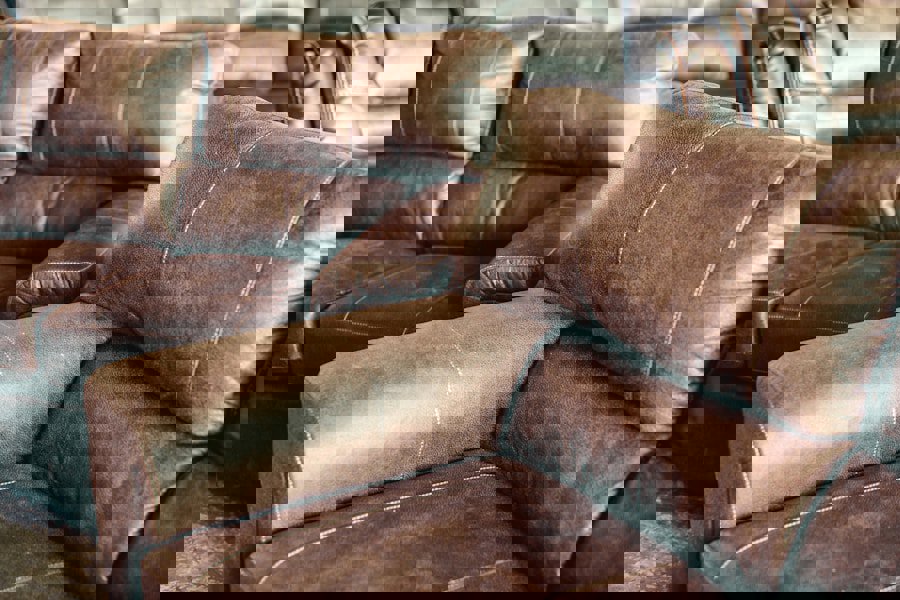
Photo by Chelsea fern on Unsplash
How Durable Is Faux Leather for Furniture?
Quality faux leather upholstery fabric can achieve double rub counts of 100,000 or higher, making it suitable for heavy-duty residential and even light commercial applications. For context, fabric rated above 15,000 double rubs is generally considered appropriate for heavy residential use, so well-made faux leather clears that bar by a significant margin. That kind of durability is hard to argue with, especially at the price point faux leather typically sits at.
PU faux leather in particular holds up well to everyday wear. It resists scuffs, doesn't snag like woven fabrics, and doesn't absorb spills the way natural fibers do. For households with kids, pets, or both, that last point alone is worth paying attention to. A damp cloth handles most messes in seconds. No enzyme cleaners, no upholstery shampoo, no panic.
The main vulnerability with faux leather is cracking and peeling over time, and that's where quality matters enormously. Cheaper PVC-based options with thin coatings are more prone to surface breakdown, especially in dry conditions or direct sunlight. Investing in a thicker, higher-grade PU faux leather dramatically extends the lifespan of whatever you're making or reupholstering.
Is Faux Leather a Good Choice for Spring Home Updates?
Spring is one of the best times to reupholster furniture or refresh a room, and faux leather fits the season well. Lighter neutral shades like cream, warm taupe, and soft caramel are trending right now as people move away from the all-grey interiors that dominated for the past decade. Faux leather in these tones adds warmth and a clean, modern edge without feeling heavy or dark.
There's also a practical spring angle here. Faux leather doesn't trap allergens the way upholstered fabrics with texture or pile can. As windows open and pollen levels rise, a smooth faux leather surface is genuinely easier to keep clean. A weekly wipe-down is all it needs.
This spring, designers are also leaning into contrast. A deep forest green or cognac faux leather on a dining chair or accent bench works beautifully against the lighter linens and natural textures that are popular right now. It's a surprisingly versatile fabric for a season that tends to favor softness.
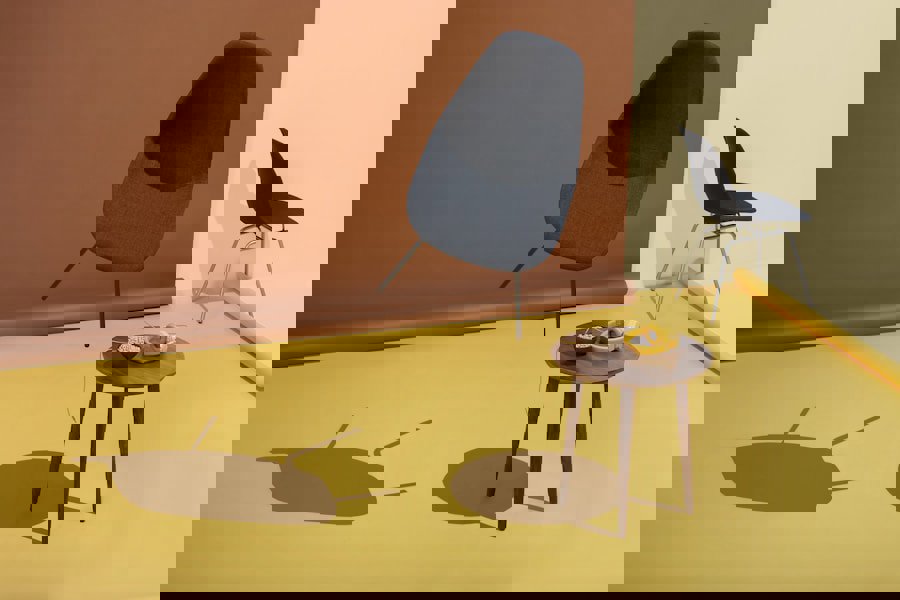
Photo by Inside Weather on Unsplash
What Furniture Works Best With Faux Leather Upholstery?
Faux leather is an exceptionally versatile choice, and it performs well across a wider range of furniture types than most people expect. Here's where it tends to shine:
- Dining chairs: Probably the single best use case. Easy to wipe after meals, holds its shape under regular use, and looks polished in both casual and formal settings.
- Accent chairs and ottomans: A faux leather accent chair in a bold color adds real visual impact without the commitment or cost of genuine leather.
- Sofas and sectionals: Works well in homes with pets or young children where cleanability is a priority. Opt for higher-grade PU leather for anything that will take this much daily contact.
- Headboards: Faux leather headboards have been popular for years because they're easy to clean and add a sleek, finished look to a bedroom.
- Home office seating: Desk chairs and office seating upholstered in faux leather are comfortable, breathable enough for extended use in PU form, and much easier to maintain than fabric alternatives.
Where faux leather tends to underperform is in very hot climates or rooms with significant direct sun exposure. It can feel warmer to sit on than natural fibers, and UV exposure over time will degrade lower-quality coatings. If your space gets a lot of sun, look for faux leather with UV-stabilized coatings, and consider window treatments to protect your investment.
Faux Leather vs. Real Leather: What Are You Actually Giving Up?
Genuine leather develops a patina over decades of use, softening and deepening in character in ways no synthetic material fully replicates. If that aging quality matters to you, real leather is worth the investment. It also tends to breathe better and has a warmth and natural variation that high-end faux leather can approximate but not perfectly match.
That said, faux leather wins on several counts that genuinely matter for most households. It's significantly less expensive, often by a factor of three to five times for comparable coverage. It's fully vegan, which matters to a growing number of shoppers. It's more consistent in color and texture across a full cut of fabric, which makes matching and upholstery projects easier. And it requires far less maintenance than genuine leather, which needs regular conditioning to prevent cracking.
Honestly, for most everyday furniture projects, the practical case for faux leather is stronger than people give it credit for. The gap in quality between the two has narrowed considerably as manufacturing has improved. You're not settling when you choose faux leather. You're making a considered decision based on your lifestyle and budget, and there's nothing wrong with that.
What to Look for When Buying Faux Leather Upholstery Fabric
- Check the double rub count: For residential furniture, look for a minimum of 30,000 double rubs. For high-traffic pieces, 100,000 or above is ideal.
- PU vs. PVC: For most home upholstery, PU faux leather is the better choice. It's softer, more flexible, and tends to age better than PVC.
- Backing material: A knit or woven backing adds stretch and durability. Thin or flimsy backing is a warning sign for a lower-quality product.
- Coating thickness: Thicker coatings are more resistant to cracking and peeling. Ask for specs or samples before ordering in bulk.
- Colorfastness: Look for faux leather that's been tested for UV resistance, especially if the finished piece will be near windows.
- Width: Most upholstery-grade faux leather comes in 54 to 60-inch widths. Confirm the width before calculating your yardage to avoid running short.
Frequently Asked Questions
Q: Is faux leather upholstery fabric good for homes with pets?Yes, faux leather is one of the best upholstery choices for pet owners. It doesn't absorb odors or moisture, is easy to wipe clean, and resists most surface stains. PU faux leather in particular holds up well to everyday pet contact. Note that cats with claws can scratch the surface, so it's worth considering that if your cat shares the furniture.
Q: How long does faux leather upholstery fabric last?High-quality PU faux leather upholstery fabric can last anywhere from five to fifteen years with normal use and basic care. Durability depends heavily on the quality of the coating and backing. Cheaper options may begin to crack or peel within two to three years, especially in dry environments or with heavy use. Choosing a product with a double rub count of 100,000 or higher is a reliable indicator of long-term performance.
Q: Can faux leather upholstery fabric be used outdoors?Standard faux leather upholstery fabric is not designed for outdoor use. Prolonged exposure to UV rays, moisture, and temperature fluctuations will break down the coating over time. If you need a leather-look fabric for outdoor furniture, look specifically for solution-dyed acrylic or marine-grade vinyl products that are engineered to withstand outdoor conditions. These are different products from interior faux leather and will be clearly labeled for outdoor use.