
If you've searched "homemade upholstery cleaner" and landed on advice meant for delicate throw pillow covers, you're not getting the full picture. Upholstery-weight fabric, the kind used on sofas, sectionals, and dining chairs, is built differently than the lightweight decor fabric on your accent pillows. It's heavier, denser, and generally rated for years of contact, spills, and pet claws. That means it can handle a more assertive homemade cleaning solution than most blog posts admit. Fall is prime time for this kind of maintenance too, with more indoor gatherings, muddy paws, and Thanksgiving spills headed your way.
Step-by-Step Instructions
- Check the cleaning code on the tag. Most upholstery-weight fabric has a code: W (water-based cleaners okay), S (solvent-based only), WS (both), or X (vacuum only, no liquid). This single letter tells you more than any generic tutorial will.
- Vacuum thoroughly before applying anything wet. Use an upholstery attachment to pull loose dirt and pet hair out of the weave. Skipping this step just turns dry soil into mud once you add liquid.
- Mix your solution based on fiber type. A basic homemade upholstery cleaner starts with one tablespoon of mild dish soap, one tablespoon of white vinegar, and two cups of warm water. Adjust ratios by fiber, which we'll cover below.
- Spot test in a hidden spot first. Apply a small amount to the underside of a cushion or the back panel. Wait ten minutes, blot, and check for color transfer, texture change, or watermarking before treating the whole piece.
- Apply with a soft-bristle brush or microfiber cloth. Work in small sections, using circular motions for pile fabrics like chenille and velvet, and straight wipes for smooth surfaces like vinyl or faux leather.
- Blot, don't scrub, on any woven fiber. Scrubbing pushes dirt deeper and can fray the weave. Blot with a clean, dry cloth to lift moisture and loosened grime.
- Let it air dry completely before sitting on it. A fan or open window speeds this up. Damp upholstery-weight fabric left in a closed room can develop a musty smell fast.
- Brush the nap back into place once dry. This matters most for chenille, velvet, and corduroy, where flattened fibers can look "cleaned" but still uneven.
Photo by engin akyurt on Unsplash
Why Does Upholstery-Weight Fabric Tolerate More Aggressive Cleaning?
Upholstery-weight fabric is built for daily contact and abrasion, so it can handle stronger cleaning solutions and more scrubbing pressure than lightweight decor fabric. Decor fabric used for pillow shams or curtains is often 4 to 7 ounces per linear yard, while true upholstery fabric typically runs 12 to 16 ounces per linear yard with a tighter weave structure.
That extra weight and density isn't just about feel. It's directly tied to durability testing. Upholstery fabric is rated using the Martindale abrasion test or the Wyzenbeek double rub count, and fabric intended for heavy household use typically scores 15,000 to 30,000+ double rubs, compared to under 3,000 for decorative-weight textiles. A fabric that can survive 30,000 double rubs of friction can absolutely survive a vinegar-water solution and a soft brush. Honestly, treating heavy-duty upholstery fabric like it's fragile is like babying a cast iron skillet. It's tougher than you think.
What's the Best Homemade Upholstery Cleaner for Each Fiber Type?
The best homemade upholstery cleaner depends on your fiber. Chenille and cotton tolerate mild soap-and-water solutions well, velvet needs a drier approach to avoid crushing the pile, and faux leather or vinyl actually prefer a gentler wipe-down since they're non-porous.
Chenille
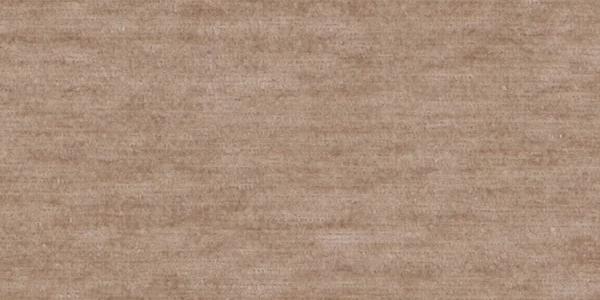
Chenille is criminally underrated for durability. Its looped, textured yarns hide soil well and hold up to a warm water, dish soap, and vinegar mix applied with a soft brush. Work in the direction of the weave, then blot dry. Our chenille upholstery fabrics are a popular pick for exactly this reason: they look plush but clean like a champ.
Velvet
Velvet gets a bad rap for being high-maintenance, but upholstery-weight velvet is tougher than the velvet on your grandmother's throw pillow. Use a barely-damp cloth with a diluted soap solution, dab rather than rub, and always brush the pile back in one direction while damp. Skip vinegar on velvet since it can dull the sheen. Browse velvet upholstery fabrics if you're shopping for a piece that photographs beautifully and still handles real life.
Faux Leather and Vinyl
These are the easiest fibers on this list, full stop. A simple mix of dish soap and warm water wiped on with a microfiber cloth handles most spills. Avoid anything with alcohol or ammonia, which can crack the surface coating over time.
Cotton
Cotton upholstery fabric handles the strongest solution of the bunch. A slightly stronger vinegar ratio, up to two tablespoons per two cups of water, works well for set-in stains, since cotton fibers are colorfast and resilient when properly woven for upholstery weight.

Photo by Francesca Tosolini on Unsplash
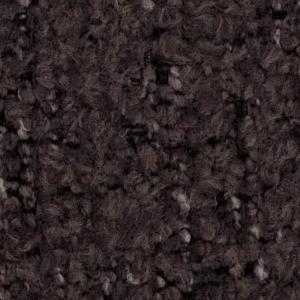
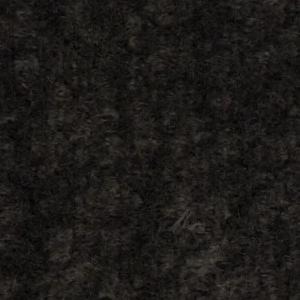
If you're building out a room for fall entertaining, durability and easy care matter as much as color. Take a look at a few tough, cleanable options below.
What Should You Never Mix in a DIY Upholstery Cleaner?
Never mix bleach with vinegar or ammonia, and never combine hydrogen peroxide with vinegar. These combinations can produce harmful fumes and, on a practical level, will damage fabric dye and fiber structure.
Also skip using laundry detergent formulated for clothing washers. It's designed to rinse away completely in a machine, and on upholstery it leaves a sticky residue that actually attracts more dirt afterward. Stick to mild dish soap, white vinegar, and water as your base trio. It's simple, it's cheap, and it works on nearly every fiber type sold for upholstery use.
How Do You Spot Test an Upholstery Cleaner Correctly?
Apply a small amount of your solution to a hidden area, like the back of a cushion or underside of an arm panel, and wait 10 minutes before checking the result. Look for three things: color bleeding onto your cloth, a change in fabric texture, or a ring or watermark forming as it dries.
If all three come back clean, you're good to treat the visible surface. If you see any color transfer at all, stop and switch to a professional cleaner or a solvent-based product matched to your fabric's cleaning code. This one step prevents nearly every DIY cleaning disaster homeowners run into.
Tips for Long-Lasting Results
- Clean spills immediately. The longer a spill sits on any fiber, the more likely it is to set permanently, even on tough upholstery-weight fabric.
- Rotate cushions weekly if your furniture allows it, so wear and cleaning both stay even across the piece.
- Keep a dedicated soft-bristle brush just for fabric, separate from your household cleaning brushes, to avoid cross-contamination from other chemicals.
- Consider solution-dyed acrylic or performance fabric for high-traffic households, since these fibers resist staining at the molecular level rather than just on the surface.
- Vacuum monthly even without visible dirt. Ground-in grit is what actually shortens a fabric's lifespan over time, not the cleaning itself.
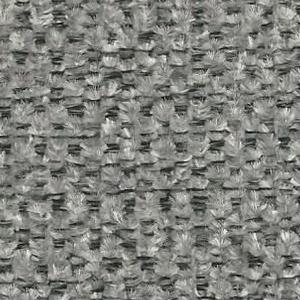
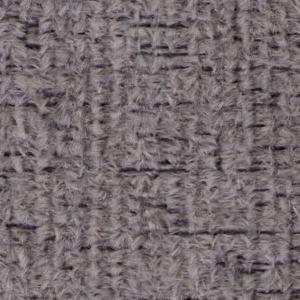
If your current sofa fabric is starting to look tired no matter what you try, sometimes the fix isn't more cleaning, it's a fabric upgrade. Our full upholstery fabric collection includes performance-grade options built for exactly this kind of daily wear, and options like grey velvet upholstery fabric or cream chenille upholstery fabric hide everyday soil especially well between deep cleans.
Frequently Asked Questions
Q: Can I use a homemade upholstery cleaner on any fabric?
No. Always check the manufacturer's cleaning code first (W, S, WS, or X), since fabrics coded S or X can be damaged by water-based solutions and require solvent cleaning or vacuum-only maintenance.
Q: What is the safest homemade upholstery cleaner recipe?
A mix of one tablespoon mild dish soap, one tablespoon white vinegar, and two cups warm water is safe for most W-coded upholstery-weight fabrics, including chenille and cotton, when applied after a spot test.
Q: Why can upholstery fabric handle stronger cleaning than throw pillow fabric?
Upholstery-weight fabric is heavier and more tightly woven, often rated for 15,000 to 30,000+ double rubs on the Martindale or Wyzenbeek abrasion test, compared to decor-weight fabric rated for daily wear rather than heavy scrubbing.
