
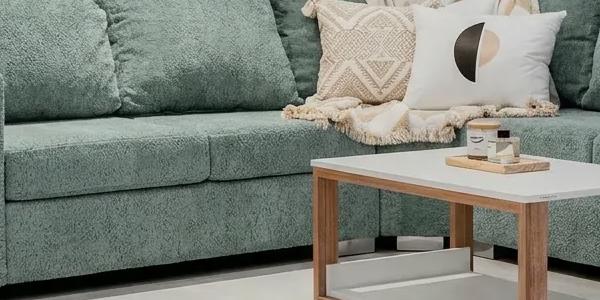
How much upholstery fabric do you need for that dining chair, sofa, or DIY headboard project? It's the first question every homeowner asks before placing an order, and honestly, it trips up even people who've reupholstered furniture before. Get the math wrong and you're either stuck mid-project waiting on a rush shipment, or you've got three unused yards of fabric sitting in the closet. This guide walks you through estimating yardage for the most common furniture pieces, plus the three factors that quietly add or subtract yards from your order: pattern repeat, railroading, and fabric width.
Quick Yardage Reference by Furniture Type
Here's the short answer, then we'll get into the details that shift these numbers up or down. These estimates assume standard 54 inch wide fabric with a small or no pattern repeat.
- Dining chair, seat only: 1 yard
- Dining chair, seat and back: 1.5 to 2 yards
- Armchair or accent chair: 4 to 6 yards
- Loveseat: 6 to 8 yards
- Standard 3-seat sofa: 8 to 12 yards
- Sectional sofa: 15 to 20+ yards
- Queen headboard: 3 to 5 yards
- Ottoman: 2 to 3 yards
Fifty-four inches is the industry standard fabric width for most decorative and upholstery-weight goods, and every yardage chart you'll find, ours included, is built around that number. Wider or narrower bolts change your totals fast, which is exactly why step five below matters so much.
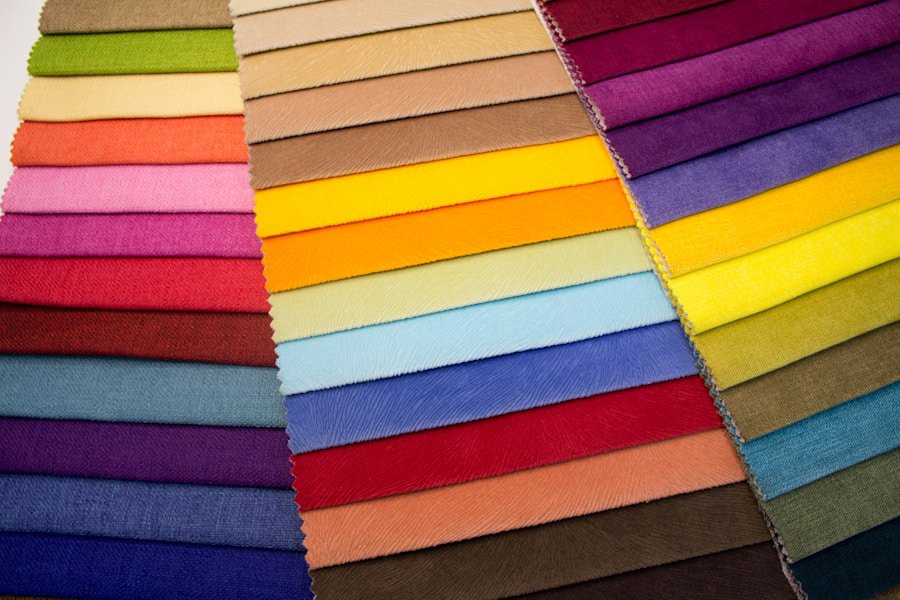
Photo by Ekaterina Grosheva on Unsplash
Step-by-Step Instructions
- Measure your furniture piece. Get the width, depth, and height of the item, including arms and back cushions. Measure over the existing upholstery, not the frame underneath, since padding adds bulk you'll need to cover.
- Add seam and wrap allowance. Add 4 to 6 inches to every panel measurement for seam allowance, tuck-ins, and stapling margins. This is the step most first-timers skip, and it's the reason "just enough" fabric never actually is.
- Count how many fabric widths you need per panel. If a cushion is 30 inches wide and your fabric is 54 inches wide, you can usually get two panels out of one width. Wider pieces, like a sofa back, may need multiple widths seamed together.
- Check the pattern repeat. If your fabric has a repeating print or woven motif, you'll need extra length so the pattern lines up across seams and cushions. We break this down further below.
- Decide if railroading works for your piece. Railroaded fabric runs sideways instead of up and down, which can let you cover a sofa or bench seat without piecing panels together at all.
- Total your yardage and round up. Add all your panel lengths together, convert inches to yards, then round up to the nearest half yard. Fabric mills cut in fixed increments, so rounding down almost never saves you money anyway.
- Add your buffer. Tack on 10 to 20 percent extra, or at least one full yard, before you check out. We'll explain exactly why in a minute.
What Is Pattern Repeat and How Does It Change Your Yardage?
Pattern repeat is the vertical distance between one point in a fabric's design and the next identical point. The larger the repeat, the more fabric you need to keep the pattern matched across cushions, arms, and seams.
A solid fabric has zero repeat, so your yardage math stops at step four above. But a fabric with a 13-inch repeat might add 10 percent to your total, while a bold 27-inch repeat, common in large florals or jacquards, can add 25 percent or more. If you're eyeing a patterned velvet upholstery fabric for an accent chair, ask for the repeat measurement before you calculate yardage, not after. Solid and small-scale textures, like a fine chenille or a subtle boucle, sidestep this issue entirely, which is one reason designers lean on them for large pieces.
How Does Railroading Affect Fabric Yardage?
Railroading means the fabric's design runs horizontally across the roll instead of vertically, so a wide piece like a sofa can be upholstered without seaming multiple panels together. Railroaded fabric typically ships in wider rolls, often 118 to 137 inches, which can actually reduce your total yardage on large horizontal surfaces.
Not every fabric can be railroaded. Directional patterns, like most florals or stripes meant to run vertically, usually can't be turned sideways without looking upside down or sideways in the finished piece. Solid textures and non-directional weaves are your best candidates. If your upholsterer mentions railroading, ask whether your chosen fabric supports it before you finalize the yardage math, since it changes both the calculation and, sometimes, the price per yard.
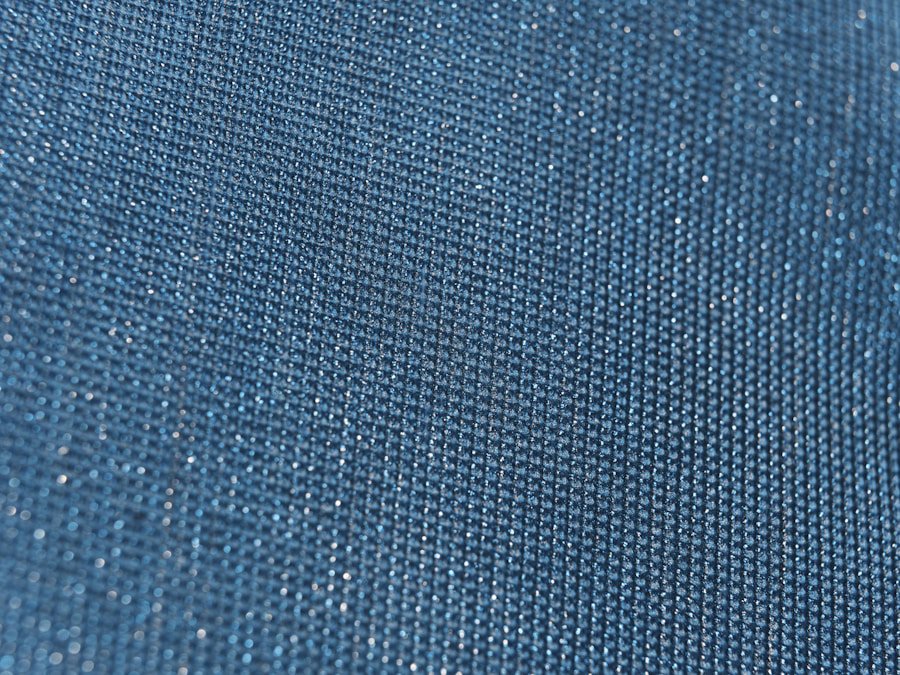
Photo by engin akyurt on Unsplash
Why Do Upholsterers Always Recommend Buying Extra Fabric?
Upholsterers almost universally recommend adding 10 to 20 percent extra yardage, or a minimum of one full extra yard, on top of your calculated total. Fabric flaws, cutting mistakes, and future repairs are the three biggest reasons why.
Here's the thing: dye lots vary between production runs. If a cushion tears next year and you order "the same" fabric to patch it, there's a real chance the new bolt won't match the original perfectly, even with an identical pattern number. Buying a little extra now, and storing it flat away from sunlight, means you'll have a true match on hand when life happens to your furniture. It's also just cheaper to add a yard upfront than to pay for a second shipment, a second cutting fee, and the wait that comes with both. If budget is the concern, our fabric sale section is worth checking before you commit to full yardage, since discounted bolts often let you buy that buffer yard guilt-free.
Family and Pet Durability: What Yardage Math Won't Tell You
Fabric rated at 15,000 double rubs or higher on the Martindale or Wyzenbeek abrasion test is generally considered heavy-duty enough for daily household use, including homes with kids and dogs. That number matters as much as your yardage total, because buying the right amount of the wrong fabric doesn't solve much.
If you're recovering a family room sofa, look past color first and check the durability spec. Solution-dyed acrylic fibers, colored during production rather than after weaving, resist fading from sunlight and hold up well through repeated cleanings, which makes them a smart pick for a bright summer sunroom. Honestly, chenille upholstery fabrics are criminally underrated here too. The tight, looped weave hides crumbs and pet hair better than most people expect, and a good chenille regularly tests above 30,000 double rubs, well into heavy residential territory.
Once you've got your durability requirements sorted, browsing by texture makes the yardage math easier since you're comparing apples to apples on width and weight.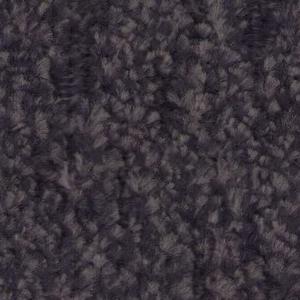
Tips for Nailing Your Fabric Order
- Order a swatch or cutting for approval before you buy full yardage. Screen colors lie, and lighting in your room will shift how a fabric reads.
- Buy all your yardage in a single order when possible, so it comes from the same dye lot.
- If you're leaning into summer's textured, tactile trend, a nubby boucle upholstery fabric reads lighter and airier than heavy velvet, and its irregular loop pattern has no repeat to worry about.
- Ask your upholsterer for a cushion count separately from the frame yardage. Loose cushions with zippers often need more fabric per square foot than a fixed, stapled panel.
- Store leftover fabric flat, rolled if possible, away from direct sunlight and humidity, so your repair yard stays true to color.
Frequently Asked Questions
Q: How much fabric do I need to reupholster a standard sofa?
A standard three-seat sofa typically needs 8 to 12 yards of 54 inch wide upholstery fabric, depending on cushion style and whether the fabric has a pattern repeat.
Q: What double rub count is good for a family sofa?
A double rub count of 15,000 or higher on the Martindale or Wyzenbeek abrasion test is considered heavy-duty and suitable for daily use by families and pets.
Q: Why should I buy extra upholstery fabric beyond my calculated yardage?
Buying 10 to 20 percent extra, or at least one full yard, protects against cutting errors, fabric flaws, and future repairs, since dye lots can vary between production runs and an exact match later isn't guaranteed.