
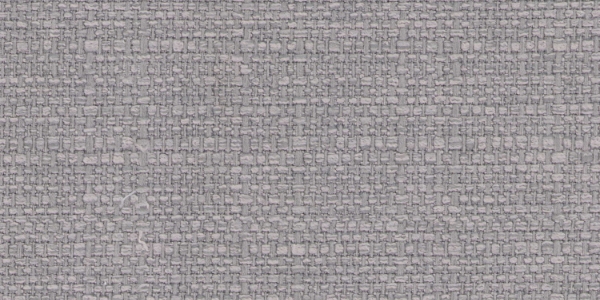
Spring Humidity and Upholstery Fabric: Why It Matters More Than You Think
Spring humidity and upholstery fabric are not a great combination by default. Once the season shifts and moisture levels climb, your sofa, armchairs, and dining bench seats are quietly absorbing all of that dampness, especially in homes where windows stay open, basements get used as living spaces, or kids track in rain from outside. Most people don't notice the damage until there's a musty smell, a faint stain, or visible mildew creeping into the seams. By then, the fabric has already taken a hit.
Here's the thing: the fabric you choose matters enormously. Some materials are practically born for humid conditions. Others are a disaster waiting to happen the moment spring rolls in. Knowing the difference can save you a reupholstery bill and a lot of frustration.

Which Upholstery Fabrics Absorb the Most Moisture?
Natural fibers are the most vulnerable. Cotton and linen are both breathable and beautiful, but they're also highly absorbent. Cotton upholstery can absorb up to 27 times its weight in water, which makes it genuinely susceptible to mildew growth when ambient humidity stays above 70% for extended periods. Linen is slightly better at wicking moisture away, but untreated linen upholstery still retains enough dampness to develop mold in poorly ventilated rooms.
This doesn't mean you have to give up on cotton or linen entirely. It means you need to be strategic. If you love the look of a natural linen sofa, place it in a well-ventilated room with good air circulation. A dehumidifier in damp spaces goes a long way. Also, look for cotton or linen blends that include a moisture-resistant treatment or a tighter weave, which slows absorption significantly.
- Cotton: High absorbency, prone to mildew in damp conditions without treatment
- Linen: Better airflow than cotton, still vulnerable to moisture retention in sealed rooms
- Chenille: The looped pile holds moisture close to the surface, dries slowly
- Velvet: Dense pile traps humidity and can develop a flattened, musty texture if left damp
- Jacquard: Depends heavily on the base fiber, but many jacquard weaves share cotton's absorption issues
Velvet gets a bad rap for being fussy, and honestly, spring humidity is one good reason why. The dense pile on velvet upholstery doesn't just absorb moisture, it holds it, which creates ideal conditions for mildew if the room isn't kept dry. That said, velvet in a climate-controlled living room with low humidity is absolutely fine. Context is everything.
What Are the Most Moisture-Resistant Upholstery Fabrics for Spring?
Faux leather and vinyl are the clear leaders when it comes to moisture resistance. Neither material is porous, so surface moisture wipes away without penetrating the fabric. Vinyl upholstery, in particular, has a non-breathable surface that prevents water absorption entirely. Faux leather performs similarly, with the added benefit of looking far more polished in a living room setting. Both are excellent choices for mudrooms, kids' rooms, basements, or any space that sees heavy spring foot traffic and damp clothing.
Synthetic fabrics engineered for performance also hold up extremely well. Solution-dyed acrylic fabrics, for example, are made by infusing color directly into the fiber before it's spun, which means the fiber itself resists moisture, staining, and UV fading at a structural level. Many solution-dyed acrylics are rated for both indoor and outdoor use and carry high Martindale abrasion test scores. The Martindale test measures how many cycles of rubbing a fabric can withstand before it shows wear, and performance synthetics often exceed 50,000 cycles, which is considered heavy-duty for residential use.
- Faux leather: Non-porous surface, wipes clean instantly, no mildew risk
- Vinyl: Fully waterproof surface, highly practical for high-moisture zones
- Solution-dyed acrylic: Moisture and UV resistant, ideal for sunrooms and transitional spaces
- Polyester blends: Quick-drying, resistant to mildew, often treated with moisture barriers
- Suede (microfiber suede): The synthetic version, not genuine suede, repels light moisture and resists staining
Microfiber suede is honestly one of the most underestimated options on this list. It mimics the soft hand feel of genuine suede while being far more resistant to moisture and much easier to clean. It's a practical pick for households with kids and pets, and it holds its own aesthetically in a modern living room.
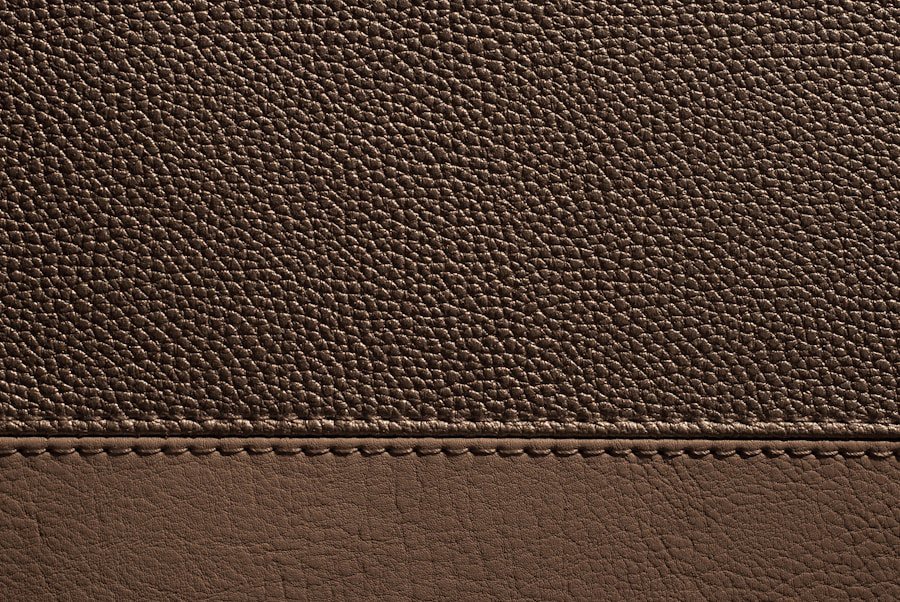
Photo by Olga Kovalski on Unsplash
How Mildew Actually Develops in Upholstery Fabric
Mildew needs three things to grow: moisture, warmth, and an organic food source. Upholstery fabric checks all three boxes when conditions are right. The fibers themselves, especially natural ones like cotton and linen, provide an organic base. Body oils, food particles, and dust that settle into the fabric give mildew even more to feed on. Warm spring temperatures combined with elevated indoor humidity above 60% create the window mildew needs to take hold.
The early signs are subtle. A faint musty smell is usually the first signal, often before any visible spotting appears. If you notice it, act fast. Letting mildew sit in upholstery fabric allows it to work deeper into the fill and backing, where cleaning becomes much more difficult.
Practical prevention comes down to a few consistent habits:
- Keep indoor humidity between 30% and 50% using a dehumidifier or air conditioning
- Vacuum upholstered furniture weekly during spring to remove debris that feeds mildew
- Blot spills immediately rather than rubbing, which spreads moisture deeper into the fibers
- Allow furniture in sunrooms or near open windows to dry fully after any moisture exposure
- Rotate and flip cushion covers periodically so moisture doesn't pool in the same spot
Fabric Treatments and What They Actually Do
Fabric treatments are worth understanding because they change the rules significantly. A raw cotton fabric and a treated cotton fabric behave very differently in humid conditions. Scotchgard and similar fluoropolymer-based treatments create a surface barrier that causes moisture to bead up rather than soak in. These treatments wear off over time, typically after 12 to 18 months of regular use, and need to be reapplied.
Some fabrics come pre-treated from the manufacturer. If a fabric listing mentions terms like "stain-resistant finish," "moisture barrier," or "performance coating," that's a meaningful distinction. It's always worth asking or checking the product details before buying, especially if you're reupholstering furniture in a naturally damp room.
Crypton fabric is a good example of a performance-treated textile worth knowing about. It's a proprietary treatment applied to the fiber level rather than just the surface, which makes it more durable and longer-lasting than spray-on treatments. Crypton-treated upholstery resists moisture, bacteria, and staining at a structural level and is often used in healthcare settings for exactly that reason. For a family home with kids and pets, it's a genuinely smart investment.
Best Upholstery Fabric Choices by Room and Situation
Not every room in your home has the same moisture exposure. Matching the fabric to the specific conditions of each space is the most practical approach you can take.
- Basement family room: Vinyl or faux leather are the safest bets. If you want softness, go with a performance polyester or a Crypton-treated fabric.
- Sunroom or enclosed porch: Solution-dyed acrylic is ideal here. It handles humidity and light exposure simultaneously.
- Living room with good ventilation: Cotton blends, linen, chenille, and even velvet are reasonable choices as long as humidity is controlled.
- Kids' playroom or mudroom seating: Microfiber suede or vinyl. Easy to wipe down, hard to permanently damage.
- Bedroom bench or reading chair: Boucle or a linen blend works well here since traffic and moisture exposure are typically low.
Boucle is having a genuine moment in 2025 spring interiors, and it's not just a trend for trend's sake. The looped texture adds warmth and visual interest to minimalist spaces, and in a low-humidity, low-traffic room like a bedroom, it performs well. Just keep it away from the mudroom.
Frequently Asked Questions
Q: What is the best upholstery fabric to use in a humid climate or during spring?Faux leather, vinyl, and solution-dyed acrylic fabrics are the most moisture-resistant options for upholstery. They don't absorb water, resist mildew growth, and are easy to clean. For a softer feel with strong moisture resistance, look for performance polyester or Crypton-treated fabrics.
Q: Can mildew ruin upholstery fabric permanently?Yes, if left untreated, mildew can penetrate deep into upholstery fibers and backing material, causing permanent staining, fabric breakdown, and persistent odor that surface cleaning can't remove. Catching it early, at the first sign of a musty smell, gives you the best chance of cleaning it completely.
Q: How do I protect my existing upholstery fabric from spring humidity?Keep indoor humidity below 50% using a dehumidifier or air conditioning, vacuum furniture weekly to remove debris, blot any moisture immediately, and consider applying a fabric protector spray like Scotchgard to natural fiber upholstery before peak spring humidity arrives. Re-treat every 12 to 18 months for ongoing protection.
