
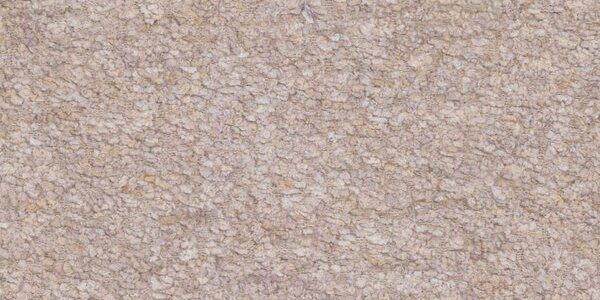
Spring Is the Best Time to Go Bold With Upholstery Fabric
There's something about spring that makes people braver with color. The light changes, everything outside gets more vibrant, and suddenly that safe beige sofa feels a little tired. If you've been thinking about reupholstering a sofa, loveseat, or accent chair in something with more personality, spring upholstery fabric shopping is genuinely the best time to do it. Fabric suppliers refresh their collections, new colorways hit the market, and the seasonal shift toward brighter, warmer interiors gives you permission to commit to something bold.
The real question isn't whether you should go for a statement fabric. It's how to pull it off without making your living room feel like it's shouting at you. A jewel-toned velvet sofa can be the most sophisticated thing in a room, or it can be a lot. The difference is almost always in how you balance it with everything else around it.
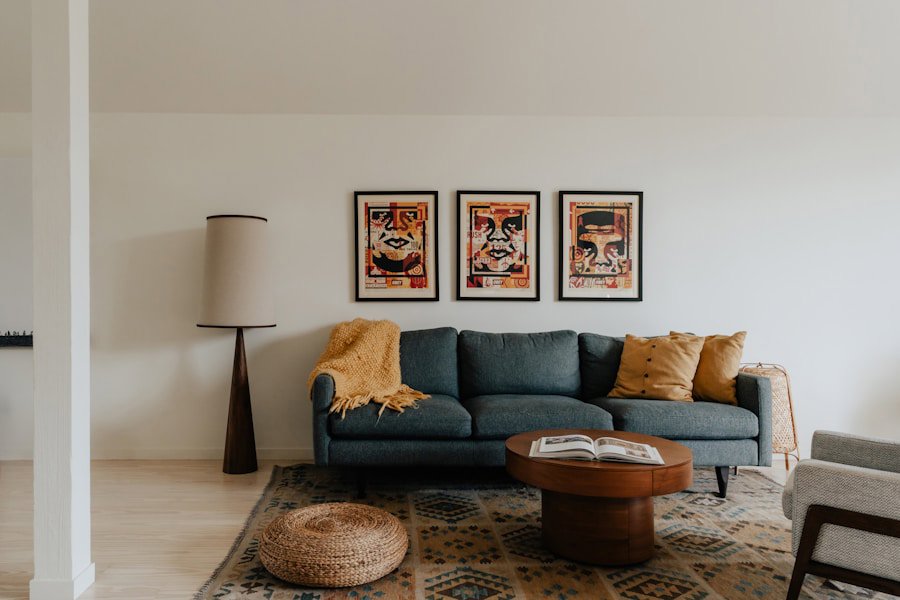
Photo by Clay Banks on Unsplash
What Are the Best Upholstery Fabrics for a Bold Statement Piece?
The best upholstery fabrics for statement pieces combine strong visual presence with the durability to back it up. For a sofa or accent chair that's meant to be noticed, velvet, chenille, and jacquard consistently deliver both impact and longevity when chosen carefully.
Here's a quick breakdown of the fabrics that genuinely work for high-impact upholstery projects:
- Velvet: Velvet gets a bad rap for being high-maintenance, but modern upholstery velvets are far more practical than their reputation suggests. Solution-dyed velvet, where the color is locked into the fiber during manufacturing rather than applied on top, resists fading significantly better than piece-dyed alternatives. A quality upholstery velvet should have a double rub count of at least 30,000. Double rub count is simply the industry measure of how much friction a fabric can take before it starts to wear, so higher is better. For a sofa in a busy household, aim for 50,000 or above.
- Chenille: Honestly, chenille is criminally underrated for statement pieces. The pile construction gives it a subtle sheen and a depth of color that photographs beautifully and looks even better in person. It's also surprisingly soft, which makes it a smart pick for a primary sofa. Look for chenille blends that include nylon or polyester for added durability.
- Jacquard: If a solid bold color feels like too much commitment, a jacquard weave lets you bring in pattern and visual texture simultaneously. Spring jacquards in botanical prints, geometric weaves, or tonal floral designs can be just as striking as a flat bold color, sometimes more so, because the pattern adds dimension without needing extra accessories to fill the space.
- Boucle: Boucle has had a serious moment in interior design over the last couple of years, and it's not slowing down. The looped, textured surface reads as a statement on its own even in neutral tones, but in a dusty pink, sage green, or warm terracotta it becomes genuinely special.
- Faux Leather and Vinyl: For a sleek, modern statement piece, don't overlook faux leather or vinyl. Both clean up easily, which matters a lot if kids or pets are in the picture, and in deep colors like navy, forest green, or burgundy, they look sharp and intentional rather than cheap.
How Do You Balance a Bold Fabric Choice Without Overwhelming the Room?
Balance a bold upholstery fabric by treating it as the anchor of your color scheme, then pulling one or two secondary colors from it and repeating them quietly elsewhere in the room. The statement piece does the heavy lifting; everything else supports it without competing.
This is where a lot of people get tripped up. They find a fabric they love, order it, reupholster the sofa, and then realize the room feels like it's all about one thing. Here's the thing: that's usually a scaling problem, not a color problem.
A few practical principles that actually work:
- The 60-30-10 rule is your friend. In a balanced room, roughly 60% of the color comes from the largest surfaces (walls, flooring, large rugs), 30% from secondary furniture and upholstery, and 10% from accents like throw pillows, artwork, and small decor. Your bold sofa likely sits in that 30% zone. If it's pushing into the 60%, the room will feel off.
- Keep surrounding textiles quieter. If your sofa fabric is doing the talking, let the curtains, rug, and other upholstered pieces be in the 60% category. Solid neutrals, natural linens, and woven textures in understated tones give the eye somewhere to rest.
- Repeat the color in small doses. Pull one shade from your bold fabric and use it in throw pillows, a vase, a lamp base, or a piece of art. You don't need a lot of repetition, just enough that the statement piece feels like it belongs in the room rather than landed in it.
- Scale matters as much as color. A boldly upholstered accent chair reads very differently than a boldly upholstered three-seat sofa. If it's your first time committing to a dramatic fabric, an accent chair or ottoman is a lower-stakes way to test how a color lives in your specific light.
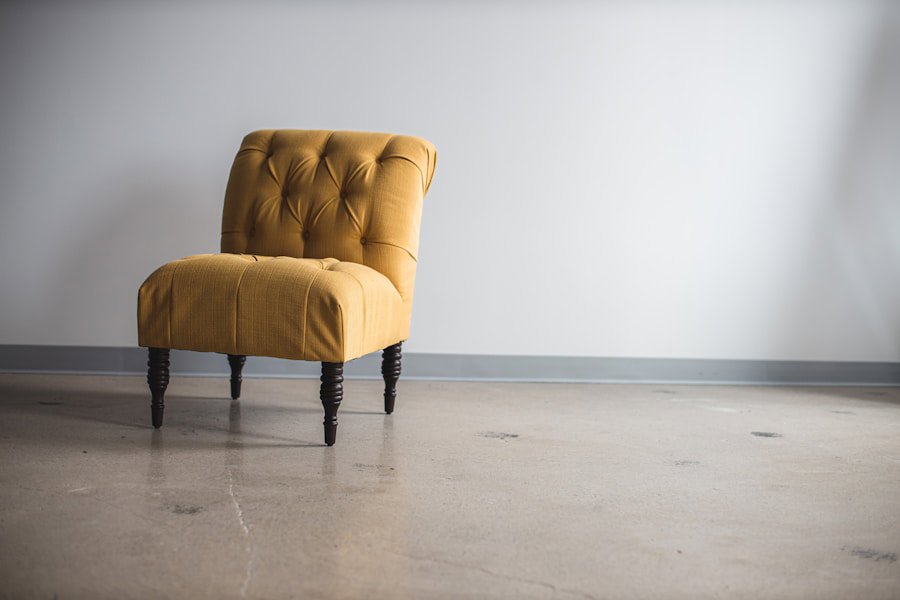
Photo by Dylan Shoemaker on Unsplash
Spring Color Trends Worth Knowing This Season
Spring 2025 upholstery color trends are leaning into earthy warmth and botanical depth, a shift away from the cool grey-dominated palettes of recent years. Terracotta, warm olive, dusty rose, and rich teal are showing up across furniture and fabric collections, and they all translate well to upholstery because they're saturated without being harsh.
What makes these colors work so well for statement pieces is that they sit naturally alongside wood tones, natural fiber rugs, and the kind of organic textures (rattan, linen, raw cotton) that tend to anchor a spring interior. A deep teal velvet sofa next to a whitewashed oak coffee table and a jute rug is a grounded, sophisticated combination. It doesn't feel loud. It feels intentional.
Blues remain perennially strong for spring. A cobalt or sapphire chenille can anchor a living room in a way that feels both fresh and timeless. Greens are having a real moment too, particularly muted sage and hunter green, both of which pair well with cream, warm white, and natural wood without any styling effort.
If you're drawn to something more playful, pink and yellow upholstery fabrics are trending in smaller accent applications this spring. A blush boucle chair or a mustard yellow velvet accent stool adds a pop of color without the full commitment of a sofa-scale statement.
What to Check Before You Buy Upholstery Fabric for a Statement Piece
Before ordering fabric for a high-visibility piece, confirm the double rub count, check whether the color is solution-dyed or piece-dyed, and order a physical swatch to see how the color reads in your actual lighting. These three steps prevent most buyer's remorse.
A few more things worth checking:
- Fiber content and cleanability: For households with kids or pets, look for fabrics with a "W" cleaning code (water-based cleaning safe) or "S/W" (solvent or water). Pure cotton velvets and some jacquards may be "S" only, meaning water-based cleaning can leave marks. Microfiber, performance chenille, and vinyl are generally the most forgiving.
- Pattern repeat: Bold patterned fabrics like florals, stripes, or large-scale jacquards have a pattern repeat, the distance before the pattern starts over. A larger repeat means more fabric waste when matching seams, so factor that into your yardage calculation. A professional upholsterer can advise you on how much extra to order.
- Lightfastness: If your statement piece sits near a sunny window, check whether the fabric has been tested for lightfastness. Solution-dyed acrylics and solution-dyed polyesters resist UV fading far better than surface-dyed natural fibers.
- Weight and hand feel: Heavier fabrics (measured in ounces per yard) tend to hold their shape better on structured upholstery. For a sofa back or seat cushion, fabrics in the 12 to 20 oz range are generally more appropriate than lighter drapery-weight options.
Also, always order a swatch first. Color on a screen and color in your living room with your specific light, walls, and flooring can be genuinely different. Spend the few dollars on a sample before committing to ten or twenty yards.
Frequently Asked Questions
Q: What is the most durable upholstery fabric for a bold-colored statement sofa?Solution-dyed polyester velvet or performance chenille with a double rub count of 50,000 or higher offers the best combination of color vibrancy and durability for a high-use statement sofa. The double rub count measures how much friction a fabric can withstand before showing wear, and 50,000 is generally considered suitable for heavy residential use.
Q: How do you keep a bold sofa from overwhelming a small living room?Keep the surrounding textiles neutral and let the bold sofa serve as the room's focal point without competing elements. Pull one secondary color from the sofa fabric and repeat it in small accents like throw pillows or artwork so the piece feels anchored rather than isolated.
Q: Can I use velvet upholstery fabric if I have kids or pets?Yes, many modern performance velvets are designed specifically for households with kids and pets. Look for solution-dyed polyester velvet with a high double rub count (50,000 or above) and a "W" or "S/W" cleaning code, which means it can be spot-cleaned with water-based cleaners without damaging the pile.