
Choosing upholstery fabrics for kids' furniture and playrooms is one of those decisions that sounds simple until you're standing in a fabric store staring at a bolt of gorgeous cream linen, thinking, "But would it survive a Tuesday?" This guide will help you cut through the guesswork and pick fabrics that handle spills, stains, and the kind of enthusiastic roughhousing that only seems to happen on freshly cleaned furniture. And yes, we'll make sure you actually like how it looks when the kids are asleep.
What Makes an Upholstery Fabric Actually Kid-Proof?
Kid-proof fabric is fabric with a high double rub count, tight weave construction, and either inherent or applied stain resistance. A double rub count measures how many times a fabric can be rubbed back and forth before it shows wear. For kids' furniture, you want a minimum of 15,000 double rubs. Heavy-duty residential use calls for 25,000 or higher. That number tells you more about real-world durability than any marketing label ever will.
Fiber type matters just as much as weave. Natural fibers like untreated cotton and linen absorb liquid fast, which is the opposite of what you need. Synthetic fibers like polyester, olefin, and solution-dyed acrylic resist moisture at the fiber level, meaning stains sit on the surface long enough for you to actually blot them up. Solution-dyed acrylic is particularly worth knowing about. The color is locked into the fiber during manufacturing, not applied on top, so it resists fading even with intense summer light pouring through windows. That matters a lot when a playroom gets direct afternoon sun from June through August.
Tight weave construction is your third pillar. Loosely woven fabrics let crumbs, grit, and liquid work their way deep into the structure. A tight weave keeps mess on the surface where you can deal with it.
Photo by Hannah Lockaby on Unsplash
Step-by-Step Instructions for Choosing the Right Fabric
- Figure out your actual threat level. Be honest about how your kids use the furniture. Is it occasional supervised sitting, or is it a trampoline-adjacent situation? Light use lets you consider more fabric types. Heavy daily use with multiple kids, pets, or snack culture narrows your list quickly to the most durable options. Write down the top three scenarios your furniture faces every week, because that list will guide every decision that follows.
- Check the double rub count before anything else. Ask for this number when shopping, and don't let a salesperson skip past it. For a playroom sofa or reading chair that sees daily use, aim for 25,000 double rubs minimum. Vinyl and faux leather often exceed 100,000, which is why they show up in commercial spaces. If a fabric doesn't have a listed double rub count, treat that as a yellow flag.
- Prioritize fabrics with built-in stain resistance. There are two kinds of stain protection. The first is a topical finish applied after weaving. It works well initially but wears off with cleaning over time. The second is inherent fiber resistance, where the material itself repels liquid. Olefin (also called polypropylene) is naturally solution-dyed and moisture-resistant straight from the loom. Polyester microfiber is another strong performer because the fibers are so fine that liquid has nowhere to penetrate quickly. If you're choosing a treated fabric, ask how many cleanings the finish is rated for.
- Consider chenille for comfort without sacrificing durability. Honestly, chenille is criminally underrated for family spaces. It has a soft, velvety texture that kids actually want to sit on, but quality chenille with a tight pile and a high polyester content holds up surprisingly well. Look for chenille blends where polyester makes up at least 70 percent of the fiber content. Pure cotton chenille is beautiful, but it soaks up spills like a sponge. The polyester version gives you the look and feel without the anxiety.
- Take a serious look at performance velvet. Velvet gets a bad rap in family homes, and a lot of that reputation belongs to silk or cotton velvet, not the performance versions. Performance velvet is typically woven from solution-dyed polyester or microfiber. It has a very tight, low pile that doesn't trap crumbs the way a shag would, and it cleans up well with a damp cloth. Some performance velvets carry a Martindale abrasion rating over 30,000 cycles. The Martindale test measures fabric durability differently from the double rub method, using a circular rubbing motion, but high numbers in either system point to the same thing: a fabric that lasts.
- Evaluate faux leather and vinyl for high-traffic zones. For the furniture that takes the absolute worst of it, faux leather and vinyl are hard to beat. They wipe clean in seconds, don't absorb odors the way fabric does, and modern versions look far better than the shiny plastic chairs of the past. Quality faux leather uses a polyurethane surface over a fabric backing, which gives it flexibility and a more realistic texture. Full vinyl is slightly less breathable but extremely tough. In summer heat, both materials can feel warmer to sit on than woven fabrics, so consider this if the playroom gets hot. Good ventilation or air conditioning makes a real difference in comfort.
- Match the color and pattern to your cleaning reality. A pure white sofa in a playroom is a statement, and that statement is "I have not met my children." Medium tones and busy patterns hide a remarkable amount of daily life. Multi-colored fabrics and stripes are particularly forgiving because variations in the print break up any residual shadowing from cleaned stains. Deep solid colors like navy, charcoal, and forest green look sharp and hide wear well. If you love light colors, go for a fabric with a strong stain-resistant finish and keep upholstery cleaner in arm's reach.
- Check the cleaning code on every fabric you consider. Fabric cleaning codes are printed on care labels or listed in product specs. "W" means you can clean it with water-based products. "S" means solvent-based cleaners only. "W-S" means both work. "X" means vacuuming only, and an X code on a kids' fabric is a hard no. For a playroom or kids' bedroom, look for W or W-S codes exclusively. The simpler your cleaning method, the more likely you are to actually use it when something spills at 7 PM on a Wednesday.
- Think about how the fabric breathes in summer. Summer adds a real variable to fabric choice. Rooms get warmer, kids sweat more, and stickiness becomes a legitimate complaint. Tightly woven synthetics can trap heat. Linen blends, performance cotton, and open-weave fabrics breathe better. If you're reupholstering furniture for a room without strong air conditioning, a fabric with some natural fiber content, like a cotton-poly blend chenille or a linen-polyester mix, gives you better airflow without giving up all your stain resistance. It's a trade-off, and knowing you're making it is better than being surprised by it in August.
- Order samples and test them before you buy. This sounds obvious, but it skips by so fast in the excitement of shopping. Order fabric samples and run your own tests at home. Drip a little water on it. Rub a bit of ketchup in, wait ten minutes, and blot it out. Hold the sample up in the room where the furniture will actually live and look at it in both natural and artificial light. A fabric that photographs beautifully online can read completely differently in a north-facing playroom. Your eyes in your actual space are the final authority.
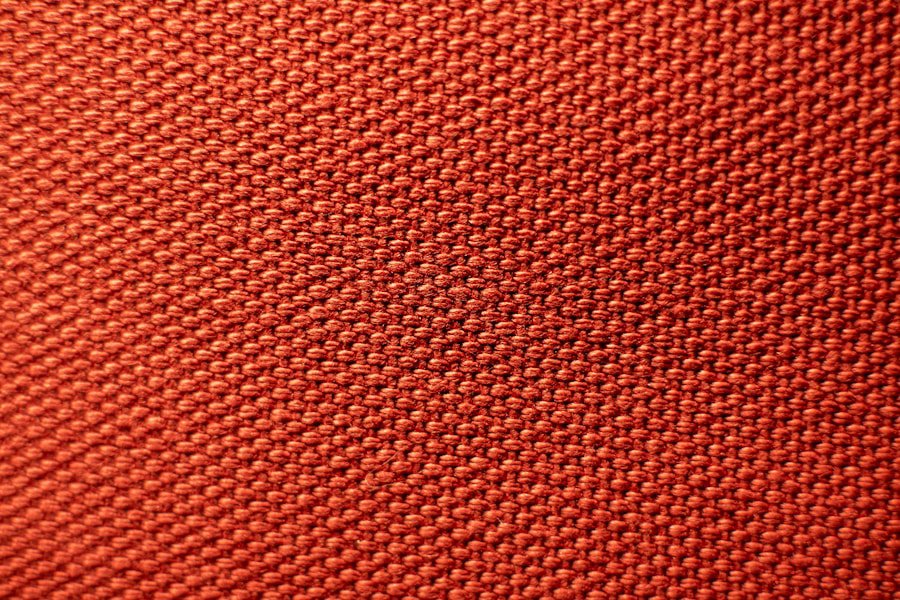
Photo by Marcus Urbenz on Unsplash
Which Fabrics Should You Avoid for Kids' Furniture?
Untreated linen and raw cotton sit at the top of the avoid list for high-use kids' furniture. Both fibers are highly absorbent and have no inherent stain resistance. A spill that takes thirty seconds on polyester can set permanently in untreated linen within minutes. Silk is obviously out. Loosely woven decorative fabrics with a visible open weave look beautiful on adult furniture in low-traffic rooms, but they snag, stretch, and collect debris in a family setting. Chenille with an all-cotton fiber content is also best left for adult bedrooms rather than the family room floor.
Flat, tightly woven synthetics will always outperform loosely woven naturals in a family space. That doesn't mean natural fibers have no place in your home. It means knowing which rooms and pieces can handle them and which can't.
Quick Tips for Keeping Kids' Upholstery Looking Good Longer
- Blot spills immediately. Never rub, which spreads the stain and pushes it deeper into the weave.
- Keep a spray bottle of diluted upholstery cleaner nearby in summer when messes happen faster and more often.
- Vacuum upholstered kids' furniture weekly. Grit and crumbs are abrasive and break down fiber over time.
- Rotate cushions if they're reversible. Even distribution of wear adds years to the fabric's life.
- For performance velvet and microfiber, use a clean damp cloth first. Harsh chemical cleaners can damage the finish on treated fabrics more than the original stain would.
- Check whether your fabric is Scotchgard-compatible if you want to add a topical protector. Not all fabrics respond well to it, and applying it to the wrong fabric can actually make stains harder to remove.
Frequently Asked Questions
Q: What is the most durable upholstery fabric for kids' furniture?Vinyl and high-grade faux leather are the most durable options for kids' furniture, often exceeding 100,000 double rubs. For families who want a softer feel, performance polyester microfiber or solution-dyed olefin are excellent choices, typically rated at 30,000 to 50,000 double rubs, which is well above the 15,000 minimum recommended for residential use.
Q: What upholstery fabric is easiest to clean in a playroom?Faux leather and vinyl are the easiest to clean because they wipe down with a damp cloth and don't absorb liquid. Among woven fabrics, polyester microfiber with a W cleaning code is the most practical choice for playrooms because it responds well to water-based cleaners and dries quickly without leaving water marks.
Q: Can you use velvet fabric for kids' furniture?Yes, as long as you choose performance velvet rather than cotton or silk velvet. Performance velvet is woven from solution-dyed polyester or microfiber and typically carries a Martindale abrasion rating of 30,000 cycles or higher. It cleans easily with a damp cloth and holds up well to daily use, making it a practical and good-looking option for family spaces.