
If you're gearing up for a summer full of backyard cookouts, pool parties, and late-night gatherings, your outdoor furniture fabric is about to earn its keep. Choosing the right upholstery fabric for outdoor furniture isn't just a style decision. It's a practical one that determines whether your cushions look fresh all season or start pilling and fading by the Fourth of July. This guide will walk you through exactly how to match fabric durability to your entertaining habits, so you spend more time hosting and less time replacing cushions.
Step-by-Step Instructions
- Honestly assess your summer guest volume and foot traffic patterns. Before you pick a single swatch, think about how you actually use your outdoor space. A couple who hosts one or two dinner parties a month faces very different wear demands than a family running weekly pool parties with twelve kids and their parents. High foot traffic means more body weight cycling on and off cushions, more friction from clothing, and more exposure to sunscreen, food, and drinks. Be honest with yourself here. Underestimating your traffic is one of the most common reasons people end up disappointed with their fabric choice by mid-August.
- Understand double rub count and what it actually means for your situation. Double rub count is the standard measurement for fabric durability. One "double rub" simulates a single back-and-forth motion of someone sitting down and getting up. A fabric rated at 15,000 double rubs is considered suitable for light residential use. For outdoor furniture that sees frequent summer entertaining, you want a minimum of 30,000 double rubs, and honestly, 50,000 or higher is a smarter target if you're hosting regularly. The Martindale abrasion test is another method used to measure fabric wear resistance, particularly common in European-made textiles. It measures how many cycles of abrasion a fabric can withstand before showing visible wear. For high-traffic outdoor use, look for a Martindale rating of at least 20,000 cycles.
- Choose solution-dyed acrylic for the highest durability in true outdoor conditions. Solution-dyed acrylic is the gold standard for outdoor upholstery fabric. In solution-dyed fibers, the color is added during the fiber manufacturing process, not applied afterward as a surface treatment. That means UV rays, rain, chlorine splashes, and sunscreen can't strip the color out. Sunbrella is the most recognized brand in this category, but many other quality solution-dyed acrylic fabrics exist at a range of price points. These fabrics typically resist fading for three to five years of regular outdoor exposure, and they're mold and mildew resistant too. If you're hosting frequently, this is the fabric category worth budgeting for.
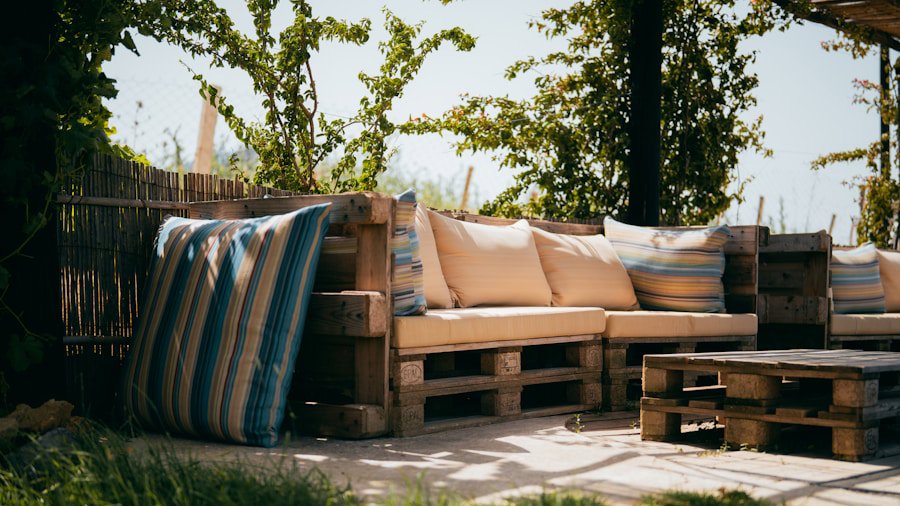
Photo by Othman Alghanmi on Unsplash
- Match your fabric weight to your seating type and how guests actually sit. Heavier woven fabrics handle repeated compression better than lightweight ones. For dining chairs that see guests sitting and standing frequently throughout a party, look for a tighter weave with a heavier weight, typically 400 grams per square meter or more. For lounge chairs and sofas where guests tend to settle in and stay, a slightly softer fabric works fine as long as the durability rating is adequate. Vinyl and faux leather options are also worth considering for dining furniture specifically, because they wipe clean in seconds and hold up beautifully under high-contact use. They don't breathe as well in heat, which matters in summer, so look for perforated versions if comfort is a priority.
- Factor in your specific summer wear patterns, not just general durability. Wear patterns on outdoor furniture are predictable once you know what to look for. Seat centers and armrests take the most friction. Backrests see less abrasion but more exposure to sunscreen and hair product residue. If you have a favorite corner sectional where everyone congregates, those pieces will wear faster than others. Rotating cushions periodically is a genuinely useful habit that extends fabric life significantly. Also, if kids are in the picture, the area around the seat edge takes a beating from rough clothing, shoes grazing the edge, and the general chaos of small humans. Opt for a fabric with a higher double rub count for those specific pieces.
- Prioritize fade resistance alongside durability ratings. Fade resistance and abrasion resistance are separate properties, and you need both for summer outdoor use. A fabric can have an excellent double rub count but still fade to a washed-out version of itself after six weeks in direct sun. Look for fabrics that specify UV resistance in their product descriptions. Solution-dyed acrylics handle this best, as noted above. Olefin, also called polypropylene, is another solid option with good fade and stain resistance at a lower price point than solution-dyed acrylic, though it's slightly less breathable. For shade structures or covered patios, you have a bit more flexibility and can consider fabrics that aren't rated for full sun exposure.
- Check cleanability specs before you commit to any fabric. Summer entertaining means spills. Barbecue sauce, red wine, sunscreen, and kids with popsicles are going to happen. Look for fabrics that are rated for cleaning with a mild soap and water solution, and ideally ones that tolerate a diluted bleach solution without damage. Solution-dyed acrylics and vinyl generally handle bleach-based cleaning without issue. Many woven outdoor fabrics with synthetic fiber content do too. Avoid natural fibers like untreated cotton or linen for high-traffic outdoor use. They absorb moisture, can mildew if not dried thoroughly, and typically don't hold up well to repeated cleaning. If you love the look of linen, look for linen-blend fabrics with synthetic content that add durability.
- Consider texture and color strategically for your guest volume. Here's the thing: texture hides wear better than flat, smooth surfaces. A woven fabric with visible texture will mask minor pilling or early-stage wear far more effectively than a flat vinyl or a smooth faux leather. Multi-colored or heathered fabrics are also more forgiving than solid light colors when it comes to showing dirt and minor staining between cleanings. That said, don't go so dark that heat absorption becomes a comfort issue on sunny days. Mid-tones and multi-color weaves hit the sweet spot of practical and good-looking. Blue, grey, and green tones are trending heavily in outdoor spaces this summer and they photograph beautifully for anyone who doubles as an amateur Instagram host.
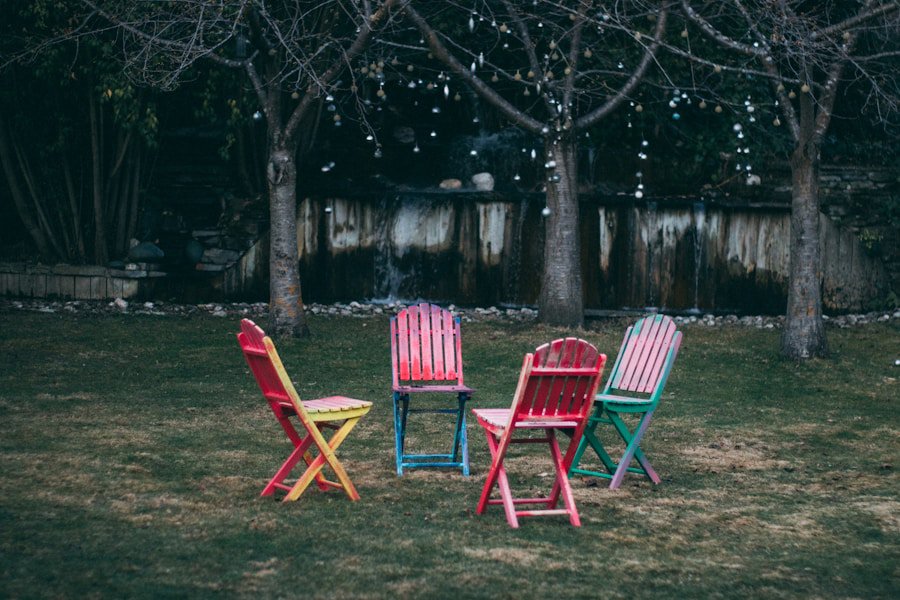
Photo by David Vilches on Unsplash
- Buy slightly more yardage than your project requires. This one sounds obvious but gets skipped constantly. Buy an extra half yard to full yard per piece you're recovering. If a fabric gets discontinued, having matching material for a repair means you won't be left with a patchwork situation. For high-traffic entertaining spaces, having a small reserve of matching fabric is genuinely useful over the course of a few summers.
- Test a sample before committing to yardage. Order fabric samples before purchasing full yardage. Test your top candidates with actual summer conditions: lay them in direct sun for a few days, spill something on them, wipe them down. This is the most underrated step in the buying process. A fabric that looks perfect on a screen can behave very differently in real outdoor conditions. Famcor Fabrics offers a wide range of outdoor-suitable fabrics across categories so you can find the right combination of durability, color, and texture without guessing.
What is the Most Durable Upholstery Fabric for Outdoor Entertaining?
Solution-dyed acrylic is the most durable upholstery fabric for outdoor entertaining, offering UV resistance, mold resistance, and high abrasion ratings suitable for frequent use. It outperforms most alternatives in real-world outdoor conditions because the color is embedded into the fiber itself rather than applied as a surface coating, which means fading and weather exposure don't degrade it the way they would a standard outdoor fabric.
For homeowners who host frequently and need a fabric that can handle both heavy use and summer weather without constant babying, solution-dyed acrylic is consistently the most reliable choice. Vinyl and outdoor-rated faux leather come in close behind for dining and high-contact seating specifically, especially where ease of cleaning is the top priority.
Which Fabrics Hold Up Best When Hosting Frequent Backyard Parties?
For frequent backyard parties, solution-dyed acrylic, outdoor vinyl, and high-denier olefin fabrics perform best, each offering a combination of abrasion resistance, UV stability, and cleanability that lower-rated fabrics can't match.
Honestly, the mistake most homeowners make is choosing fabric based on aesthetics alone and skipping the durability specs entirely. A fabric rated at 50,000 double rubs with a documented UV resistance rating is going to outlast a pretty but unrated fabric by seasons. Chenille can look stunning outdoors under a covered patio, but it isn't the right call for a seat that's being loaded with wet swimsuit-clad guests on a Saturday afternoon. Match the fabric to the actual use, not the Pinterest board version of the use.
Woven outdoor fabrics in synthetic fiber blends also deserve a mention here. They offer texture variety, hide wear effectively, and many carry durability ratings that rival solution-dyed acrylics. Look for fabrics that specify outdoor or all-weather use in their listings and check that the double rub count is clearly listed.
Quick Tips for Getting the Most Out of Your Outdoor Fabric This Summer
- Rotate cushions every two to three weeks to distribute wear evenly across high-traffic pieces.
- Store cushions indoors or in a weatherproof bin during extended rainy periods, even if your fabric is rated for moisture resistance.
- Clean spills immediately rather than letting them set. Most outdoor fabrics clean up easily when treated quickly and become much harder to address after drying.
- Avoid abrasive scrubbing pads on woven fabrics. A soft brush or cloth preserves the fiber structure and extends the life of the surface significantly.
- If you're recovering your own cushions, use a UV-resistant outdoor thread that matches the fabric's durability profile. Standard thread breaks down in sun exposure faster than the fabric itself.
Frequently Asked Questions
Q: What double rub count do I need for outdoor furniture that sees heavy summer use?For outdoor furniture used frequently during summer entertaining, look for a minimum double rub count of 30,000, with 50,000 or higher recommended for high-traffic seating. Double rub count measures how many back-and-forth friction cycles a fabric can withstand before showing visible wear, so a higher number means longer-lasting performance under regular use.
Q: Can I use indoor upholstery fabric on outdoor furniture for the summer?Indoor upholstery fabrics are not recommended for outdoor furniture because they lack UV resistance, moisture protection, and the mold-resistant treatments that outdoor-rated fabrics carry. Even under a covered patio, indoor fabrics will degrade significantly faster than outdoor-rated alternatives when exposed to humidity, temperature swings, and sunlight.
Q: What is the easiest outdoor upholstery fabric to clean after parties?Vinyl and outdoor-rated faux leather are the easiest outdoor upholstery fabrics to clean after parties because spills wipe off the surface without absorbing into the material. Solution-dyed acrylic fabrics are a close second, as they resist staining and can typically be cleaned with soap and water or a diluted bleach solution without damaging the fabric or its color.