
If you've ever watched a perfectly good set of patio cushions turn into a faded, cracked mess by August, you already know the problem. Choosing the right outdoor upholstery fabric for summer heat isn't just about picking something that looks good on day one. It's about finding a fabric that still looks good on day 90, after weeks of direct sun, afternoon thunderstorms, kids tracking in pool water, and the dog claiming the loveseat as his own. This guide walks you through how to choose outdoor upholstery fabrics that genuinely resist fading, cracking, and UV degradation during extended summer heat waves, without turning fabric care into a second hobby.
Step-by-Step Instructions
- Understand what actually causes outdoor fabric to fail. Before you buy anything, it helps to know what you're up against. UV radiation is the main culprit behind fading and fiber breakdown. Heat accelerates that process. Moisture, humidity, and mildew do the rest. Most indoor upholstery fabrics are not built to handle any of those things simultaneously. A standard decorative cotton or a delicate jacquard might look beautiful in a catalog, but outdoors it will fade, weaken, and possibly grow mildew within a single summer. The fix isn't to baby your furniture. The fix is to start with the right material.
- Prioritize solution-dyed acrylic as your first choice. Solution-dyed acrylic is the gold standard for outdoor upholstery fabric, and that's not an opinion, that's the industry consensus backed by decades of performance data. In solution-dyed construction, the color pigment is added to the fiber before it's spun into yarn, meaning the color runs all the way through the fiber rather than sitting on the surface. This makes it dramatically more resistant to UV fading compared to piece-dyed or surface-printed fabrics. Brands that specialize in this construction often rate their fabrics for 1,000 or more hours of UV exposure without significant color loss. If you're replacing cushion covers on a sunny south-facing patio, solution-dyed acrylic should be at the top of your list.
- Check the double rub count for durability. A double rub count measures how many times a fabric can be rubbed back and forth before it starts to show wear. Think of it like a stress test for the surface of the fabric. For outdoor furniture that sees regular use, you want a minimum of 15,000 double rubs, and honestly, aim for 30,000 or higher if kids or pets are in the picture. Some high-performance outdoor fabrics reach 50,000 double rubs or more. The Martindale abrasion test is the European standard for this kind of measurement, while the Wyzenbeek test is more common in the United States. Both tell you the same basic thing: how tough is this fabric when life happens? Look for this number on the product spec sheet. If a fabric listing doesn't mention it, that's a flag.
- Avoid fabrics that crack or dry out in heat. Certain materials that seem like a good outdoor idea really aren't. Standard vinyl can become brittle and crack in sustained high heat, especially when paired with intense UV exposure. Cheap faux leather has the same problem. That said, marine-grade vinyl and high-quality faux leather specifically engineered for outdoor or high-UV environments are a different story. These are formulated with plasticizers and UV stabilizers that prevent the cracking and peeling that cheaper versions experience. If you love the look of faux leather outdoors, make sure the product spec explicitly says it's rated for outdoor or UV-resistant use. The visual difference between indoor faux leather and marine-grade vinyl might be minimal. The performance difference is enormous.
- Look for mildew and moisture resistance, not just UV ratings. Summer heat doesn't come alone. Humidity, afternoon rain, and damp cushions left out overnight are just as destructive as sunlight. Look for fabrics that are either inherently moisture-resistant or treated with a finish that repels water and inhibits mildew growth. Solution-dyed acrylic again earns points here because its tight weave and synthetic fiber construction naturally resists mildew. Some woven outdoor fabrics also include antimicrobial treatments baked into the fiber. Quick-dry construction is another feature worth seeking out: fabrics engineered to release moisture rather than hold it will stay fresher, smell better, and last significantly longer through a humid summer.
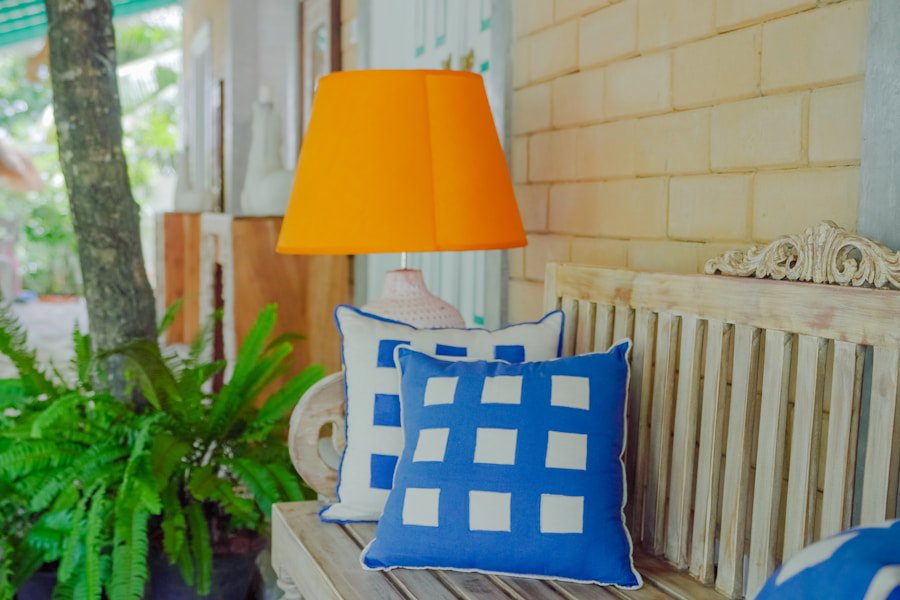
Photo by sidath vimukthi on Unsplash
- Match the fabric weight to your furniture type. Not all outdoor furniture has the same structural demands. A lightweight sling chair needs a different fabric than a deep-seated sectional sofa. For heavy-use pieces like sofas and ottomans, look for fabrics with a higher weight and tight weave structure. Woven fabrics in particular offer excellent dimensional stability, meaning they hold their shape and don't stretch out of position over time. For lighter accent pieces or decorative throw pillows, you have more flexibility. The key is making sure the fabric can handle the mechanical stress of people actually sitting, shifting, and getting up repeatedly, on top of the environmental stress from sun and weather.
- Think about color strategy for longevity. This one surprises people. Even with UV-resistant fabrics, your color choice affects how heat affects the fabric's surface temperature. Darker colors absorb significantly more heat than lighter ones, which can accelerate surface wear and make cushions uncomfortably hot to sit on during a heat wave. If you're in a climate with extended summers and intense sun, lighter neutrals like cream, beige, or grey tend to perform better over time and stay cooler to the touch. Blues, greens, and even some multi-colored patterns in lighter tones are also smart picks right now and fit well with current summer outdoor decor trends leaning toward relaxed, nature-inspired palettes. That said, if you want a deep navy or rich terracotta, just make sure the UV resistance rating is especially strong.
- Consider how easy the fabric is to clean without special products. One of the biggest mistakes people make is choosing a fabric that looks great but requires dry cleaning or specialty solvents. For outdoor upholstery, you want something you can clean with mild soap and water, a garden hose, or at most a gentle brush. Solution-dyed acrylics generally clean up easily. High-quality faux leather and marine vinyl wipe down in seconds. Avoid natural fibers like untreated cotton or linen for outdoor use. They absorb moisture, take forever to dry, and mildew faster than you'd think. If you love the look of linen for your outdoor space, look for linen-look synthetic blends specifically rated for outdoor use.
- Sample before you commit. This is the step people skip and then regret. Order fabric samples before buying by the yard. Hold the sample outside in direct sunlight for a few days, feel how it handles heat, check how it looks when it gets wet, and rub it between your fingers to get a sense of the texture and durability. Some fabrics that photograph beautifully feel thin or plasticky in person. Others surprise you with how substantial and soft they feel. Your hand and your eyes in real light are better judges than a product photo ever will be.
- Calculate how much you need before ordering. Once you've found the right fabric, measure carefully. For standard bench cushions, measure length, width, and thickness and add at least 2 inches on each side for seam allowance and wrapping. For deep-seat cushions on a sectional, you'll need more fabric for boxing (the side panels). If your fabric has a repeat pattern, you'll need to account for pattern matching, which can add 15 to 25 percent to your total yardage. Ordering slightly more than you think you need is always smarter than running short mid-project. Dye lots can vary between orders, so mismatched pieces are a real risk if you reorder later.
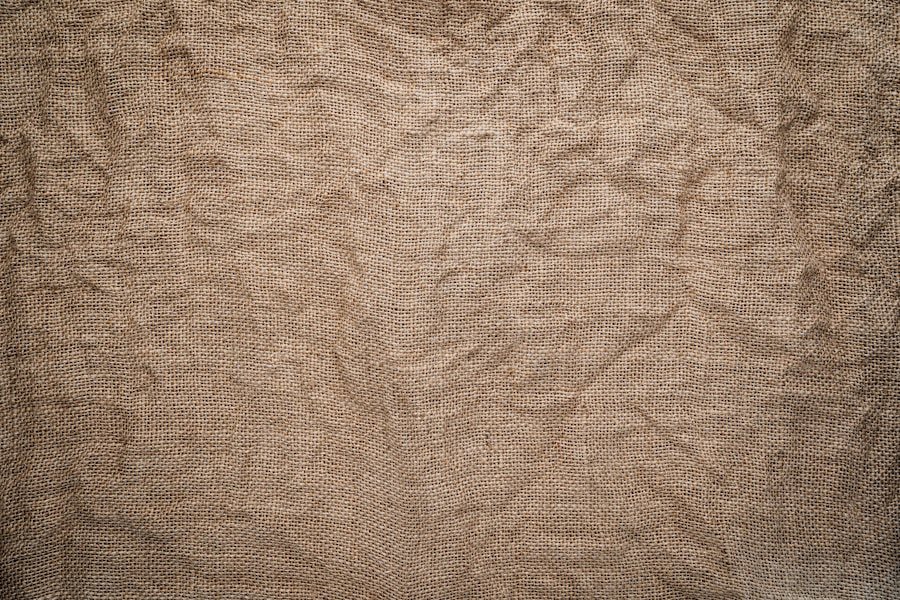
Photo by Andre Taissin on Unsplash
What Are the Best Outdoor Upholstery Fabrics for Intense UV Exposure?
Solution-dyed acrylic is the best outdoor upholstery fabric for intense UV exposure, rated to resist fading for 1,000 or more hours of direct sunlight. After that, marine-grade vinyl and high-performance woven synthetics with UV stabilizers are strong second choices for durability and ease of care.
Here's the thing: the fabric market has gotten genuinely good at outdoor performance over the last decade. You're no longer stuck with stiff, plasticky options that look like they belong on a municipal park bench. Modern outdoor upholstery fabrics come in beautiful textures, rich colors, and sophisticated patterns that hold up in the sun without sacrificing style. Woven outdoor fabrics in particular have improved dramatically, with tight constructions that mimic the look of indoor upholstery while offering serious weather resistance. If you're refreshing patio furniture this summer, there's no reason to settle for something that looks utilitarian.
Which Fabric Types Should You Avoid for Outdoor Summer Use?
Avoid untreated natural fibers like cotton, linen, and standard velvet for outdoor summer use, as they absorb moisture, resist mildew poorly, and fade quickly under UV exposure. Standard indoor vinyl and cheap faux leather are also poor choices because they crack and peel under sustained heat.
Velvet gets a bad rap outdoors, and honestly, in this case the reputation is deserved. It traps moisture, mats under sunlight, and offers essentially zero UV resistance. The same goes for standard corduroy and untreated wovens. Chenille is criminally underrated indoors, but outdoors it soaks up water like a sponge and takes ages to dry. Save those beautiful textures for your living room sofa and use purpose-built outdoor fabrics where the elements are involved. The good news is that modern outdoor fabrics have gotten so attractive that you really aren't giving up much visually.
Tips and Troubleshooting
- If your fabric fades in the first season, the likely cause is that it wasn't solution-dyed or didn't carry a meaningful UV resistance rating. Check the spec sheet before your next purchase and look specifically for that construction detail.
- If cushions smell musty after rain, the fabric is retaining moisture. Look for quick-dry construction next time, and in the meantime, stand cushions on edge after rain so air can circulate on both sides.
- If fabric cracks or peels, you're dealing with a vinyl or faux leather that wasn't rated for outdoor or high-UV conditions. Marine-grade vinyl is the upgrade you need.
- If you're unsure about a fabric's outdoor suitability, contact the retailer directly and ask for the UV resistance rating, double rub count, and whether the construction is solution-dyed. Any reputable supplier will have that information readily available.
- For a low-maintenance summer, choose lighter colors in solution-dyed acrylic or marine-grade vinyl, store cushions during extended periods of non-use, and give them a quick wipe-down or rinse once a month. That's genuinely all it takes.
Frequently Asked Questions
Q: What is the most UV-resistant outdoor upholstery fabric?Solution-dyed acrylic is the most UV-resistant outdoor upholstery fabric available for residential use. Because the color pigment is embedded directly into the fiber before spinning, it resists fading for 1,000 or more hours of direct UV exposure, making it the top choice for patio furniture in climates with intense summer sun.
Q: Can faux leather be used for outdoor furniture in summer?Standard indoor faux leather is not suitable for outdoor summer use because it cracks and peels under sustained heat and UV exposure. Marine-grade vinyl or outdoor-rated faux leather, which are formulated with UV stabilizers and plasticizers, are designed for outdoor conditions and hold up significantly better in heat and direct sunlight.
Q: How do I keep outdoor upholstery fabric from cracking or fading without constant maintenance?Choose a solution-dyed acrylic or marine-grade vinyl with a high UV resistance rating and a double rub count of at least 30,000. These fabrics are engineered to resist fading, cracking, and moisture damage with minimal upkeep. A quick rinse with mild soap and water every few weeks is typically all the care they need through an entire summer season.