
Summer is great for everything except what happens to your furniture after a sudden rainstorm, a kid cannonballing into the pool, or three straight weeks of sticky humidity. If you've ever peeled back a cushion cover and found a surprise mold colony underneath, you already know why picking the right quick-dry upholstery fabric for summer furniture matters. This guide gives you a practical, no-fluff way to evaluate fabrics by how well they shed water, resist mildew, and stay odor-free, so you can shop with confidence instead of guessing at hangtags.
Why Moisture Is the Real Enemy of Summer Upholstery
Most fabric failures in summer aren't caused by sunlight. They're caused by moisture that gets trapped inside the weave and never fully dries out. When that happens, two things follow quickly: mildew growth and a persistent musty odor that no amount of Febreze really fixes.
Natural fibers like untreated cotton and linen absorb water readily. That's fine for a bath towel, but it's a problem for a sofa cushion sitting on a covered porch in 80 percent humidity. Synthetic and performance-engineered fibers, by contrast, are designed to resist absorption at the fiber level, which means moisture sits on the surface and evaporates instead of soaking in.
The key metric to understand here is moisture absorption rate, sometimes called moisture regain. Cotton can absorb up to 8 percent of its weight in moisture before it even feels damp. Solution-dyed acrylic, one of the top performers for outdoor-adjacent use, absorbs less than 1.5 percent. That difference is exactly why your cotton throw pillow gets musty and your performance acrylic cushion doesn't.
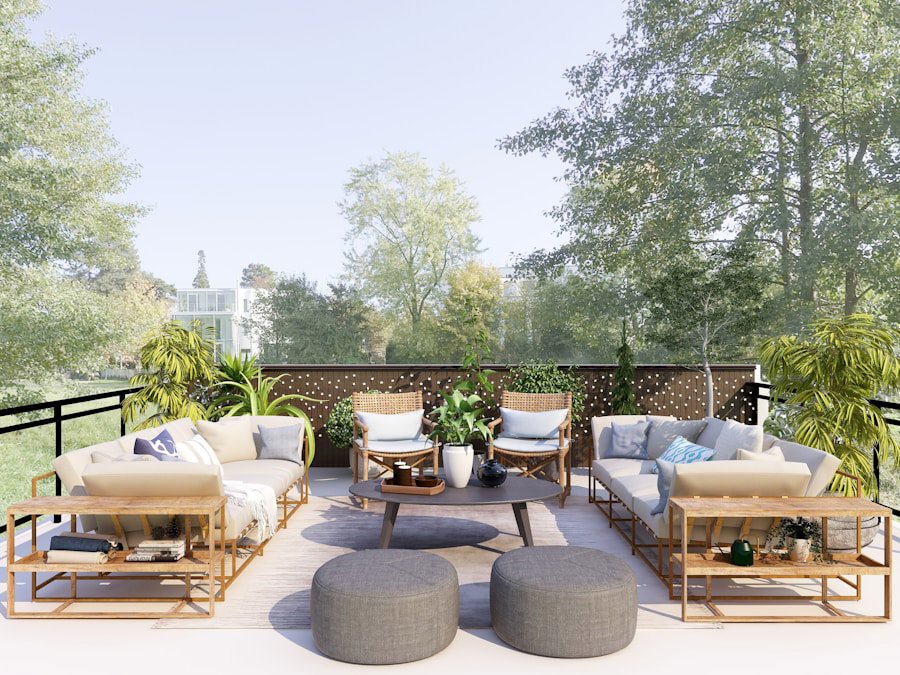
Photo by Collov Home Design on Unsplash
What Are the Best Quick-Dry Upholstery Fabrics for Summer?
The best quick-dry upholstery fabrics for summer are solution-dyed acrylic, vinyl, faux leather, and high-performance synthetic blends. These materials either repel moisture at the surface or dry fast enough that mildew doesn't get a foothold.
Here's a breakdown of the top contenders:
Solution-Dyed Acrylic
This is the fabric that outdoor furniture brands have been quietly using for decades. Solution-dyed means the color is locked into the fiber during manufacturing, not applied afterward, so it resists fading AND moisture penetration simultaneously. Fabrics in this category typically carry UV resistance ratings and are engineered to withstand repeated wet-dry cycles without breaking down. If you see a fabric marketed as a "performance fabric" for indoor-outdoor use, there's a good chance it's built on this fiber base.
Vinyl and Faux Leather
Vinyl upholstery fabric is essentially waterproof by nature. Water doesn't absorb into it at all. It wipes clean, dries almost instantly, and won't harbor mildew unless moisture gets behind it and sits there unchecked. Faux leather behaves similarly, with a softer, more furniture-forward look that works just as well in a living room as on a sunroom sofa. Both are excellent picks for homes with kids or pets who treat the couch like a splash pad.
One honest caveat: vinyl and faux leather can feel warm against bare skin in direct summer heat. If your seating is in full sun, a lighter color and good airflow help a lot.
Polyester and Polyester Blends
Polyester has a naturally low moisture absorption rate, around 0.4 percent, making it one of the fastest-drying fiber options available. Tightly woven polyester upholstery fabrics are also easier to treat with moisture-repellent finishes, which adds another layer of protection. Performance-grade polyester wovens often carry Martindale abrasion ratings above 30,000 cycles, which means they hold up to heavy household use. (The Martindale test measures how many times a fabric can be rubbed before it starts to show wear. For reference, a fabric rated at 15,000 cycles is considered suitable for general domestic use.)
Olefin (Polypropylene)
Olefin is a synthetic fiber with near-zero moisture absorption. It's hydrophobic at the fiber level, which means it's genuinely one of the most mildew-resistant options you can buy. It's widely used in indoor-outdoor fabrics and performs especially well in high-humidity environments like Florida rooms, covered patios, or basement family rooms where dampness creeps in seasonally.
Step-by-Step Instructions: How to Choose the Right Moisture-Resistant Fabric for Your Furniture
- Identify where the furniture actually lives. A sofa in a climate-controlled living room has very different needs than a loveseat on a screened-in porch or a set of dining chairs in an open-air dining space. Be honest about sun exposure, airflow, and how often rain or splash water could realistically reach the fabric. That context determines how aggressive your moisture-resistance requirements need to be.
- Check the fiber content label or product description. Look for solution-dyed acrylic, polyester, olefin, vinyl, or faux leather as the primary material. If the fiber content isn't listed, ask. A retailer that can't tell you what's in the fabric isn't giving you enough information to make a good decision.
- Look for a Martindale or double rub count rating. Double rub count measures how many back-and-forth abrasion cycles a fabric can handle before showing wear. For busy households with kids or pets, aim for 25,000 double rubs or higher. This isn't just about durability from physical use. Fabrics with higher structural integrity tend to maintain their moisture-resistant finishes longer too.
- Ask whether the fabric has been treated with a moisture or stain repellent finish. Many performance upholstery fabrics are treated with finishes like Teflon or silicone-based coatings that cause water to bead on the surface instead of absorbing. These finishes make a real difference and are worth seeking out. Just know that some finishes wear off over time and may need reapplication after cleaning.
- Test the fabric's weave tightness before you buy. If you're ordering a sample (always order samples), hold it up to light. A tighter weave means fewer gaps for moisture to penetrate. Loosely woven fabrics, no matter how good the fiber, will allow more water ingress and dry more slowly.
- Consider color and pattern strategically. Lighter colors reflect heat and make moisture evaporation slightly faster in sunny conditions. If your furniture gets direct afternoon sun, lighter neutrals like cream, beige, or soft grey are practical as well as on-trend for summer 2025 interiors. Darker colors absorb heat and can slow drying time in shaded, humid spots.
- Check the cleaning instructions and match them to your lifestyle. Quick-dry fabrics are only useful if you can actually clean them when they get dirty. Look for fabrics rated W (water-based cleaners safe), S/W (both solvent and water safe), or those that can be spot-cleaned with mild soap and water. Avoid fabrics marked S-only (solvent-only cleaning) for high-moisture environments since you'll be dealing with water regularly anyway.
- Buy a sample and do your own quick water test. Drop a few water beads on the fabric sample. A moisture-resistant fabric will cause the water to bead up and roll off. If the water immediately spreads and absorbs, that fabric isn't going to perform well in a humid summer environment. Simple, but reliable.
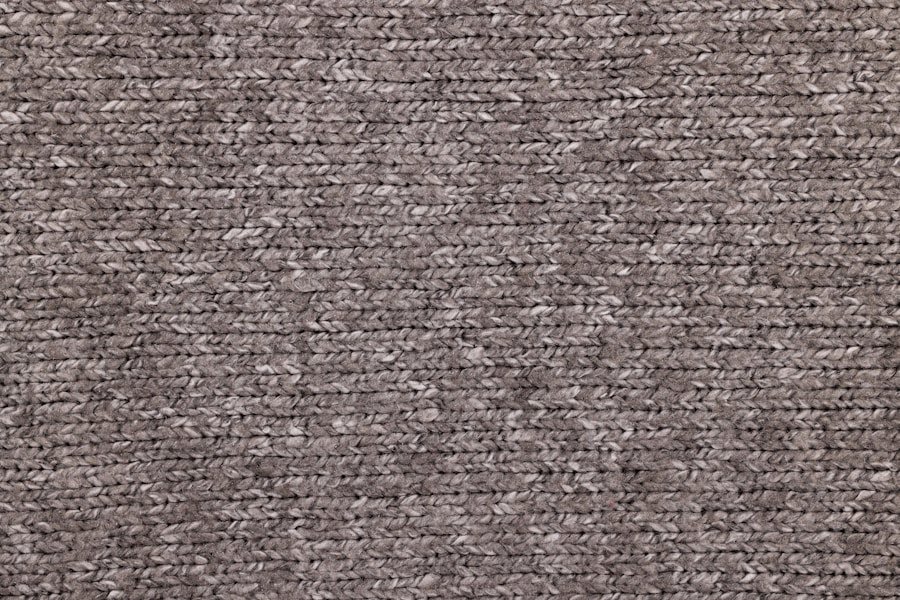
Photo by engin akyurt on Unsplash
Which Fabric Types Should You Avoid for High-Humidity Summer Spaces?
The fabrics most likely to trap moisture and develop odors or mildew in summer conditions are untreated natural fibers, particularly cotton, wool, and standard linen without a performance coating. These fibers are hygroscopic, meaning they actively attract and hold moisture from the surrounding air. That's a real problem when humidity levels climb above 60 percent.
Chenille and velvet are also worth mentioning here. Honestly, chenille is criminally underrated for living rooms, and velvet gets a bad rap as high-maintenance. But in a space with frequent moisture exposure? Both trap humidity in their pile and take a long time to dry fully. Save them for indoor, climate-controlled rooms and let performance synthetics handle the heavy-humidity zones.
Boucle, which has had a serious moment in home decor over the past couple of years, has a loopy, textured surface that can hold moisture in its structure. Beautiful fabric. Not your first call for a sunroom sofa.
Tips for Keeping Moisture-Resistant Fabrics Fresh All Summer
- Blot wet fabric immediately rather than rubbing. Rubbing pushes moisture deeper into the weave.
- If cushion covers are removable, unzip them after heavy rain or pool exposure and let both the cover and insert air out separately.
- Once or twice a season, apply a fabric protector spray (like Scotchgard) to performance fabrics, especially ones that see regular outdoor exposure. It refreshes the water-repellent surface treatment.
- Keep furniture positioned where air can circulate underneath and around cushions. A cushion pressed flat against a solid platform with no airflow will hold moisture longer than one with a few inches of breathing room underneath.
- If you smell mustiness but can't see visible mildew, mix one part white vinegar with two parts water, lightly mist the fabric, and let it air dry completely in sunlight. It works better than most commercial odor sprays and won't damage performance synthetic fibers.
Frequently Asked Questions
Q: What is the best upholstery fabric for humid outdoor or semi-outdoor spaces?Solution-dyed acrylic and olefin (polypropylene) are the top choices for humid or outdoor-adjacent spaces. Both have extremely low moisture absorption rates, resist mildew naturally, and maintain their color and structure through repeated wet-dry cycles. Vinyl and faux leather are also excellent if you want a fully waterproof surface.
Q: How do I know if an upholstery fabric will dry quickly after getting wet?Check the fiber content first. Polyester, acrylic, olefin, vinyl, and faux leather all dry significantly faster than natural fibers like cotton or wool. You can also do a quick water bead test on a fabric sample: if water beads and rolls off rather than spreading and absorbing, the fabric has good moisture resistance. Look for fabrics with a moisture repellent finish listed in the product description as an added layer of protection.
Q: Can indoor upholstery fabrics resist mildew in a humid summer home?Yes, if you choose the right ones. Performance polyester and tightly woven synthetic blends treated with moisture or stain-repellent coatings can handle indoor humidity without developing mildew, as long as they're not sitting in standing water or consistently damp conditions. For rooms that get genuinely wet, like sunrooms or covered porches, lean toward fabrics explicitly rated for indoor-outdoor use, which are engineered for sustained moisture exposure rather than just occasional spills.
