
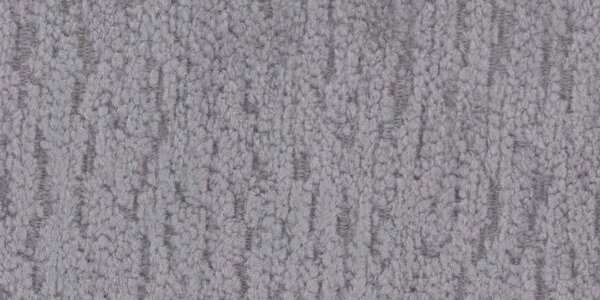
Choosing spring upholstery fabrics is genuinely exciting until you start picturing grape juice on your new sofa, muddy paw prints on a fresh armchair, or a toddler with a crayon treating your ottoman like a canvas. The fabric you pick matters a lot more than most people realize, and not just for looks. Maintenance level and real-life durability should be right at the top of your checklist, right alongside color and texture. This guide walks you through which fabrics keep things easy, which ones hide life's little disasters, and which ones actually reward you for using them every single day.
Why Maintenance Level Should Drive Your Fabric Decision This Spring
Spring is the season most people refresh their living spaces. New light, new energy, and suddenly that worn-out sofa feels like it needs to go. But here's the thing: buying the wrong fabric for your household means that fresh new piece looks tired within a year. Maintenance level isn't just about cleaning convenience. It directly affects how long your furniture looks good and how much stress it adds to your life.
Upholstery fabrics are rated for durability using a measurement called the double rub count. Think of it like this: one double rub is a single back-and-forth motion across the fabric surface, simulating the friction of someone sitting down and standing up. A fabric rated at 15,000 double rubs is considered suitable for light residential use. Anything above 30,000 double rubs handles everyday family life well. For homes with kids or pets, look for fabrics rated at 50,000 double rubs or higher.
For spring specifically, you also want fabrics that breathe a little better than heavy winter options, hold up to increased foot traffic as people spend more time at home on weekends, and still clean up easily after outdoor-to-indoor transitions become more frequent.
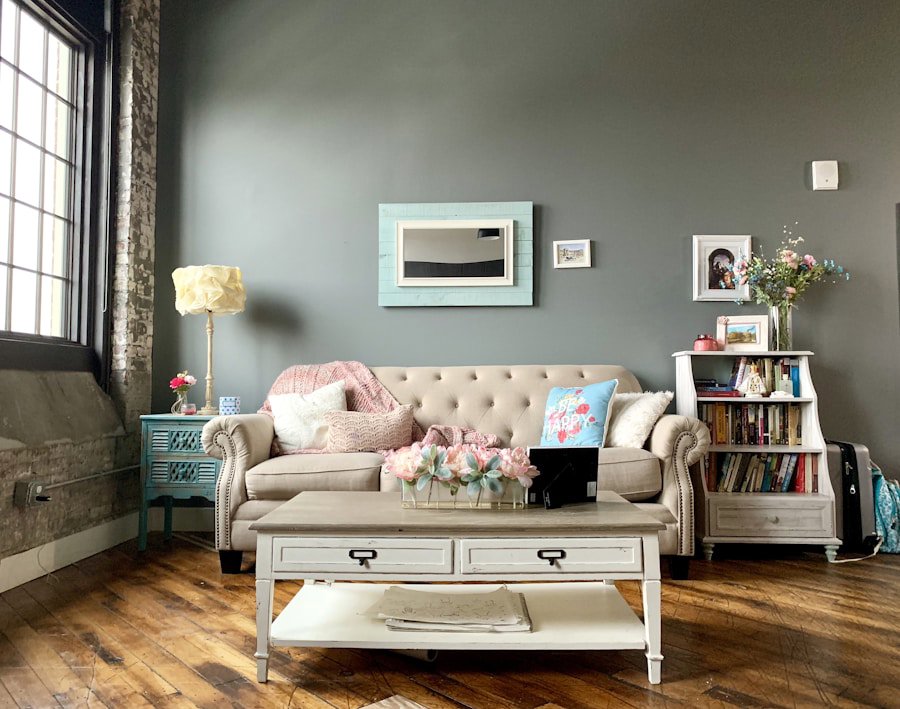
Photo by Sophia Kunkel on Unsplash
What Are the Easiest Upholstery Fabrics to Maintain?
The easiest upholstery fabrics to maintain are vinyl, faux leather, and solution-dyed synthetic fabrics like outdoor-rated polyester. These materials resist liquid absorption, wipe clean with a damp cloth, and don't trap pet hair or crumbs the way woven textiles do.
Vinyl and faux leather deserve more credit than they usually get. Modern versions have come a long way from the sticky, cracking vinyl of decades past. High-quality faux leather now mimics the look and feel of genuine leather closely, and it's significantly easier to care for. A quick wipe with a mild soap solution handles most spills completely. Faux leather also doesn't absorb odors the way upholstered fabric does, which is a real bonus in homes with pets.
For woven fabrics, chenille is honestly criminally underrated in the easy-care category. Its looped fiber structure means it doesn't snag easily, it resists pilling better than many alternatives, and it has a soft weight that recovers well after regular use. Chenille with a high double rub count (look for 50,000 or above) is a practical choice for family sofas that need to look presentable without constant fussing.
Also worth mentioning: solution-dyed acrylic is one of the most maintenance-friendly woven options available. In solution-dyed fabrics, the color is added to the fiber before it's even spun into yarn, rather than applied to the surface afterward. That means the color doesn't fade from sunlight or repeated cleaning, and many solution-dyed acrylics are rated to handle bleach-based cleaners without damage. For spring rooms that get a lot of natural light, this matters.
Which Fabrics Hide Stains and Wear the Best?
The best fabrics for hiding stains and everyday wear are patterned wovens, multi-tone textures, and mid-tone solids in materials like chenille, jacquard, and boucle. Color and pattern do a surprising amount of heavy lifting here.
Plain light solids (think cream or white linen) show every mark, every crease, and every shadow of a stain. That doesn't mean you can't have light colors in a busy home. It means you need to pair them with a fabric that resists absorption. A cream-colored faux leather or vinyl in a soft off-white shade gives you the light, airy spring aesthetic without turning into a stress-inducing cleanup project.
For traditional upholstered looks, jacquard is worth serious consideration. Jacquard is a woven fabric with a raised, intricate pattern built directly into the weave structure rather than printed on top. That textural variation naturally breaks up the visual appearance of minor staining and wear. A floral or geometric jacquard in a warm neutral or earthy spring tone can absorb a surprising amount of daily use without looking tired.
Boucle is having a major moment in spring 2025 home decor, and there's a practical reason it works in real homes beyond just looking stylish. Its looped, nubby texture creates visual irregularity across the surface, which means small marks and light soiling disappear into the texture rather than sitting visually on top. Boucle in warm beige, oatmeal, or soft grey tones is particularly forgiving.
Mid-tone colors in general (warm taupes, dusty blues, muted greens, soft terracottas) are the sweet spot for hiding stains. They're light enough to feel fresh and spring-like, but not so pale that every spill becomes a crisis.
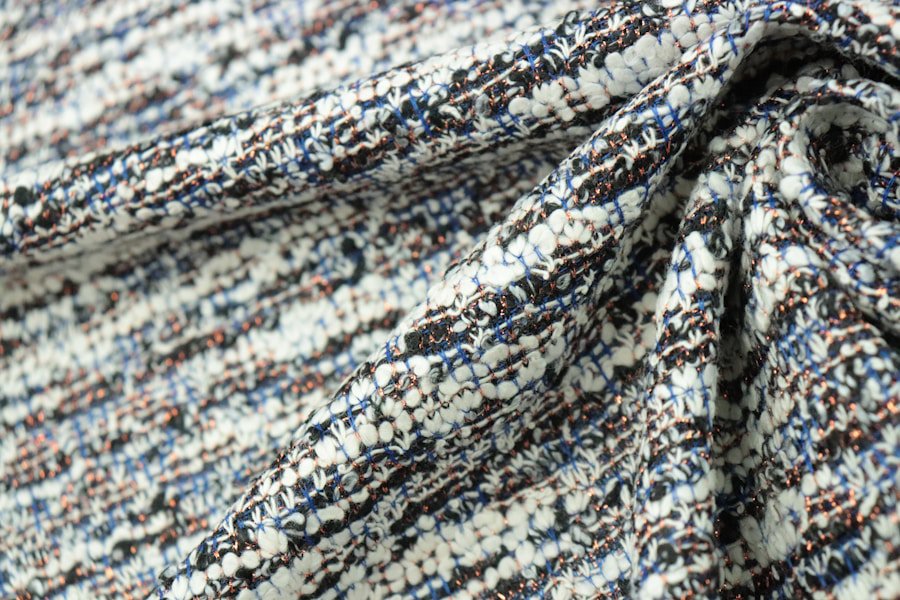
Photo by Divazus Fabric Store on Unsplash
Which Upholstery Fabrics Actually Improve With Wear?
Some fabrics genuinely look better after years of use. Linen, natural cotton, and certain velvet constructions fall into this category when handled correctly.
Linen develops a lived-in softness over time that synthetic fabrics can't replicate. Raw or textured linen in natural, undyed tones takes on character with age. It does wrinkle, and it does require more care than synthetics, so it's better suited to lower-traffic pieces like accent chairs or decorative pillows than to primary sofas in high-use rooms. If you love linen's look and want it on a main sofa, look for linen-blend fabrics with a polyester or nylon component. These hybrids keep the visual texture of linen while adding meaningful durability and wrinkle resistance.
Velvet gets a bad rap for being high-maintenance, but crushed velvet and velvet constructions with a tight pile actually recover well from regular use. The key performance metric here is the Martindale abrasion test, which measures how many cycles of surface friction a fabric can handle before showing wear. Unlike the double rub count (which measures back-and-forth friction), the Martindale test uses a circular motion, making it a broader measure of surface durability. A velvet rated at 30,000 Martindale cycles or higher handles everyday residential use without significant piling or crushing. Spring-toned velvets in dusty pink, sage green, or soft teal are genuinely beautiful and more practical than most people assume.
Cotton also improves with washing and gentle use, developing a softer hand over time. Tightly woven cotton or cotton-blend upholstery (look for canvas-weight constructions) is durable, washable in many cases, and gets softer and more comfortable the more it's used. It's a solid choice for households that want natural fiber comfort without committing to linen's care requirements.
Matching Fabric to Your Household's Real Life
Here's a simple way to match your situation to the right fabric type:
- Pets and young kids: Faux leather, vinyl, or high-double-rub chenille (50,000+). Prioritize wipe-clean surfaces and tight weaves that don't catch claws.
- Older kids and moderate traffic: Jacquard, boucle, or mid-tone solution-dyed synthetics. You get style flexibility without sacrificing practicality.
- Adults-only household, low traffic: Velvet, linen blends, or cotton canvas. You can lean into texture and softer fabrics without worrying as much about wear rates.
- Bright spring rooms with direct sunlight: Solution-dyed acrylic or polyester blends rated for UV resistance. Sunlight fades natural fiber fabrics faster than most people expect.
- Looking for a budget-friendly refresh: Check the sale section. Discounted fabric doesn't mean low durability. Look at the double rub count and fiber content, not just the price tag.
One more thing: don't skip the fabric's cleaning code. Most upholstery fabrics come with a simple cleaning code printed on the tag or listed in the product specs. "W" means water-based cleaners are safe. "S" means solvent-based only. "WS" means both work. "X" means vacuuming only. Knowing this before you buy saves real headaches later.
Frequently Asked Questions
Q: What is the most durable upholstery fabric for homes with kids and pets?Faux leather, vinyl, and high-grade chenille are the most durable options for homes with kids and pets. Look for fabrics with a double rub count of 50,000 or higher, as these are rated to handle the friction and daily stress of heavy household use without wearing down quickly.
Q: Which upholstery fabrics are easiest to clean?Vinyl and faux leather are the easiest upholstery fabrics to clean because they don't absorb liquids. A damp cloth or mild soap solution handles most spills immediately. For woven fabrics, solution-dyed acrylics and tightly woven chenille clean up well and many can tolerate diluted bleach solutions without color damage.
Q: Does velvet upholstery hold up well in a busy household?Velvet can hold up well in a busy household if you choose a construction with a tight, dense pile and a Martindale abrasion rating of 30,000 cycles or more. Crushed velvet and performance velvet blends are particularly resilient. The key is to look at the fabric's durability rating rather than avoiding velvet based on its reputation alone.