
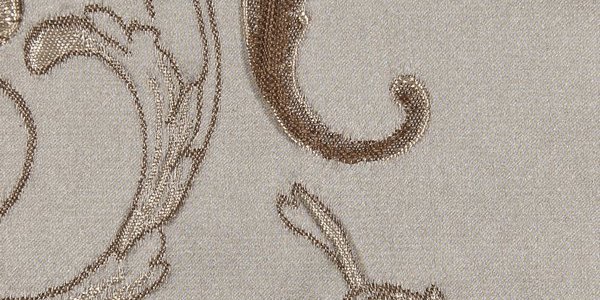
Choosing spring upholstery fabrics that complement your flooring is one of the most overlooked parts of refreshing a room. Most people pick a fabric they love in isolation, bring it home, and then wonder why the room still feels off. The floor covers more visual real estate than almost anything else in your space. If your fabric and your flooring are fighting each other, no amount of throw pillows is going to fix it.
Spring is actually the ideal time to make this kind of change. The season naturally pulls us toward lighter colors, softer textures, and a general sense of opening things up. And right now, the trends are leaning into exactly that: warm neutrals, botanical greens, dusty pinks, and tactile fabrics like boucle and linen that feel fresh without being precious. The good news is that working with your floors instead of against them doesn't require a decorator's eye. It just requires a bit of a framework.
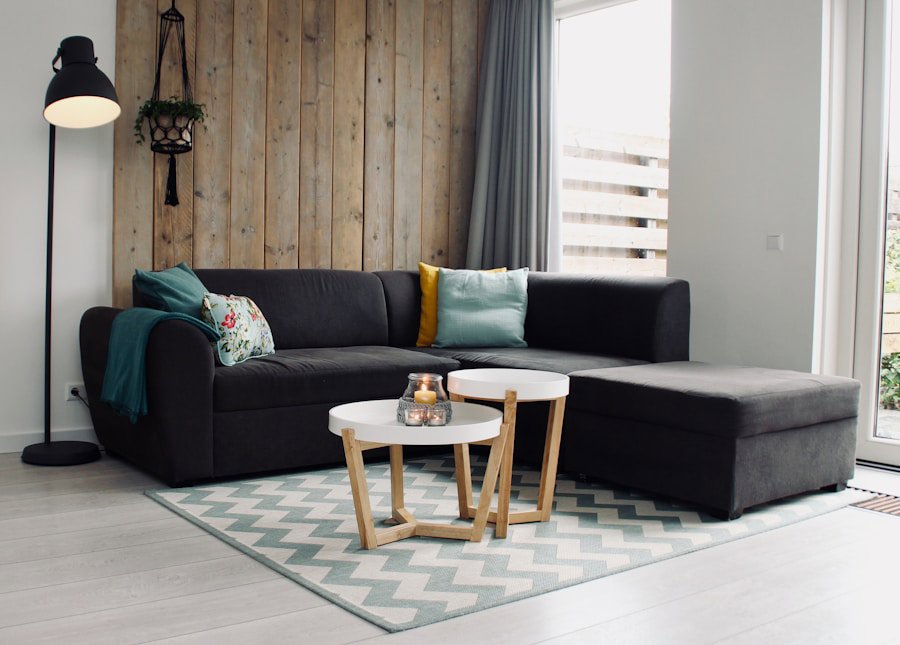
Photo by Sven Brandsma on Unsplash
Why Your Flooring Should Drive Your Fabric Choice
Your floor is fixed. Your fabric isn't. That's the whole logic here. When you're selecting upholstery, the floor is your anchor point, and everything else should respond to it. The undertones in your flooring, whether that's the warm amber of oak hardwood, the cool grey of porcelain tile, or the beige and taupe range of most carpet, set the temperature of the entire room. Upholstery fabric that shares or complements those undertones will always feel more cohesive than something chosen in isolation at a fabric store under fluorescent lighting.
A key principle used by interior designers is the 60-30-10 rule: roughly 60% of a room's color comes from walls and floors, 30% from large furniture including sofas and chairs, and 10% from accent pieces. Your upholstery fabric sits in that 30% zone. Getting it to harmonize with the 60% underneath it is what makes a room feel finished rather than assembled.
How to Match Upholstery Fabrics to Hardwood Floors
Hardwood floors pair with more upholstery fabrics than almost any other flooring type. The key is reading the wood's undertone correctly.
Light hardwoods like maple, ash, or whitewashed oak have cool or neutral undertones. They work beautifully with linen in cream or soft grey, woven fabrics in natural tones, and spring-appropriate colors like dusty blue, sage green, or blush pink. These floors are forgiving enough to handle a bolder fabric choice too. A deep velvet in forest green or a floral print in blues and greens reads as intentional against a pale wood floor rather than jarring.
Medium hardwoods like natural oak or hickory run warm with golden and honey tones. Here, you want fabrics that echo that warmth without matching it exactly. Chenille in terracotta, burnt orange, or warm camel are strong choices. Honestly, chenille is criminally underrated for this pairing. It's soft, it's durable, and those warm mid-tones against a golden hardwood floor look like something out of a well-styled home magazine. Boucle in cream or oat also works exceptionally well.
Dark hardwoods like walnut or stained oak need contrast to avoid a heavy, moody effect. Light fabrics do the heavy lifting here. Think cream linen, white cotton blends, or a pale stripe pattern. If you want to stay in the warm family, a warm beige or sand-toned fabric creates contrast without visual whiplash.
What Upholstery Fabrics Work Best with Tile Floors?
Tile floors tend to have cool, clean undertones, and the right upholstery fabric leans into that rather than fighting it.
Most tile, whether it's grey porcelain, white ceramic, or natural stone, reads as cool-neutral or cool-grey in tone. Upholstery fabrics that share those cool undertones will feel cohesive. Velvet in dusty pink, soft lilac, or slate blue is genuinely stunning against grey tile. Faux leather in light grey or off-white brings a modern, clean look that suits the hard surface quality of tile without making the room feel cold.
For warmer-toned tile, like terracotta or sandy travertine, shift toward fabrics in rust, warm white, or soft camel. Cotton and linen blends work especially well here because their natural fiber texture adds warmth that balances tile's inherent hardness. Jacquard prints with earthy tones also perform well in these rooms, adding visual interest without disrupting the palette.
One practical note on tile rooms: sound bounces. Softer, denser fabrics like velvet, chenille, or boucle absorb some of that acoustic energy, making the room feel noticeably more comfortable to spend time in. That's a real-world benefit, not just an aesthetic one.
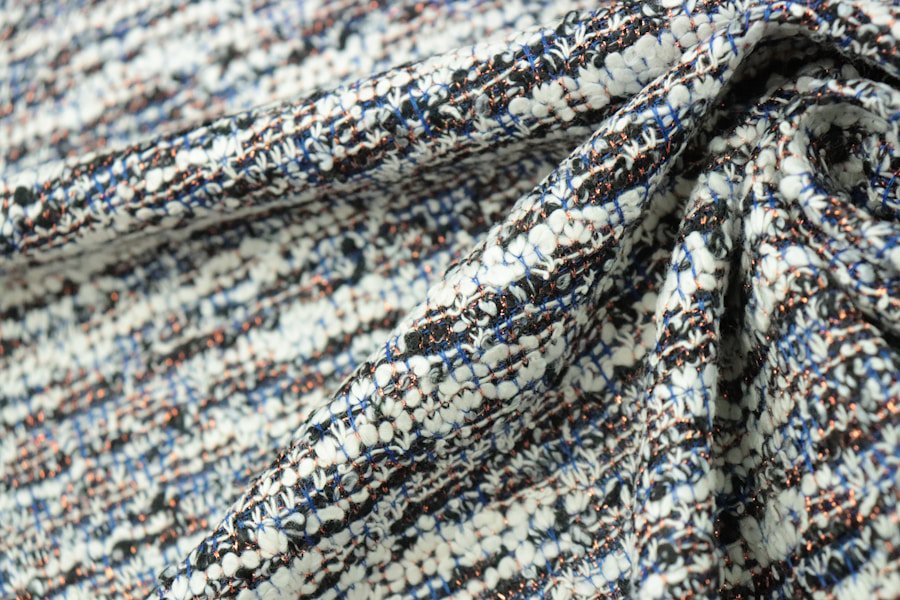
Photo by Divazus Fabric Store on Unsplash
Choosing Upholstery Fabrics for Carpet and Laminate Floors
Carpet and laminate floors present their own set of considerations, and they're worth addressing together because both are common in living rooms and both get overlooked in style conversations.
Carpet introduces texture and pattern of its own. If your carpet is a solid neutral, you have a lot of freedom. Patterned upholstery like a floral or a stripe can anchor the room without competing with the floor. If your carpet already has texture or a subtle pattern, stick with solid upholstery fabrics. Solid chenille, solid velvet, or a solid woven fabric will add depth without visual noise. For spring, green and blue tones against a grey or beige carpet feel genuinely seasonal and grounded.
Laminate floors are typically cooler in tone, mimicking the look of hardwood but with less natural variation. They often sit in the grey-beige or grey-brown range. Upholstery fabrics that work here follow the same logic as light-to-medium hardwood: warm neutrals, nature-inspired colors, and fabrics with texture. Boucle, linen, and corduroy in warm earthy tones bring life to the flatness that laminate can sometimes have. Corduroy in particular, an underrated fabric right now, adds just enough tactile interest to balance laminate's uniformity.
Spring Fabric Textures and Colors That Work Across Flooring Types
Some fabrics and color directions are versatile enough to work across most flooring types, which makes them especially useful when you're not sure where to start.
- Linen and linen blends: Natural, breathable, and available in a range of neutrals and spring tones. Linen has a slightly textured weave that reads as casual and elevated at the same time. It pairs well with every flooring type covered here.
- Boucle: The looped, textured surface of boucle fabric adds warmth and dimension to a sofa or chair. It performs especially well in cream, oat, and warm grey, which are neutral enough to complement most floors without blending in too much.
- Velvet: Velvet gets a bad rap for being high maintenance, but modern performance velvets are stain-resistant and surprisingly durable. Many performance velvets exceed 100,000 double rubs, which is the industry measure for how many times a fabric can be rubbed back and forth before showing wear. That's well above what most household furniture needs.
- Floral prints in spring tones: Blues, greens, and dusty pinks in a floral pattern can bridge cool and warm floors if the print contains both cool and warm tones. Look for florals with a neutral or off-white background for maximum versatility.
- Solid tones in sage, dusty blue, or warm cream: These are the easiest bets for spring 2025. They're current, they're calming, and they work against virtually any floor.
What to Know About Durability Before You Buy
Color and texture aside, the right fabric also has to survive your actual life. If you have kids, pets, or a household that actually uses the furniture, durability isn't optional.
The double rub count is the clearest measure of fabric durability. It represents the number of back-and-forth abrasion cycles a fabric can withstand before showing visible wear. For light residential use, 15,000 double rubs is generally considered the minimum. For households with kids or pets, aim for 30,000 or higher. Commercial-grade fabrics start at 100,000 double rubs and are a smart choice for high-traffic sofas.
Solution-dyed acrylic fabrics, where the color is built into the fiber rather than applied to the surface, are especially resistant to fading and staining. They're a strong choice for rooms with a lot of natural light, which is worth considering in spring when you might be opening things up and letting more sun in.
Faux leather and vinyl are also worth a mention here. They're fully wipeable, they don't absorb pet hair, and modern versions are significantly more convincing than older versions. For a tile or hardwood floor room with a modern aesthetic, a quality faux leather sofa in warm grey or cream reads as intentional rather than practical. That's a nice combination to find.
For fiber-specific durability, polyester and polyester blends tend to hold up well against pilling and staining. Linen is beautiful but more prone to wrinkling and may need more careful maintenance in high-use spots. Chenille can shed slightly over time but typically holds up well with normal household use. Always check the care instructions and look for a fabric with a cleaning code of W (water-based cleaner) or S/W (either solvent or water) for easiest maintenance.
Frequently Asked Questions
Q: What upholstery fabric colors work best with dark hardwood floors?Light, contrasting fabrics work best with dark hardwood floors. Cream, warm white, soft beige, and pale sage green all create visual contrast that prevents the room from feeling heavy. Avoid very dark upholstery tones like navy or charcoal on dark floors unless the room has significant natural light and contrasting walls to balance the palette.
Q: How do I choose upholstery fabric for a room with carpet?If your carpet is a solid neutral, you can use patterned or textured upholstery fabric confidently. If your carpet already has texture or pattern, choose solid upholstery fabric in a color that complements the carpet's tone. The key is to avoid competing textures and patterns at the same visual level in the room.
Q: What is double rub count and why does it matter when buying upholstery fabric?Double rub count measures how many back-and-forth abrasion cycles a fabric can withstand before showing wear, and it's the standard way to compare fabric durability. For everyday residential use, look for at least 15,000 double rubs. For households with kids or pets, 30,000 or higher is a better target. Higher double rub counts mean the fabric holds up longer under real daily use.