
Spring Sunlight Is Beautiful. Your Sofa Thinks Otherwise.
Spring upholstery fabrics get put to the test the moment the days get longer. The light coming through your windows in April and May is noticeably stronger than it was in January, and it stays around longer too. That extra UV exposure adds up fast, and if your furniture fabric isn't built to handle it, you'll start noticing fading, dullness, or even fiber breakdown within a single season. The good news is that choosing the right fabric upfront, and making a couple of smart adjustments to your room, can keep your furniture looking fresh for years.
This isn't about avoiding windows or living in the dark. It's about understanding which fabrics are genuinely sun-tolerant and which ones are quietly losing the battle every afternoon your blinds are open.
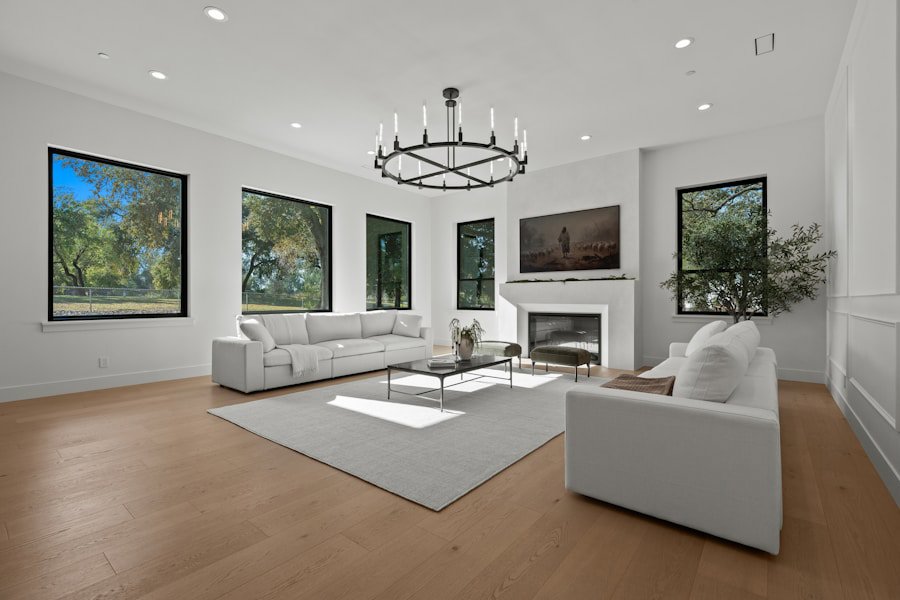
Photo by GoodLifeConstruction on Unsplash
What Makes a Fabric Fade Resistant in the First Place?
Fade resistance in upholstery comes down to how and where the color is applied to the fiber. Fabrics that are solution-dyed, meaning the color is baked into the fiber itself during manufacturing rather than applied to the surface afterward, hold their color dramatically better under UV exposure. Surface-dyed fabrics, by contrast, can begin showing fading within weeks of consistent sun exposure.
Solution-dyed acrylic is the gold standard here. Outdoor furniture brands have relied on it for decades precisely because it holds color even in full sun. But it shows up in indoor upholstery fabrics too, and if you're shopping for a sofa near a window, it's worth specifically looking for that term on the product description.
Fabric weight and weave density also play a role. Tightly woven fabrics physically block more UV radiation from reaching the inner fibers, which slows overall degradation. A fabric with a double rub count above 30,000, which is the industry measure of how many back-and-forth rubs a fabric can withstand before showing wear, is generally going to be a durable choice structurally. But durability against abrasion and durability against UV are related, not identical. You want both.
Which Upholstery Fabric Types Hold Up Best Against Sun Exposure?
Synthetic and solution-dyed fibers consistently outperform natural fibers when it comes to UV resistance. Here's how the most common upholstery fabric types stack up:
- Velvet: Honestly, velvet gets a bad rap as a high-maintenance diva, but solution-dyed polyester velvet is actually quite resistant to fading. The tight pile construction also gives it a bit of natural UV shielding. Keep it out of direct, prolonged sun and it'll reward you.
- Chenille: Chenille is criminally underrated for a lot of reasons, and UV performance is one of them. Polyester chenille, in particular, resists fading well and has that soft, casual texture that works beautifully in spring-refresh decorating. It's a practical choice that doesn't look like you made a practical choice.
- Jacquard: Woven jacquard fabrics, especially those made from polyester or acrylic blends, offer solid fade resistance due to their tight weave structure. The pattern is woven in rather than printed on, which means it doesn't sit on the surface waiting to be bleached out by light.
- Faux Leather and Vinyl: These are UV-complicated. They don't fade the same way textiles do, but prolonged sun exposure can dry them out, crack them, and cause discoloration. They're not ideal for high-sun spots without some kind of window protection.
- Linen: Natural linen is beautiful and popular in spring decor, but it fades relatively quickly with UV exposure. If you love the look, use it on pieces that aren't in direct sunlight, or look for linen-blend fabrics that include synthetic fibers for added resilience.
- Cotton: Similar story to linen. Pure cotton is prone to UV fading and can weaken over time with sustained sun exposure. Cotton-poly blends perform better. A good rule of thumb: the higher the synthetic content, the more UV-stable the fabric tends to be.
- Boucle: Boucle is having a serious moment right now, and the textured looped surface actually does a decent job of diffusing light rather than absorbing it evenly. Wool boucle will fade faster than acrylic or polyester boucle, so check the fiber content before you commit.
What Colors Fade the Fastest, and Which Ones Hold Up?
Color choice matters more than most people realize. Darker, saturated colors tend to absorb more UV radiation, which can accelerate fading and cause uneven wear in high-light areas. Bright, vivid colors like deep blues, rich reds, and bold purples are particularly vulnerable if the dye process isn't solution-based.
Here's the thing: lighter and more neutral colors don't fade any slower chemically, but they show fading less obviously because there's less contrast between the original and faded tone. Cream, beige, grey, and soft white upholstery fabrics look more consistent over time simply because there's less dramatic shift when slight fading occurs. That's a practical reason why neutral-toned sofas and chairs tend to age more gracefully in sun-exposed rooms.
If you want color, go for it, but choose it in a solution-dyed fabric. A solution-dyed navy velvet or a jacquard with woven-in color will hold far better than a surface-printed fabric in the same shade. Spring 2025 decor is leaning heavily into warm earthy tones, soft terracottas, sage greens, and dusty pinks, and the good news is those mid-range tones tend to show fading less dramatically than either very dark or very saturated colors.
How to Protect Your Furniture from UV Damage This Spring
Even the most fade-resistant fabric benefits from a little environmental help. These aren't complicated changes, they're just smart room decisions that extend the life of your furniture significantly.
- Use window treatments strategically. Sheer curtains filter UV without blocking natural light. UV-filtering window film is an even better option if you don't want to change the look of your windows. It can block up to 99% of UV rays while remaining virtually invisible on the glass.
- Rotate your cushions regularly. This is the easiest thing people never do. If one side of your sofa gets more light than the other, flipping and rotating cushions distributes the UV exposure more evenly so you don't end up with one noticeably faded section.
- Pull furniture away from south and west-facing windows. South-facing windows get the most direct sunlight throughout the day. West-facing windows get intense afternoon sun that's particularly strong. Even moving a sofa a few feet back from the window makes a real difference.
- Use fabric protector sprays designed for UV resistance. Products like 303 Fabric Guard or similar UV-inhibiting sprays can be applied to upholstery to add a layer of protection. Reapply every season for best results.
- Close blinds during peak sun hours. Roughly 10 a.m. to 3 p.m. is when UV intensity is highest. Closing blinds or pulling shades during those hours dramatically reduces cumulative exposure, especially in spring and summer when the sun angle is higher in the sky.
How to Read a Fabric Listing Before You Buy
If you're shopping online for upholstery fabric, a few details in the product description will tell you a lot about UV performance before you ever see the fabric in person.
Look for the fiber content first. Polyester, acrylic, and olefin (polypropylene) are your most UV-stable synthetic fibers. Solution-dyed anywhere in the description is a strong positive signal. If the listing mentions outdoor-grade or indoor/outdoor suitability, that's also a good indicator of UV resilience since outdoor-rated fabrics are specifically engineered for sun exposure.
The Martindale abrasion test rating tells you how the fabric holds up to friction, expressed as a cycle count. A rating of 25,000 cycles is considered suitable for general domestic use, while 30,000 and above is better for high-traffic furniture. While this doesn't directly measure UV resistance, it signals a fabric built for durability overall. A fabric that's both high on the Martindale scale and made from solution-dyed synthetic fibers is a strong choice for a sun-exposed room.
Also, don't sleep on the care instructions. A fabric with simple care requirements, spot clean or machine washable, is always going to be easier to maintain over a season of open windows, fresh air, and all the chaos spring actually brings into a house.
Frequently Asked Questions
Q: What is the most fade-resistant upholstery fabric for a sunny room?
Solution-dyed acrylic and polyester fabrics offer the best fade resistance for upholstery in sun-exposed rooms. Because the color is embedded in the fiber rather than applied to the surface, UV exposure has significantly less effect on the appearance over time.
Q: Does fabric color affect how quickly upholstery fades in sunlight?
Yes. Deep, saturated colors absorb more UV radiation and tend to show fading more visibly than lighter or neutral tones. Lighter colors like cream, beige, and grey still fade at a similar rate chemically, but the change is far less noticeable to the eye, which is why they tend to look more consistent in high-light spaces over time.
Q: How can I protect my sofa from sun damage without replacing the fabric?
The most effective steps are using UV-filtering window film or sheer curtains to reduce UV exposure, rotating and flipping cushions regularly so fading occurs evenly, moving furniture back from south and west-facing windows, and applying a UV-resistant fabric protector spray at the start of each season.