
Summer entertaining is one of those things that sounds relaxing until someone sits down with a dripping ice cream cone on your brand-new sofa. If you're shopping for upholstery fabric that can survive the season, you need more than a pretty color. You need stain-resistant upholstery fabric that also breathes in humidity, holds its shape through repeated use, and still looks like something you'd choose on purpose. This guide walks you through how to actually pick the right one, step by step.
Step-by-Step Instructions
- Understand what "stain resistant" actually means before you shop. This label gets thrown around a lot, and it doesn't always mean the same thing. True stain resistance usually comes from one of three places: a topical finish applied after weaving (like Scotchgard or a similar fluorocarbon treatment), a solution-dyed process where color and protection are baked into the fiber itself, or a fabric's natural tight weave that simply doesn't let liquid penetrate quickly. Topical finishes wear off over time, especially with cleaning. Solution-dyed fabrics, on the other hand, resist staining and fading at the fiber level, which is why they're often used in outdoor and high-traffic applications. Knowing the difference helps you ask better questions and buy smarter.
- Match the fabric type to your actual summer lifestyle. A single person who hosts occasional dinner parties has different needs than a household with three kids, a golden retriever, and a rotating cast of summer guests. Be honest with yourself here. If your furniture gets hard daily use, you want fabrics with a high double rub count. A double rub count measures abrasion resistance: one "double rub" simulates a person sitting down and getting back up once. Fabrics rated at 15,000 double rubs are fine for light residential use. For family rooms and busy spaces, aim for 30,000 or higher. Heavy-duty performance fabrics can reach 100,000 double rubs and above.
- Zero in on fabrics that balance stain resistance with breathability. This is the real summer challenge. Some of the most stain-resistant materials, like vinyl and faux leather, are also the least breathable. Sitting on them in August can feel like wrapping yourself in a plastic bag. That doesn't make them wrong choices, but it does mean placement matters. Use vinyl or faux leather on dining chairs or accent pieces where contact time is shorter. For sofas and lounge seating where people settle in for hours, look for tightly woven natural blends, performance chenille, or linen treated with a stain-resistant finish. These give you protection without the sweat factor.
- Consider solution-dyed acrylic for the most demanding situations. Solution-dyed acrylic is the gold standard for performance fabric. The pigment is added during the fiber manufacturing process, not printed or dyed afterward, which means color doesn't fade and the fiber itself resists moisture, mildew, and staining. It's the same technology used in high-end outdoor furniture fabric. Indoors, it's practically indestructible. Fabrics made with solution-dyed acrylic can typically be cleaned with a diluted bleach solution (check the manufacturer's specs), which is a genuinely rare and useful property for summer hosting. If you spill red wine or sunscreen on it, you're not panicking.
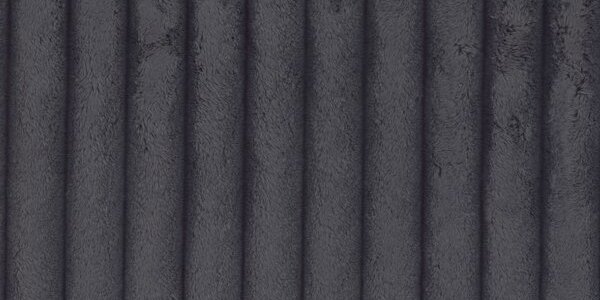
- Look at weave structure, not just fiber content. A tight, flat weave resists stains better than a loose, open one, regardless of what the fabric is made from. Chenille, for example, has a distinctive looped pile that looks luxurious but can trap crumbs and liquids if the weave isn't dense enough. High-quality performance chenille solves this with a tighter construction. Jacquard weaves, which create patterns directly in the weave rather than printing them on top, tend to be more durable and hold up to cleaning better than printed fabrics. When you're browsing, look for terms like "tight weave," "high-density construction," or "performance grade."
- Check for humidity and mildew resistance if your home gets warm and sticky. Humid climates and enclosed spaces with limited airflow can cause fabric to trap moisture, which eventually leads to odor or mildew. Natural fibers like untreated cotton and linen are beautiful but more vulnerable here. If you love the look of linen, choose a linen blend that includes synthetic fibers or has been treated with a moisture-resistant finish. Synthetic options like polyester and acrylic are naturally mildew-resistant. Fabrics with a Martindale abrasion rating (the European equivalent of double rub testing) of 20,000 or higher and a closed, flat weave tend to fare best in humid conditions.
- Think about color and pattern strategically for summer entertaining. Lighter colors like cream, beige, and white look fresh and summery but show every smudge. Darker solid colors hide stains better but can show fading over time if they're not solution-dyed. Patterns, especially multicolor ones, are honestly your best camouflage. A multi-toned print can visually absorb a stain until you get around to cleaning it. Stripes and geometric prints are trending hard right now and they're incredibly practical for this exact reason. Floral patterns in blue, green, and yellow are a natural fit for summer and give you built-in pattern camouflage without looking like you're trying to hide something.
- Test your shortlist before committing. Most fabric stores and online retailers, including us at Famcor Fabrics, sell fabric by the yard. Order a sample or a small cut before you buy the full amount for a reupholstery project. At home, do your own tests: pour a few drops of water on it and see how fast it absorbs. Try a small amount of diluted coffee. Check how the fabric feels against your arm after five minutes. These aren't lab conditions, but they tell you a lot about real-world performance. Trust what you experience more than what a label says.
- Read the care instructions like they matter, because they do. A fabric rated for easy cleaning is only easy to clean if you follow the code. Most upholstery fabric comes with a cleaning code on the label: W means water-based cleaners are safe, S means solvent only, WS means both work, and X means vacuum only. For summer entertaining, W or WS codes are your friends. These let you clean up spills with a damp cloth or mild soap and water, which is what you'll reach for at 10pm when someone tips over their rosé.
- Balance protection with the aesthetic you actually want. Here's the thing: performance and style aren't opposites anymore. The fabric industry has come a long way. You can get a velvet-look performance fabric with 50,000 double rubs. You can get a linen-textured polyester blend that feels natural and wipes clean in seconds. You don't have to sacrifice the living room you want for the living room that survives your life. The best stain-resistant upholstery fabric is the one that makes you feel good about sitting in your own home, even when things get messy.
Which Fabrics Work Best in Heat and Humidity?
The most breathable stain-resistant upholstery fabrics for hot weather are tightly woven linen blends, performance chenille, and solution-dyed acrylic. Each handles summer conditions differently, and each has a clear use case.
Performance chenille is criminally underrated for summer. It looks plush and inviting, it's soft against skin, and when it's made with a high-density construction and a stain-resistant finish, it handles spills without absorbing them instantly. It also doesn't trap heat the way vinyl does. Look for chenille with a double rub count above 30,000 for family-use pieces.
Linen blends are naturally breathable because of the open fiber structure in linen, which allows airflow even when the weave is tight. A linen-polyester blend gets you the breathability of natural linen with the stain resistance of synthetic content. Pure linen without a protective finish is a risk in a high-traffic summer setting. A blend or a treated linen is a smarter call.
Faux leather and vinyl resist stains completely, which makes them easy to wipe down after parties. The trade-off is heat retention. Faux leather warms up quickly in direct sunlight and can feel uncomfortable in a hot room. It's an excellent choice for dining chairs, bar stools, or any seat where people aren't lounging for hours. For those applications, it's hard to beat.
Woven polyester and jacquard fabrics are quiet workhorses. Polyester has a natural resistance to moisture and staining, and a jacquard weave adds structural durability. Many jacquard fabrics carry Martindale abrasion ratings of 25,000 to 40,000 cycles, which translates to years of daily use in a busy home.
Photo by Yuanzheng Xiang on Unsplash
What Performance Finishes Actually Work in Summer Conditions?
Performance finishes protect fabric at the surface level, and not all of them hold up equally when humidity and heat are part of the picture.
Fluorocarbon-based finishes (the technology behind most branded treatments like Scotchgard) create a barrier that causes liquids to bead on the surface rather than absorb. They work well for a period of time, typically two to five years with regular use and cleaning, after which they need to be reapplied. High heat and repeated washing accelerate the breakdown. In humid climates, a topical finish alone may not be enough for heavy-traffic pieces.
Solution-dyed acrylic finishes don't rely on a surface coating at all. Protection is inherent to the fiber because the dye and the fiber structure are essentially unified. This makes solution-dyed acrylic one of the best choices for summer upholstery. It resists UV fading, humidity, mold, and staining without needing retreatment.
Antimicrobial finishes are less common but worth looking for if you live in a particularly humid climate or if anyone in your household has sensitivities. These finishes inhibit the growth of bacteria and mold in the fabric, which becomes relevant in rooms that trap heat and moisture over the summer months.
Honestly, the most reliable protection comes from combining a performance finish with a tight weave and the right fiber content. One element alone won't carry the whole load in a truly busy summer home.
Quick Tips and Troubleshooting
- Act fast on spills. Even the best stain-resistant fabric benefits from quick attention. Blot, don't rub. Rubbing spreads the stain and pushes it deeper into the weave.
- Reapply topical treatments annually. If your fabric has a surface finish like Scotchgard, one can of reapplication spray per year keeps the protection fresh, especially after cleaning.
- Use slipcovers strategically. A washable slipcover over a performance fabric base gives you two layers of protection and lets you swap out the look seasonally without reupholstering.
- Keep sunlight in mind. Even stain-resistant fabrics can fade in direct sun over a summer. Position furniture away from windows that get intense afternoon light, or use UV-filtering window treatments.
- Don't forget the cushion fill. A quick-dry foam insert inside a performance fabric cover is far more practical for summer than a standard foam that holds moisture after a spill soaks through.
- If you're not sure about a fabric, order a sample first. Famcor Fabrics sells fabric by the yard, so you can test before you commit to a full project. It's the smartest move you can make before reupholstering anything significant.
Frequently Asked Questions
Q: What is the best stain-resistant upholstery fabric for summer entertaining?Solution-dyed acrylic and tightly woven performance chenille are the top choices for summer entertaining. Solution-dyed acrylic resists stains, moisture, and fading at the fiber level, while performance chenille offers breathability and softness alongside stain resistance ratings typically above 30,000 double rubs.
Q: Can stain-resistant upholstery fabric be breathable in hot weather?Yes. Linen blends, performance chenille, and woven polyester fabrics offer stain resistance without trapping heat the way vinyl and faux leather can. The key is choosing a fabric with a tight weave, a stain-resistant finish or fiber treatment, and a natural or semi-natural fiber content that allows some airflow.
Q: How long do stain-resistant finishes on upholstery fabric last?Topical stain-resistant finishes like fluorocarbon treatments typically last two to five years with regular use before they need reapplication. Solution-dyed fibers do not rely on a surface finish and maintain their protective properties for the life of the fabric without retreatment.