
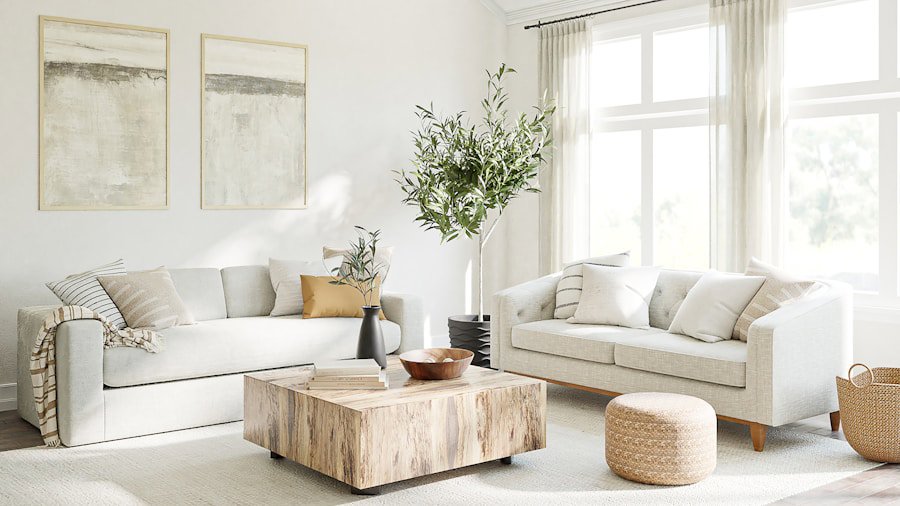
If your living room gets a solid blast of afternoon sun, you already know the heartbreak of a once-vibrant sofa that's now faded to a sad, washed-out version of itself. The good news is that choosing summer upholstery fabrics that keep their color in direct sunlight is entirely possible without having to treat everything with chemical sprays or sealants. The secret is in the fiber, the weave, and how the color was put into the fabric in the first place. Get those three things right and your furniture can handle years of sun exposure and still look sharp. This guide walks you through exactly how to do that, step by step.
Why Summer Sunlight Fades Upholstery Faster Than You Think
UV radiation breaks down the molecular bonds in dyes, which is why fabrics fade faster in summer than any other season. A south- or west-facing room can expose your furniture to the equivalent of months of UV damage in just a few weeks of peak summer sun. Fabrics with loosely woven structures and surface-applied dyes are the most vulnerable because the dye sits on top of the fiber rather than being locked inside it.
Here's the thing: not all fading happens the same way. Some fabrics lose color evenly and just look dull. Others fade in patches, which looks far worse. The fabric's construction and dye method determine which outcome you get, and knowing the difference before you buy is what separates a furniture investment from an expensive mistake.
Step-by-Step Instructions
- Start with solution-dyed acrylic or solution-dyed polyester. These are the gold standard for sun resistance, and there's a specific reason why. In solution-dyed fibers, the color is added to the liquid polymer before it's even spun into a thread. The dye becomes part of the fiber itself rather than sitting on the surface. Solution-dyed acrylic fabrics are rated to retain over 90% of their color after 2,000 hours of UV exposure in standard testing. Brands that produce outdoor-grade performance fabrics almost universally use this method. If you're furnishing a room with serious sun exposure, this is where your search should start.
- Look for tightly woven fabrics with high thread density. Weave density matters more than most people realize. A tightly woven fabric gives UV rays fewer angles to attack individual threads, which slows the breakdown process. When you're comparing fabrics, hold a swatch up to a light source. If you can see a lot of light coming through, the weave is loose and the fabric will be more vulnerable to fading. Jacquard weaves and densely woven chenille are good examples of tight constructions that perform well in sun-exposed settings. Honestly, chenille is criminally underrated for this exact reason. It's thick, forgiving, and holds dye well.
- Check the fabric's lightfastness rating before purchasing. Lightfastness is a measure of how well a dye resists fading under light exposure. It's rated on a scale of 1 to 8, where 1 means the color will fade almost immediately and 8 means it's essentially permanent. For upholstery in a sun-exposed room, you want a lightfastness rating of at least 5, and ideally 6 or higher. Many fabric retailers include this in the technical specifications. If you don't see it listed, ask. A supplier that can't tell you the lightfastness rating of a fabric they're selling is a yellow flag.
- Pay attention to how the fabric was dyed, not just what color it is. There are three main dye application methods you'll encounter: piece dyeing, yarn dyeing, and solution dyeing. Piece dyeing applies color to the finished woven fabric, which is the most economical method but also the least colorfast. Yarn dyeing applies color before weaving, which produces better penetration and more fade resistance. Solution dyeing, as covered above, is the most durable of the three. As a general rule: the earlier in the production process the color is applied, the more colorfast the result. For a sunny room, avoid piece-dyed fabrics if you can help it.
- Test any fabric swatch at home before committing. This is a step most people skip, and it's one of the most practical things you can do. Order swatches from any fabric you're seriously considering. Place one in your sunniest window for two to three weeks. Keep another stored in a drawer as your control sample. At the end of the test, compare them side by side. Any significant color shift in three weeks under your specific light conditions tells you exactly what that fabric will do to your sofa over two summers. It's low-tech, free, and genuinely useful.
- Factor in the double rub count for durability alongside fade resistance. A double rub count measures abrasion resistance, which is how well a fabric holds up to physical wear like sitting, shifting, and friction. One "double rub" means the testing arm has moved back and forth across the fabric once in each direction. For a household with kids or pets, you want a fabric with at least 30,000 double rubs. Many performance fabrics designed for sun resistance also carry high double rub counts of 50,000 or more, which makes them a smart two-for-one. Fade resistance without durability is only half the solution.
- Consider fiber blends that combine natural feel with synthetic performance. If you love the look of linen or cotton but need sun resistance, look for blended fabrics that incorporate polyester or acrylic into a natural fiber base. A linen-polyester blend, for example, gives you the textural warmth of linen with improved UV resistance compared to 100% linen on its own. Pure cotton and pure linen are among the most vulnerable fabrics to UV fading, which doesn't mean you can't use them, but it does mean they work better in rooms with indirect light or with UV-filtering window treatments in place.
- Choose colors strategically if you're committed to a natural fiber. Darker and more saturated colors fade more visibly than lighter or more muted ones because the contrast between faded and unfaded areas is easier to see. If you're set on a natural fiber like cotton or linen and your room gets real sun exposure, consider colors in the cream, sand, or warm neutral range. These tones are on-trend for summer anyway, and the natural fading that occurs over time tends to look intentional rather than neglected. It's one of those situations where working with a material's nature beats fighting against it.
- Ask specifically about UV inhibitors in synthetic fabrics. Some synthetic and performance fabrics include UV stabilizers added during manufacturing. These are chemical compounds built into the fiber itself, not sprayed on afterward, that absorb or reflect UV radiation before it can break down the dye. This is different from after-market chemical treatments, which sit on the surface and wear off with cleaning. When a fabric has built-in UV inhibitors, it's a structural feature of the material. Ask the retailer whether UV stabilization is part of the fiber construction, not just a surface finish.
- Read care labels for washing instructions that preserve color over time. Even the most colorfast fabric will fade faster if it's washed in hot water or dried on high heat repeatedly. Dye molecules break down under heat, too, not just UV exposure. For upholstery fabrics used on removable cushion covers or slipcovers, washing in cold water and air drying is the single most effective thing you can do to extend color life. If spot cleaning is required, test any cleaner on a hidden area first. Some cleaning agents, particularly those with bleach or high alkalinity, will strip dye from even high-quality fabrics.
Photo by Wafiq Raza on Unsplash
What Are the Best Natural Fiber Options for Sun-Exposed Rooms?
Wool is the strongest natural fiber choice for UV resistance. It contains melanin, the same compound that protects human skin from sun damage, which gives wool upholstery a built-in advantage that cotton and linen simply don't have. Wool fabrics with a lightfastness rating of 5 or higher can perform reasonably well in moderately sunny rooms. Woven wool blends with synthetic content perform even better. Cotton and linen remain popular for their feel and appearance, and they work beautifully in rooms with filtered or indirect light, or when paired with quality window treatments that block UV.
If you want the look of a natural fiber with the performance of a synthetic, solution-dyed olefin is worth a close look. It mimics the texture of woven natural fibers and carries excellent UV and stain resistance. It's not as soft as velvet or as luxurious as a high-pile chenille, but for a family room that takes direct sun all afternoon, it's a genuinely smart pick.
Which Fabric Colors Hold Up Best in Direct Sunlight?
Lighter, less saturated colors fade more gracefully than deep, saturated ones. This is because lighter colors have a smaller distance to travel visually before they look "normal," while a deeply saturated navy or forest green can fade to a patchy, uneven mid-tone that looks worn rather than lived-in.
For summer upholstery in sun-exposed rooms, warm neutrals like cream, warm white, sand, and soft beige are both on-trend and forgiving. Blues and greens in softer tones tend to perform better than their deeply saturated counterparts. If you love bold color, the solution is simple: use it in a room without direct sun exposure, or commit to solution-dyed fabric in that specific color and protect it with UV-filtering window film.
Quick Tips and Troubleshooting
- Already have faded upholstery? Fabric dye pens and upholstery touch-up products can address small faded patches. For larger areas, professional reupholstering with a colorfast fabric is the cleaner long-term fix.
- Don't overlook window treatments. UV-filtering sheer curtains or solar shades can reduce UV exposure by up to 99% while still letting in visible light. Combined with a good colorfast fabric, they extend the life of your upholstery significantly.
- Rotate cushions regularly. It sounds basic, but rotating and flipping cushions every few weeks evens out UV exposure so any fading happens uniformly rather than only on one side.
- Performance fabrics aren't all stiff or plasticky. Modern solution-dyed acrylics and high-quality olefins have come a long way in texture and softness. Order swatches and feel them before you decide, you may be pleasantly surprised.
- Check for OEKO-TEX or similar certifications. These certifications indicate the fabric has been tested for harmful substances, which also often correlates with better overall quality control in the dyeing process.
Frequently Asked Questions
Q: What is the most fade-resistant upholstery fabric for a sunny room?
Solution-dyed acrylic is the most fade-resistant upholstery fabric for direct sun exposure. Because the color is integrated into the fiber during manufacturing rather than applied afterward, it can retain over 90% of its color after 2,000 hours of UV exposure. For natural fiber lovers, wool is the best natural alternative thanks to its melanin content, though it performs best in moderately rather than intensely sunny rooms.
Q: How can I test if an upholstery fabric is colorfast before buying?
Order a fabric swatch and place it in your sunniest window for two to three weeks, keeping a second piece stored away from light as a comparison. After the test period, hold both pieces side by side. Significant color difference between the two indicates the fabric will fade noticeably in your specific lighting conditions. You can also ask the retailer for the fabric's lightfastness rating, which should be at least 5 out of 8 for use in sun-exposed rooms.
Q: Is linen a good choice for upholstery in a room with a lot of natural light?
Linen is not the strongest choice for rooms with direct, sustained sunlight because it's a natural plant fiber that breaks down relatively quickly under UV exposure. It works well in rooms with indirect or filtered light, especially when paired with UV-filtering window treatments. If you love the look of linen, a linen-polyester blend gives you a similar texture with meaningfully better fade resistance than 100% linen on its own.
