
Picking upholstery fabric based on color alone is how you end up with a gorgeous linen sofa that looks tired after one football season. The smarter move is to think about upholstery fabric durability relative to room traffic before you fall in love with any swatch. This guide walks you through a practical, room-by-room approach to matching the right fabric to the right piece of furniture, so you're not replacing cushion covers every two years.
Step-by-Step Instructions
- Map out your furniture by traffic level. Before you shop a single yard of fabric, walk through your home and mentally sort every upholstered piece into one of three buckets: high-traffic, medium-traffic, or low-traffic. Your main living room sofa, the kitchen breakfast nook bench, and any chair a kid or pet has claimed? High-traffic. A guest room chair that sees action a few times a year? Low-traffic. Being honest here saves you a lot of money and frustration down the line.
- Learn what double rub count actually means. Double rub count is the industry's way of measuring how much friction a fabric can take before it starts to wear out. One "double rub" simulates a person sitting down and standing up once. A fabric rated at 15,000 double rubs is suitable for light residential use. For a heavily used family sofa, you want 30,000 double rubs or higher. Performance and commercial-grade fabrics often hit 100,000 or more. When you're reading a fabric description online and you see this number, treat it like a durability score: higher is tougher.
- Choose high-performance fabrics for your highest-traffic zones. High-traffic furniture deserves fabrics engineered to take a beating. Here's what holds up best in real homes with real families.
What Are the Best Upholstery Fabrics for High-Traffic Areas?
For high-traffic furniture, the most durable choices are solution-dyed acrylic, tightly woven chenille, vinyl, and performance velvet with a dense pile. Solution-dyed acrylic is made by pushing color into the fiber itself during manufacturing rather than dyeing it afterward, which means the color won't fade and the fiber resists staining at a molecular level. It's honestly one of the most underrated fabric categories for family living rooms.
Chenille is criminally underrated for high-use sofas. The looped fiber construction gives it a plush feel while also creating a surface that resists snagging better than you'd expect. Look for chenille with a double rub count above 30,000 for family rooms. Vinyl and faux leather are the clear practical winners for homes with young kids or pets because spills wipe clean in seconds, and they don't absorb odors. The trade-off is breathability in summer heat, which is worth considering right now if you live somewhere warm.
Woven fabrics with tight structures, like jacquard, also perform well in high-traffic settings because the interlocking weave resists pilling and distortion over time. The Martindale abrasion test (another industry standard similar to double rubs, just measured differently) rates jacquard weaves consistently high for durability when the fiber content includes polyester or nylon blends.
- Pick medium-durability fabrics for secondary seating. Dining chairs, home office chairs, and occasional seating that gets used daily but not constantly falls into medium-traffic territory. For these pieces, you have more creative freedom. Boucle, linen blends, cotton-polyester blends, and corduroy all work well here. Boucle in particular has had a major moment this year and it's not going anywhere. The looped texture hides minor wear well and looks incredibly current in a living room or reading nook. Aim for fabrics with double rub counts in the 15,000 to 30,000 range for these pieces.
- Reserve delicate fabrics for low-traffic accent pieces. This is where you get to have fun. A bedroom accent chair, a decorative bench at the foot of the bed, a formal sitting room settee that nobody actually sits on daily, these pieces can handle silk blends, loosely woven linens, delicate florals, and embroidered fabrics. These materials often have lower double rub counts, sometimes under 15,000, but it doesn't matter if the piece isn't absorbing daily wear. This is also where you lean into summer color trends like soft yellows, warm creams, and dusty pinks without worrying about whether the fabric will hold up to a teenager's backpack.
- Factor in fiber type, not just fabric name. The name of the fabric category tells you part of the story. The fiber content tells you the rest. Polyester and nylon fibers add strength and stain resistance. Natural fibers like cotton and linen breathe well and feel great but are more vulnerable to staining and abrasion. Wool is naturally resilient and somewhat stain-resistant, but it's typically pricier. A chenille made from polyester will outlast a chenille made from rayon in a high-traffic spot. Always check the fiber content label or product description when you're buying upholstery fabric online.
- Think about wear patterns specific to each piece. Different furniture gets stressed in different ways. A sofa seat cushion faces constant compression and friction. Armrests get oils from skin contact. Dining chair seats get food spills and the friction of people sliding in and out. Knowing where a fabric will be stressed most helps you choose wisely. For armrests and seat cushions, you want the highest rub count. For back cushions and decorative pillows, you can afford to prioritize aesthetics over sheer durability.
- Consider cleanability as part of durability. A fabric that's technically tough but impossible to clean will still look wrecked after a year. Look for fabrics with a "W" cleaning code (water-cleanable), especially for high-traffic pieces. "S" codes require solvent-based cleaners and are better suited to low-traffic pieces. Performance fabrics, solution-dyed acrylics, vinyl, and most faux leathers are the easiest to maintain. If you have pets or kids, this isn't optional, it's the deciding factor.
- Use furniture placement to guide your budget allocation. You don't need to spend top dollar on every piece. Put your budget where it counts. Invest in high-performance, higher-cost fabric for your main sofa and daily-use chairs. Then use more affordable and decorative fabric options on accent pieces and bedroom furniture where traffic is light. This approach lets you get a genuinely beautiful room without treating every piece the same.
- Order samples before you commit. This is non-negotiable. Fabric photos on a screen are lit differently, scaled differently, and look nothing like a swatch in your actual room lighting. Order samples of your top choices, hold them against your existing furniture and flooring, check them in both natural light and evening light, and feel the weight and texture. A fabric that feels flimsy in hand probably won't wear well over time either.
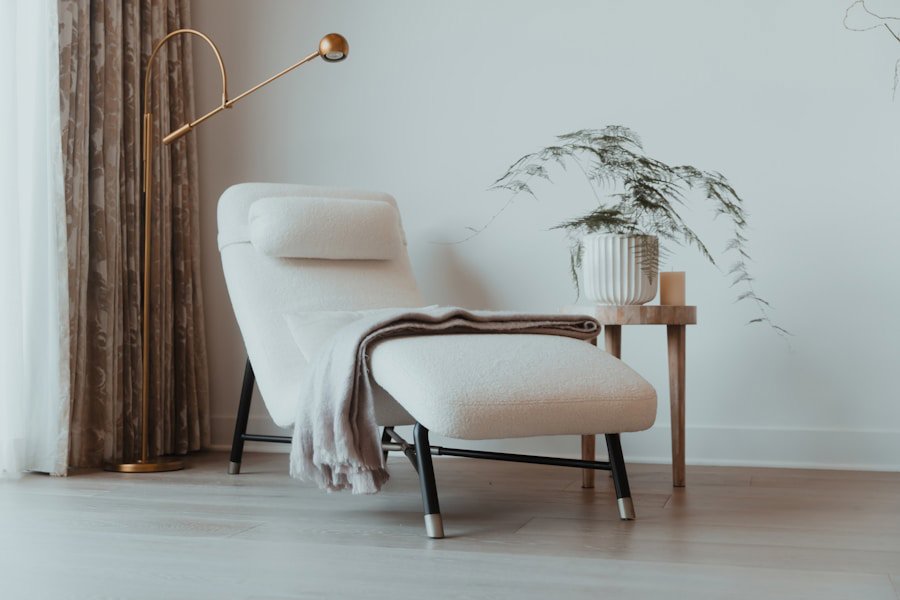
Photo by Oak + Motion on Unsplash
What Fabrics Work Best for Homes with Pets and Kids?
For homes with pets and kids, the top-performing upholstery fabrics are microfiber, performance velvet, vinyl, faux leather, and tightly woven chenille with a polyester base. Microfiber has a particularly tight weave, measured at around 200,000 fibers per square inch in quality versions, which makes it resistant to pet claws and liquid penetration.
Performance velvet is worth a closer look. Traditional velvet has a reputation for being high-maintenance, and honestly, that reputation was earned by older versions of the fabric. Modern performance velvet uses synthetic pile fibers that are moisture-resistant, easy to brush clean, and far more resilient than vintage velvet. It still looks luxurious but behaves like a practical fabric. Velvet really does get an unfair bad rap these days.
Faux leather and vinyl are the easiest fabrics to clean around pets, full stop. They don't trap pet hair the way woven fabrics do, and most spills wipe up with a damp cloth. The only real downside is that pet claws can eventually scratch the surface, so placement matters. A faux leather sofa in a room where your dog parks themselves all day will show scratches over time. A vinyl dining bench? Nearly indestructible.
Quick Tips and Troubleshooting
- If your fabric is pilling early, it's usually a sign the fiber content was lower quality or the rub count was too low for the traffic it's seeing. Use a fabric shaver to remove pills and consider slipcovers while you plan a reupholstery update.
- If your fabric is fading, especially near windows, you likely need a solution-dyed or UV-resistant fabric next time. This is especially relevant in summer when sunlight angles are stronger and longer.
- If you can't decide between two fabrics, default to the one with the higher double rub count for any piece that gets used daily. You can always add decorative pillows in a more delicate fabric to get the look you want without sacrificing the workhorse underneath.
- If you're reupholstering a piece yourself, add 20% extra yardage to your estimate for pattern matching and cutting errors. It's always cheaper to order a little extra upfront than to reorder from a dye lot that may have shifted.
- Stripes and geometric patterns can hide wear and minor staining better than solid fabrics because the pattern breaks up the visual surface. This is a genuinely useful trick for high-traffic sofas.
Frequently Asked Questions
Q: What is the minimum double rub count I should look for in a family room sofa?
For a family room sofa that gets daily use, look for a minimum of 30,000 double rubs. Fabrics rated at 30,000 to 50,000 double rubs are well-suited for heavy residential use, and anything above 100,000 is considered commercial-grade durability.
Q: Can I use velvet fabric in a high-traffic area?
Yes, if you choose performance velvet rather than traditional velvet. Performance velvet uses synthetic fibers that resist moisture and wear, with double rub counts often exceeding 30,000, making it practical enough for frequently used seating while still looking elegant.
Q: What upholstery fabric is easiest to clean for homes with pets?
Vinyl, faux leather, and microfiber are the easiest upholstery fabrics to clean in pet-friendly homes. Vinyl and faux leather wipe clean with a damp cloth and don't trap pet hair, while microfiber's tight weave resists liquid absorption and can be brushed or vacuumed to remove pet fur effectively.