
If you own a boat, a lake house, or a home within a few blocks of the ocean, you already know that the water gives and the water takes away. It's gorgeous out here in summer. It's also ruthless on furniture. Salt air, trapped humidity, direct sun, wet swimsuits on cushions, the occasional rogue wave, these are not problems your average living room fabric is built for. Choosing the right upholstery fabric for marine environments and waterfront homes isn't complicated, but it does require knowing which properties actually matter and which ones are just marketing language. This guide gives you exactly that, with specific fabric types, what to look for on product listings, and how to keep everything looking good through seasons of hard use.

Step-by-Step Instructions for Choosing Marine-Grade Upholstery Fabric
- Identify your specific environment first. A boat cabin that's out on open saltwater every weekend faces very different conditions than a waterfront home with screened porches. On a boat, you're dealing with direct salt spray, constant motion, bilge-related humidity, and fabrics that may get soaked and need to dry fast. At a coastal home, the threat is more ambient: salt air, high humidity, UV exposure through large windows or on covered decks. Know which category you're in before you shop, because it narrows your choices quickly.
- Prioritize solution-dyed fibers above everything else. Solution-dyed means the color is added to the fiber itself during manufacturing, not applied to the surface afterward. This is the single most important property for marine and coastal environments. Solution-dyed fibers resist UV fading at a dramatically higher rate than piece-dyed or yarn-dyed alternatives. Solution-dyed acrylic, in particular, is the industry standard for outdoor and marine upholstery because it holds color under direct sun, resists mildew, and can be cleaned with diluted bleach without damage. If a fabric listing doesn't specify solution-dyed, ask or assume it isn't.
- Check the double rub count for any fabric going on seating surfaces. Double rub count measures how many times a fabric can be rubbed back and forth before it shows wear, think of it as a friction endurance test. For marine environments, you want a minimum of 30,000 double rubs for cushions and seating. High-traffic boat benches and cockpit seats should be closer to 50,000 or above. Vinyl and solution-dyed acrylic fabrics routinely test at 100,000 double rubs or more, which is part of why they're the go-to choice for commercial marine applications.
- Choose vinyl or marine-grade vinyl for the toughest wet conditions. Vinyl is waterproof, not just water resistant. It doesn't absorb moisture, won't support mildew growth on its own, and can be wiped clean in seconds. Marine vinyl specifically is formulated with UV inhibitors and anti-fungal additives. It's what you see on most production powerboats and fishing vessels, and for good reason. The tradeoff is that plain vinyl can feel hot and sticky against bare skin in summer heat. Look for vinyl products with a breathable knit backing or a textured grain surface, which helps with airflow and comfort. Faux leather is a close cousin and works well for interior cabin applications where direct water exposure is less likely.
- Consider solution-dyed acrylic for waterfront home interiors and covered outdoor spaces. For a beach house sunroom, a porch with a roof overhead, or interior rooms in a coastal home, solution-dyed acrylic gives you the UV and mildew resistance you need without the plasticky feel of vinyl. Brands like Sunbrella (the category leader) produce solution-dyed acrylic that's soft enough to use on throw pillows and sofas, yet rated for outdoor use. Acrylic fabrics in this category typically carry a mildew resistance rating and can be spot-cleaned with a bleach-and-water solution (1 cup bleach per gallon of water) without color loss, something almost no other upholstery fabric can claim.
- Avoid these fabric types in true marine environments. Some fabrics are simply wrong for this application, no matter how good they look. Natural linen and untreated cotton absorb moisture readily and are highly susceptible to mildew growth. Standard velvet and chenille, beautiful indoors, will deteriorate quickly when exposed to humidity and salt air. Jacquard wovens with raised textures trap moisture and salt crystals in their weave, which accelerates fiber breakdown. Suede and faux suede are difficult to dry thoroughly and prone to mildew in humid conditions. Save these for inland rooms. At the coast, they need to stay well away from salt air and splash zones.
- Look for UV ratings and anti-microbial treatments on product spec sheets. A fabric rated for 500 hours or more of UV exposure (tested under AATCC Test Method 16) is what you want for direct sun applications. Anti-microbial treatments inhibit mold and mildew growth at the fiber level, which matters enormously in enclosed boat cabins where air circulation is limited. Many marine vinyl and solution-dyed acrylic products carry both ratings. When you're shopping online, look for these specifics in the product description or ask the retailer before you order. A fabric that looks great but has no UV or mildew rating is a season-one purchase at best.
- Select colors and patterns strategically for coastal settings. Light colors show salt residue and water spots more easily. Deep colors like navy, charcoal, and forest green hide day-to-day grime better on boats but can fade faster if the fabric isn't solution-dyed. For waterfront homes, the current trend in summer 2025 runs toward bleached neutrals, warm whites, sandy beiges, and natural-looking textures that echo the coastal palette without trying too hard. Stripes are perennially popular in nautical interiors and hold up well when printed or woven on solution-dyed base fabrics. Multi-colored patterns also do a great job of camouflaging the kind of light wear that's inevitable in a lived-in coastal home.
- Order samples before you commit to yardage. This is especially important for marine applications. A fabric can look perfect on a monitor but feel stiff, thin, or wrong for a boat cushion in real life. Order physical samples and do your own quick tests: sprinkle water on the surface and see how it beads or absorbs. Hold it up to a window and check how the color looks in bright light. Bend it and check for creasing. If you're recovering boat cushions, bring the sample to the boat and see how it looks against your existing hardware and trim.
- Work with enough fabric to account for pattern matching and cushion depth. Boat cushions are often thick, sometimes four to six inches of foam, and that depth eats yardage faster than you'd expect. A standard 54-inch wide upholstery fabric works well for most cushion applications, but measure all your cushion panels (top, bottom, and sides) before calculating yardage. Add 15 to 20 percent for error, seams, and any pattern repeat you need to match. Running short mid-project on a discontinued or limited marine fabric is a genuinely painful experience.
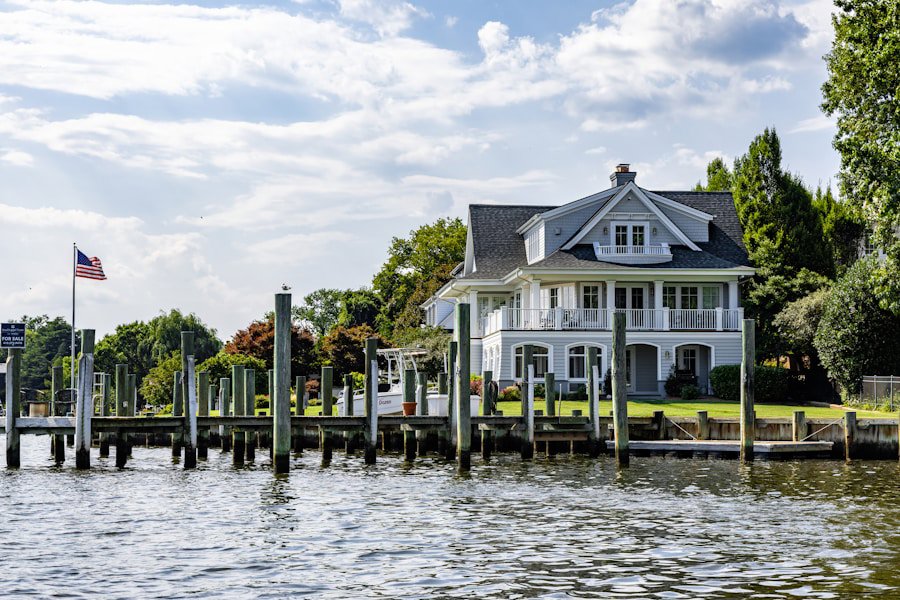
Photo by Jason Gooljar on Unsplash
What Is the Best Upholstery Fabric for Saltwater Environments?
Marine vinyl and solution-dyed acrylic are the two best upholstery fabrics for saltwater environments. Marine vinyl is fully waterproof, mildew-resistant, and rated for direct exposure to salt spray, making it ideal for boat seats and cockpit cushions. Solution-dyed acrylic is the better choice for interior cabin spaces and covered coastal porches, where the conditions are less extreme but UV exposure and humidity are still significant factors.
Here's the thing: no fabric is truly maintenance-free in a saltwater environment. Salt is corrosive and abrasive. It accumulates in fabric weaves and, over time, breaks down fibers even in high-performance materials. The practical solution is a regular rinse-down with fresh water, especially after being out on open water. For boat cushions, a monthly wipe-down with a diluted marine cleaner keeps salt crystals from embedding in the material. Solution-dyed acrylic specifically is engineered to tolerate bleach-based cleaning solutions without color degradation, which gives it a real advantage in mold-prone environments.
How Do You Prevent Mildew on Boat Cabin Upholstery?
The most effective way to prevent mildew on boat cabin upholstery is to choose fabrics with built-in anti-microbial treatment and ensure the cabin has adequate ventilation when the boat is not in use. Mildew doesn't grow on the fabric itself as much as it grows on the organic material (skin cells, food residue, moisture) that accumulates in and on the fabric surface.
Beyond fabric selection, here are the practical habits that make the biggest difference:
- Never close up a boat with wet cushions inside. Prop cushions upright or remove them entirely if you know you'll be docked for a while.
- Use a moisture absorber like DampRid in the cabin during storage periods.
- Clean spills and body oils immediately with a mild soap solution. Oils left on vinyl actually degrade the plasticizers in the material over time.
- At the start of each summer season, treat fabric cushions with a fabric guard product rated for marine use. This adds a temporary hydrophobic barrier that buys you time when things get wet.
- For solution-dyed acrylic, a diluted bleach solution (one cup bleach to one gallon of water) kills mildew spores on contact and won't harm the fabric's color or integrity.
Honestly, the biggest mildew mistake people make is buying a beautiful interior fabric because it "looks coastal" and putting it in a closed boat cabin. Natural fibers and standard decorative fabrics don't have the mildew resistance built in. They'll look great for about a month and then go downhill fast.
Maintenance Tips for Coastal and Marine Upholstery
A little regular care goes a long way when you're dealing with marine environments. These habits will extend the life of your upholstery significantly:
- Rinse with fresh water after saltwater exposure. Salt is the enemy of everything on a boat. A quick rinse after each outing removes surface salt before it has a chance to crystallize and work into the fabric.
- Use a UV protectant spray on vinyl surfaces. Even UV-stabilized marine vinyl benefits from a surface protectant applied a few times per season. It slows surface oxidation and keeps the material supple.
- Store cushions indoors or under covers during off-season. Prolonged exposure to winter UV and freeze-thaw cycles is hard on any material. Even the best marine fabric will last longer with proper off-season storage.
- Avoid petroleum-based cleaners on vinyl. They break down the plasticizers that keep vinyl flexible, leading to cracking. Stick to marine-specific vinyl cleaners or mild soap and water.
- Address mildew spots immediately. A small spot of mildew treated quickly with a bleach solution is a five-minute problem. Left alone, it spreads and becomes a replacement job.
Frequently Asked Questions
Q: Can I use regular indoor upholstery fabric on a boat?You can, but it won't last. Regular indoor fabrics like linen, cotton, standard velvet, and untreated chenille absorb moisture, support mildew growth, and fade quickly under UV exposure. For any boat application or saltwater-adjacent environment, you need fabrics specifically rated for moisture and UV resistance, like marine vinyl or solution-dyed acrylic.
Q: What fabric is best for boat seat cushions?Marine-grade vinyl is the top choice for boat seat cushions that face direct water exposure and heavy use. It's waterproof, easy to clean, mildew-resistant, and typically rated at 100,000 double rubs or more for abrasion resistance. For interior cabin cushions with less direct exposure, solution-dyed acrylic offers a softer feel with similar mildew and UV resistance.
Q: How do I clean mildew off marine upholstery fabric?For solution-dyed acrylic and most marine vinyl, mix one cup of bleach with one gallon of water, apply it to the affected area, let it sit for a few minutes, scrub lightly with a soft brush, and rinse thoroughly with clean water. This solution kills mildew spores and is safe for solution-dyed fibers. Always test on a small hidden area first, and avoid bleach on fabrics that are not rated for it.