
If you've got a covered deck or pergola, you already know the struggle. It's not a sunroom. It's not an open patio baking in the July heat. It's somewhere in between, and that means most fabric advice out there doesn't quite fit. Full outdoor fabrics can look and feel like a pool chair. But standard indoor upholstery fabric? That can start to fade, mold, or just feel sad after one humid summer. This guide walks you through how to choose upholstery fabric for covered decks and pergolas specifically, so you get something that looks good, lasts through the seasons, and doesn't feel like a compromise.
Why Covered Decks and Pergolas Are a Different Fabric Problem
Covered outdoor spaces block direct rainfall and most harsh UV exposure, but they still deal with humidity, indirect sun, the occasional splash, and everything your kids and pets bring with them. That puts them in a category where you need more than basic indoor fabric performance, but you don't need the extreme specs of fully weatherproof material.
Standard indoor upholstery fabric typically isn't treated for moisture resistance or UV stability. Leave it outside for a summer and you're likely to see fading, mildew along the seams, or fabric that just starts to feel damp and stale. On the other end, full outdoor fabrics like marine-grade vinyl or heavily coated acrylics are built for rain, direct sun, and pool splashes. They're tough, but they often sacrifice softness, visual warmth, and the kind of texture that makes a space feel like an extension of your home rather than a furniture showroom at a hardware store.
The sweet spot for covered decks and pergolas is fabric that has genuine moisture resistance, reasonable UV stability, and enough durability to handle real life, without giving up on aesthetics or comfort.
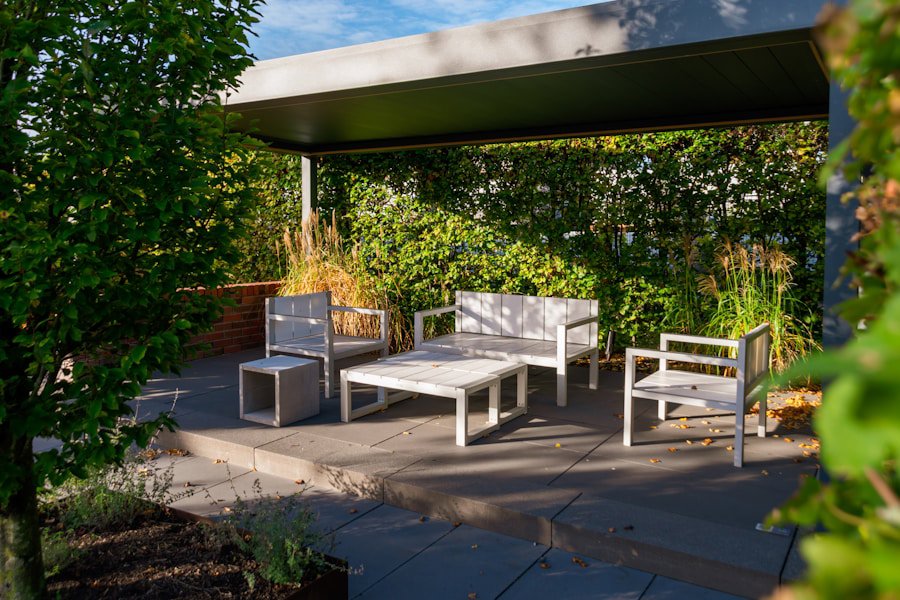
Photo by Sergej ***** on Unsplash
Step-by-Step Instructions
- Assess your actual exposure level. Before you buy anything, spend a few minutes thinking about what your space actually faces. Does afternoon sun angle in under your pergola for a few hours? Does the deck catch wind-driven rain? Is there a hot tub or pool nearby creating constant humidity? A shaded pergola with solid roof panels is very different from a slatted pergola that gets dappled sun all day. Your answers will tell you how much weather performance you actually need, and keep you from overspending on specs you'll never use.
- Prioritize fabrics with solution-dyed fibers. Solution-dyed means the color is added to the fiber itself during manufacturing, not applied as a surface dye afterward. This matters because surface dyes fade when UV rays break down the outer layer of the fiber. With solution-dyed fabric, the color runs all the way through, so it holds up significantly better under indirect sun exposure. Solution-dyed acrylic, in particular, is well-regarded for UV and moisture resistance, and it's one of the best choices for semi-exposed spaces like pergolas.
- Check the double rub count for your use case. Double rub count measures abrasion resistance, basically how many times a fabric can be rubbed back and forth before it starts to break down. One "double rub" equals one back-and-forth cycle. For covered outdoor seating that gets regular family use, look for a minimum of 30,000 double rubs. Fabrics rated at 50,000 or higher are genuinely worth it for cushions and seats that take daily wear. This number is usually listed in the product specs, and it's one of the most honest indicators of how long a fabric will hold up.
- Look for moisture and mildew resistance, not just water repellency. Water repellency means liquid beads up on the surface. Moisture resistance means the fabric itself doesn't absorb and hold water in its fibers. For a covered deck, you want both if you can get them. Mildew resistance is especially important in humid climates or spaces that don't get strong airflow. Look for fabrics that are labeled mildew-resistant or treated with a fungal inhibitor. Vinyl and faux leather are naturally non-porous, which makes them excellent here. Chenille and woven textiles can work too, provided they've been treated or are made with synthetic fibers that don't trap moisture.
- Match the fabric weight to your furniture type. Lighter-weight fabrics work fine for throw pillow covers and decorative cushion wraps, but seat cushions and chair backs that take full body weight need something with more structure. A heavier woven fabric or a fabric with a backing layer will hold its shape better over time and resist sagging. If you're reupholstering a sofa or sectional for a covered porch, aim for fabrics with a stable weave and a backing that keeps the face fabric from stretching under stress.
- Think about texture and how it reads indoors and out. One of the best things about covered decks and pergolas is that they can actually look like a real room. You don't have to default to solid colors and plain weaves. Jacquard patterns, boucle textures, and even velvet-look fabrics can work beautifully in a covered outdoor space, especially in summer when you want the space to feel inviting. The key is choosing versions of those textures made with synthetic or blended fibers that handle humidity, rather than purely natural fibers like untreated cotton or linen that absorb moisture easily.
- Choose colors that can handle indirect UV exposure gracefully. Light colors like cream, beige, and white show dirt faster but tend to fade less noticeably because there's less pigment to lose. Deep saturated colors like navy, forest green, and burgundy can fade to a washed-out version of themselves if the fabric isn't UV-stable. Mid-range tones and earthy neutrals, like warm grey, terracotta, or dusty blue, tend to age the most gracefully if you're working with a fabric that has moderate rather than maximum UV protection. Honest advice: if you love a bold color, make sure the fabric is solution-dyed or has a verified UV rating before you commit.
- Test your cleaning plan before you buy. Covered deck furniture gets dirty in specific ways: sunscreen, food, pet hair, humidity-related surface grime. Before you finalize a fabric choice, confirm it can be spot-cleaned with a mild soap and water solution, and check whether the manufacturer recommends anything specific. Fabrics with a tight weave or smooth surface are much easier to wipe down than heavily textured or looped fabrics like boucle, which can trap debris. If you have kids or pets, this step isn't optional.
- Consider a fabric backing or liner for added longevity. If you're having cushions made or reupholstering a piece yourself, adding a moisture-barrier lining between the fabric face and the foam core adds real protection. This prevents moisture that does get through the fabric from soaking into the cushion foam, which is where mildew problems usually start. It's a small addition that extends the life of your cushions noticeably, especially in humid regions.
- Order samples before committing to yardage. Colors read very differently in outdoor light versus indoor lighting, and textures feel different in person than they look on a screen. Order samples of your top two or three choices and live with them in the actual space for a day or two. Hold them up against your furniture, your flooring, your siding. It takes the guesswork out and saves you from a yardage purchase you'll regret. Most fabric retailers, including famcorfabrics.com, offer samples for exactly this reason.
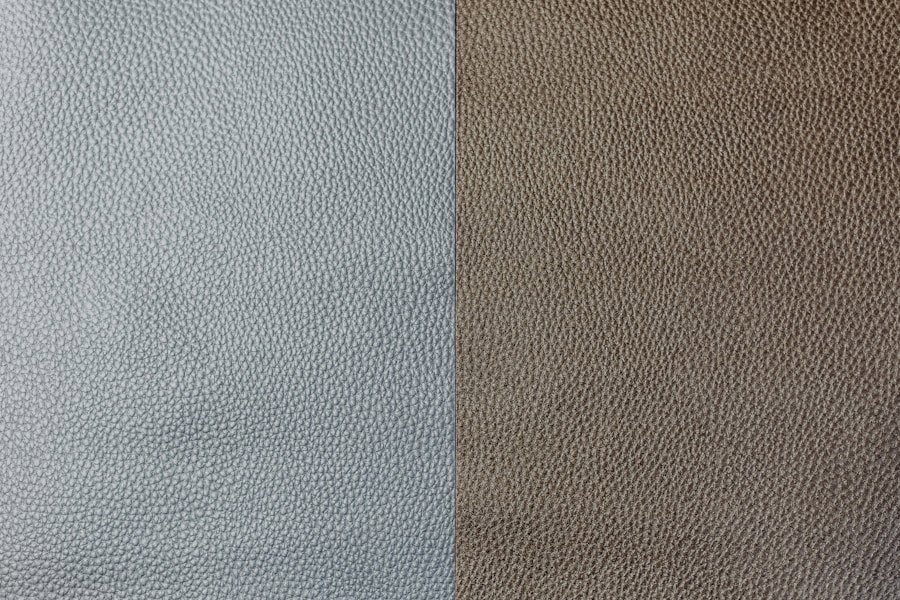
Photo by Kelly Sikkema on Unsplash
What Are the Best Fabric Types for Covered Decks and Pergolas?
The best fabrics for covered decks and pergolas are solution-dyed synthetics and treated blends that combine aesthetic appeal with practical moisture and UV resistance. Here's a quick breakdown of strong contenders.
Faux leather and vinyl are genuinely hard to beat for covered outdoor seating. They're non-porous, easy to wipe clean, resistant to mildew, and they hold their color well. Modern faux leather has come a long way from the stiff, crinkly material it used to be. Today's versions can look genuinely elegant. The tradeoff is that they can feel warm in direct sun, so they're best for shaded pergolas or morning-use spaces.
Chenille gets overlooked for semi-outdoor use, and honestly, it shouldn't. When made with synthetic fibers and treated for moisture resistance, chenille delivers that soft, textured look that makes a covered deck feel like a real living room. It's warm, it's visually rich, and it performs surprisingly well when you choose the right version of it. Aim for chenille with a synthetic or blended fiber content and a tight, dense weave.
Jacquard wovens add pattern and visual interest without requiring printed surface dyes that fade. Because the pattern is woven into the structure of the fabric, it holds up better under UV exposure. Jacquard fabrics with polyester or acrylic content are particularly good for pergola cushions and covered porch chairs.
Woven polyester blends offer the best value-to-durability ratio for most homeowners. A quality woven polyester fabric can achieve 50,000 or more double rubs, resists moisture absorption better than natural fibers, and is available in a wide range of colors and textures. Polyester is also typically more affordable than solution-dyed acrylic while still performing well in semi-exposed conditions.
Linen-look synthetics are worth mentioning here because they bridge the aesthetic gap perfectly. If you love the relaxed, natural look of linen for a summer space but don't want the maintenance of real linen (which stains, wrinkles, and absorbs moisture freely), a synthetic linen-look fabric gives you the visual without the vulnerability.
What Should You Avoid for Covered Outdoor Spaces?
Avoid 100% natural fiber fabrics without any treatment or protective finish for covered outdoor use. Pure cotton, untreated linen, and natural wool absorb moisture readily, take a long time to dry, and are prone to mildew in humid environments. They can look beautiful initially, but they'll show the effects of a summer outdoors faster than you'd expect.
Also avoid loosely woven fabrics with large gaps in the structure. Open weaves allow moisture to pass straight through to cushion foam and don't provide much protection against surface soiling. They can also snag easily, which is a real problem if you have pets.
Heavily embellished fabrics with decorative stitching, beading, or embroidery are better kept indoors. The details that make them beautiful are exactly the places where moisture collects and mildew starts.
Tips and Troubleshooting
- If your covered space gets afternoon sun angles: Prioritize UV resistance over everything else. Even indirect UV exposure adds up over a summer. Solution-dyed acrylic or polyester is your best bet.
- If you're in a humid climate: Focus on mildew resistance and airflow. Choose fabrics that dry quickly and consider adding a moisture-barrier lining to any cushion construction.
- If your pergola has open slats: Treat your fabric choice closer to a full outdoor spec. Dappled sun through open slats is still direct UV exposure, just intermittent.
- If you want a cohesive indoor-outdoor look: Pick a fabric color or texture from your interior palette and find it in a performance-grade version. The visual continuity between inside and outside makes both spaces feel larger and more intentional.
- If a fabric gets mildew: Clean it promptly with a diluted white vinegar or mild bleach solution appropriate for the fiber type. Check the care label first. Letting mildew sit weakens the fiber structure over time.
Frequently Asked Questions
Q: Can I use regular indoor upholstery fabric on a covered porch or pergola?Standard indoor upholstery fabric isn't recommended for covered outdoor spaces. Even without direct rain exposure, humidity, indirect UV rays, and temperature swings can cause untreated indoor fabric to fade, mildew, or deteriorate within a single season. You don't need full outdoor-grade fabric, but you do need something with moisture resistance and UV stability built into the fiber or applied as a durable finish.
Q: What double rub count do I need for covered outdoor furniture?For covered outdoor seating with regular use, look for a minimum of 30,000 double rubs. A double rub count measures how many back-and-forth abrasion cycles a fabric can withstand before showing wear. For high-traffic seating like a main sofa or dining chairs, 50,000 double rubs or higher gives you noticeably better longevity, especially for families with kids or pets.
Q: Is faux leather a good choice for a covered deck?Faux leather is one of the better choices for a covered deck. It's non-porous, so moisture doesn't penetrate the surface, it resists mildew, and it's easy to wipe clean. Modern faux leather is also much softer and more realistic-looking than older versions. The main limitation is heat retention in direct or angled sun, so it performs best in well-shaded pergolas or spaces used primarily in the morning or evening.