
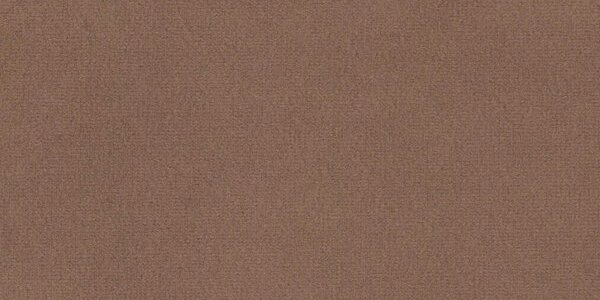
How to Choose Upholstery Fabric for Covered Patios and Semi-Outdoor Spaces (Without Going Full Outdoor Grade)
Covered patios, screened porches, sunrooms, and pergola seating areas all share the same frustrating problem: they're sheltered enough that you want real furniture with real upholstery, but exposed enough that standard indoor fabric takes a beating fast. Choosing the right upholstery fabric for covered patios and semi-outdoor spaces means finding materials that resist UV fading and moisture without defaulting to the stiff, plasticky fabrics that scream "pool deck." This guide walks you through how to do exactly that, step by step, so you can furnish your in-between space with something that looks great and actually lasts through summer and beyond.
Photo by Blake Wisz on Unsplash
Step-by-Step Instructions
- Assess your actual exposure level before buying anything. Not all covered spaces are equal. A fully enclosed sunroom with glass panels is a very different environment from an open pergola with a shade sail overhead. Spend a morning outside and note where direct sun hits, where moisture collects after rain, and whether you get condensation on surfaces. The more exposure you have, the more seriously you need to treat UV resistance and moisture repellency in your fabric choice. This step saves you from picking a fabric that sounds good on paper but fails in your specific setup.
- Understand what makes a fabric semi-outdoor appropriate. Full outdoor fabrics are typically made from solution-dyed acrylic, which means the color is baked into the fiber during manufacturing rather than applied on top. That's why brands like Sunbrella are so UV-stable. But solution-dyed acrylic can feel stiff and look utilitarian. For covered patios with moderate exposure, you have more flexibility. What you're looking for instead are fabrics with tight weave structures, synthetic or synthetic-blend fiber content, and ideally a finish treatment that adds moisture and stain resistance. You don't need a Sunbrella-grade spec sheet. You need something smarter than plain linen.
- Prioritize fabrics with high double rub counts. A double rub count measures abrasion resistance: one "double rub" is one back-and-forth motion across the fabric surface, simulating wear. Residential upholstery generally starts at 15,000 double rubs, but for semi-outdoor furniture that gets heavy summer use, look for 30,000 or higher. Vinyl and faux leather fabrics frequently exceed 100,000 double rubs, making them some of the most durable options available. Woven synthetics like jacquard and chenille blends with polyester content also tend to score well in the 30,000 to 50,000 range. That matters a lot when your patio furniture doubles as overflow seating for every summer cookout.
- Choose vinyl or faux leather for maximum moisture resistance. Honestly, vinyl gets underestimated. Modern upholstery-grade vinyl is soft, flexible, and available in textures that look genuinely sophisticated, nothing like the crinkly stuff from the 1970s. Vinyl and faux leather are non-porous, which means moisture, spills, and even light rain can't penetrate the surface. They wipe clean with a damp cloth. For semi-outdoor spaces that see humidity, occasional splash-over from a nearby pool, or morning condensation, these fabrics are extremely practical. The one thing to watch: in very high heat with direct sun, vinyl can get uncomfortably warm to sit on. A covered space mitigates this, but keep it in mind if your pergola lets through afternoon rays.
- Consider solution-dyed or pigment-printed polyester weaves as a middle ground. Polyester as a fiber is naturally more UV-resistant than cotton or linen because it doesn't absorb moisture and the fiber structure is more stable under light exposure. A tightly woven polyester blend, especially one labeled as solution-dyed or fade-resistant, can hold its color significantly longer than a cotton print in the same semi-outdoor conditions. Polyester-based jacquard and woven fabrics bring real visual interest and pattern depth while offering better performance than natural fibers in these environments. They're also easier to clean, which matters when summer entertaining gets messy.
- Look at chenille and velvet blends with synthetic content for shade-dominant spaces. If your covered patio or sunroom gets very little direct sun and moisture is your main concern rather than UV, chenille and velvet blends with high polyester content are genuinely worth considering. Chenille is criminally underrated for durability. Its looped fiber structure gives it a thick, plush feel while polyester-content blends resist moisture better than pure cotton chenille. Velvet gets a bad rap for being delicate, but performance velvet made with synthetic fibers can handle real-world use surprisingly well. These fabrics aren't for open pergolas in a rainy climate. In a shaded, enclosed porch or sunroom? They're a smart, stylish call.
- Apply a fabric protector spray as a finishing layer. Even the right fabric benefits from a protector treatment. A silicone-based or fluoropolymer fabric protector creates a hydrophobic barrier on the fiber surface that causes liquids to bead and roll off rather than absorb. Products like Scotchgard or similar upholstery protectors add meaningful moisture and stain resistance to woven fabrics that weren't designed with outdoor use in mind. Reapply every season or after cleaning. This single step can significantly extend the life of a polyester blend, jacquard, or even a treated linen in a low-exposure semi-outdoor space. Think of it as sunscreen for your sofa.
- Match your color choice to your UV exposure reality. Darker colors absorb more UV energy and can show fading more dramatically over time than lighter shades. For semi-outdoor spaces with even moderate sun exposure, mid-tones and lighter neutrals like cream, beige, and grey tend to age more gracefully. That said, if you're committed to a deep navy or forest green, make sure the fabric has confirmed fade-resistant properties and apply a UV-protective fabric spray in addition to your moisture protector. Solution-dyed fabrics, again, are your best friends here because the color goes all the way through the fiber rather than sitting on the surface.
- Plan for cleaning before you buy. Semi-outdoor fabrics need regular cleaning. Pollen, dust, humidity, and general summer grime accumulate fast. Before committing to any fabric, check the cleaning code on the label: W means water-based cleaners are safe, S means solvent-only, WS means both work, and X means vacuuming only. For covered patio use, W or WS codes are most practical because you can spot-clean with mild soap and water without worrying about damaging the fiber. Vinyl and faux leather skip all that complexity since they wipe clean with almost anything mild.
- Order samples and test them in your actual space. This step sounds obvious, but it's skipped constantly. Fabric colors shift dramatically between a screen, a swatch card, and natural light in your specific patio environment. Order physical samples of your top two or three choices, take them outside to your covered space at different times of day, hold them against your existing furniture and flooring, and live with them for a day or two. Semi-outdoor spaces often have different ambient light than interior rooms, and what looks warm and inviting inside might look washed out under a white pergola ceiling in full afternoon shade.
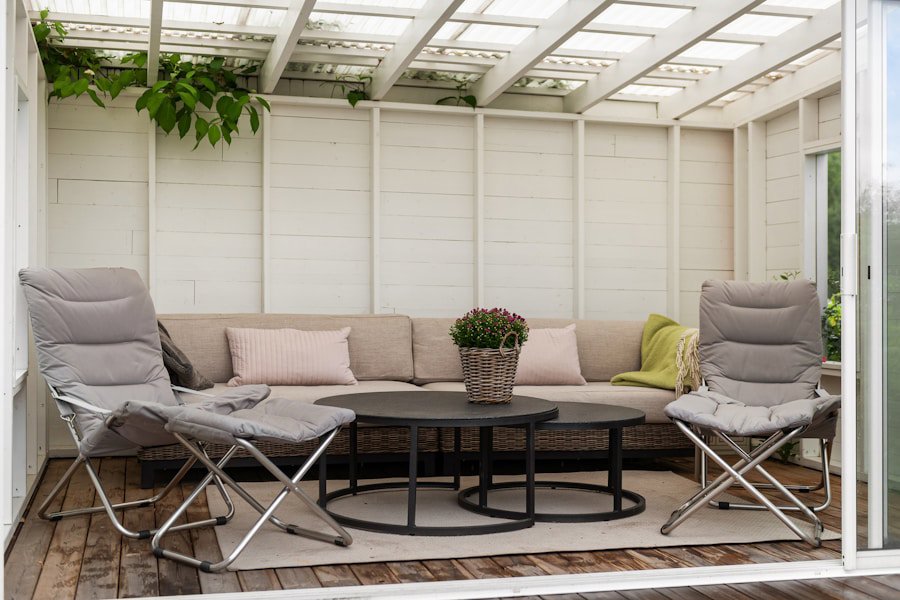
Photo by Alex Tyson on Unsplash
What Are the Best Fabric Types for Covered Patios That Aren't Full Outdoor Grade?
Vinyl, faux leather, and high-polyester woven fabrics are the strongest performers for semi-outdoor spaces that need moisture and UV resistance without full outdoor-grade construction. Vinyl and faux leather offer non-porous surfaces with double rub counts frequently exceeding 100,000, making them nearly impervious to moisture and wear. Polyester-blend jacquards and woven fabrics with solution-dyed or fade-resistant finishes sit just behind them in performance while offering much more visual variety and a softer hand feel. For spaces with minimal sun exposure, synthetic-content chenille and performance velvet round out the options nicely.
The key principle here is fiber content plus weave structure plus finish treatment. A tightly woven, high-polyester fabric with a stain-resistant finish will consistently outperform a loosely woven natural fiber, even if both carry similar marketing language. Look at the fiber content label, not just the product name.
Which Fabric Colors and Patterns Hold Up Best in Semi-Outdoor Conditions?
Mid-tone and lighter solid colors in synthetic fibers show the least visible fading over a summer season of semi-outdoor use. Solid fabrics in beige, grey, cream, and soft blue tones are particularly forgiving because minor fading is less dramatic and easier to manage with periodic protector reapplication. Stripes and geometric patterns in solution-dyed polyester hold their contrast well over time because the color consistency runs through the fiber rather than sitting on the surface. Busy multi-colored prints on natural fiber bases tend to show fading first in the highest-contrast areas, making them higher-maintenance choices for sun-adjacent spaces. Practically speaking, a solid or simply patterned synthetic fabric will look better longer with less effort than a printed cotton in the same environment.
Quick Troubleshooting Tips
- Fabric feels damp or smells musty after rain: Your space has more moisture exposure than expected. Switch to vinyl or faux leather, or add a furniture cover for overnight and rainy periods. Increase airflow if possible.
- Colors fading faster than expected: Check whether the fabric is solution-dyed or surface-printed. Surface-printed fabrics fade much faster under UV exposure. Apply a UV-blocking fabric spray and add window film or shade screening to reduce direct light.
- Fabric attracting mildew: Natural fibers trap moisture and are mildew magnets in humid semi-outdoor conditions. Treat immediately with a diluted white vinegar solution, dry thoroughly, and consider reupholstering with a synthetic blend going forward.
- Fabric looks great indoors but washed out outside: Your patio's ambient light is cooler or brighter than your interior. Order new samples and evaluate them specifically in that space before reordering. Warmer-toned fabrics in the gold, terracotta, or warm grey range often read better under cool outdoor shade light.
- Pilling on woven fabrics: This happens most with loosely spun natural or blended fibers under friction. A fabric shaver handles it short-term, but for a semi-outdoor space, choose a tighter weave with higher synthetic content to prevent the problem at the source.
Frequently Asked Questions
Q: Can I use regular indoor upholstery fabric on a covered patio?You can use certain indoor upholstery fabrics on covered patios if they have high synthetic fiber content, tight weave construction, and a stain or moisture-resistant finish applied. Vinyl, faux leather, and polyester-blend woven fabrics are the strongest choices. Pure cotton, linen, or loosely woven natural fiber fabrics will degrade quickly from humidity and UV exposure even in a shaded semi-outdoor space, so those are best kept indoors.
Q: How do I know if an upholstery fabric is UV resistant?Look for fabrics labeled as solution-dyed, fade-resistant, or made with solution-dyed acrylic or high-content polyester fiber. Solution-dyed means the color is embedded into the fiber during manufacturing rather than applied on the surface, which makes it significantly more resistant to UV fading. You can also apply a UV-protective fabric spray to boost resistance on fabrics that don't carry that designation from the manufacturer.
Q: What is the easiest upholstery fabric to clean on a patio or porch?Vinyl and faux leather are the easiest upholstery fabrics to clean in semi-outdoor spaces because their non-porous surfaces wipe down with a damp cloth and mild soap. Among woven fabrics, polyester-blend options with a W or WS cleaning code are the most practical because they tolerate water-based spot cleaning without fiber damage. Always check the cleaning code label before purchasing if easy maintenance is a priority.