
Choosing upholstery fabric for furniture that lives in direct sunlight is one of those decisions that really pays off when you get it right, and really stings when you don't. A sofa that fades to a sad, washed-out version of itself within one summer is nobody's idea of a good investment. This guide walks you through how to choose upholstery fabric for furniture in direct sunlight, so you end up with something that stays beautiful and comfortable through peak summer heat and every season after it.
Step-by-Step Instructions
- Assess how much direct sun your furniture actually gets. Before you shop, spend a Saturday morning watching where the sun hits. Morning light, afternoon glare, and south-facing windows all behave differently. Furniture that catches three or four hours of direct sun daily needs serious UV protection. Anything getting six or more hours is a job for purpose-built, high-performance fabric. Knowing this upfront narrows your options fast and saves you from a fabric that was never built for the job.
- Prioritize solution-dyed fibers above almost everything else. Solution-dyed acrylic is the gold standard for sun-exposed upholstery. In solution-dyeing, the color is locked into the fiber before it's even formed, not applied to the surface afterward. That means UV rays have nowhere to attack the pigment. Solution-dyed acrylic fabrics typically retain color for five or more years of direct outdoor or bright indoor exposure. If a fabric label doesn't mention solution-dyed construction, assume it will fade faster than you'd like.
- Check the double rub count before you commit. A double rub count measures how many back-and-forth abrasion cycles a fabric can handle before it starts to break down. Think of it as a wear test. For a sunny living room sofa, you want a minimum of 15,000 double rubs. For high-traffic spots with kids or pets, aim for 30,000 or higher. Heavy-duty performance fabrics often hit 100,000 double rubs or more. This number is one of the most reliable indicators of how long your fabric will actually last in real life.
- Choose lighter or medium-toned colors strategically. Dark fabrics absorb more heat, which makes sitting on a black or deep navy sofa in direct summer sun genuinely uncomfortable. Lighter colors in beige, cream, soft grey, or warm white reflect heat rather than trapping it, so the seat stays cooler. That said, you don't have to go all-white to stay cool. Medium tones like warm blue, sage green, or terracotta can work beautifully and still perform well thermally. The key is pairing a smart color choice with the right fiber, not sacrificing one for the other.
- Match the fabric type to your lifestyle, not just your aesthetic. A fabric can be UV-resistant and still be completely wrong for your home if you have a dog who treats the sofa like a communal bed. Here's the thing: for sun-exposed furniture in active households, you want fabric that checks multiple boxes at once. Performance weaves, vinyl, faux leather, and tightly woven chenille all offer different combinations of durability, cleanability, and comfort. Pick the one that fits how you actually live, not just how the room looks in a photo.
- Consider the weave structure and fabric weight. Tightly woven fabrics hold up to sun stress better than loose or open weaves. A tight plain weave or twill construction physically blocks more UV penetration than something gauzy or loosely textured. Fabric weight matters too. Heavier fabrics in the 12 to 15 ounce per yard range tend to be more dimensionally stable under repeated heating and cooling cycles, which is exactly what direct sunlight puts fabric through every single day.
- Test cleanability before you buy, especially for summer. Summer means more time spent at home, more foot traffic through the living room, more sunscreen and popsicles near the couch. Fabrics that can be spot-cleaned with a damp cloth or mild soap are a practical necessity. Look for fabrics labeled W (water-based cleaning), S/W (both solvent and water), or check for antimicrobial or stain-resistant finishes. Avoid dry-clean-only fabrics for any furniture that sees daily family use.
- Look at UV inhibitor ratings or certifications if available. Some performance fabrics carry certifications like OEKO-TEX or are rated for a specific number of hours of UV exposure before fading. These aren't always listed on every product page, but they're worth asking about. A fabric rated for 500 to 1,000 hours of UV exposure is a meaningful spec for sunny rooms. If the retailer can't tell you anything about UV performance, that's information too.
- Select a fabric that suits the room's current aesthetic, not just the function. Practicality doesn't have to mean boring. Performance wovens now come in beautiful textures, subtle stripes, warm neutrals, and even floral patterns. The days of sun-safe fabric meaning stiff outdoor canvas are genuinely over. Linen-look performance weaves, textured jacquards, and even indoor-outdoor boucle styles give you the look of a styled living room with the durability of a fabric built for real life.
- Order samples before purchasing and test them in your actual room. A swatch in direct sunlight for a week or two will tell you more than any product photo ever could. Tape a few samples to the arm or back of your existing furniture in the sunniest spot and see how the color holds, how the texture feels in the heat, and whether you still love it after living with it for a few days. It's a small step that prevents a very expensive mistake.
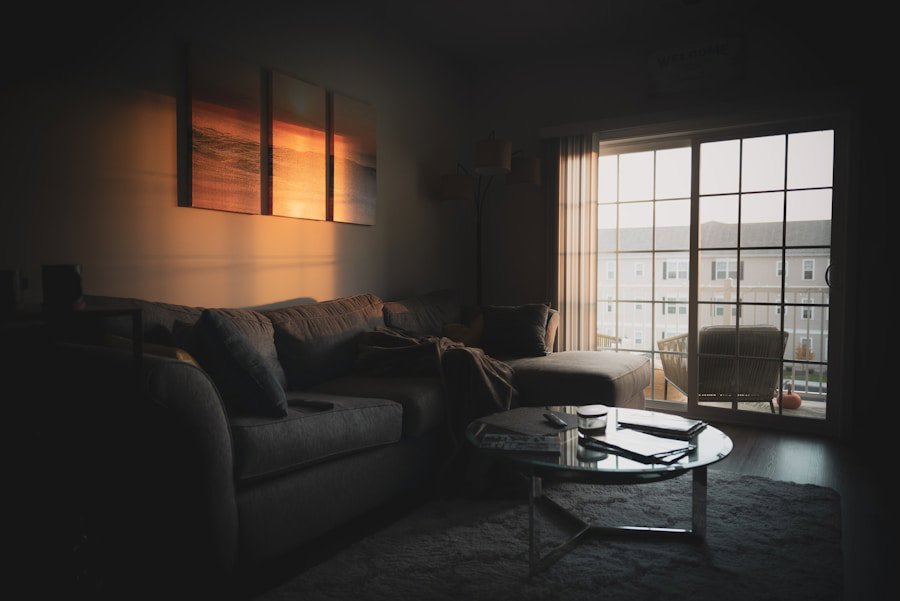
Photo by Christian Lambert on Unsplash
What Is the Best Upholstery Fabric for Direct Sunlight?
Solution-dyed acrylic is the single best upholstery fabric for furniture in direct sunlight. It resists UV fading longer than virtually any other fiber type because the color is part of the fiber itself, not a surface treatment that breaks down over time.
That said, there are other solid performers worth knowing. Polyester and polypropylene fabrics often carry UV inhibitors and can do well in bright indoor conditions, particularly when woven tightly. High-performance vinyl and faux leather fabrics designed for indoor-outdoor use are also excellent choices because they don't fade or absorb moisture, though they can feel warmer to the touch in high heat. For a more natural look, tightly woven linen-polyester blends offer good UV resistance with a casual, lived-in texture that's very popular in summer home decor right now. The honest truth is that any fabric in sustained direct sunlight will eventually show wear. The goal is to choose one where "eventually" means years, not months.
Which Fabric Types Should You Avoid Putting in Direct Sunlight?
Silk, untreated cotton, and rayon are the three biggest risks for sun-exposed upholstery. These fibers degrade and fade significantly faster than synthetics or treated blends when exposed to consistent UV light.
Silk breaks down at the fiber level under UV exposure, a process called photodegradation, and it can become brittle and split along seam lines within a single season of sun exposure. Untreated cotton fades reliably and often unevenly, meaning you'll see lighter patches where the sun hits hardest. Rayon is similarly vulnerable and adds the complication of being difficult to clean. Velvet gets a bad rap for sun exposure, but the real issue is fiber type, not the pile construction. A solution-dyed synthetic velvet can actually hold up reasonably well. A silk or rayon velvet? Keep it far from the windows.
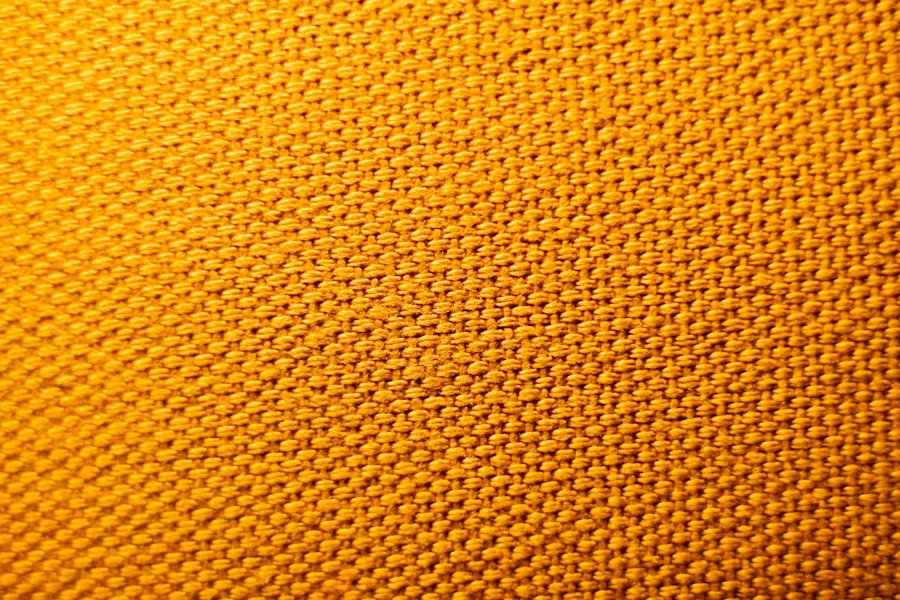
Photo by Marcus Urbenz on Unsplash
Smart Fabric Picks by Category for Sun-Exposed Rooms
If you're shopping by category, here's where to focus your energy for sunny rooms this summer.
Performance Wovens and Jacquards: Woven fabrics with tight construction and synthetic fiber content are reliable for sun exposure. Jacquard weaves add visual texture and pattern without sacrificing durability. Look for jacquards in polyester or acrylic blends with a double rub count above 30,000.
Faux Leather and Vinyl: These are among the most fade-resistant options available because there's no dye applied to a loose fiber structure. Quality vinyl and faux leather made for upholstery use are also easy to wipe clean, which is a genuine advantage in summer. The tradeoff is heat retention, so pair these with good room ventilation or use them in rooms with indirect afternoon light.
Chenille: Honestly, chenille is criminally underrated for living rooms. A tightly constructed polyester chenille can hit 50,000 or more double rubs, feels soft underfoot, and comes in a wide range of colors including neutrals that work well in bright rooms. It's not the first fabric people think of for sun-exposed spaces, but it should be.
Solid and Stripe Patterns in Performance Fabric: Solid-colored fabrics in medium tones are practical for sunny rooms because any uneven fading is more visible on multi-tonal or detailed patterns. Stripes in performance weaves are a smart choice because the repeat pattern camouflages minor wear over time.
Tips and Troubleshooting
- Add UV-filtering window film. Even the most durable fabric will last longer with less direct UV exposure. Window film is a low-cost addition that can cut UV penetration by up to 99% without significantly darkening a room.
- Rotate cushions regularly. If one side of your sofa gets more sun, flipping and rotating cushions every few months evens out wear and extends the life of the fabric significantly.
- Don't overlook arm caps and throw blankets. The areas of a sofa that get the most sun and friction are usually the arms and headrest zones. Protecting those with removable covers buys your fabric years of extra life.
- If your fabric is already fading unevenly, a slipcover in a performance fabric is often a smarter fix than a full reupholster. It's faster, more affordable, and lets you swap looks seasonally.
- When in doubt, go lighter. In a sun-drenched room, a fabric that reads as "close to white" will hide fading far longer than a bold or dark color. A warm cream or soft natural linen tone can look intentional even as it ages.
Frequently Asked Questions
Q: What upholstery fabric is most resistant to fading in sunlight?
Solution-dyed acrylic is the most fade-resistant upholstery fabric for direct sunlight. Because the color is embedded into the fiber during manufacturing rather than applied as a surface dye, UV rays cannot break it down as easily. It's the same technology used in high-end outdoor furniture fabric and it performs exceptionally well indoors in sun-exposed rooms.
Q: Can I use indoor upholstery fabric on furniture that sits in a sunny window?
Yes, but you need to be selective. Standard indoor fabrics in cotton, rayon, or silk will fade and degrade quickly in direct sunlight. Your best options are indoor performance fabrics made with solution-dyed polyester or acrylic, tightly woven synthetic blends with UV inhibitors, or indoor-outdoor fabrics rated for extended light exposure. Always check the double rub count and ask about UV resistance before buying.
Q: How do I keep upholstery fabric from fading in summer?
The most effective steps are choosing a solution-dyed or UV-treated fabric to begin with, adding UV-filtering window film to the glass nearest the furniture, rotating and flipping cushions regularly to even out sun exposure, and using arm caps or throws on the highest-wear zones. No fabric is completely immune to sun damage, but combining a smart fabric choice with a few protective habits will keep your furniture looking good for years.